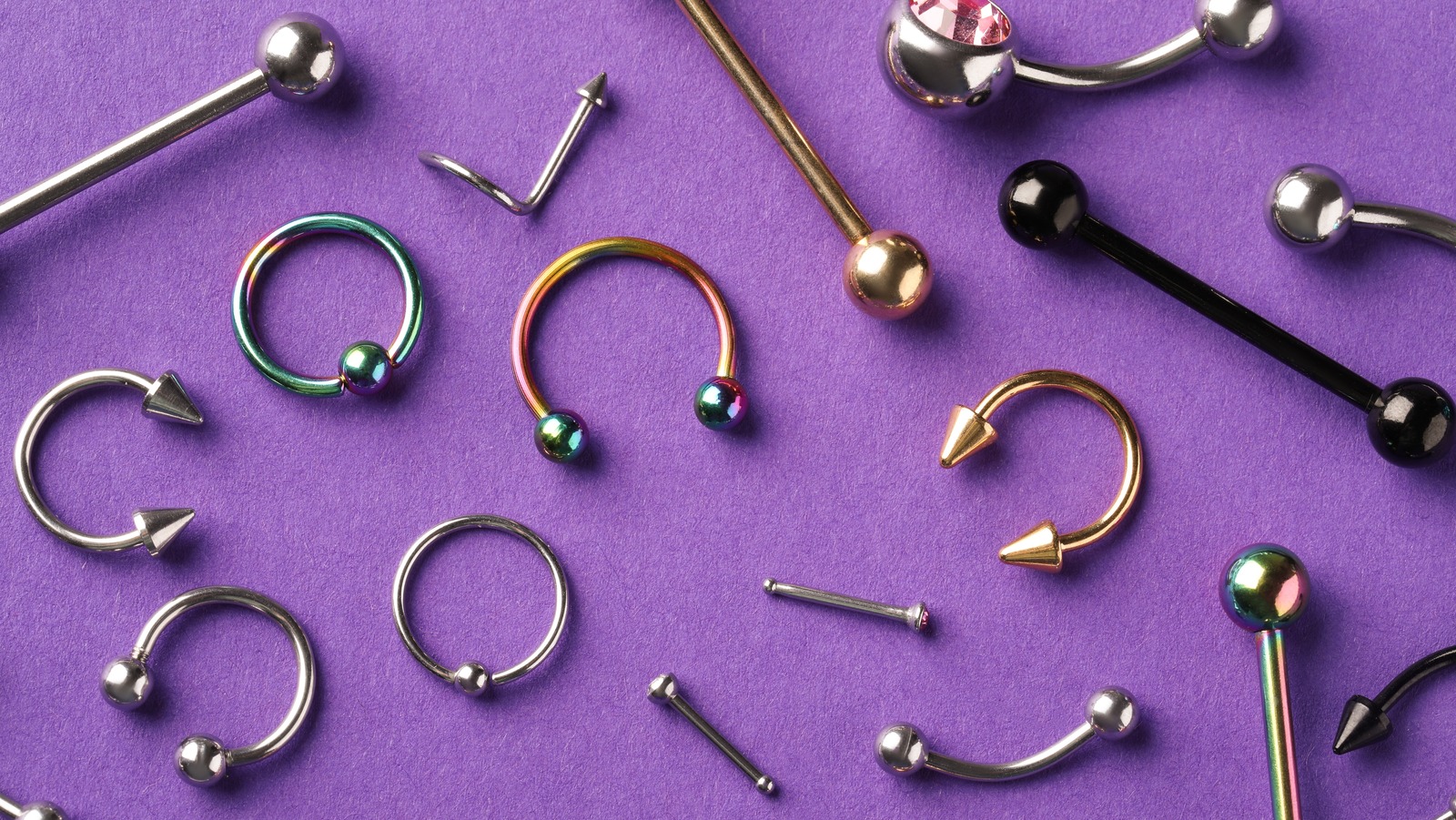
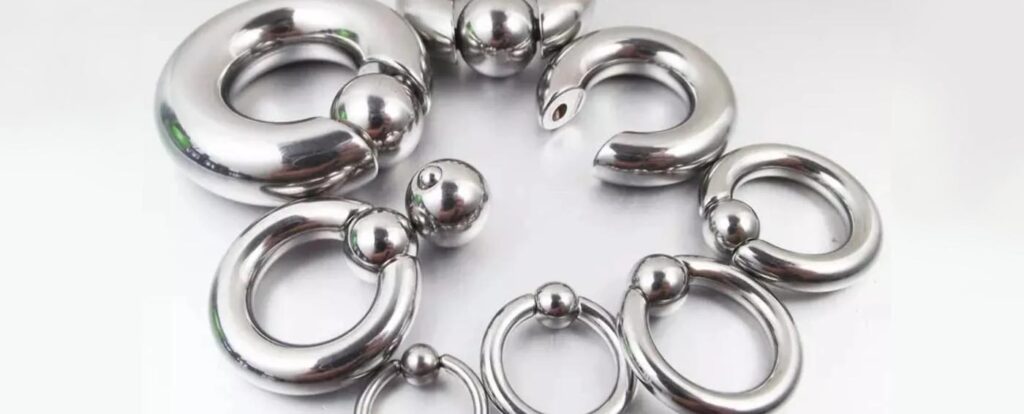
What Is A Prince Albert Body Piercing
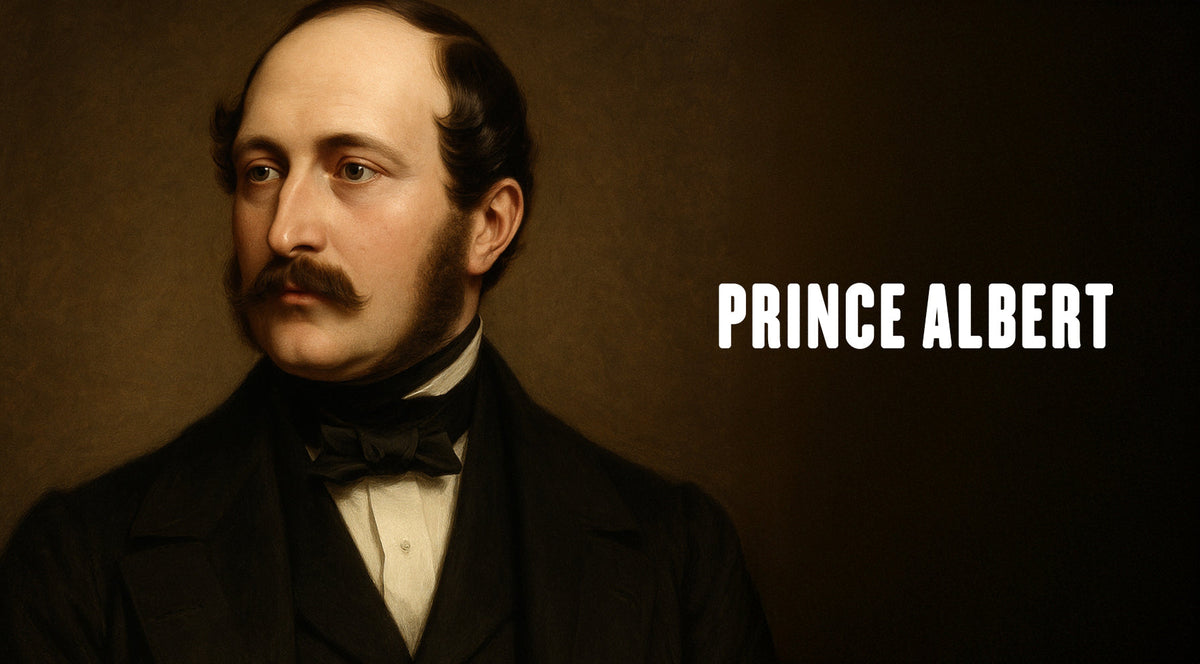
The world of body piercings has long been a canvas for self-expression, with various styles and placements offering a unique way for individuals to adorn and customize their bodies. Among the myriad of piercing options, one stands out for its historical significance, cultural connections, and the sense of adventure it embodies: the Prince Albert piercing. Named after Prince Albert of Saxe-Coburg and Gotha, this piercing involves the perforation of the penis, specifically through the frenulum, the small strip of skin connecting the glans to the shaft, or, more commonly, vertically through the head of the penis.
This piece of body art has its roots in 19th-century Europe, particularly among the upper classes, with rumors suggesting it was named after Prince Albert due to his alleged preference for the style. The Prince Albert piercing not only holds historical significance but also carries a certain mystique, symbolizing boldness and an embrace of one's sensuality. Today, it remains a sought-after piercing among those drawn to its unique aesthetic and the perceived enhancement of sexual pleasure it can offer.
Exploring the Depths of Prince Albert Piercing
Delving into the realm of the Prince Albert piercing, one discovers a complex tapestry of culture, psychology, and anatomy. Culturally, the Prince Albert piercing is a symbol of rebellion, of pushing the boundaries of societal norms. It's a statement piece, often chosen by those who see their body as a canvas for artistic expression and personal identity. Psychologically, the decision to get a Prince Albert piercing can be deeply personal, driven by a desire to explore one's sexuality or to challenge conventional standards of beauty and body modification.
Must Read
Anatomically, the piercing requires meticulous care and understanding of the healing process, which can be lengthy and demanding. The aftercare for a Prince Albert piercing is crucial, involving regular cleaning, avoidance of tight clothing, and patience as the body adjusts to the foreign object. The process can be grueling, but for many, the payoff is well worth the effort, offering a sense of accomplishment and pride in one's body.
Beyond its physical aspects, the Prince Albert piercing also touches on aspects of intimacy and relationships. For some, the piercing serves as a conversation starter, a way to break the ice and explore deeper connections with potential partners. It's a form of non-verbal communication, signaling openness to adventure and a willingness to challenge conventional norms. However, it's also crucial to consider the opinions and feelings of sexual partners, ensuring that the piercing is a positive addition to one's sexual experiences rather than a source of discomfort or anxiety.
Navigating the Practical Aspects
For those considering a Prince Albert piercing, there are several practical considerations to keep in mind. First and foremost, finding a reputable and experienced piercer is essential. A professional will guide you through the process, from the initial consultation to the aftercare, ensuring that the piercing is done safely and hygienically. It's also important to have realistic expectations about the healing time and any potential complications that may arise.

Sexual activity is another significant consideration. Following a Prince Albert piercing, individuals are typically advised to abstain from sexual intercourse for a period, allowing the piercing to heal sufficiently. This can be a challenging aspect for some, but it's a crucial part of ensuring the piercing heals correctly and minimizing the risk of complications. Additionally, certain types of sexual activity may need to be avoided or approached with caution to protect the piercing.
Personal hygiene and maintenance are also vital aspects of owning a Prince Albert piercing. Regular cleaning with saline solution, avoiding submerging the piercing in water (such as in a bathtub or swimming pool), and being mindful of the clothing you wear can all contribute to a smooth healing process. It's a commitment that requires dedication but can lead to a rewarding and positive experience with the piercing.
For many, the Prince Albert piercing becomes an integral part of their body identity, a symbol of personal strength and a testament to their ability to endure and flourish through challenging experiences. It's a journey that involves not just the physical act of getting pierced but also a psychological and emotional transformation. As such, it's essential to approach the decision with a clear mind and an understanding of what the piercing entails, from the procedure itself to the long-term commitment of aftercare and maintenance.
Frequently Asked Questions
What is the history behind the Prince Albert piercing?
The history of the Prince Albert piercing is intertwined with 19th-century European culture, particularly among the aristocracy. It's believed to have been named after Prince Albert of Saxe-Coburg and Gotha, though the exact origins and how it came to be associated with him are shrouded in mystery. What's clear, however, is that the piercing has been a part of body modification practices for centuries, evolving over time to become the diverse and expressive form of art it is today.

Despite its historical roots, the Prince Albert piercing has seen a resurgence in popularity in modern times, becoming a staple in the world of body piercings. Its allure can be attributed to its unique aesthetic, the perceived benefits to sexual pleasure, and the sense of adventure and rebelliousness it embodies. Whether viewed as a form of self-expression, a symbol of personal liberation, or simply as a form of body art, the Prince Albert piercing continues to captivate and inspire individuals worldwide.
How does the Prince Albert piercing affect sexual experiences?
The impact of a Prince Albert piercing on sexual experiences can be significant, though it varies greatly from person to person. For many, the piercing enhances sexual pleasure, both for the wearer and their partner. The addition of jewelry can provide a unique form of stimulation, and the piercing itself can alter sensations during sexual activity. However, it's essential to approach sexual activity with caution, especially during the healing period, to avoid causing damage to the piercing or discomfort to either partner.
Communication with sexual partners is key, ensuring that the piercing is a positive aspect of one's sexual experiences. It's also worth noting that individual reactions to the piercing can vary, with some experiencing enhanced pleasure and others not noticing a significant difference. The psychological aspect of having a Prince Albert piercing should not be underestimated, as the confidence and sense of adventure it can instill may also play a role in enhancing one's sexual experiences.
What are the risks associated with getting a Prince Albert piercing?
As with any form of body piercing, there are risks associated with getting a Prince Albert piercing. These include the risk of infection, particularly if the piercing is not done in a hygienic environment or if aftercare instructions are not followed diligently. Other potential complications can include rejection of the piercing, where the body pushes out the jewelry, or scarring, which can occur if the piercing is not properly cared for during the healing process.

It's also possible to experience allergic reactions to the metal used in the jewelry, which can lead to discomfort, redness, and swelling around the piercing site. To mitigate these risks, it's crucial to choose a reputable piercer who uses high-quality, hypoallergenic materials and follows strict hygiene standards. Regular check-ups with the piercer and adherence to aftercare instructions can also significantly reduce the likelihood of complications.
How long does it take for a Prince Albert piercing to heal?
The healing time for a Prince Albert piercing can vary, typically ranging from several months to over a year. The initial healing phase, where the piercing is most sensitive and requires the most diligent aftercare, usually lasts a few months. However, it can take up to a year or more for the piercing to be considered fully healed, at which point it's less sensitive and less prone to complications.
During this time, it's essential to be patient and consistent with aftercare routines. The body heals at its own pace, and rushing the process can lead to complications. It's also important to recognize that healing is not a linear process; there can be ups and downs, and what works for one person may not work for another. Professional guidance from a piercer can provide valuable insights and support throughout the healing journey.
Can anyone get a Prince Albert piercing?
While the Prince Albert piercing is a viable option for many, it's not suitable for everyone. Certain health conditions or anatomical considerations may make it difficult or inadvisable to get this type of piercing. For instance, individuals with conditions that affect healing or immune response may be at a higher risk of complications. Similarly, the anatomy of the penis can vary greatly among individuals, and in some cases, it may not be suitable for a Prince Albert piercing.

A professional piercer will be able to assess whether the piercing is right for you, taking into account your overall health, the anatomy of your penis, and any other relevant factors. It's a decision that should not be taken lightly, and seeking advice from a qualified professional is the best way to ensure that you're making an informed choice about your body.
The journey of getting a Prince Albert piercing is deeply personal and transformative. It connects individuals with a sense of community, a shared experience that transcends geographical boundaries. The piercing becomes a symbol of resilience and adaptability, as one navigates the challenges of the healing process and integrates the piercing into their daily life and sexual experiences.
On a broader scale, the Prince Albert piercing speaks to human nature's desire for self-expression and the pursuit of pleasure. It's a testament to the complexity and diversity of human sexuality, highlighting the many ways in which individuals choose to explore and express their sensuality. Whether through body modifications, sexual exploration, or other forms of artistic expression, the Prince Albert piercing represents a facet of human experience that is both deeply personal and universally relatable.
In reflecting on the significance of the Prince Albert piercing, it becomes clear that its impact extends far beyond the physical act of getting pierced. It touches on cultural norms, personal identity, and intimate relationships, weaving a rich tapestry of experiences and emotions. As a form of body art, the Prince Albert piercing serves as a powerful reminder of the human spirit's capacity for creativity, exploration, and connection, embodying the essence of what it means to be alive and to express oneself authentically.