What Happens If Your Suitcase Is Over 50 Pounds

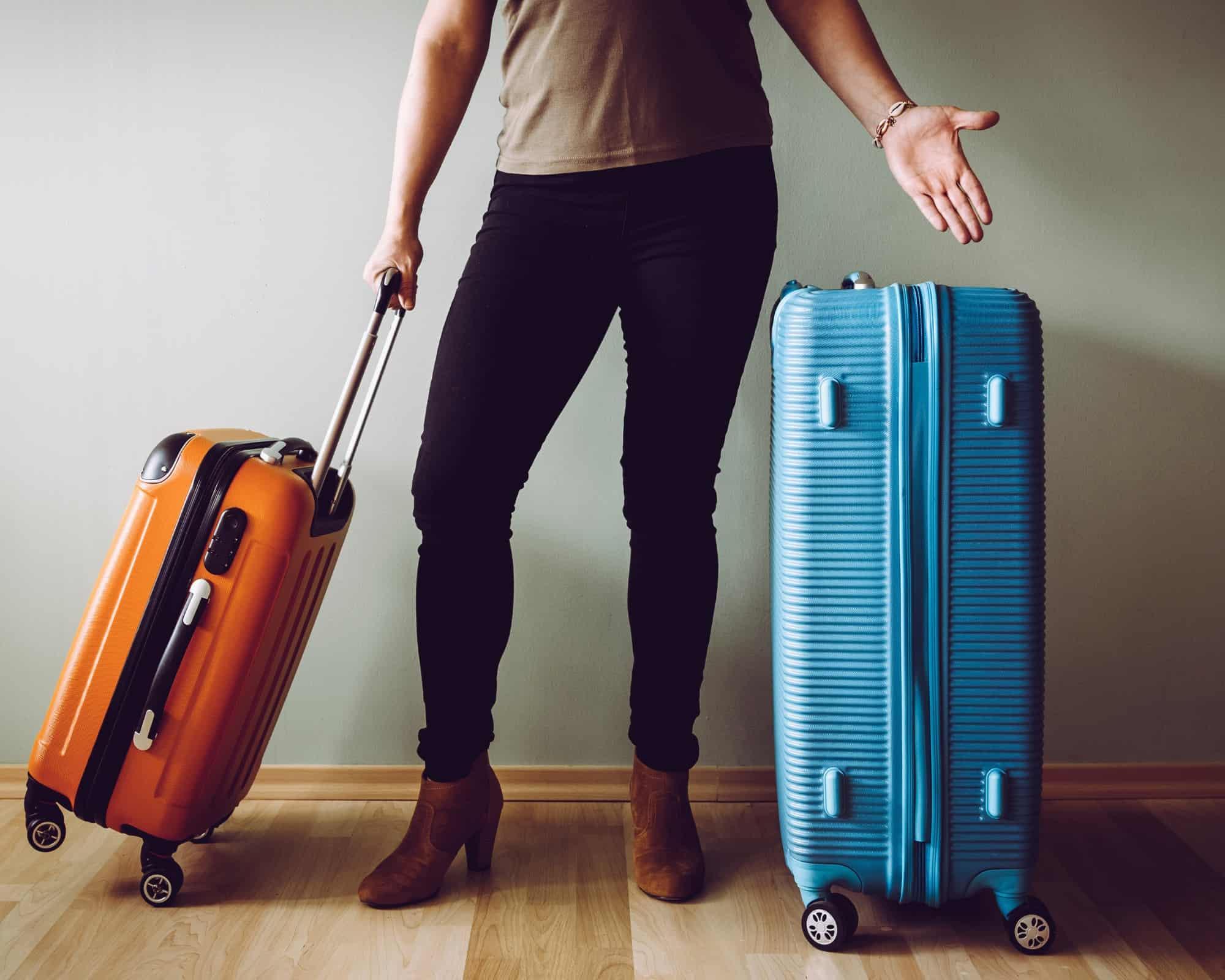
The thrill of traveling, whether for business or pleasure, is often dampened by the stress of packing. Among the numerous concerns, one particular worry stands out: the weight of your suitcase. You've packed, re-packed, and perhaps even unpacked a few non-essential items to try and stay under that magical 50-pound limit. But what happens if your suitcase is over 50 pounds? The answer to this question is not just a matter of paying extra fees; it's a journey into the world of airline regulations, packing strategies, and the psychology of travelers.
Historically, the concept of weight limits for luggage has been around for decades, evolving with changes in aviation technology and consumer behavior. In the early days of commercial flying, luggage was less of an issue due to capacity constraints and the fewer number of passengers. However, as air travel became more democratized and accessible, the need for standardized luggage restrictions became apparent. Today, the 50-pound limit serves as a benchmark for most airlines, aiming to balance passenger convenience with operational efficiency and safety.
The Roots of Overweight Luggage
Delving into the reasons behind overweight luggage reveals a complex mix of psychological, cultural, and practical factors. The feeling of insecurity that comes with traveling light, the cultural significance of gifts for loved ones back home, and the anticipated needs for a trip that might span different climates and activities all contribute to the tendency to overpack. Additionally, the advent of online shopping and the subsequent ease of purchasing travel-sized everything have led to a culture of preparedness, where travelers feel compelled to buy and bring along every conceivable item they might need, just in case.
Must Read
Culturally, there's also the aspect of status symbols and the perception of luxury. High-end luggage, often associated with quality and durability, can inadvertently encourage overpacking due to its capacity and the desire to fill it to justify the investment. This blend of psychological and socio-economic factors creates a fascinating dynamic where the urge to prepare for every eventuality clashes with the practical limitations imposed by airlines.
From a psychological standpoint, the phenomenon of overweight luggage can also be seen as a reflection of anxiety and uncertainty. Travelers, especially those embarking on long or international journeys, may overpack as a way to exert control over unpredictable situations. This behavior is a manifestation of the human desire for security and comfort in unfamiliar environments. Understanding these motivations can provide insight into why the 50-pound limit is often a challenge for many travelers.
Navigating Airline Policies and Practical Solutions
Each airline has its own set of rules and fees regarding overweight luggage, ranging from a few extra dollars for a couple of pounds over the limit to significant charges that could double the cost of your ticket. Researching airline policies before your trip can save you a great deal of stress and money. Some airlines offer more generous weight limits or different classes of service that include additional luggage allowances, making them worth considering for heavy packers.
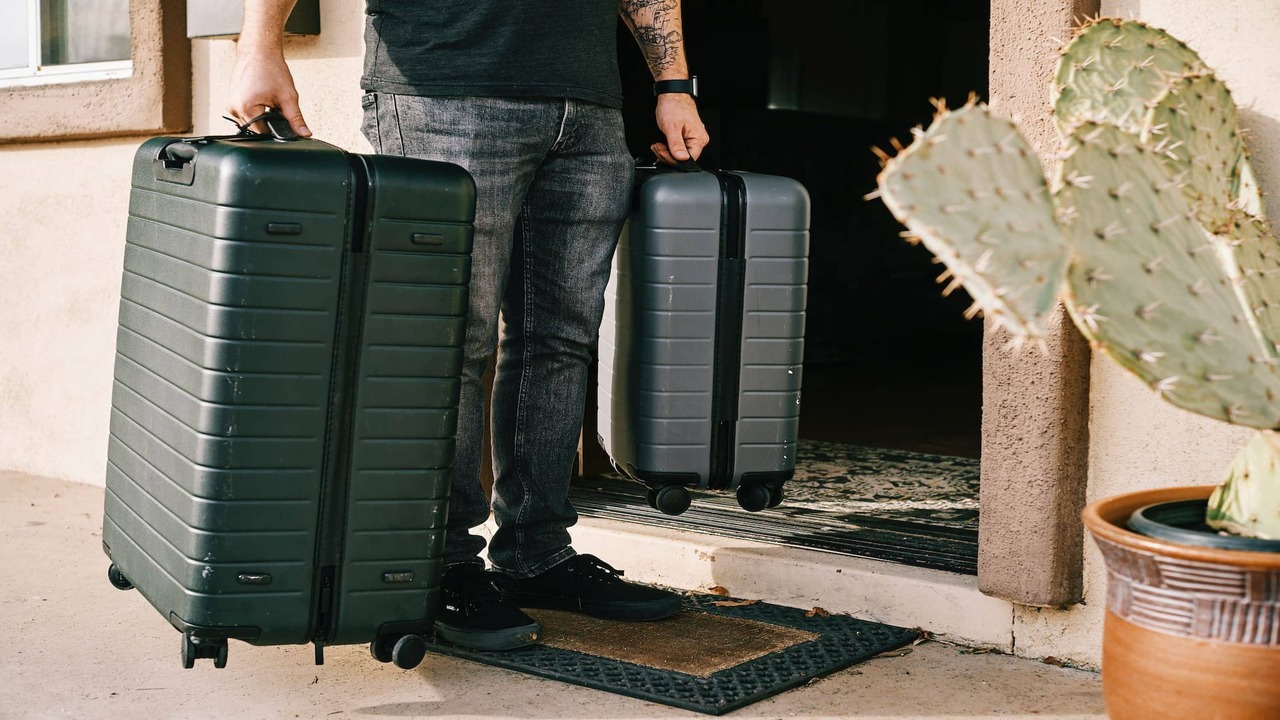
In terms of practical solutions, packing smart is key. This involves choosing multi-use items, wearing your heaviest or bulkiest items (like coat and boots) on the plane, and utilizing every available space in your luggage efficiently. The use of packing cubes and compression bags can also help in organizing your belongings while reducing the overall size of your luggage.
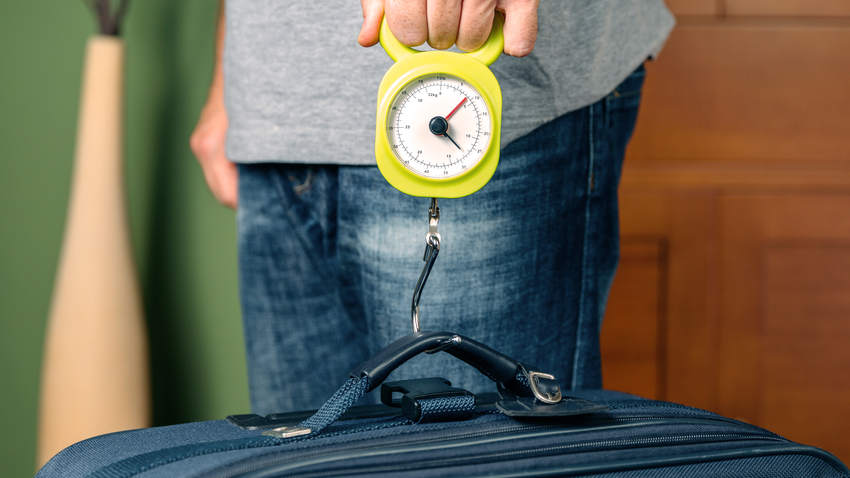
For frequent travelers or those who consistently find themselves struggling with the weight limit, investing in luggage scales can be a wise decision. These allow you to weigh your luggage at home, avoiding the potentially costly surprise of finding out your bag is overweight at the check-in counter. Moreover, shipping items ahead of time or purchasing essentials at your destination can sometimes be more cost-effective and hassle-free than paying for overweight baggage.
Case studies of travelers who have mastered the art of packing light are inspiring. They often share tips such as planning outfits in advance, choosing items that can be easily mixed and matched, and embracing the minimalist packing philosophy. These strategies not only help in avoiding overweight luggage fees but also contribute to a more streamlined, less stressful travel experience.
Frequently Asked Questions
What are the consequences of checking in an overweight suitcase?
The consequences of checking in an overweight suitcase can range from being asked to remove items and re-pack on the spot, which can be embarrassing and time-consuming, to being charged significant fees. These fees vary by airline but can be substantial, often in the range of $50 to $200 or more per bag, depending on how much the bag is over the limit and the airline's policy. In some cases, if the overweight luggage cannot be accommodated in the cargo hold due to space or weight constraints, it might be sent on a later flight, potentially causing inconvenience to the traveler.
It's also worth noting that consistently checking in overweight luggage can lead to additional scrutiny from airline staff. While this might not result in a ban from flying, it could lead to a reputation as a high-maintenance passenger, potentially affecting how your requests or issues are handled by the airline in the future. Therefore, it's always best to try and adhere to the weight limits to avoid any unnecessary complications during your travel.

How do I avoid paying for overweight luggage?
Avoiding overweight luggage fees begins with awareness and planning. Knowing the weight limit of your airline and planning your packing list accordingly is crucial. Packing light is more than just a mantra; it's a strategy that involves selecting items that serve multiple purposes, avoiding bulky items, and considering the activities you plan to do at your destination. For instance, instead of packing a separate outfit for each day, consider packing a few versatile pieces that can be mixed and matched.
Investing in luggage scales can also help you avoid the surprise of finding out your bag is overweight at the airport. Weighing your luggage at home gives you the chance to make adjustments before you leave for the airport. Additionally, choosing the right luggage can make a difference. Luggage with sturdy, lightweight frames and efficient interior designs can help keep your overall weight down. Finally, considering shipping items to your destination instead of packing them can sometimes be more cost-effective, especially for non-essential items.
Can I pay for overweight luggage online before my flight?
The ability to pay for overweight luggage online before your flight depends on the airline. Some airlines offer the option to pre-pay for additional luggage or overweight fees during the online check-in process, usually 24 hours before the flight. This can be convenient as it allows you to budget for the extra cost in advance and saves time at the airport. However, not all airlines provide this service, and policies can vary, so it's always a good idea to check with your carrier for their specific procedures.
If the option to pre-pay is available, you will typically be prompted during the online check-in process if your luggage exceeds the weight limit. You can then choose to pay the fee online, which may also give you the opportunity to print or download your boarding pass without needing to visit the check-in counter, assuming you have no other issues with your ticket or travel documents.

Are there any exceptions to overweight luggage fees for special items?
Yes, there are exceptions to overweight luggage fees for certain special items. These can include medical equipment, musical instruments, and sports equipment, though policies vary widely between airlines. Some airlines may waive overweight fees for these items or offer special allowances, especially if they are packed in a separate, dedicated case. It's essential to contact the airline in advance to inquire about their policy regarding special items, as failing to do so could result in unexpected fees or even the item being rejected at check-in.
Additionally, assistive devices for passengers with disabilities are typically exempt from overweight fees, and many airlines have specific procedures in place for handling these items. The key is to notify the airline ahead of time and to be prepared to provide any necessary documentation or information about the item in question. This not only ensures a smoother check-in process but also helps in planning the accommodation of the special item on the flight.
How can I efficiently pack to avoid overweight luggage fees?
Packing efficiently to avoid overweight luggage fees involves a combination of planning, strategy, and the right tools. Starting with planning, make a list of the essentials you need to bring and consider the length of your trip, the activities you'll be doing, and the climate of your destination. Choosing multi-use items and packing clothes that can be mixed and matched can significantly reduce the overall weight and bulk of your luggage.
In terms of strategy, wearing your heaviest or bulkiest items (like your coat, boots, and jeans) on the plane can save a considerable amount of weight in your luggage. Using packing cubes and compression bags can help organize your belongings and make the most of your luggage's space. Finally, investing in good quality, lightweight luggage and packing scales can make a big difference. Packing scales allow you to weigh your luggage at home, avoiding any last-minute surprises at the airport.
Are overweight luggage fees refundable if my flight is cancelled?
The refundability of overweight luggage fees in the event of a flight cancellation varies by airline. Some airlines may refund all additional fees, including those for overweight luggage, if they cancel your flight. However, this is not a universal policy, and many airlines will only refund the cost of the ticket and not any additional services or fees you've paid for.
It's essential to check the airline's cancellation and refund policy before your trip. If you've prepaid for overweight luggage and the airline cancels your flight, it's worth contacting their customer service to inquire about the possibility of a refund for these fees. Keep in mind that even if the airline does offer refunds for additional services, the process can take time, and you may need to provide documentation to support your request.
Reflecting on the concept of overweight luggage and its implications, it becomes clear that this issue is intertwined with our daily lives and human nature. The desire to be prepared, the fear of not having what we need, and the perceived value of material possessions all play roles in how we approach packing for a trip. As we navigate the complexities of travel in the modern age, understanding these motivations and adopting practical strategies can make all the difference in ensuring a smooth, enjoyable journey.
The psychological aspect of packing reveals much about our personalities and priorities. Some individuals approach travel with a minimalist mindset, packing light and focusing on experiences over material possessions. Others might view their luggage as a safety net, packing extensively to mitigate any potential discomfort or inconvenience during their trip. This dichotomy highlights the subjective nature of travel preferences and the importance of self-awareness in navigating the challenges of overweight luggage.
In conclusion, the issue of overweight luggage is a multifaceted one, touching on aspects of travel, psychology, and culture. As travelers, being aware of airline policies, adopting efficient packing strategies, and understanding our own behaviors and motivations can significantly enhance our travel experiences. Whether through careful planning, investing in the right tools, or simply becoming more mindful of our packing habits, we have the power to transform the often daunting task of packing into an opportunity for growth, convenience, and a more enjoyable journey.