What Does The Vagina Taste Like

The vagina, often shrouded in mystery, has been a subject of intrigue and sometimes controversy throughout human history. The question of what the vagina tastes like has been approached with a mix of curiosity and taboo. In ancient cultures, the feminine body was often revered and associated with fertility and life, yet discussions about its sensual aspects were veiled in secrecy. Today, with the advancement of sexual liberation and open dialogue about sexual health, the question of vaginal taste has become a topic of interest, reflecting our broader societal shift towards embracing sex positivity and reducing stigmas surrounding sexual expression.
This journey into understanding the vagina's taste is not just about the physical; it's deeply intertwined with psychological and cultural aspects. The perception of taste is highly subjective and can be influenced by various factors, including diet, hygiene, and individual preferences. Furthermore, the discussion around vaginal taste also reveals deeper insights into how society views female sexuality and sexual health. By opening this conversation, we aim to normalize discussions about sexual experiences and health, promoting a more inclusive and educated approach to human sexuality.
A Brief History and Cultural Significance
Historically, the vagina has been a symbol of femininity and power in many cultures, but discussions about its taste have been sparse and often embedded in myths and folklore. In some ancient cultures, the vagina was believed to have healing properties, and its fluids were considered sacred. However, with the rise of patriarchal societies, such discussions became more suppressed, leading to a disconnect between the female body and its sexual functions. Today, we see a resurgence of interest in understanding and appreciating the vagina, not just as a sexual organ but as a part of a woman's overall health and identity.
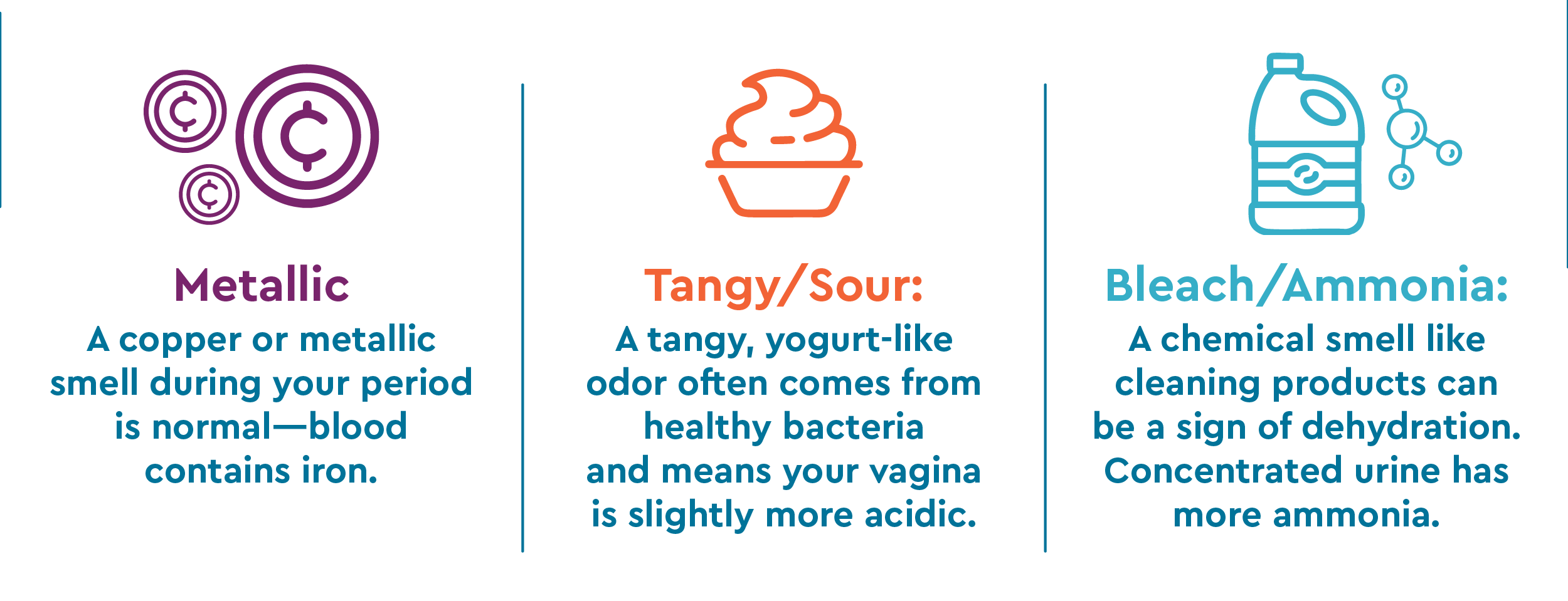
The perception of vaginal taste varies widely among individuals, reflecting personal preferences and societal influences. Some describe it as metallic, others as musky or sweet, depending on factors like diet and the time in the menstrual cycle. This diversity in description underscores the complexity of human sexuality and the importance of communication in sexual relationships. Moreover, the cultural impact of discussing vaginal taste extends beyond the bedroom, influencing how we perceive femininity, sexual health, and intimacy.
Exploring the realm of vaginal taste also delves into the psychological aspects of sexual attraction and intimacy. The way we perceive and discuss bodily fluids, including vaginal secretions, can significantly affect an individual's confidence and comfort with their body. This, in turn, can impact their sexual experiences and relationships. By embracing these discussions openly, we foster an environment that encourages self-acceptance and mutual respect, laying the groundwork for healthier and more fulfilling sexual relationships.
Practical Insights and Experiences
In the context of sexual relationships, understanding and discussing vaginal taste can enhance intimacy and connection. Partners who are open to exploring each other's preferences and boundaries often report deeper levels of satisfaction and trust. Moreover, being aware of the factors that can influence vaginal taste, such as diet and hygiene, can empower individuals to take control of their sexual health and confidence. For instance, some foods are believed to alter the taste of bodily fluids, a fact that can be both surprising and useful for those looking to explore their sexuality more openly.

Case studies and surveys have shown that individuals who engage in open discussions about sexual preferences, including the taste and smell of genital areas, tend to have more satisfying and healthy sexual relationships. This openness not only reduces anxiety and misconceptions but also allows for a more personalized and mutually enjoyable sexual experience. Additionally, such discussions can lead to better sexual health practices, as individuals become more aware of their bodies and the importance of maintaining good genital hygiene.
For those looking to explore their sexuality more deeply, understanding vaginal taste can be a gateway to discovering new forms of intimacy. This might involve experimenting with different foods to see how they affect taste, engaging in open conversations with partners about preferences, or simply becoming more comfortable with one's own body. By doing so, individuals can foster a more positive and inclusive attitude towards sexuality, one that values exploration, communication, and mutual pleasure.
In practical terms, maintaining good sexual health is crucial for enjoying a fulfilling sexual life. This includes regular check-ups, practicing safe sex, and being mindful of the products used on the genital area, as they can affect the natural balance and taste. By combining this practical knowledge with an open and positive attitude towards discussing vaginal taste, individuals can navigate their sexual relationships with more confidence and enjoyment.
Frequently Asked Questions
What is the normal taste of the vagina?
The normal taste of the vagina can vary significantly from one individual to another, influenced by factors such as diet, hormonal changes, and personal hygiene. While some may describe it as neutral or slightly sweet, others might find it more acidic or metallic. It's essential to remember that there is no one "normal" taste, as individual variations are vast and perfectly healthy. This diversity in taste is a natural part of human biology and should be embraced rather than stigmatized.

Understanding that vaginal taste is subjective and can change under different conditions can help reduce anxiety and misconceptions. For those interested in exploring this aspect of their sexuality, open communication with partners about preferences and boundaries is key. Moreover, recognizing the factors that can influence taste, such as certain foods or menstrual cycle phases, can provide individuals with a sense of control and empowerment over their sexual experiences.
How can diet affect the taste of the vagina?
Diet has been suggested to play a role in affecting the taste of bodily fluids, including vaginal secretions. Certain foods, especially those high in sulfur like garlic and onions, can make bodily fluids taste stronger, while others, such as pineapple, are believed to sweeten them. However, it's crucial to approach these claims with a critical mindset, as scientific evidence supporting drastic changes in taste due to diet is limited. Nonetheless, for individuals interested in experimenting, incorporating a balanced diet rich in fruits, vegetables, and whole grains may contribute to overall health, including sexual well-being.
The concept of diet influencing vaginal taste also intersects with broader discussions about sexual health and wellness. A healthy diet can improve overall bodily functions, including sexual response and satisfaction. While the direct impact of diet on vaginal taste might be more anecdotal than scientifically proven, the connection between diet, health, and sexuality underscores the importance of holistic approaches to sexual wellness. By focusing on a balanced lifestyle, individuals can enhance their sexual experiences and overall quality of life.
Is it healthy to engage in oral sex and be concerned about the taste?
Engaging in oral sex is a common and healthy part of many sexual relationships when practiced safely and consensually. Concerns about taste can be a natural part of exploring sexual activities, but they should not deter individuals from enjoying intimacy with their partners. Open communication about preferences, boundaries, and concerns can significantly enhance the experience, making it more enjoyable and fulfilling for all parties involved. Moreover, recognizing that vaginal taste is a natural aspect of human biology can help alleviate unnecessary anxieties, allowing individuals to focus on the emotional and physical connections they share with their partners.
From a health perspective, practicing good hygiene and safe sex practices is paramount. This includes regular sexual health check-ups and using protection to prevent the transmission of sexually transmitted infections (STIs). By prioritizing sexual health and adopting a positive, informed attitude towards sexual activities, individuals can navigate their desires and boundaries with confidence, ensuring that their sexual experiences are both pleasurable and safe.
Can vaginal taste be affected by hormonal changes?
Hormonal fluctuations throughout the menstrual cycle and during menopause can influence the consistency, smell, and potentially the taste of vaginal secretions. For example, some women report changes in their vaginal discharge during different phases of their cycle, which might affect the perceived taste. Understanding these changes as a natural part of female physiology can help individuals and their partners appreciate the dynamic nature of female sexuality and health.
Recognizing the interplay between hormonal changes and vaginal health can also lead to better awareness and management of sexual health. For instance, knowing that hormonal shifts can affect libido, vaginal dryness, and the presence of discharge can encourage individuals to seek medical advice or support when needed. By embracing this knowledge, women can take a more proactive role in their sexual and reproductive health, fostering a more positive and empowered relationship with their bodies.
How can I make my vagina taste better?
While the idea of making the vagina "taste better" can be subjective and influenced by societal pressures, focusing on overall health and hygiene is a positive approach. Maintaining a balanced diet, staying hydrated, and practicing good genital hygiene can contribute to a healthy vaginal environment. Additionally, avoiding scented soaps, douching, and other products that can disrupt the natural pH balance of the vagina is crucial for both health and comfort. Ultimately, the most beneficial step is to embrace one's body naturally, recognizing that vaginal taste is a personal and variable aspect of human sexuality.

It's also important to address the psychological aspect of wanting to alter one's vaginal taste. Societal beauty standards and the fear of not meeting a partner's expectations can lead to unnecessary anxiety. Open communication with partners about desires, fears, and preferences can help alleviate these concerns, promoting a more genuine and satisfying sexual experience. By valuing honesty, mutual respect, and the natural diversity of human bodies, individuals can cultivate healthier attitudes towards sex and intimacy, moving beyond the pursuit of unrealistic standards.
Reflections on Human Nature and Daily Life
Reflecting on the topic of vaginal taste reveals deeper insights into human nature and our societal values. The way we discuss, perceive, and experience sexuality is a mirror to our broader cultural attitudes towards intimacy, health, and identity. By embracing open discussions about vaginal taste and sexual health, we contribute to a more inclusive and informed sexual culture, one that values diversity, consent, and mutual pleasure. This shift in perspective can have profound effects on how we navigate our relationships, prioritize our health, and understand our bodies.
The exploration of vaginal taste also intersects with our daily lives in unexpected ways. It influences how we think about our bodies, our confidence in sexual relationships, and our approaches to health and wellness. By integrating a positive and informed attitude towards sexual health into our daily conversations and practices, we can foster a culture that supports individual expression, reduces stigma around sexual topics, and encourages healthier, more fulfilling relationships. This, in turn, can lead to a more compassionate and accepting society, where individuals feel empowered to explore their sexuality without fear of judgment or repression.
Ultimately, the discussion around vaginal taste serves as a catalyst for broader conversations about sexuality, health, and human connection. As we continue to explore and understand our bodies and desires, we pave the way for a future where sexual expression is valued, respected, and enjoyed without unnecessary barriers or stigmas. By embracing this journey of discovery and dialogue, we not only enhance our individual sexual well-being but also contribute to a more enlightened and supportive community, shaped by empathy, knowledge, and a profound appreciation for the complexities and beauties of human sexuality.