What Does Shooting Blanks Mean Sperm

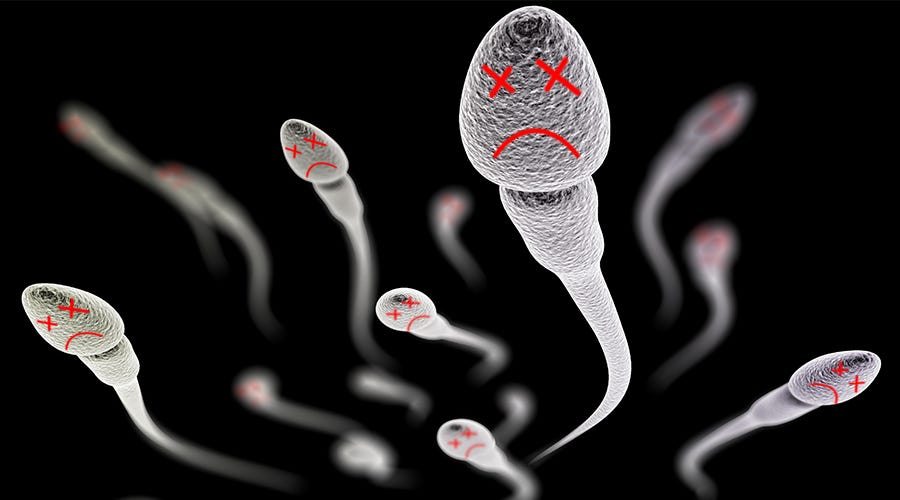
The term "shooting blanks" refers to the condition where a man's semen contains little to no sperm, also known as azoospermia. This can be due to various factors, including hormonal imbalances, infections, or physical blockages in the reproductive tract. Understanding the science behind this condition can help individuals take proactive steps to optimize their reproductive health. In this article, we will delve into the biology and chemistry of sperm production, and provide actionable steps for improving fertility.
The process of sperm production, or spermatogenesis, involves the coordination of multiple cell types, hormones, and biochemical pathways. Leydig cells in the testes produce testosterone, which stimulates the development of sperm cells. Meanwhile, Sertoli cells nurture and support the growth of sperm cells, providing them with essential nutrients and hormones. Any disruptions to this delicate balance can impact sperm production, leading to conditions like azoospermia.
One of the primary factors influencing sperm production is lifestyle choices. For example, smoking and excessive alcohol consumption can damage sperm cells and reduce fertility. On the other hand, a balanced diet rich in antioxidants, omega-3 fatty acids, and other essential nutrients can help support sperm health. By making informed choices about their diet, exercise, and overall lifestyle, individuals can take the first step towards optimizing their reproductive health.
Understanding the Biology of Sperm Production
To truly comprehend the mechanisms behind "shooting blanks," it's essential to explore the intricate biology of sperm production. The hypothalamic-pituitary-gonadal axis plays a crucial role in regulating sperm development, involving a complex interplay between hormones like gonadotropin-releasing hormone (GnRH) and follicle-stimulating hormone (FSH). Any disruptions to this axis can impact sperm production, highlighting the importance of maintaining a healthy hormonal balance.
The seminal vesicles and prostate gland also play vital roles in sperm production, producing essential components of semen like fructose and prostate-specific antigen (PSA). These components help nourish and protect sperm cells, ensuring their optimal function and fertility. By understanding the biology of sperm production, individuals can appreciate the importance of maintaining a healthy reproductive system.
Furthermore, epigenetic factors can also influence sperm production, with environmental and lifestyle factors impacting gene expression and sperm development. For example, exposure to endocrine-disrupting chemicals (EDCs) has been linked to reduced fertility and altered sperm morphology. By being mindful of these epigenetic factors, individuals can take proactive steps to mitigate their impact and support optimal sperm production.

Optimizing Fertility and Overcoming "Shooting Blanks"
For individuals dealing with azoospermia or reduced fertility, there are several evidence-based strategies that can help. First, adopting a balanced diet rich in essential nutrients like zinc, selenium, and vitamin D can help support sperm health. Additionally, staying hydrated and managing stress through techniques like meditation and yoga can also help mitigate the negative impacts of lifestyle factors on fertility.
Second, regular exercise can help improve sperm quality and fertility. Activities like cardiovascular exercise and strength training can help enhance testosterone production and reduce inflammation. However, it's essential to avoid overexertion, as excessive exercise can have negative impacts on sperm production.
Third, getting adequate sleep is crucial for reproductive health. During sleep, the body produces essential hormones like melatonin and growth hormone, which help regulate sperm development. Aim for 7-9 hours of sleep per night to support optimal fertility. Finally, reducing exposure to toxins and endocrine-disrupting chemicals can also help mitigate their negative impacts on sperm production.
By implementing these strategies and making informed lifestyle choices, individuals can take proactive steps to optimize their fertility and overcome conditions like azoospermia. It's essential to remember that every individual is unique, and what works for one person may not work for another. By working with healthcare professionals and staying committed to their goals, individuals can develop personalized plans to support their reproductive health.
Frequently Asked Questions
What are the most common causes of azoospermia?
Azoospermia can result from a range of factors, including hormonal imbalances, infections, and physical blockages in the reproductive tract. Varicocele, a condition characterized by enlarged veins in the scrotum, is a common cause of azoospermia. Other factors like smoking, obesity, and exposure to toxins can also contribute to reduced fertility.
To address azoospermia, it's essential to identify the underlying cause and develop a personalized treatment plan. This may involve lifestyle modifications, medical interventions, or assisted reproductive technologies like in vitro fertilization (IVF). By working with healthcare professionals and staying committed to their goals, individuals can overcome azoospermia and achieve their reproductive goals.
How can I improve my sperm quality and fertility?
Improving sperm quality and fertility requires a multi-faceted approach, incorporating lifestyle modifications, nutritional support, and stress management. Eating a balanced diet rich in essential nutrients like zinc, selenium, and vitamin D can help support sperm health. Additionally, staying hydrated, managing stress, and getting adequate sleep can also help mitigate the negative impacts of lifestyle factors on fertility.
Furthermore, regular exercise and avoiding excessive heat exposure can also help improve sperm quality. It's essential to avoid overexertion, as excessive exercise can have negative impacts on sperm production. By making informed lifestyle choices and working with healthcare professionals, individuals can develop personalized plans to support their reproductive health and improve their fertility.

Can certain medications or supplements impact sperm production?
Certain medications and supplements can indeed impact sperm production, either positively or negatively. For example, anabolic steroids and testosterone replacement therapy can suppress sperm production, while antioxidant supplements like coenzyme Q10 (CoQ10) and vitamin C may help support sperm health.
It's essential to consult with healthcare professionals before starting any new medications or supplements, as they can help individuals weigh the potential benefits and risks. By making informed choices about their medications and supplements, individuals can minimize their impact on sperm production and support optimal fertility.
How does age impact sperm quality and fertility?
Age can significantly impact sperm quality and fertility, with advanced paternal age linked to reduced fertility and increased risk of genetic mutations. As men age, their sperm cells undergo natural epigenetic changes that can impact fertility. However, this doesn't mean that older men cannot father healthy children.
To mitigate the impacts of age on fertility, it's essential to maintain a healthy lifestyle, including a balanced diet, regular exercise, and stress management. Additionally, genetic testing and preconception counseling can help individuals understand their reproductive risks and develop personalized plans to support their fertility.
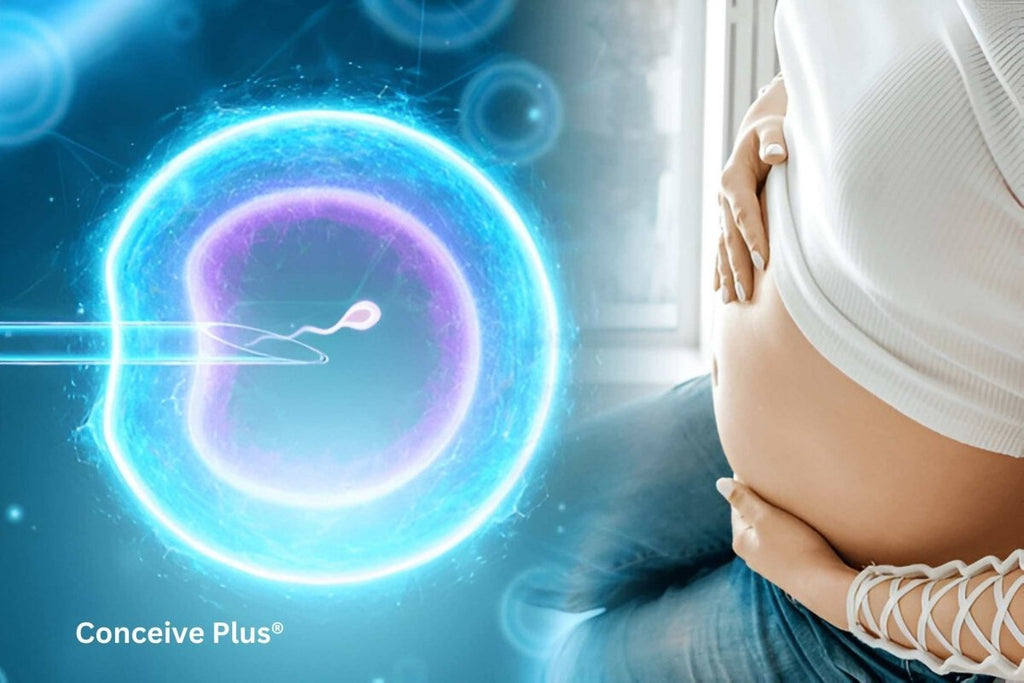
What are the emotional and psychological impacts of dealing with azoospermia or reduced fertility?
Dealing with azoospermia or reduced fertility can have significant emotional and psychological impacts, including stress, anxiety, and depression. The pressure to conceive can be overwhelming, and individuals may feel like they're losing control over their reproductive lives.
It's essential to acknowledge these emotional and psychological impacts and seek support from healthcare professionals, therapists, or support groups. By working through their emotions and developing coping strategies, individuals can maintain a positive outlook and stay committed to their reproductive goals. Remember, fertility is not solely defined by biology – it's also deeply connected to emotional and psychological well-being.
By respecting the science behind sperm production and fertility, individuals can take proactive steps to optimize their reproductive health. This involves adopting a balanced lifestyle, making informed choices about medications and supplements, and seeking support from healthcare professionals. By doing so, individuals can mitigate the risks associated with azoospermia and reduced fertility, and improve their overall well-being.
Ultimately, understanding the biology and chemistry of sperm production can empower individuals to take control of their reproductive health. By staying committed to their goals and working with healthcare professionals, individuals can develop personalized plans to support their fertility and achieve their reproductive aspirations. Remember, every individual is unique, and what works for one person may not work for another – but with the right mindset and support, anyone can overcome the challenges of azoospermia and reduce fertility.