What Does Being Submissive In A Relationship Mean

In recent years, the concept of being submissive in a relationship has gone from being a taboo topic to a trending hashtag. With the rise of BDSM culture and kink-awareness, it's no wonder that everyone's talking about it. From TikTok challenges to Twitter threads, the internet is filled with discussions, debates, and hot takes on what it means to be submissive. But amidst all the noise, it's essential to understand the nitty-gritty of this complex and multifaceted topic.
The mainstreaming of kink has led to a proliferation of submissive-themed content across various platforms. OnlyFans creators and adult entertainers have capitalized on the trend, offering submissive-focused content to their fans. Meanwhile, social media influencers and relationship coaches have jumped on the bandwagon, sharing their expert advice and personal anecdotes on navigating submissive relationships. With so much information available, it's no wonder that people are more curious than ever about exploring their submissive side.
However, with great power comes great responsibility. As the conversation around submission continues to evolve and expand, it's essential to acknowledge the potential pitfalls and red flags that come with it. From toxic relationships to emotional manipulation, the risks of being submissive can be very real. That's why it's crucial to approach this topic with nuance and sensitivity, recognizing that every individual's experience is unique and valid in its own right.
The Subcultures Surrounding Submission
The world of submission is filled with fascinating subcultures and online communities. From BDSM forums to kink-themed Reddit threads, there are countless spaces where individuals can connect, share, and learn from each other. However, these communities can also be hotbeds of drama and conflict, with opinionated individuals and self-proclaimed experts often clashing over issues of consent, safety, and protocol. Navigating these complex social dynamics can be daunting, especially for newbies who are just starting to explore their submissive side.
One of the most interesting aspects of submission is the way it intersects with internet culture. With the rise of social media and online platforms, it's easier than ever to connect with like-minded individuals and join online communities. However, this increased visibility has also led to greater scrutiny and judgment from outsiders. As a result, many individuals who identify as submissive may feel pressure to conform to certain standards or expectations, rather than embracing their unique identity and personal preferences. This can lead to inner conflict and self-doubt, as individuals struggle to reconcile their desires with the external demands and societal norms that surround them.

Navigating the World of Submission
So, how can you navigate the world of submission without losing your sanity or wallet? First and foremost, it's essential to educate yourself on the basics of BDSM and kink culture. This includes learning about safety protocols, consent, and boundary-setting. It's also crucial to find reputable resources and supportive communities that can provide guidance and mentorship as you explore your submissive side. This might include attending workshops or join online forums where you can connect with like-minded individuals and learn from their experiences.
Another key aspect of navigating submission is communication. This means being open and honest with your partner about your desires, boundaries, and expectations. It's also essential to establish clear guidelines and protocols for your relationship, including safewords, check-ins, and aftercare. By prioritizing communication and mutual respect, you can build a healthy and fulfilling submissive relationship that works for both partners.
In addition to education and communication, it's also important to set boundaries and prioritize self-care. This means being aware of your own limits and needs, and communicating them clearly to your partner. It's also essential to make time for self-care and self-reflection, whether that means practicing mindfulness, exercise, or creative pursuits. By prioritizing your own well-being and emotional safety, you can maintain a healthy and balanced approach to submission.

Finally, it's essential to be patient and compassionate with yourself as you navigate the world of submission. This is a journey, not a destination, and it's okay to make mistakes or encounter setbacks along the way. By being kinder to yourself and more forgiving, you can create a safe and supportive environment for exploration and growth.
Frequently Asked Questions
What is the difference between being submissive and being a doormat?
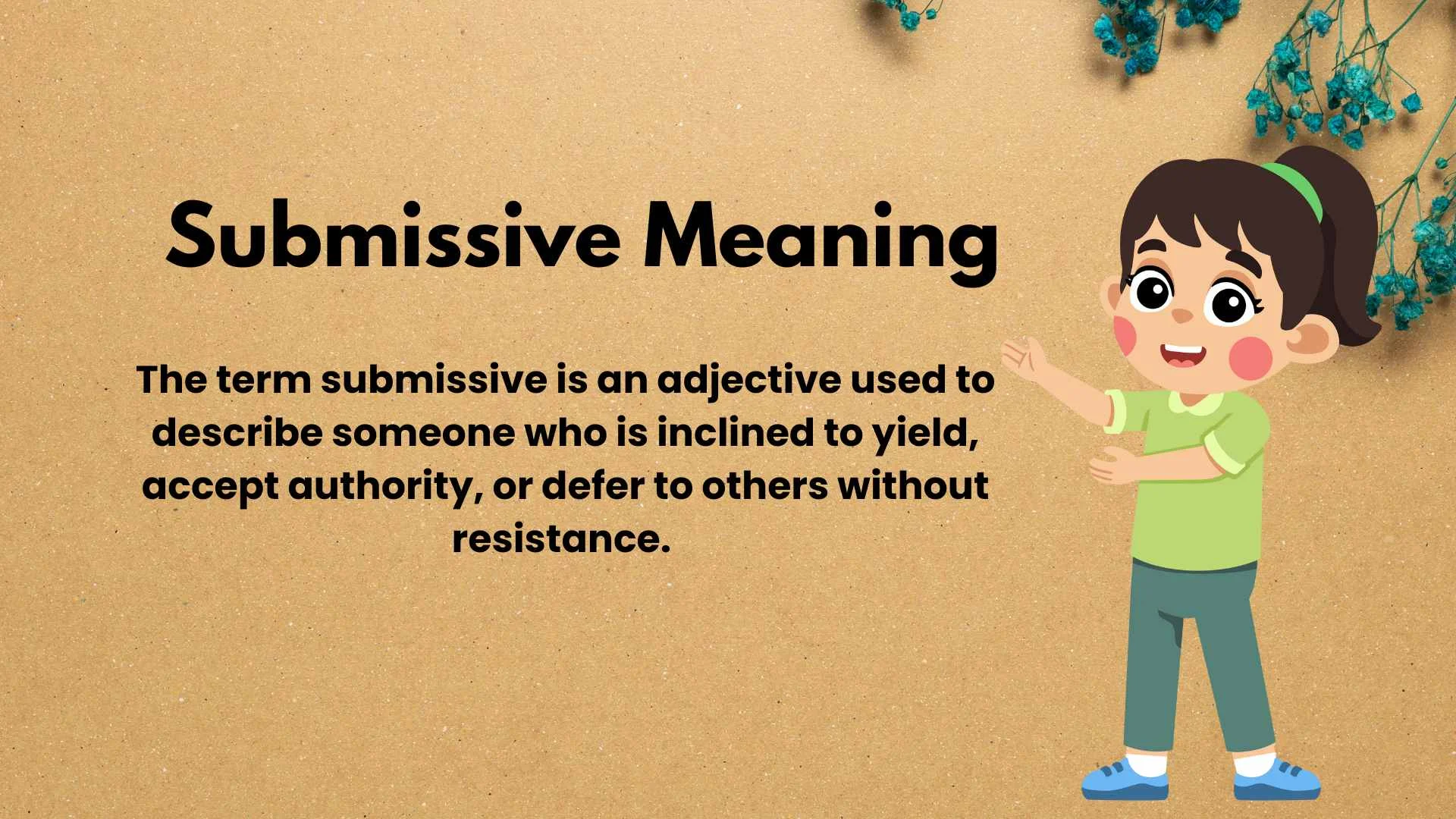
One of the most common misconceptions about submission is that it means being a doormat or walked all over. However, this couldn't be further from the truth. Being submissive means consensually surrendering control or yielding to someone else's authority, but it doesn't mean losing your autonomy or personal agency. In fact, many individuals who identify as submissive are strong-willed and confident, and they choose to submit as a way of exercising their power and exploring their desires.
In order to avoid being treated like a doormat, it's essential to set clear boundaries and communicate your needs to your partner. This means being aware of your own limits and needs, and expressing them clearly to your partner. It's also crucial to establish a safe word or signal that can be used to pause or stop the activity if necessary. By prioritizing communication and mutual respect, you can build a healthy and fulfilling submissive relationship that works for both partners.

Can you be submissive in a relationship without being in a BDSM or kink dynamic?
Absolutely. While BDSM culture and kink may be closely associated with submission, it's not the only context in which it can occur. In fact, many individuals who identify as submissive may not be involved in kink or BDSM at all. Instead, they may choose to submit in other areas of their life, such as work, family dynamics, or social relationships. This can involve yielding to someone else's authority, following rules or protocols, or assuming a more passive role in a given situation.
One of the key benefits of being submissive in a non-BDSM context is that it can help you build stronger relationships and improve communication. By being more receptive and open to feedback, you can create a safe and supportive environment for growth and connection. Additionally, being submissive can help you develop greater empathy and understanding for others, as you learn to see things from their perspective and yield to their needs. By embracing your submissive side, you can become a more compassionate and effective partner, friend, or colleague.
Is it possible to be submissive and still be a strong, independent person?
In fact, being submissive and being a strong, independent person are not mutually exclusive. Many individuals who identify as submissive are also confident, self-assured, and capable. They may choose to submit in certain areas of their life, but they are still fully autonomous and in control of their own choices and decisions. In fact, being submissive can actually help you develop greater self-awareness and self-confidence, as you learn to navigate your own desires and boundaries with greater clarity and precision.
One of the key benefits of being submissive is that it can help you develop greater self-discipline and self-control. By surrendering to someone else's authority or following rules and protocols, you can build your willpower and develop greater resilience. This can be especially helpful in areas of your life where you struggle with self-doubt or procrastination, as submitting to someone else's guidance or authority can help you stay focused and on track. By embracing your submissive side, you can become a stronger, more capable version of yourself.
As we move forward in this ever-changing world, it's likely that the concept of submission will continue to evolve and adapt. Whether it's through new technologies, social media platforms, or changing social norms, the way we understand and experience submission is likely to shift and transform in ways we can't yet imagine. But one thing is certain: by embracing our submissive side and exploring our desires with curiosity and openness, we can create a more compassionate, inclusive, and expressive world for everyone.
Ultimately, the future of submission is full of possibilities and potential. As we continue to learn and grow together, we may discover new ways of exploring our desires and connecting with others. We may also encounter new challenges and obstacles that will require us to adapt and evolve in response. But by embracing our submissive side and supporting one another every step of the way, we can create a brighter, more loving world for everyone.