What Does Being A Submissive Mean
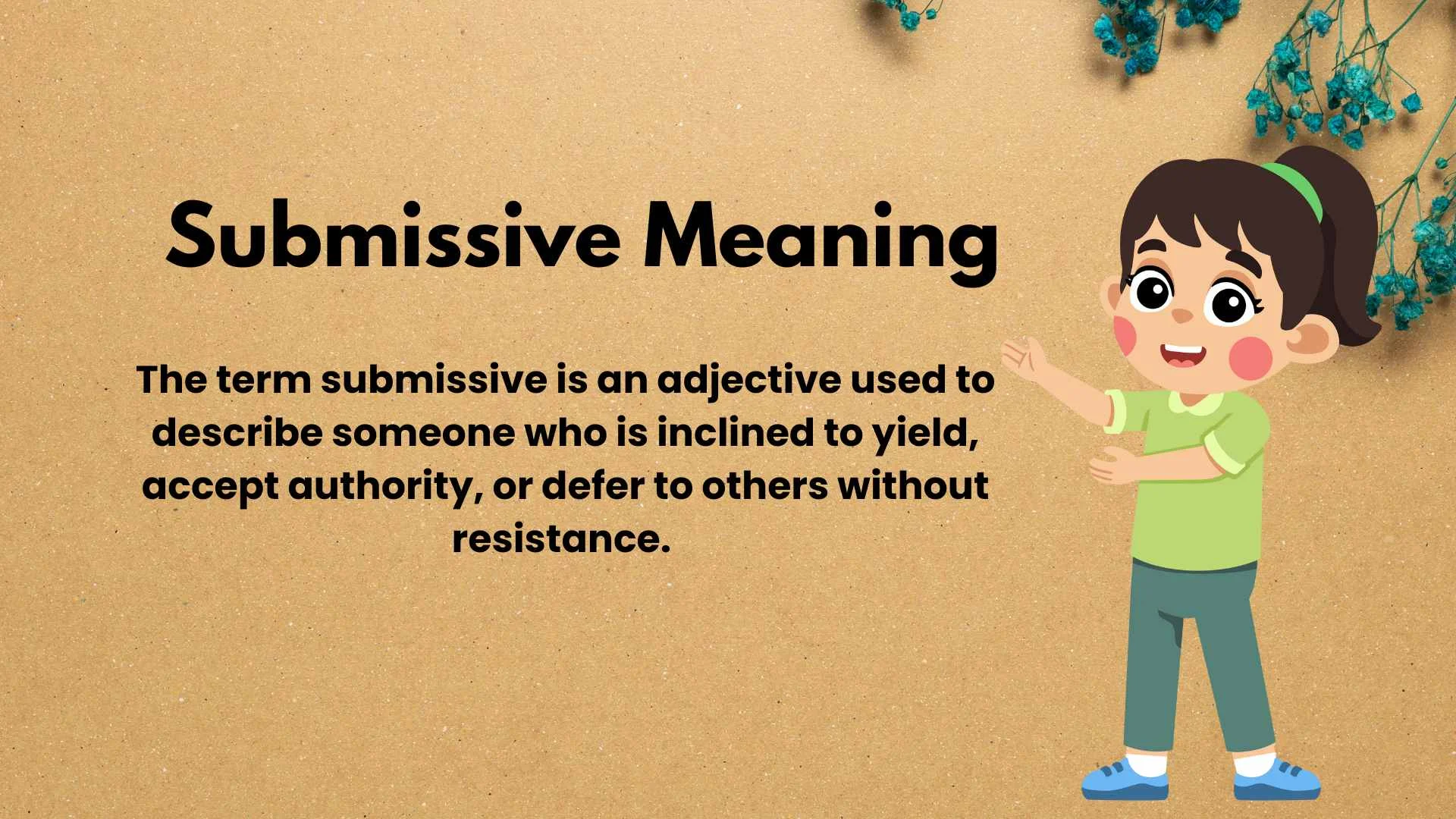
Being a submissive is a concept that has been shrouded in mystery and misconception for far too long. At its core, it is a voluntary surrender of control, a willingness to trust and follow the guidance of another. But what does this really mean, and why is it so often met with fear, judgment, and confusion? To understand the psychological roots of submission, we must first acknowledge that our brains are wired to respond to authority and control. From a young age, we are taught to obey rules, follow instructions, and respect those in positions of power. This innate desire for structure and guidance can manifest in various ways, including a desire to submit to someone else's will.
In modern times, the notion of submission has become increasingly relevant, particularly in the context of relationships and personal growth. As we strive for independence, self-reliance, and autonomy, we often neglect the importance of surrender, trust, and interdependence. Our brains react to the idea of submission because it challenges our deeply ingrained need for control and self-preservation. However, by embracing the concept of submission, we can tap into a deeper sense of connection, intimacy, and emotional release. By understanding the psychological aspects of submission, we can begin to unravel the complexities of this multifaceted concept and explore its potential for personal growth and transformation.
The Psychological Landscape of Submission
The cognitive biases associated with submission can also be significant. For example, the tendency to view submission as a sign of weakness or inferiority can be a major hurdle for those looking to explore this aspect of themselves. However, by recognizing and challenging these biases, we can begin to see submission in a new light – as a sign of strength, courage, and self-awareness. Take the case of someone who has always been driven to succeed, striving for perfection and control in every aspect of their life. For this individual, the idea of submission may be seen as a threat to their sense of identity and self-worth, highlighting the need to reframe submission as a positive and empowering experience.
Moreover, the mental hurdles associated with submission can be significant. The fear of being judged, the fear of being rejected, or the fear of being inadequate can all contribute to a deep-seated resistance to the idea of submission. However, by acknowledging and working through these fears, we can begin to develop a more authentic and wholehearted approach to submission. Consider the scenario of a person who is struggling to come to terms with their own desires and needs, feeling ashamed or guilty about their submissive tendencies. For this individual, the journey of self-discovery and acceptance is crucial, as it allows them to integrate their submissive side into their sense of self and develop a more compassionate and empathetic relationship with themselves.
Cultivating a Submissive Mindset
To embark on the journey of submission, it is essential to develop a growth mindset, one that is open to learning, exploration, and self-discovery. This involves cultivating a sense of curiosity, humility, and willingness to take risks. By embracing this mindset, we can begin to see submission as an opportunity for growth, rather than a threat to our ego or sense of control. For instance, we can start by practicing self-reflection, taking time to explore our thoughts, feelings, and desires. This can involve journaling, meditation, or talking to a trusted friend or therapist.

Another crucial aspect of cultivating a submissive mindset is developing emotional intelligence. This involves recognizing and understanding our emotions, as well as those of others. By developing emotional intelligence, we can become more attuned to the needs and desires of our partners, and more empathetic in our relationships. Consider the scenario of a person who is struggling to communicate their needs and desires to their partner. By developing emotional intelligence, this individual can learn to express themselves more effectively, leading to deeper connection and intimacy in their relationship.
In addition to these strategies, it is also essential to establish clear boundaries and communicate our needs and desires clearly. This involves being honest and open with our partners, and being willing to negotiate and compromise. By establishing clear boundaries, we can create a safe and consensual environment for exploration and growth. For example, we can start by discussing our limits and desires with our partner, and establishing a clear understanding of what we are and are not comfortable with.
Finally, cultivating a submissive mindset involves embracing self-care and prioritizing our own needs and well-being. This involves taking time for ourselves, engaging in activities that bring us joy and relaxation, and seeking support when we need it. By prioritizing self-care, we can develop a more positive and compassionate relationship with ourselves, and become more resilient in the face of challenges and setbacks. Consider the scenario of a person who is struggling to balance their submissive desires with their need for autonomy and independence. By prioritizing self-care, this individual can learn to navigate these competing desires, and develop a more integrated and wholehearted sense of self.
Frequently Asked Questions
What is the difference between submission and surrender?
The distinction between submission and surrender is a crucial one, as it highlights the complexities and nuances of these concepts. Submission involves a voluntary surrender of control, whereas surrender implies a more passive or involuntary relinquishing of power. To illustrate this difference, consider the scenario of a person who is struggling to let go of control in their relationship. While they may be willing to submit to their partner's guidance, they may not be ready to surrender their need for control altogether. By understanding the distinction between these concepts, we can develop a more nuanced and informed approach to submission and surrender.

In practice, this means being aware of our own boundaries and limitations, and communicating them clearly to our partners. It also involves being open to feedback and guidance, while maintaining a sense of autonomy and agency. By navigating the complexities of submission and surrender, we can develop a more empowered and authentic approach to our relationships, one that honors our own needs and desires while also acknowledging the needs and desires of our partners.
How do I know if I am ready to explore submission?
Knowing whether or not we are ready to explore submission involves a deep level of self-awareness and introspection. It requires us to examine our motivations, desires, and boundaries, and to consider what we hope to gain from the experience. To illustrate this, consider the scenario of a person who is struggling to come to terms with their own desires and needs. By taking the time to reflect on their motivations and boundaries, this individual can develop a more informed and empowered approach to submission, one that honors their own needs and desires while also acknowledging the needs and desires of their partners.
In practice, this means being honest with ourselves about our desires and limitations, and being willing to communicate them clearly to our partners. It also involves being open to feedback and guidance, while maintaining a sense of autonomy and agency. By developing a deeper understanding of ourselves and our needs, we can cultivate a more wholehearted and consensual approach to submission, one that prioritizes mutual respect, trust, and communication.

Can submission be a positive and empowering experience?
Submission can indeed be a positive and empowering experience, particularly when approached with a growth mindset and a willingness to learn and grow. By embracing submission as a means of personal growth and development, we can cultivate a deeper sense of self-awareness, emotional intelligence, and resilience. To illustrate this, consider the scenario of a person who is struggling to develop a sense of trust and intimacy in their relationship. By exploring submission in a safe and consensual environment, this individual can learn to let go of their need for control and develop a deeper sense of connection and empathy with their partner.
In practice, this means being open to new experiences and challenges, and being willing to take risks and step outside our comfort zones. It also involves developing a sense of curiosity and humility, and being willing to learn from our mistakes and setbacks. By embracing submission as a means of personal growth and development, we can cultivate a more wholehearted and authentic approach to our relationships, one that prioritizes mutual respect, trust, and communication.
How do I communicate my submissive desires to my partner?
Communicating our submissive desires to our partner involves a deep level of emotional intelligence and communication skills. It requires us to be honest and open about our needs and desires, while also being respectful of our partner's boundaries and limitations. To illustrate this, consider the scenario of a person who is struggling to express their submissive desires to their partner. By developing a sense of self-awareness and emotional intelligence, this individual can learn to communicate their needs and desires in a clear and respectful manner, leading to a deeper sense of connection and intimacy in their relationship.
In practice, this means being willing to have open and honest conversations with our partner, and being receptive to their feedback and guidance. It also involves being patient and understanding, and being willing to navigate the complexities and challenges of communication in a relationship. By developing a more nuanced and informed approach to communication, we can cultivate a more wholehearted and consensual approach to submission, one that prioritizes mutual respect, trust, and communication.

Can submission be a part of a healthy and fulfilling relationship?
Submission can indeed be a part of a healthy and fulfilling relationship, particularly when approached with a growth mindset and a willingness to learn and grow. By embracing submission as a means of personal growth and development, we can cultivate a deeper sense of self-awareness, emotional intelligence, and resilience. To illustrate this, consider the scenario of a person who is struggling to develop a sense of trust and intimacy in their relationship. By exploring submission in a safe and consensual environment, this individual can learn to let go of their need for control and develop a deeper sense of connection and empathy with their partner.
In practice, this means being open to new experiences and challenges, and being willing to take risks and step outside our comfort zones. It also involves developing a sense of curiosity and humility, and being willing to learn from our mistakes and setbacks. By embracing submission as a means of personal growth and development, we can cultivate a more wholehearted and authentic approach to our relationships, one that prioritizes mutual respect, trust, and communication.
As we reflect on the journey of submission, it becomes clear that mastering this concept can lead to a more balanced and wholehearted human experience. By embracing submission as a means of personal growth and development, we can cultivate a deeper sense of self-awareness, emotional intelligence, and resilience. We can develop a more nuanced and informed approach to our relationships, one that prioritizes mutual respect, trust, and communication. And we can learn to navigate the complexities and challenges of submission with greater ease and confidence, leading to a more fulfilling and empowering experience of life.
Ultimately, the journey of submission is a deeply personal and transformative one, offering us the opportunity to grow, learn, and evolve in profound ways. By embracing this journey with an open and curious mind, we can tap into the depths of our own potential, and develop a more wholehearted and authentic approach to life. As we navigate the twists and turns of this journey, we can discover new aspects of ourselves, develop a deeper sense of connection and empathy with others, and cultivate a more resilient and compassionate sense of self.