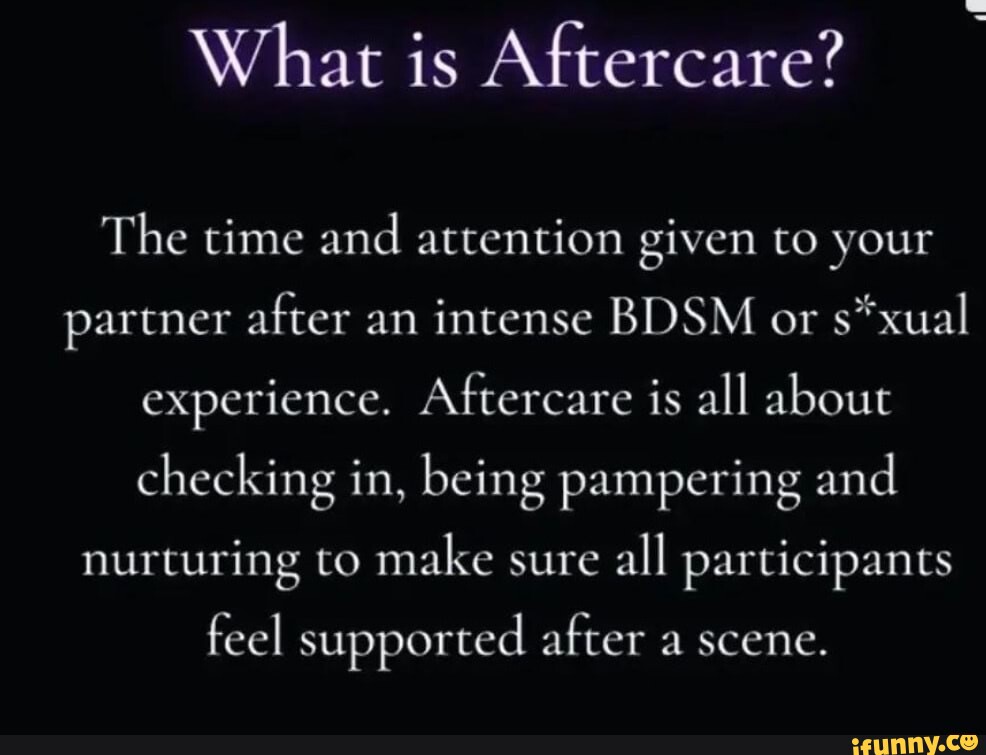
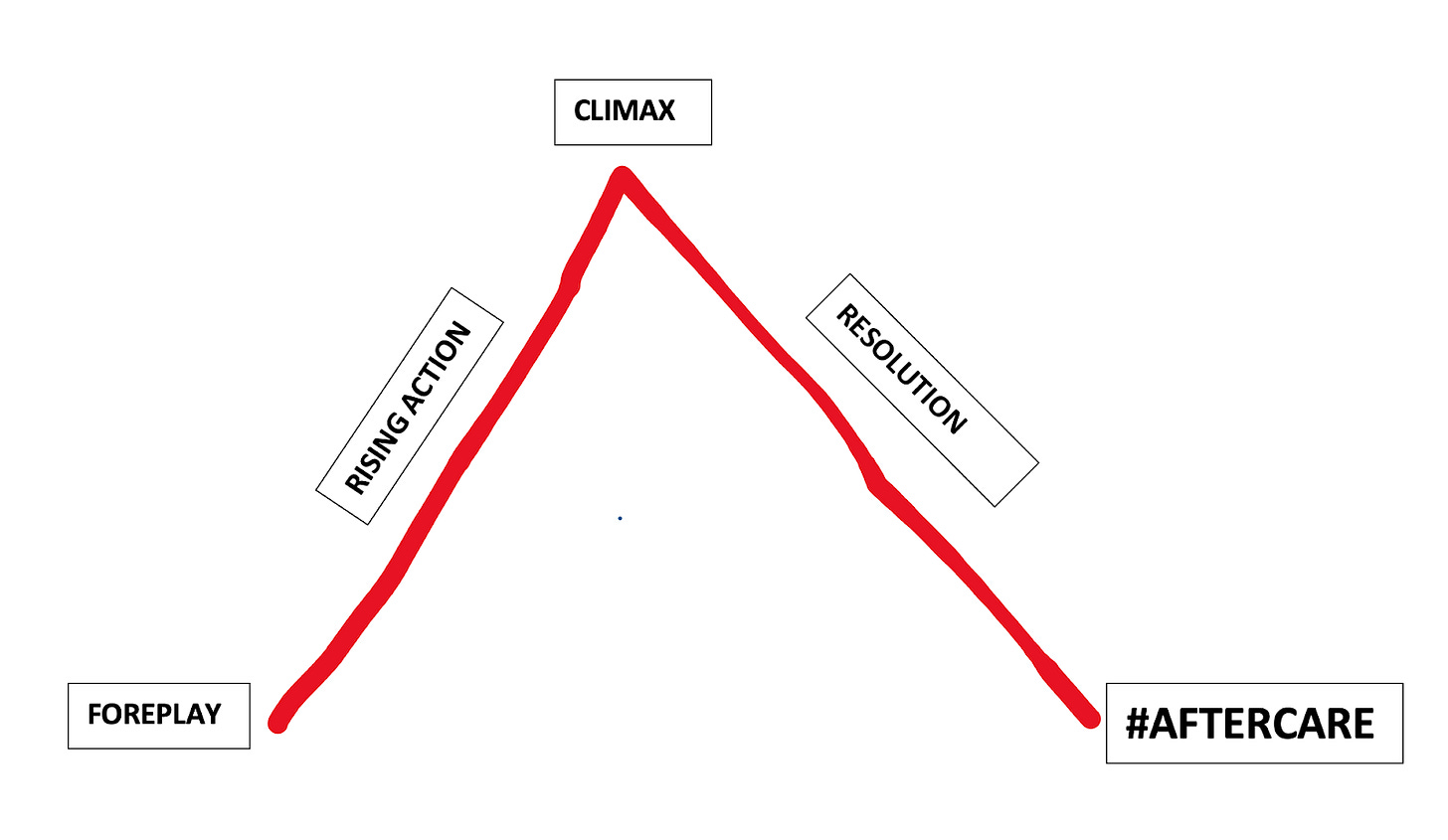
What Does Aftercare Mean Sexually

When it comes to intimacy and sexual well-being, people often focus on the act itself, but a crucial aspect that's gaining attention is aftercare. This concept has been around for a while, especially in the context of BDSM and kink communities, but its importance extends to all types of intimate relationships. By prioritizing aftercare, individuals can enhance their overall emotional and physical connection with their partners.
The benefits of aftercare are numerous, and its purpose serves to foster a sense of trust and safety in a relationship. By showing care and attention after intimacy, partners can reassure each other of their love and affection, helping to strengthen their bond. This, in turn, can lead to a more fulfilling and satisfying relationship in the long run.
Common examples of aftercare include cuddling, open communication, and physical touch, such as holding hands or giving gentle massages. These acts may seem simple, but they can have a significant impact on a person's emotional state and overall well-being. By incorporating aftercare into their daily lives, individuals can experience a deeper sense of connection and intimacy with their partners.
To enjoy aftercare more effectively, it's essential to communicate openly with your partner about your needs and desires. This can involve discussing what types of aftercare you find most comforting or enjoyable, such as receiving affection or engaging in relaxing activities together. By doing so, you can create a personalized aftercare routine that suits your unique needs and preferences.
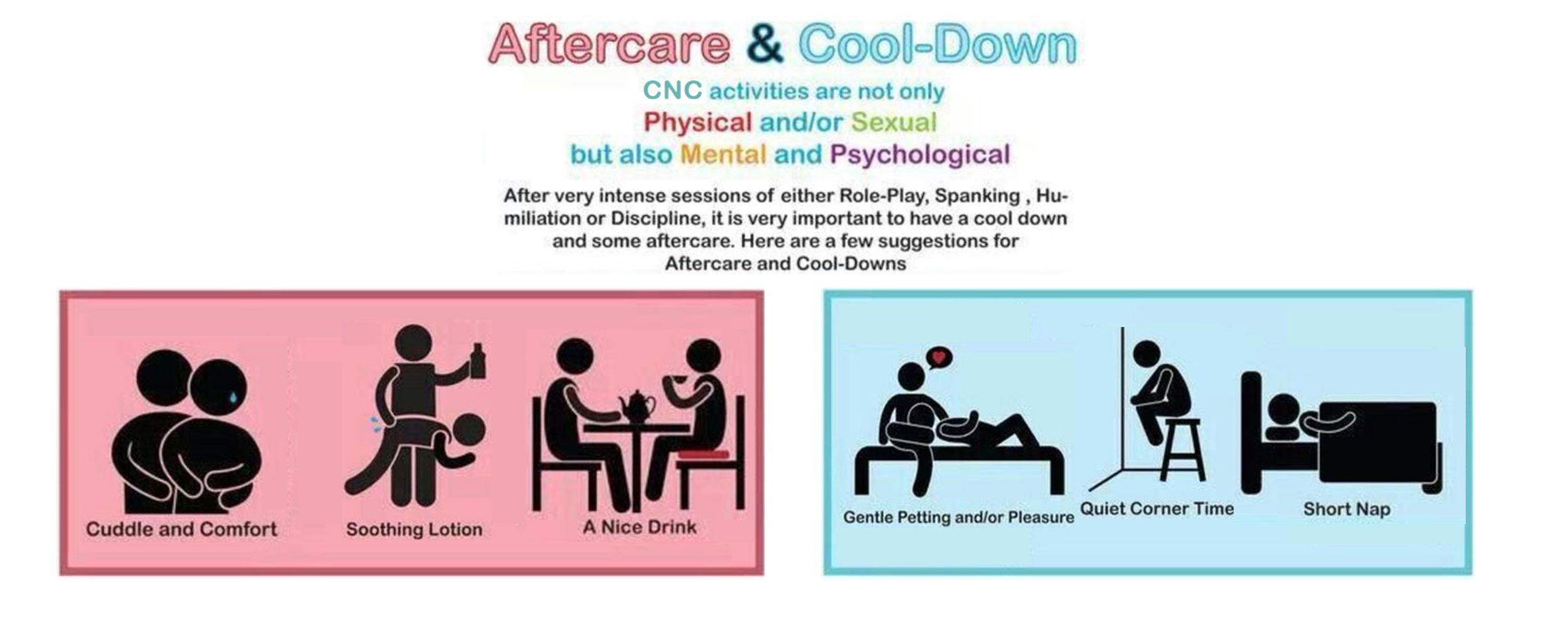
Practical tips for enjoying aftercare include setting aside dedicated time for intimacy and aftercare, creating a cozy and comfortable environment, and focusing on the present moment. By being mindful and fully engaged in the aftercare process, individuals can deepen their emotional connection with their partners and cultivate a greater sense of trust and understanding. This, in turn, can lead to a more fulfilling and satisfying relationship.
In addition to its emotional benefits, aftercare can also have a positive impact on physical health and well-being. By reducing stress and anxiety and promoting relaxation and calmness, aftercare can help individuals regulate their emotions and maintain a healthy work-life balance. This can be especially important in today's fast-paced world, where self-care and stress management are essential for overall well-being.

Furthermore, aftercare can be a powerful tool for building resilience and managing trauma. By providing a sense of safety and security, aftercare can help individuals process their emotions and develop coping strategies for dealing with challenging situations. This can be especially important for those who have experienced trauma or adversity, as it can provide a sense of healing and recovery.
In conclusion, aftercare is a vital aspect of any intimate relationship, and its benefits extend far beyond the physical act of intimacy itself. By prioritizing aftercare and communicating openly with your partner, you can deepen your emotional connection and cultivate a more fulfilling relationship. Remember to be patient and flexible, and don't be afraid to experiment and try new things – with time and practice, you can develop a personalized aftercare routine that brings you and your partner even closer together.