What Can And Can't You Bring In A Carry On

The concept of carrying personal items on a journey is as old as human civilization itself. From the ancient Egyptians carrying sacred objects to the nomadic tribes transporting their entire livelihood on camels, the idea of packing essentials for a trip has been an integral part of human travel. The modern concept of a carry-on bag, however, has a more recent history. It was in the 1950s that the first commercial airliners introduced the concept of carrying a small bag on board, and since then, the rules and regulations surrounding carry-on bags have evolved significantly.
In the early days of air travel, passengers were allowed to carry relatively large bags on board, and there were few restrictions on what could be brought. However, as air travel became more popular and security concerns grew, airlines and regulatory bodies began to introduce stricter rules. By the 1980s, the first baggage size restrictions were introduced, and passengers were required to store their carry-on bags in the overhead compartments or under the seat in front of them.
Despite these restrictions, the 1990s saw a proliferation of carry-on bags of all shapes and sizes. Passengers would often try to sneak oversized bags on board, and airlines would struggle to enforce the rules. It wasn't until the 9/11 attacks in 2001 that security concerns led to a significant overhaul of carry-on bag regulations. Suddenly, items like scissors, knives, and liquids over a certain size were strictly prohibited, and the Transportation Security Administration (TSA) was established to oversee aviation security.
Must Read
A Brief History of Carry-On Bags
The evolution of carry-on bags has been shaped by a combination of technological advancements, changing passenger needs, and shifting security concerns. In the 1950s and 1960s, carry-on bags were often small, stylish suitcases or hatboxes. As air travel became more accessible, the 1970s and 1980s saw the introduction of larger, more practical bags with multiple compartments and pockets. The 1990s and 2000s were marked by the rise of wheeled bags and backpacks, which made it easier for passengers to navigate airports and aircraft.
One of the most significant transformations in the history of carry-on bags was the introduction of the 3-1-1 liquids rule in 2006. This rule, which restricted the size of liquids, gels, and aerosols in carry-on bags, led to a surge in the popularity of travel-sized toiletries and the development of new packaging technologies. Another major milestone was the introduction of electronic device restrictions in 2017, which banned laptops and tablets from being carried in the cabin on certain flights.
Despite these changes, some vintage facts about carry-on bags have been all but forgotten. For example, did you know that in the 1960s, some airlines allowed passengers to carry small pets, like birds or rabbits, in the cabin? Or that in the 1970s, it was common for passengers to bring their own food and drink on board, including items like sandwiches, fruit, and even Thermos flasks?
The treatment of carry-on bags has also been marked by some bizarre incidents over the years. Who could forget the great laptop ban of 2017, which sparked widespread confusion and frustration among travelers? Or the TSA's infamous decision to restrict the carrying of Snow Globes in 2007, which was later reversed due to public outcry?
Modernizing the Art of Carry-On
In today's fast-paced world, the classic principles of carry-on bags are being hacked and modernized in innovative ways. With the rise of smart luggage and IoT-enabled bags, passengers can now track their bags in real-time, receive notifications when their bag is opened or moved, and even charge their devices on the go. The 2010s have also seen a surge in the popularity of carry-on backpacks and travel wallets, which are designed to be sleek, versatile, and secure.
:max_bytes(150000):strip_icc()/image-1-1-2000-eb5fdee489b6435c96102d40eced97c0.jpg)
Another area where classic principles are being modernized is in the realm of packaging and materials. With growing concerns about sustainability and environmental impact, manufacturers are now developing carry-on bags made from recycled materials, bioplastics, and even mushroom-based composites. These innovative materials are not only more eco-friendly but also often lighter, stronger, and more durable than traditional materials.
Frequently Asked Questions
What are the current restrictions on carrying liquids, gels, and aerosols in carry-on bags?
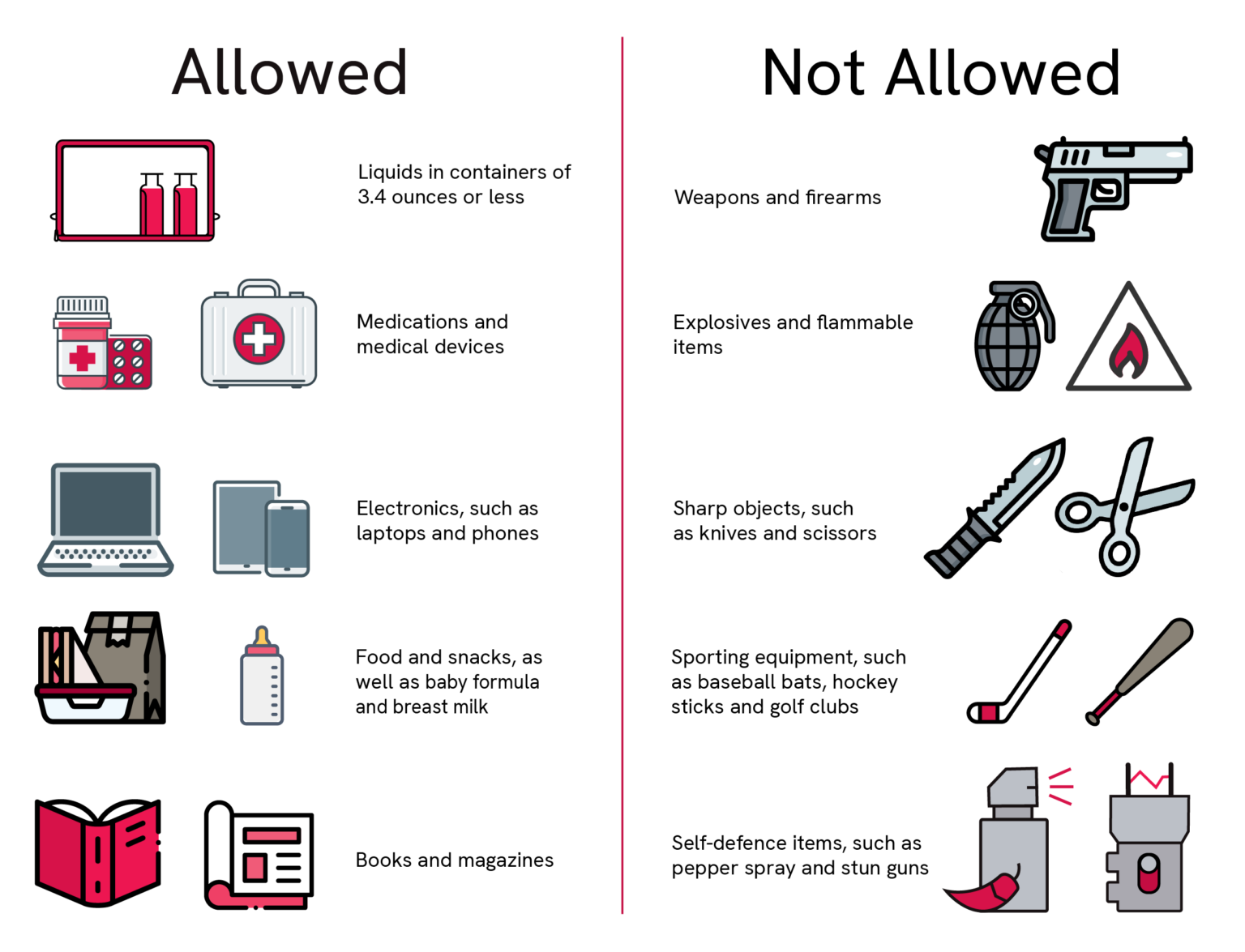
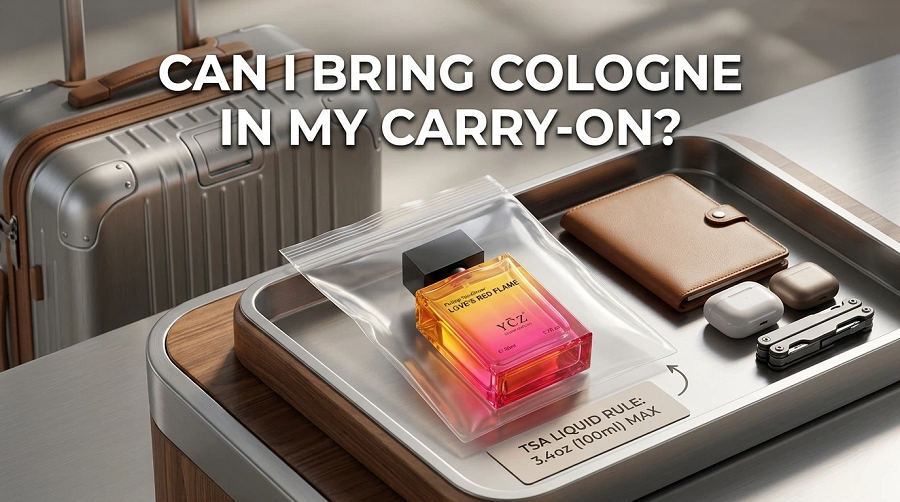
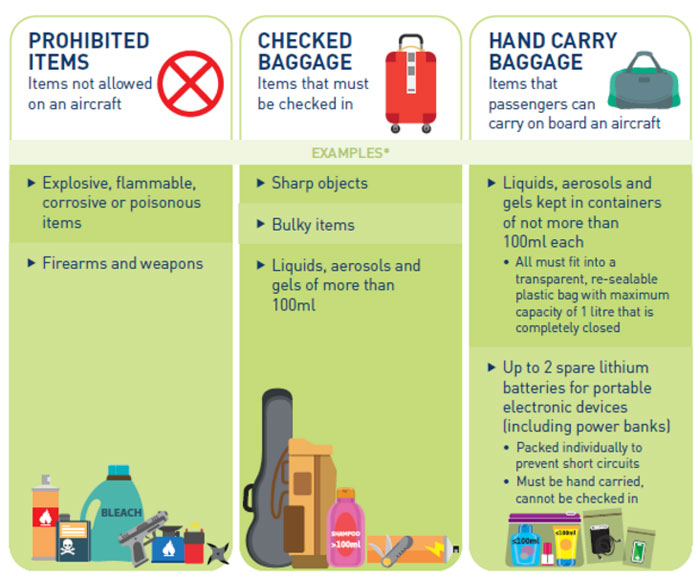
The current restrictions on carrying liquids, gels, and aerosols in carry-on bags are governed by the 3-1-1 rule, which was introduced in 2006. This rule states that passengers can carry liquids, gels, and aerosols in containers of 3.4 ounces (100 milliliters) or less, as long as they fit in a clear, quart-sized zip-top bag. However, there are some exceptions to this rule, such as medications, baby formula, and breast milk, which are allowed in reasonable quantities.
It's worth noting that these restrictions have been in place for over a decade, and they have had a significant impact on the way passengers pack their carry-on bags. In the early days, there was a lot of confusion and frustration about the new rules, but over time, passengers have adapted and found ways to work within the restrictions. Today, it's common to see passengers carrying travel-sized toiletries and using packing cubes to organize their luggage.
Can I bring my laptop or tablet in my carry-on bag?
The rules surrounding electronic devices in carry-on bags have changed significantly over the years. In 2017, the electronic device ban was introduced, which prohibited laptops and tablets from being carried in the cabin on certain flights. However, this ban was later lifted, and today, passengers are generally allowed to carry their laptops and tablets in their carry-on bags.
However, there are still some restrictions and guidelines to be aware of. For example, passengers may be required to remove their electronic devices from their carry-on bags and place them in a bin for X-ray screening. Additionally, some airlines may have specific rules or restrictions on the use of electronic devices during flight, so it's always a good idea to check with the airline before your trip.
What are the best ways to pack my carry-on bag to avoid delays and hassles at security checkpoints?
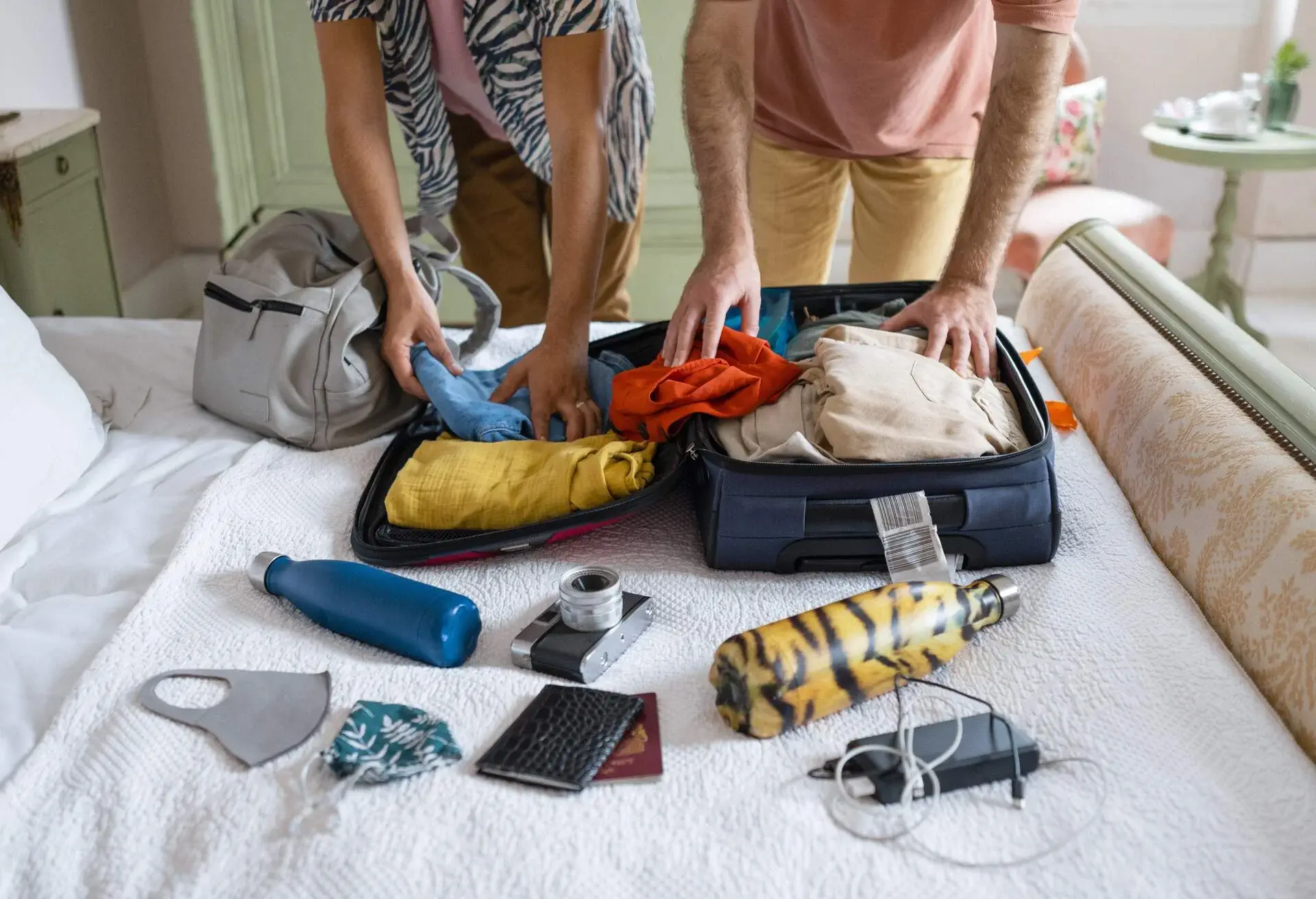
Packing your carry-on bag strategically can make a big difference in your travel experience. One of the best ways to avoid delays and hassles at security checkpoints is to use a carry-on bag with a dedicated laptop sleeve and to pack your liquids, gels, and aerosols in a clear, quart-sized zip-top bag. This will make it easier to remove these items from your bag and place them in a bin for X-ray screening.

Another tip is to wear your heaviest or bulkiest items, such as your coat or boots, to avoid having to pack them in your carry-on bag. This will not only save space but also reduce the weight of your bag and make it easier to maneuver. Finally, be sure to keep your valuables and essentials, such as your passport, phone, and medication, in an easily accessible pocket or compartment, so you can quickly retrieve them if needed.
As we look to the future, it's clear that the world of carry-on bags will continue to evolve and adapt to changing passenger needs and technological advancements. In the next 20 years, we can expect to see even more innovative materials, designs, and features that will make traveling with a carry-on bag easier, more efficient, and more enjoyable. From smart luggage and IoT-enabled bags to sustainable materials and biometric security, the possibilities are endless, and it will be exciting to see how the industry responds to these challenges and opportunities.
One thing is certain, however: the humble carry-on bag will remain an essential part of the travel experience, a trusted companion that accompanies us on our journeys and helps us navigate the complexities of modern air travel. Whether we're traveling for business or pleasure, the carry-on bag will continue to play a vital role in our adventures, and its evolution will be shaped by our needs, our values, and our imagination. As we embark on this next chapter in the history of carry-on bags, it's worth reflecting on the past, embracing the present, and looking forward to a future that is full of possibilities and promise.