
What Are The Weight Restrictions For Luggage
I still remember the time I tried to cram an entire month's worth of clothes into a single suitcase, only to be left standing at the check-in counter, sweating and panicked, as the airline staff told me my luggage was way over the weight limit. I mean, who needs that kind of stress, right? It was a hard lesson to learn, but it taught me the importance of knowing the weight restrictions for luggage before heading to the airport.
So, if you're anything like me, you're probably wondering what these weight restrictions are and how they vary from airline to airline. Well, buckle up (or should I say, buckle in?) because we're about to dive into the world of luggage weight limits. From checked bags to carry-ons, we'll cover it all.
Understanding Weight Restrictions
First things first, let's talk about why weight restrictions even exist in the first place. It's not just about the airlines being picky; it's actually a matter of safety and logistics. You see, when luggage gets too heavy, it can pose a risk to the plane's balance and stability, not to mention the poor souls who have to handle it (i.e., the airport staff).
Now, I know what you're thinking: "But what about all the extra fees I have to pay for overweight luggage?" Yeah, those can add up quickly, and it's no fun shelling out extra cash just because you couldn't resist packing that one extra pair of shoes. So, to avoid all that drama, it's essential to know the weight limits for your airline.
Weight Limits for Checked Bags
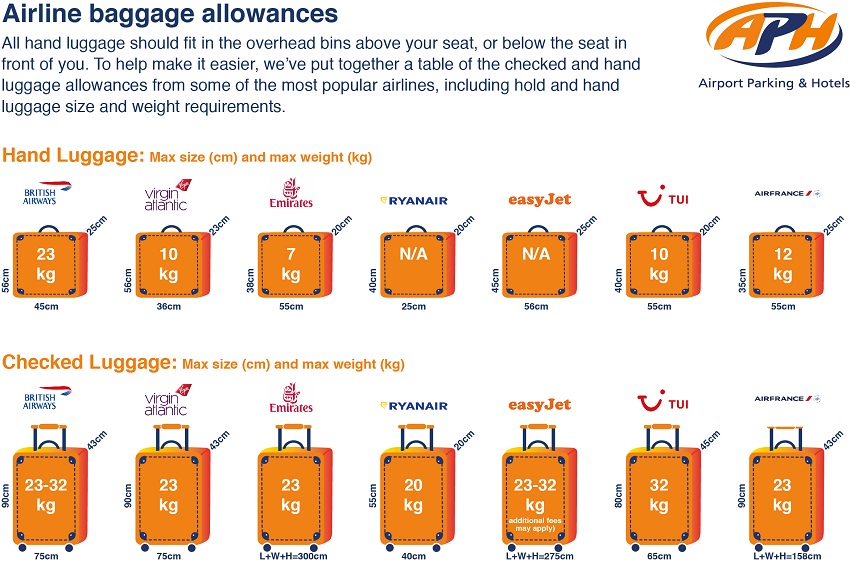
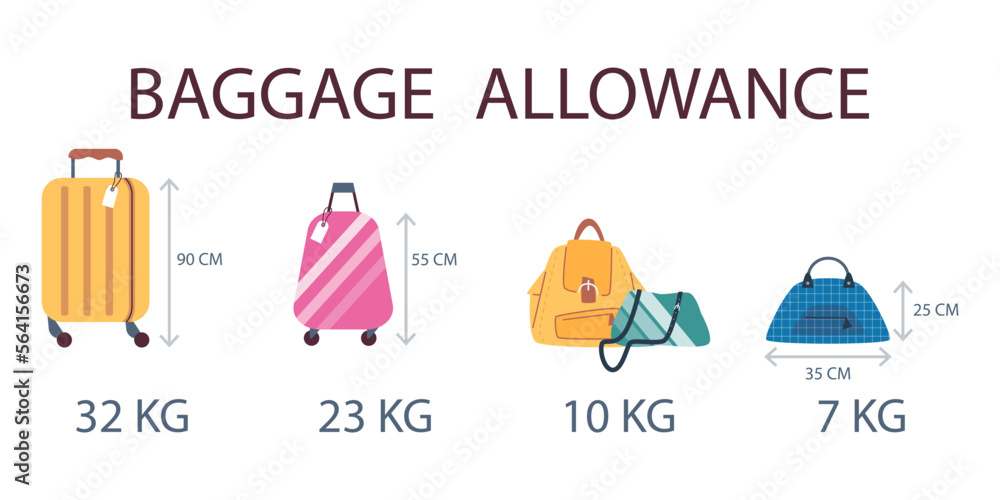
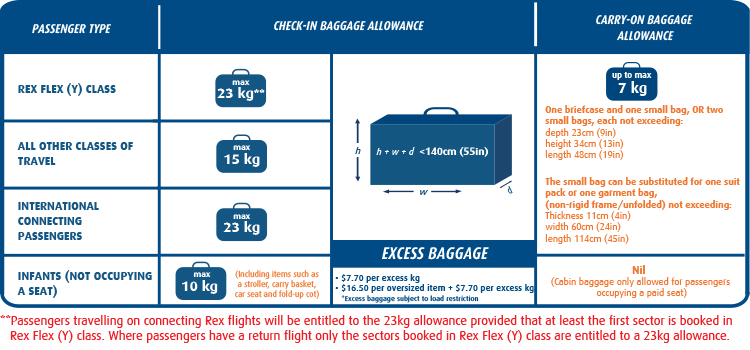
Generally speaking, the weight limit for checked bags is around 50 pounds (23 kilograms), but this can vary depending on the airline and the type of ticket you've purchased. Some airlines, like budget carriers, might have even stricter weight limits, so it's crucial to check with your airline before packing. And, trust me, you don't want to be that person who gets caught off guard at the airport.
For example, American Airlines has a weight limit of 50 pounds for checked bags, while Delta Air Lines allows up to 70 pounds (32 kilograms) for certain types of tickets. It's all about doing your research and being prepared, folks. Don't say I didn't warn you!
Weight Limits for Carry-Ons
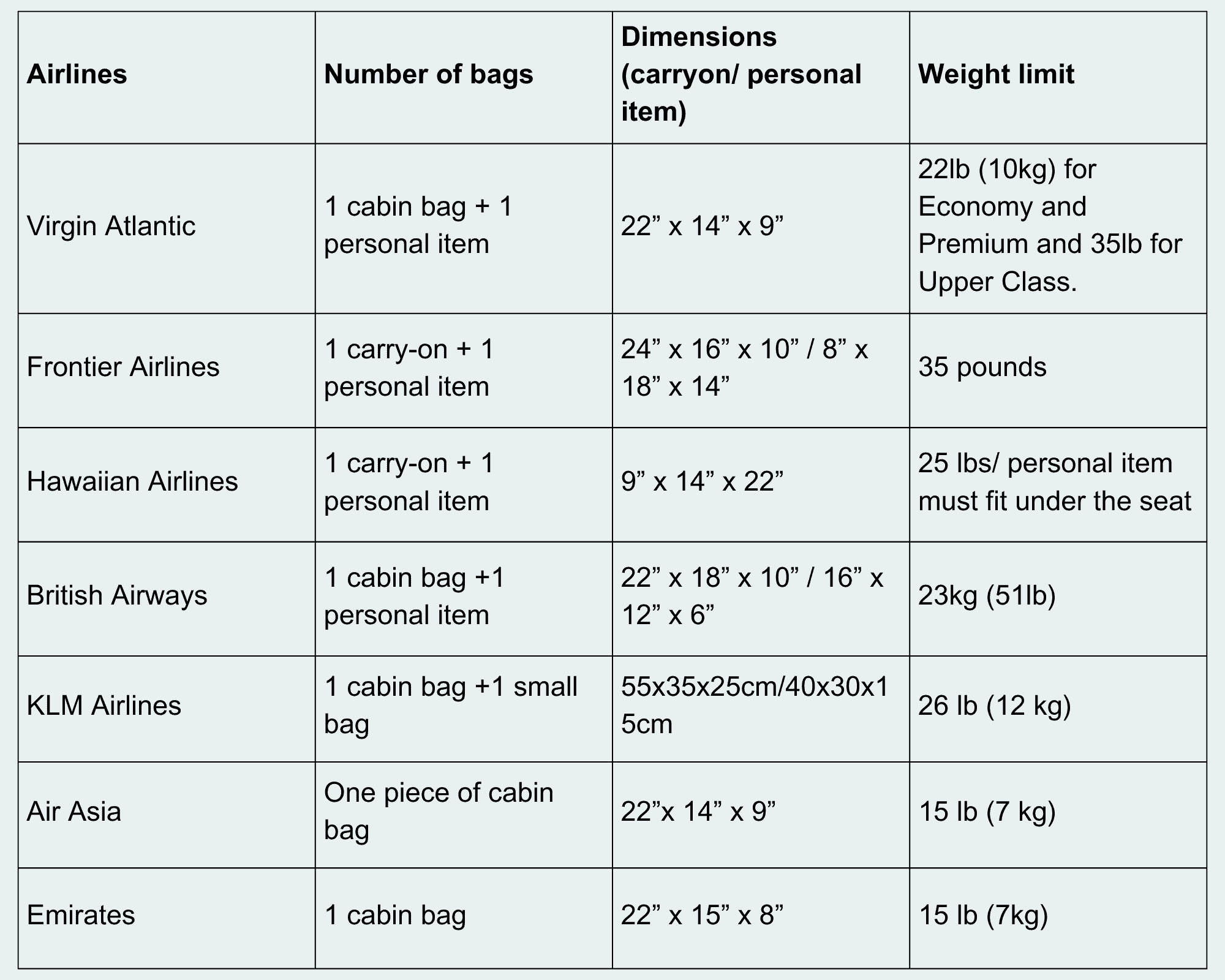
Now, when it comes to carry-on bags, the rules are a bit different. While there aren't always strict weight limits, there are usually size restrictions in place to ensure your bag fits neatly in the overhead bin. But, some airlines do have weight limits for carry-ons, typically around 20-30 pounds (9-14 kilograms).
It's worth noting that some airlines, like Spirit Airlines, charge extra for carry-ons that are too big or too heavy. So, if you're planning to bring a large carry-on, be sure to check with your airline first to avoid any unexpected fees. You've been warned!
International Flights
When it comes to international flights, weight restrictions can get even more complicated. Some airlines have different weight limits for international flights, and you might need to pay extra for excess baggage. For instance, Emirates has a weight limit of 50 pounds for checked bags on most international flights, but this can vary depending on your destination and ticket type.

So, before you start packing for your big trip abroad, make sure to check with your airline for their specific weight restrictions and fees. You don't want to get caught off guard with a surprise bill when you arrive at the airport. Been there, done that, got the t-shirt (which, ironically, I had to pay extra to check).
In conclusion, understanding the weight restrictions for luggage is crucial to avoiding extra fees and ensuring a smooth journey. By doing your research and packing smart, you can avoid all the drama and stress that comes with overweight luggage. Happy travels, and don't forget to pack light!
And, as a final side note, if you're wondering what to do with all the extra cash you'll save by avoiding overweight luggage fees, well, I say treat yourself to a nice duty-free shopping spree or a comfortable airport lounge experience. You deserve it, and your wallet (and back) will thank you.


:max_bytes(150000):strip_icc()/TAL-illustrated-chart-CARRYSIZE0325-35ad53e34fe94833b370f432af602978.jpg)