What Are People With Both Sexual Organs Called
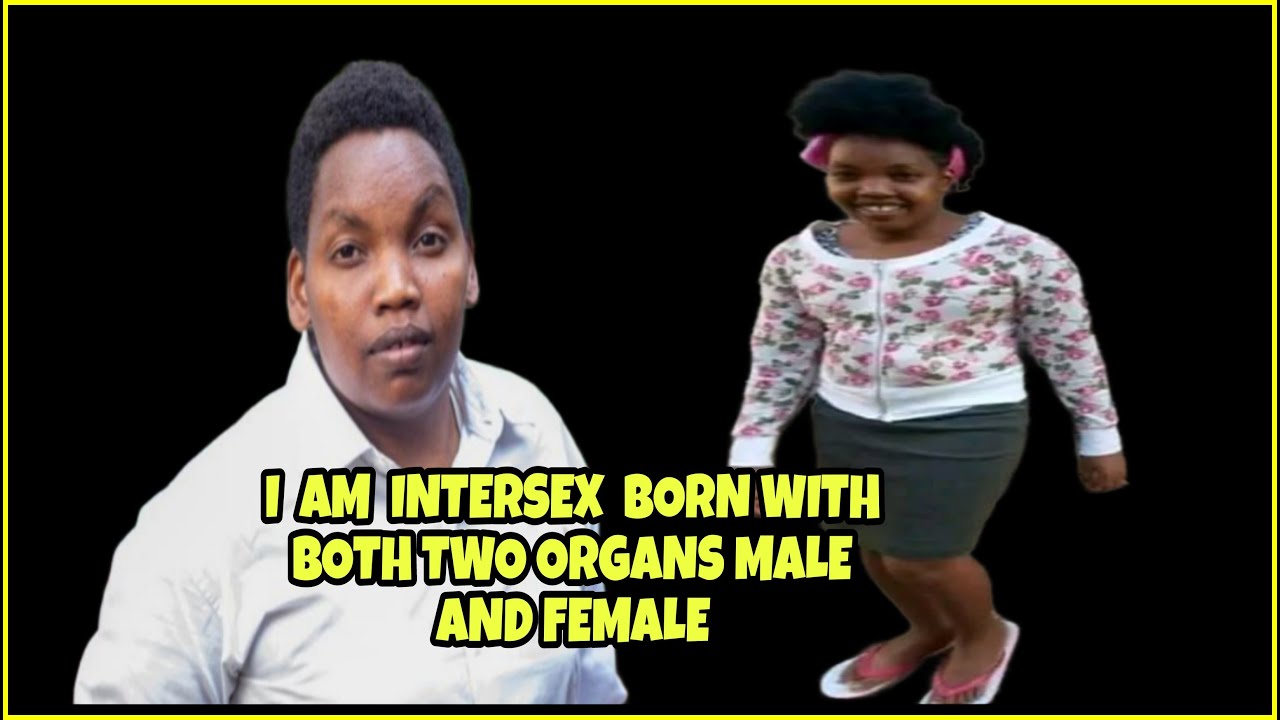
When we consider the complexities of human biology, one aspect that often sparks curiosity and sometimes confusion is the existence of individuals with both sexual organs. This phenomenon, while rare, sheds light on the intricate and varied nature of human development and genetics. To approach this topic, it's essential to understand the basic science behind human sexual development, which is governed by a complex interplay of genetic, hormonal, and environmental factors. The terms hermaphroditism or intersex are often used, though the latter is now preferred as it encompasses a broader range of conditions beyond just the presence of both male and female reproductive organs.
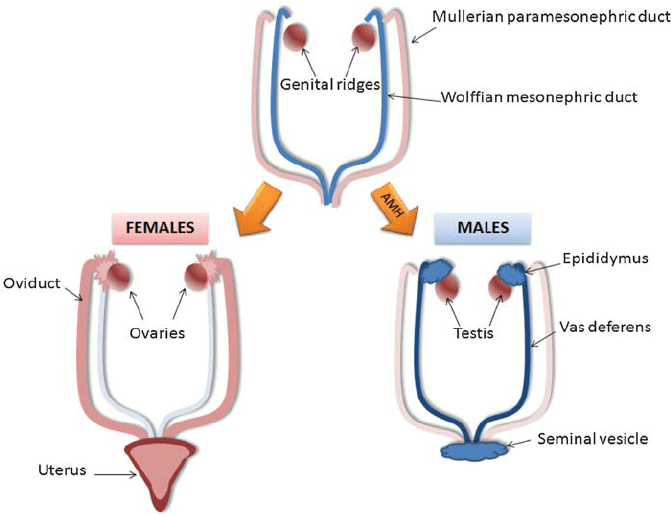
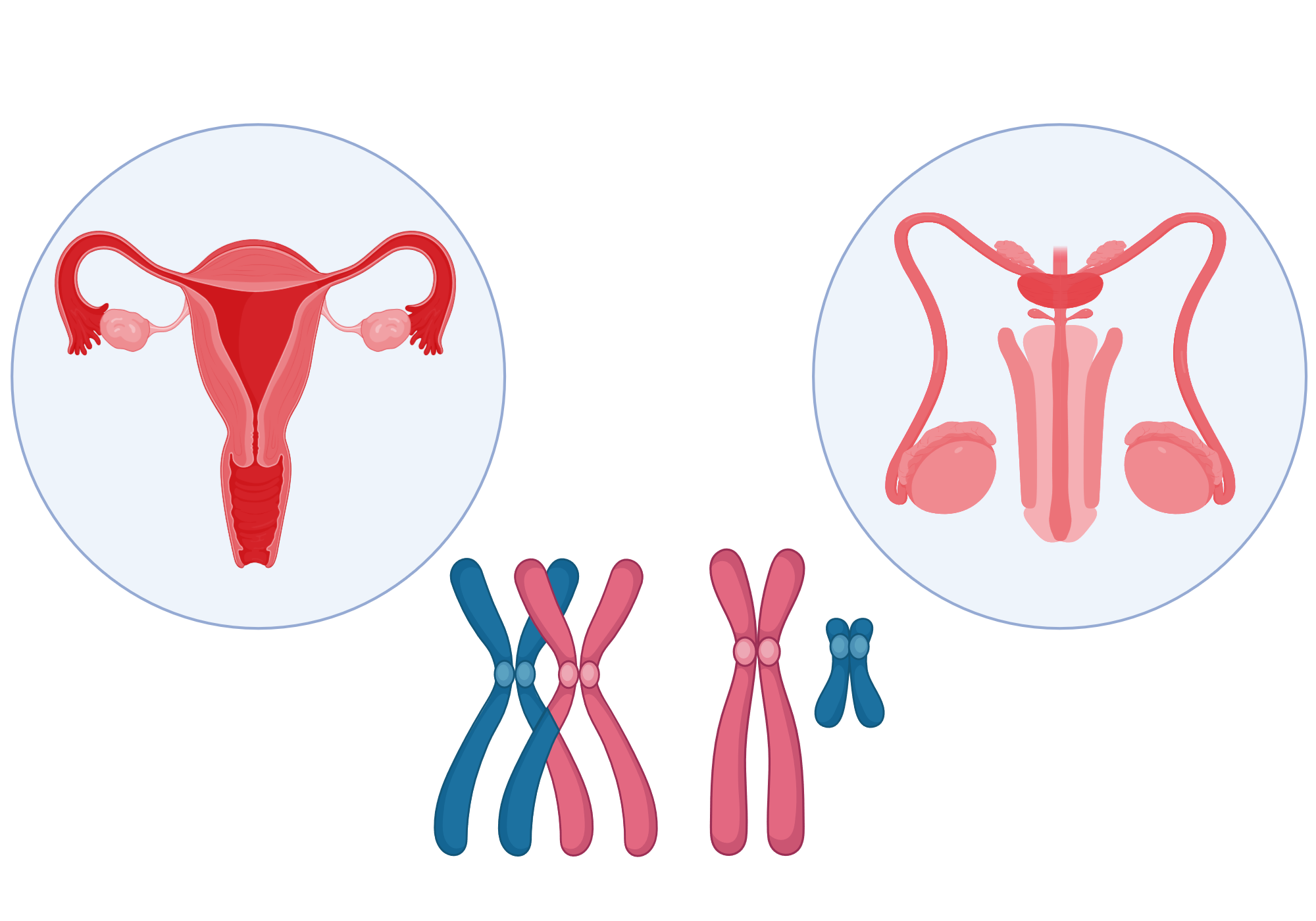
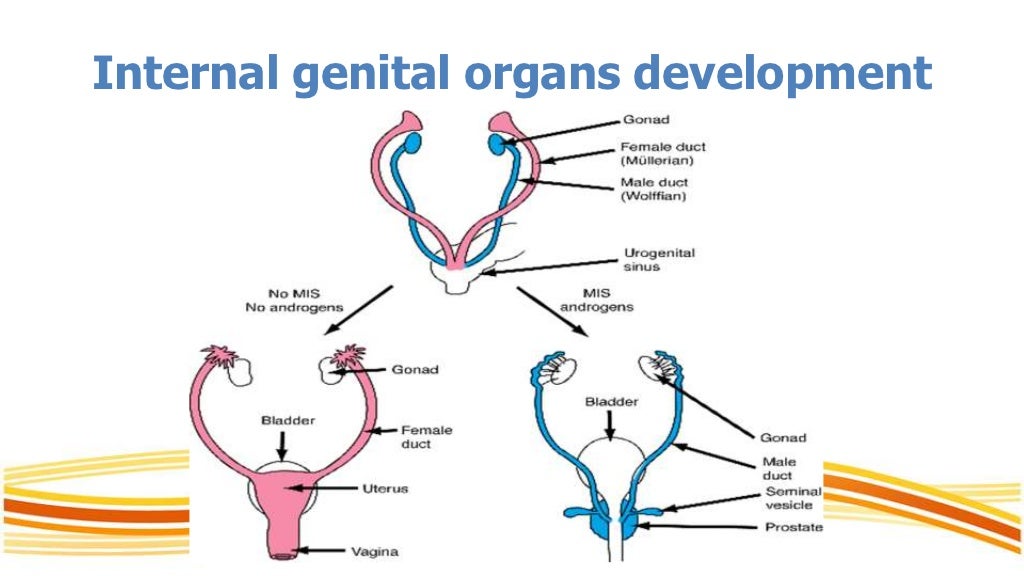
At the core of this topic is the understanding of how genetic and hormonal signals influence the development of sexual characteristics during embryonic development. Typically, the presence of a Y chromosome triggers the development of testes, which then produce androgens that lead to the formation of male genitalia and secondary sexual characteristics. Conversely, the absence of a Y chromosome results in the development of ovaries, leading to female characteristics. However, in cases where there's an aberration in this process, such as mosaicism (where cells within the same person have different genetic makeup) or chimerism (where two fertilized eggs fuse), individuals might develop with both male and female sexual organs.
This biological phenomenon highlights the diversity of human development and challenges traditional binary views of sex and gender. The science underlying intersex conditions not only fascinates from a biological standpoint but also underscores the importance of understanding, acceptance, and inclusivity in our societies. By recognizing the Spectrum of Sex, we move towards a more compassionate and informed approach to human diversity, emphasizing that biological variations are a natural part of the human experience.
Must Read
Biological and Systemic Reactions
Diving deeper into the biology of intersex individuals, it's crucial to understand the gonadal dysgenesis, where the gonads (ovaries or testes) do not develop normally, leading to variations in sexual development. Other conditions include androgen insensitivity syndrome, where an individual with XY chromosomes (genetically male) is resistant to male hormones, and thus develops female secondary sexual characteristics despite having testes. The complexity of these conditions illustrates the multifaceted nature of human sexual development and the importance of a nuanced understanding of biology and genetics.
From a chemical perspective, hormones play a critical role in the development and maintenance of sexual characteristics. Androgens and estrogens are key players, influencing everything from genital development to secondary sexual characteristics like voice pitch and body hair distribution. In intersex individuals, the balance and presence of these hormones can vary significantly, leading to a wide range of physical and developmental outcomes. Understanding these chemical signals and their effects on development can provide insights into the variability of human biology.
Systemically, the recognition and support of intersex individuals involve a multidisciplinary approach, including medical professionals, psychologists, and social workers. It's essential to provide care that respects the autonomy and dignity of the individual, focusing on their well-being and quality of life. This includes hormone therapy, genetic counseling, and psychological support tailored to the individual's specific needs and preferences, rather than adhering to a one-size-fits-all approach.
Practical Strategies for Understanding and Support
For individuals seeking to understand and support intersex people, education is a critical first step. This involves learning about the various conditions that fall under the intersex umbrella, as well as the unique challenges these individuals may face, such as discrimination and stigma. By fostering an environment of acceptance and inclusivity, we can work towards reducing the barriers to healthcare, legal recognition, and social acceptance that many intersex individuals encounter.
A practical strategy for advocacy includes supporting policies and laws that recognize and protect the rights of intersex individuals. This can involve lobbying for legal reforms that allow for a third gender option on official documents or advocating for healthcare policies that provide accessible, informed, and respectful care to intersex patients. Additionally, participating in and supporting intersex organizations can help amplify the voices and needs of the intersex community.
On a personal level, individuals can optimize their support by being allies to intersex friends, family, or community members. This means being open to learning from and listening to their experiences, avoiding assumptions or stereotypes, and standing up against intersexphobia and discrimination when encountered. Creating safe, inclusive spaces for intersex individuals to share their stories and feel valued is a powerful way to build a more supportive and respectful society.
For those within the intersex community, finding community and support is vital. This can involve connecting with intersex organizations, attending support groups, or engaging in online forums where individuals can share their experiences and find solidarity with others who understand their unique challenges and joys. By building a strong support network and advocating for oneself, intersex individuals can navigate the complexities of their conditions with greater ease and confidence.

Frequently Asked Questions
What Causes Intersex Conditions?
Intersex conditions are caused by a variety of factors, including genetic, hormonal, and environmental influences. In some cases, it may be due to chromosomal variations, such as Klinefelter syndrome (XXY) or Turner syndrome (X0), while in others, it could result from hormonal imbalances during pregnancy or genetic mutations affecting sexual development. Understanding the specific cause of an intersex condition can help in providing appropriate medical and psychological support.
The diagnosis of intersex conditions often involves a combination of physical examination, hormonal testing, and genetic analysis. For instance, karyotyping can reveal chromosomal anomalies, while hormone level tests can indicate imbalances in androgens or estrogens. A thorough and respectful diagnostic process is essential for developing an effective care plan that addresses the individual's specific needs and promotes their well-being.
How Common Are Intersex Conditions?
Estimating the prevalence of intersex conditions can be challenging due to variations in definitions and the fact that many cases may go unreported or misdiagnosed. However, it's understood that intersex conditions are more common than typically acknowledged, with some studies suggesting that about 1 in 1,500 to 1 in 2,000 births involve an intersex condition. This highlights the need for increased awareness and understanding among healthcare providers and the general public to ensure that intersex individuals receive the respect, care, and support they deserve.
Raising awareness about the prevalence and diversity of intersex conditions is crucial for promoting acceptance and inclusivity. By sharing stories, supporting intersex advocacy, and educating others about the complexities of human sexual development, we can work towards a society that values and respects all individuals, regardless of their sexual characteristics. This involves recognizing the spectrum of sex and moving beyond binary perceptions of male and female.

What Kind of Support Do Intersex Individuals Need?
Intersex individuals often require a range of support, from medical care tailored to their specific condition to psychological support to cope with the emotional and social challenges they may face. Access to informed healthcare providers who understand intersex conditions and can provide competent care is essential. Additionally, psychological counseling can help individuals navigate issues of identity, self-esteem, and relationships.
Supporting intersex individuals also involves recognizing their autonomy and right to make decisions about their own bodies and lives. This means respecting their gender identity, whether that aligns with their sex assigned at birth or not, and advocating for their rights to legal recognition and protection against discrimination. By standing in solidarity with intersex individuals and amplifying their voices, we can work towards creating a more just and inclusive society.
How Can I Be an Ally to Intersex Individuals?
Being an ally to intersex individuals involves a commitment to learning, listening, and advocating. It starts with education, seeking out resources and information to understand the diversity of intersex conditions and the challenges faced by intersex people. Listening to and believing the stories and experiences shared by intersex individuals is crucial, as it helps to build trust and solidarity.
Advocacy is a key component of being an ally. This can involve supporting intersex organizations, participating in awareness campaigns, and speaking out against discrimination and stigma when encountered. Allies can also play a critical role in creating inclusive environments by using inclusive language, respecting individuals' pronouns and identities, and promoting understanding and acceptance within their communities and social networks.
What Are the Most Significant Challenges Faced by Intersex Individuals?
Intersex individuals face a multitude of challenges, ranging from medical interventions without informed consent to social stigma and discrimination. Access to healthcare that is respectful and tailored to their needs can be difficult, and legal recognition of their gender identity may be challenging. Furthermore, intersex individuals may experience psychological distress due to societal pressures, discrimination, and the lack of representation and understanding.
Addressing these challenges requires a multifaceted approach that includes legal reforms, improvements in healthcare, and social advocacy. By working to change laws and policies to protect intersex rights, ensuring that healthcare providers are informed and respectful, and promoting awareness and acceptance within society, we can begin to alleviate some of the significant challenges faced by intersex individuals. This journey towards equality and respect is ongoing and requires the commitment of allies and the broader community.
Respecting the science behind intersex conditions and acknowledging the diversity of human sexual development makes us better, more empathetic humans. By embracing this complexity, we foster a society that values inclusivity, understanding, and the well-being of all individuals, regardless of their sexual characteristics. This not only benefits intersex individuals but also contributes to a broader cultural shift towards acceptance and compassion.
As we strive to optimize our understanding and support of intersex individuals, we are, in effect, optimizing our humanity. We are recognizing that the beauty of human diversity lies in its complexity and that our differences are what make us stronger and more resilient as a species. By applying pragmatic, data-driven approaches to promote inclusivity and respect, we can create a world that truly values and supports all individuals, leading to a more harmonious and equitable society for everyone.