What Age Are Women The Horniest
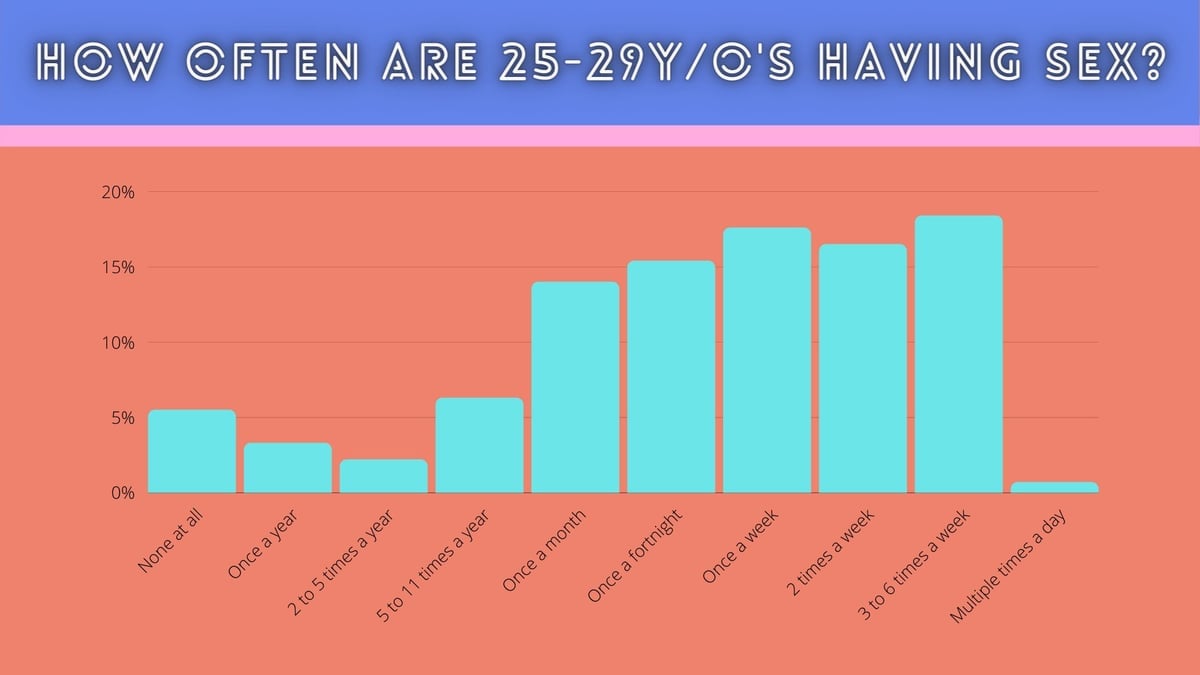
The age-old question of when women are at their horniest has been a topic of fascination and intrigue for centuries. While it's essential to acknowledge that every individual is unique, and there's no one-size-fits-all answer, we can delve into the biological and psychological factors that influence female libido. Research suggests that a woman's hormonal fluctuations, brain chemistry, and lifestyle choices all play a significant role in determining her level of arousal and desire.
Studies have shown that estrogen and testosterone levels peak in women during their 20s and 30s, which can contribute to increased sexual desire. Additionally, the brain's reward system, which is responsible for releasing dopamine and endorphins, can also impact a woman's libido. Factors such as stress, sleep deprivation, and relationship satisfaction can all influence the complex interplay between hormones, brain chemistry, and sexual desire.
Furthermore, research has also highlighted the importance of Self-care and relaxation techniques in enhancing female libido. Engaging in activities that promote stress reduction, such as yoga, meditation, and exercise, can help women cultivate a more positive body image and increase their sexual confidence. By understanding the intricacies of female libido and addressing the various factors that influence it, women can take proactive steps to optimize their sexual well-being and lead more fulfilling lives.
Understanding the Biology of Female Libido
The biological aspects of female libido are complex and multifaceted. Hormonal fluctuations play a significant role in regulating sexual desire, with estrogen and testosterone being the primary hormones involved. During the menstrual cycle, estrogen levels surge, which can lead to increased libido. Conversely, testosterone levels can drop during pregnancy and menopause, resulting in decreased sexual desire.
The brain's reward system also plays a crucial role in regulating female libido. The release of dopamine and endorphins can stimulate sexual desire, while stress and anxiety can suppress it. Understanding the intricate relationships between hormones, brain chemistry, and libido can help women better navigate their sexual health and make informed decisions about their well-being.
In addition to hormonal and neurological factors, lifestyle choices can also significantly impact female libido. A balanced diet, regular exercise, and sufficient sleep can all contribute to a healthy sex drive. Conversely, smoking, excessive drinking, and poor nutrition can all negatively impact libido. By making informed choices about their lifestyle, women can take proactive steps to optimize their sexual health and well-being.

Practical Strategies for Optimizing Female Libido
Fortunately, there are numerous practical strategies that women can use to optimize their libido and enhance their sexual well-being. One effective approach is to prioritize self-care and engage in activities that promote relaxation and stress reduction. This can include practices such as yoga, meditation, and deep breathing exercises. By cultivating a more positive body image and reducing stress, women can increase their sexual confidence and enhance their libido.
Another key strategy is to focus on communication and intimacy in relationships. By expressing desires and needs openly and honestly, women can build stronger, more fulfilling connections with their partners. This can involve scheduling regular date nights, practicing emotional intimacy, and engaging in open and honest communication. By prioritizing communication and intimacy, women can create a stronger foundation for a healthy and fulfilling sex life.
In addition to self-care and communication, women can also use various life hacks to optimize their libido. This can include trying new things, such as exploring new sexual positions or incorporating sex toys into their sex life. Women can also experiment with different types of touch, such as sensual massage or erotic touch. By being open to new experiences and exploring their desires, women can keep their sex life fresh and exciting.
Finally, women can also use science-backed supplements to support their libido. Certain herbal supplements, such as maca and ginseng, have been shown to enhance sexual desire and improve overall sexual function. Additionally, omega-3 fatty acids and vitamin D can also support hormonal balance and sexual health. By incorporating these supplements into their daily routine, women can take a proactive approach to optimizing their libido and sexual well-being.

Frequently Asked Questions
What role do hormones play in regulating female libido?
Hormones play a crucial role in regulating female libido. Estrogen and testosterone are the primary hormones involved, with estrogen levels surging during the menstrual cycle and testosterone levels dropping during pregnancy and menopause. Understanding the intricate relationships between hormones and libido can help women better navigate their sexual health and make informed decisions about their well-being.
Furthermore, hormonal imbalances can significantly impact female libido. Conditions such as polycystic ovary syndrome (PCOS) and thyroid disorders can disrupt hormonal balance, leading to decreased libido. By addressing underlying hormonal imbalances and working with a healthcare provider, women can take proactive steps to optimize their libido and sexual health.
How can women communicate their desires and needs effectively in relationships?
Effective communication is key to building a strong and fulfilling relationship. Women can communicate their desires and needs by expressing themselves openly and honestly with their partner. This can involve scheduling regular date nights, practicing emotional intimacy, and engaging in open and honest communication. By prioritizing communication and intimacy, women can create a stronger foundation for a healthy and fulfilling sex life.
Additionally, women can also use non-verbal cues to communicate their desires and needs. This can include body language, facial expressions, and touch. By being aware of their non-verbal cues and using them effectively, women can communicate their desires and needs more effectively and build a stronger connection with their partner.

What are some effective ways to reduce stress and increase libido?
Stress reduction is essential for optimizing female libido. Women can reduce stress by engaging in activities that promote relaxation and calmness, such as yoga, meditation, and deep breathing exercises. By cultivating a more positive body image and reducing stress, women can increase their sexual confidence and enhance their libido.
Furthermore, women can also use time management techniques to reduce stress and increase libido. This can include prioritizing tasks, setting boundaries, and taking breaks. By managing their time more effectively, women can reduce stress and increase their energy levels, leading to a healthier and more fulfilling sex life.
How can women optimize their diet to support their libido?
A balanced diet is essential for supporting female libido. Women can optimize their diet by incorporating foods rich in omega-3 fatty acids, such as salmon and walnuts. Additionally, foods high in antioxidants, such as berries and leafy greens, can also support hormonal balance and sexual health.
Furthermore, women can also use supplements to support their libido. Certain herbal supplements, such as maca and ginseng, have been shown to enhance sexual desire and improve overall sexual function. By incorporating these supplements into their daily routine, women can take a proactive approach to optimizing their libido and sexual well-being.
What role does sleep play in regulating female libido?
Sleep plays a crucial role in regulating female libido. Women who get adequate sleep are more likely to experience increased libido and sexual desire. Conversely, sleep deprivation can disrupt hormonal balance and lead to decreased libido. By prioritizing sleep and establishing a consistent sleep schedule, women can take proactive steps to optimize their libido and sexual health.
Furthermore, women can also use relaxation techniques to improve their sleep quality and support their libido. This can include practicing gentle stretches, listening to soothing music, and engaging in calming activities before bedtime. By creating a relaxing sleep environment and prioritizing sleep, women can optimize their libido and sexual well-being.
Respecting the science behind female libido and sexual health can help women make informed decisions about their well-being and take proactive steps to optimize their sex life. By understanding the complex interplay between hormones, brain chemistry, and lifestyle choices, women can cultivate a more positive body image and increase their sexual confidence. By prioritizing self-care, communication, and intimacy, women can build stronger, more fulfilling relationships and create a healthier, more fulfilling sex life.
Ultimately, respecting the science behind female libido and sexual health can help women become more empowered and confident in their bodies and their sex lives. By taking a proactive approach to optimizing their libido and sexual well-being, women can cultivate a more positive and fulfilling relationship with themselves and their partners. By embracing the complexities of female libido and sexual health, women can take control of their sex lives and create a more authentic, empowered, and fulfilling experience.