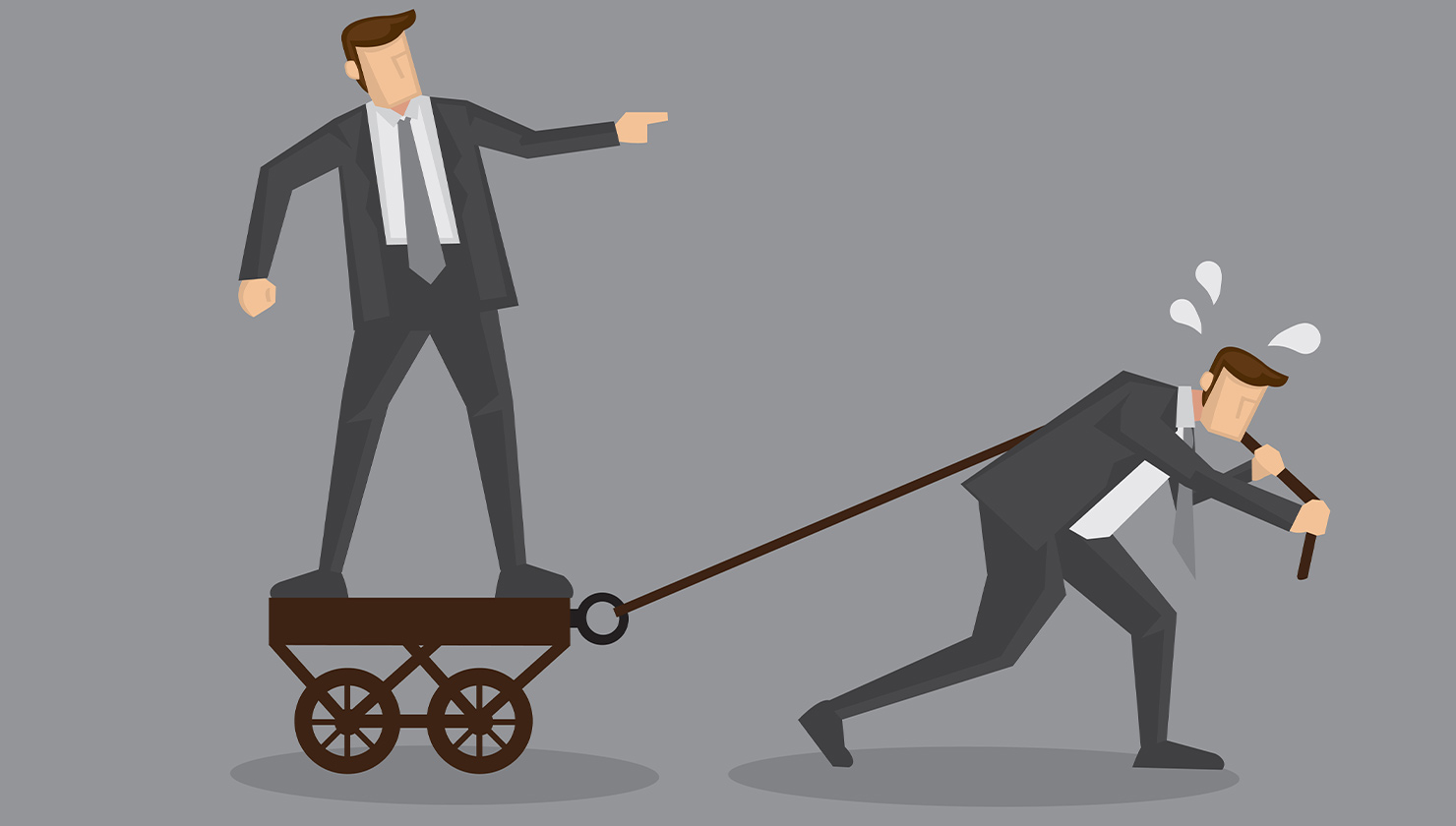
Submissive And Dominant Definition

When it comes to relationships, people often talk about submissive and dominant personalities. These terms are often used to describe the way people interact with each other, but they can also be applied to other areas of life, like work or hobbies. In general, a submissive person tends to follow and listen, while a dominant person tends to lead and take charge.
In social situations, dominant individuals often take center stage, telling stories and making others laugh. They tend to be confident and outgoing, and people are naturally drawn to them. On the other hand, submissive individuals may prefer to listen and observe, taking a backseat and letting others take the lead.
Understanding the Terms
The terms submissive and dominant are often associated with
BDSM, a type of relationship dynamic that involves power exchange. In this context, a submissive person consensually gives up control to a dominant partner, who takes on a leadership role. This can be a fun and exciting way to explore relationships, but it's not for everyone.
In everyday life, being submissive or dominant can manifest in different ways. For example, a submissive person might be more likely to compromise and avoid conflict, while a dominant person might be more likely to take charge and assert their opinions. These traits can be helpful in certain situations, but they can also be limiting if taken to an extreme.
It's also worth noting that these terms are not absolute, and people can exhibit both submissive and dominant traits depending on the situation. For instance, someone who is normally submissive might become more dominant in a particular context, like at work or in a hobby. This flexibility is important for building strong relationships and achieving personal growth.

Real-Life Applications
In the workplace, dominant individuals often thrive in leadership roles, where they can use their confidence and charisma to motivate others. On the other hand, submissive individuals might prefer to work behind the scenes, supporting their colleagues and helping to facilitate teamwork. Both submissive and dominant traits are valuable in different ways, and can contribute to a successful and harmonious work environment.
In romantic relationships, the dynamic between submissive and dominant partners can be passionate and intimate. When both partners are comfortable with their roles, they can create a deep and fulfilling connection. However, it's also important to maintain balance and communication in the relationship, to ensure that both partners feel heard and respected.

Ultimately, understanding submissive and dominant personalities can help us navigate our relationships and interactions with others. By recognizing these traits in ourselves and others, we can appreciate our differences and build stronger connections. Whether we identify as submissive, dominant, or somewhere in between, we can all benefit from a little more self-awareness and empathy.
In conclusion, the concepts of submissive and dominant are complex and multifaceted, and can manifest in different ways in our lives. By embracing these traits and understanding their implications, we can create more harmonious and fulfilling relationships, and become more confident and authentic individuals. So next time you meet someone, take a moment to appreciate their unique personality, and see if you can discover their submissive or dominant side.