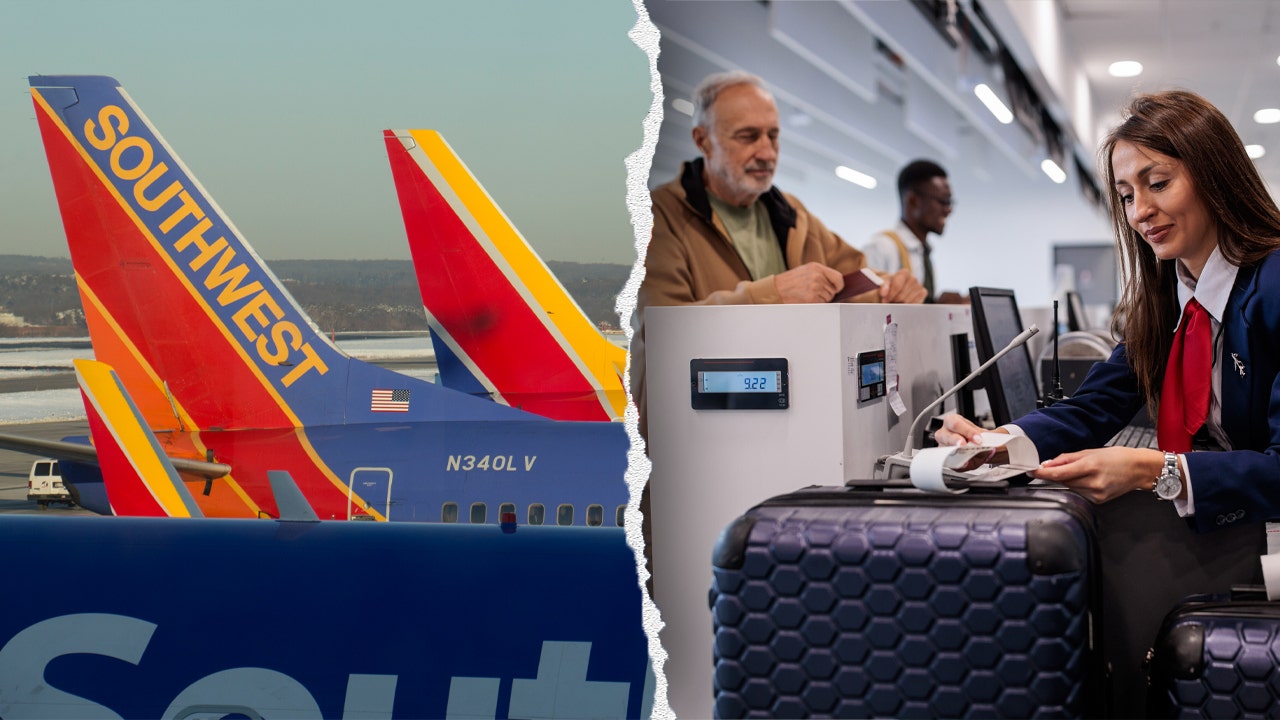
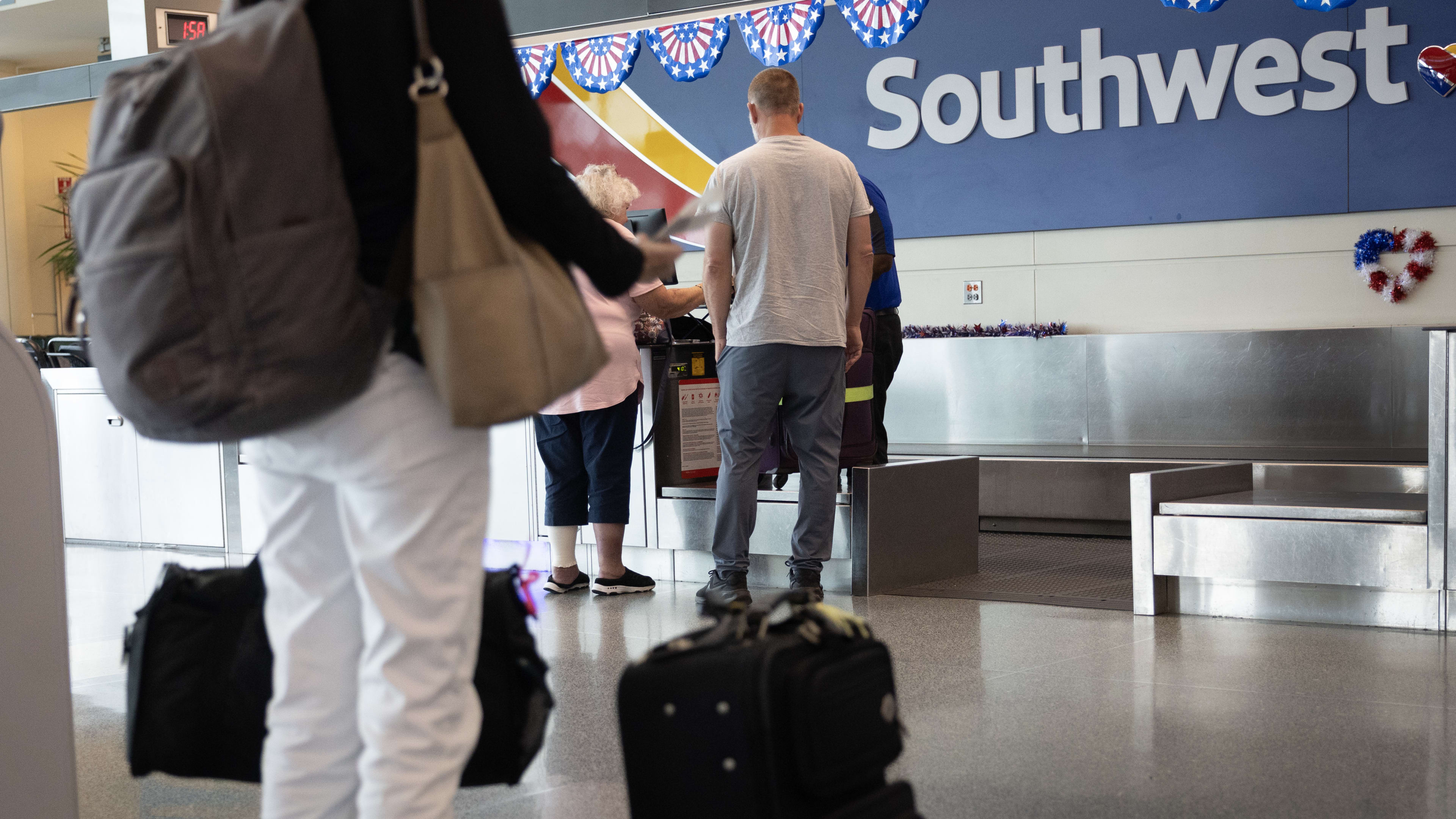
Southwest Airlines Polls Customers On Changing Free Bag Policy
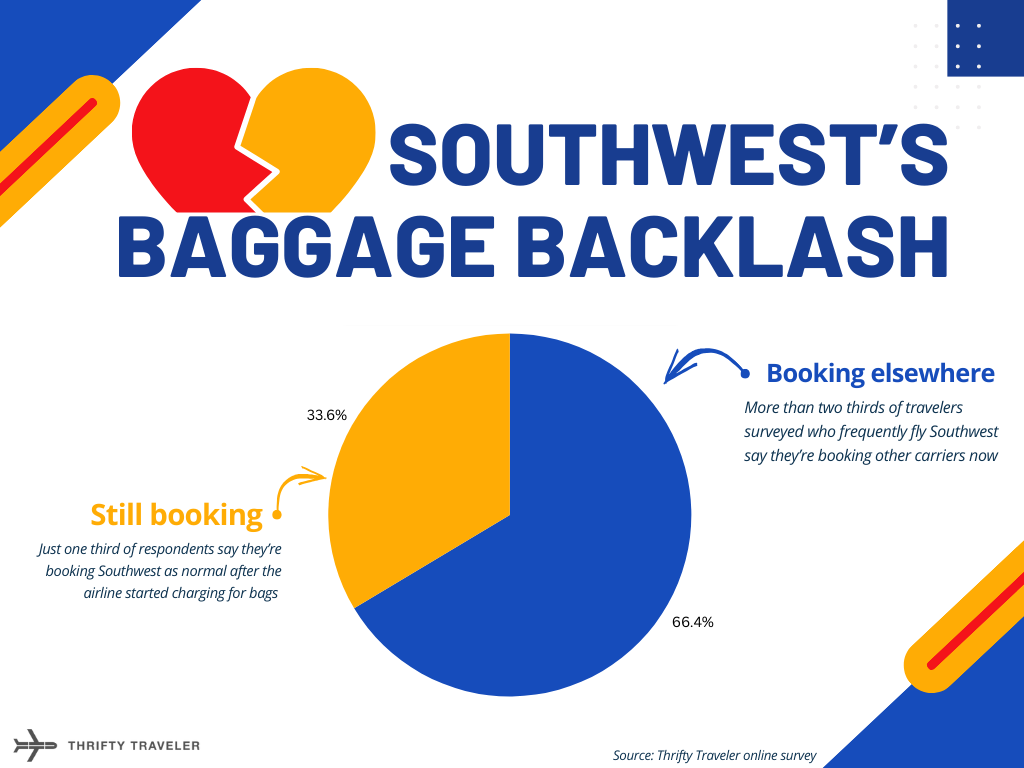
The concept of free baggage policies in the airline industry has been a topic of discussion for decades. For Southwest Airlines, this policy has been a cornerstone of their customer-centric approach since their inception in 1967. The airline's founder, Herb Kelleher, was known for his innovative approach to customer service, and the free baggage policy was a key aspect of this. Over the years, the airline has stuck to this policy, even as other airlines began to charge for checked bags. However, with the ever-changing landscape of the airline industry, Southwest Airlines has recently polled its customers on potentially changing this policy.
In the early days of commercial aviation, airlines did not charge for checked bags. In fact, the concept of charging for bags was unheard of. As the industry evolved, airlines began to look for ways to increase revenue, and charging for checked bags became a common practice. However, Southwest Airlines remained committed to their free baggage policy, even as other airlines began to charge. This policy was seen as a key differentiator for the airline, and it helped to build a loyal customer base. The airline's customers have come to expect this level of service, and it has become an integral part of the Southwest Airlines brand.
As the airline industry continues to evolve, Southwest Airlines is faced with the challenge of balancing their commitment to customer service with the need to increase revenue. The poll of their customers on potentially changing the free baggage policy is a sign that the airline is considering all options. While the airline has not made any official announcements, the poll has sparked a heated debate among customers and industry experts. Some argue that the free baggage policy is a key aspect of the Southwest Airlines brand, and that changing it would be a mistake. Others argue that the airline needs to adapt to the changing landscape of the industry, and that charging for checked bags could be a necessary step.
The Evolution of Airline Baggage Policies
In the 1970s and 1980s, airline baggage policies were relatively straightforward. Most airlines did not charge for checked bags, and the concept of baggage fees was unheard of. However, as the industry began to deregulate, airlines started to look for ways to increase revenue. One of the first airlines to introduce baggage fees was American Airlines in 2008. The airline charged $15 for the first checked bag, and the fee quickly became a standard practice across the industry. Today, most airlines charge for checked bags, with the exception of Southwest Airlines.
Despite the widespread adoption of baggage fees, Southwest Airlines has remained committed to their free baggage policy. The airline's customers have come to expect this level of service, and it has become a key aspect of the Southwest Airlines brand. However, the airline's commitment to this policy has not been without its challenges. In 2010, the airline was forced to raise their fares in response to increased fuel costs. The fare increase was seen as a necessary step to ensure the airline's financial stability, but it also sparked a heated debate among customers and industry experts. Some argued that the airline should have considered charging for checked bags instead of raising fares.
In 2013, Southwest Airlines was faced with another challenge when the Transportation Security Administration (TSA) introduced new baggage screening procedures. The procedures required airlines to screen all checked bags for explosives, which increased the cost of handling baggage. While most airlines passed the cost on to customers in the form of higher baggage fees, Southwest Airlines absorbed the cost and continued to offer free checked bags. The airline's commitment to their free baggage policy has been a key aspect of their customer-centric approach, and it has helped to build a loyal customer base.
As the airline industry continues to evolve, Southwest Airlines is faced with the challenge of balancing their commitment to customer service with the need to increase revenue. The poll of their customers on potentially changing the free baggage policy is a sign that the airline is considering all options. While the airline has not made any official announcements, the poll has sparked a heated debate among customers and industry experts. Some argue that the free baggage policy is a key aspect of the Southwest Airlines brand, and that changing it would be a mistake. Others argue that the airline needs to adapt to the changing landscape of the industry, and that charging for checked bags could be a necessary step.
Modernizing the Free Baggage Policy
In recent years, Southwest Airlines has explored ways to modernize their free baggage policy. In 2019, the airline introduced a new baggage tracking system, which allows customers to track the location of their bags in real-time. The system has improved the efficiency of the airline's baggage handling process, and it has reduced the number of lost or misplaced bags. The airline has also introduced a new baggage delivery service, which allows customers to have their bags delivered to their destination. The service is seen as a convenient option for customers, and it has helped to improve the overall travel experience.
As the airline industry continues to evolve, Southwest Airlines is likely to explore new ways to modernize their free baggage policy. One possible option is the introduction of a baggage subscription service, which would allow customers to pay a fixed fee for a certain number of checked bags. The service would provide customers with more flexibility and convenience, and it would help to generate additional revenue for the airline. Another possible option is the introduction of a baggage tracking app, which would allow customers to track the location of their bags in real-time. The app would provide customers with more visibility and control over their baggage, and it would help to improve the overall travel experience.
Frequently Asked Questions
What is the history of Southwest Airlines' free baggage policy?
The history of Southwest Airlines' free baggage policy dates back to the 1960s, when the airline was first founded. The airline's founder, Herb Kelleher, was committed to providing a high level of customer service, and the free baggage policy was a key aspect of this. Over the years, the airline has stuck to this policy, even as other airlines began to charge for checked bags. The policy has been a key differentiator for the airline, and it has helped to build a loyal customer base. In 2008, when American Airlines introduced baggage fees, Southwest Airlines remained committed to their free baggage policy. The airline's customers have come to expect this level of service, and it has become an integral part of the Southwest Airlines brand.
Today, Southwest Airlines is one of the only airlines in the industry that still offers free checked bags. The airline's commitment to this policy has been a key aspect of their customer-centric approach, and it has helped to build a loyal customer base. While the airline has faced challenges in recent years, including increased fuel costs and new baggage screening procedures, they have remained committed to their free baggage policy. The policy has been a key differentiator for the airline, and it has helped to establish Southwest Airlines as a leader in the industry.
How has the free baggage policy impacted Southwest Airlines' business model?
The free baggage policy has had a significant impact on Southwest Airlines' business model. The policy has helped to establish the airline as a leader in the industry, and it has attracted a loyal customer base. The policy has also helped to differentiate the airline from their competitors, and it has provided a key selling point for customers. However, the policy has also presented challenges for the airline, including increased costs and reduced revenue. In 2010, the airline was forced to raise their fares in response to increased fuel costs, which sparked a heated debate among customers and industry experts.
Despite the challenges, Southwest Airlines has remained committed to their free baggage policy. The airline has explored ways to modernize the policy, including the introduction of a new baggage tracking system and a baggage delivery service. The policy has been a key aspect of the airline's customer-centric approach, and it has helped to establish Southwest Airlines as a leader in the industry. As the airline industry continues to evolve, Southwest Airlines is likely to continue to explore new ways to modernize their free baggage policy, including the introduction of new technologies and services.
What are the potential implications of changing the free baggage policy?
The potential implications of changing the free baggage policy are significant. If Southwest Airlines were to introduce baggage fees, it could have a negative impact on customer loyalty and satisfaction. The policy has been a key differentiator for the airline, and it has helped to establish Southwest Airlines as a leader in the industry. Changing the policy could also have a negative impact on the airline's brand reputation, and it could lead to a loss of customers. However, if the airline were to introduce a baggage subscription service or a baggage tracking app, it could provide customers with more flexibility and convenience, and it could help to generate additional revenue for the airline.

The potential implications of changing the free baggage policy also extend to the wider airline industry. If Southwest Airlines were to introduce baggage fees, it could lead to a surge in baggage fees across the industry. This could have a negative impact on customers, who would be faced with increased costs and reduced flexibility. However, if the airline were to introduce a baggage subscription service or a baggage tracking app, it could provide a new model for the industry, and it could help to improve the overall travel experience. As the airline industry continues to evolve, Southwest Airlines is likely to play a key role in shaping the future of baggage policies, and their decisions will have significant implications for customers and the wider industry.
As we look to the future, it is clear that the concept of free baggage policies will continue to evolve. With the rise of new technologies and services, airlines will have more options than ever before to provide customers with flexible and convenient baggage options. Southwest Airlines is likely to remain at the forefront of this evolution, and their decisions will have significant implications for the wider industry. As the airline industry continues to grow and evolve, it is likely that we will see new and innovative approaches to baggage policies, and Southwest Airlines will be a key player in shaping this future.
In the next 20 years, we can expect to see significant changes in the airline industry, including the introduction of new technologies and services. The concept of free baggage policies will continue to evolve, and airlines will have more options than ever before to provide customers with flexible and convenient baggage options. Southwest Airlines is likely to remain a leader in the industry, and their commitment to customer service will continue to drive innovation and growth. As the airline industry continues to evolve, it is likely that we will see new and innovative approaches to baggage policies, and Southwest Airlines will be a key player in shaping this future. The future of airline baggage policies is exciting and uncertain, and it will be shaped by the innovative approaches of airlines like Southwest Airlines.