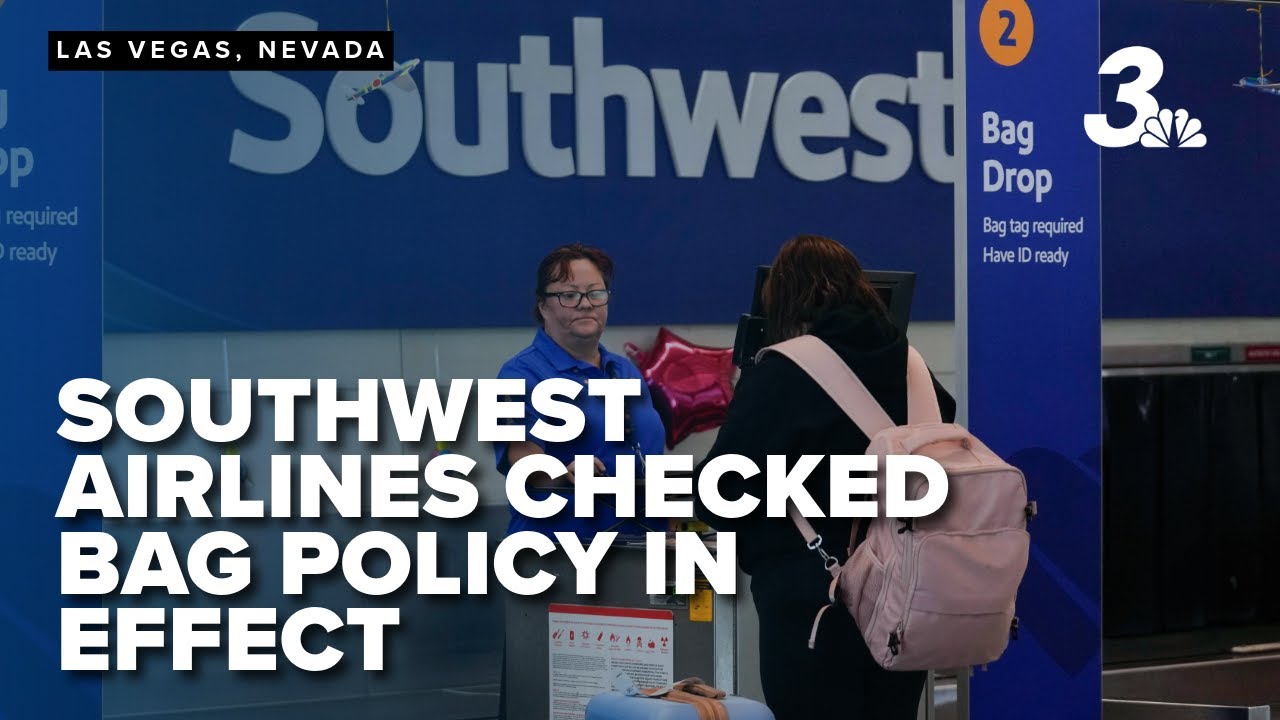
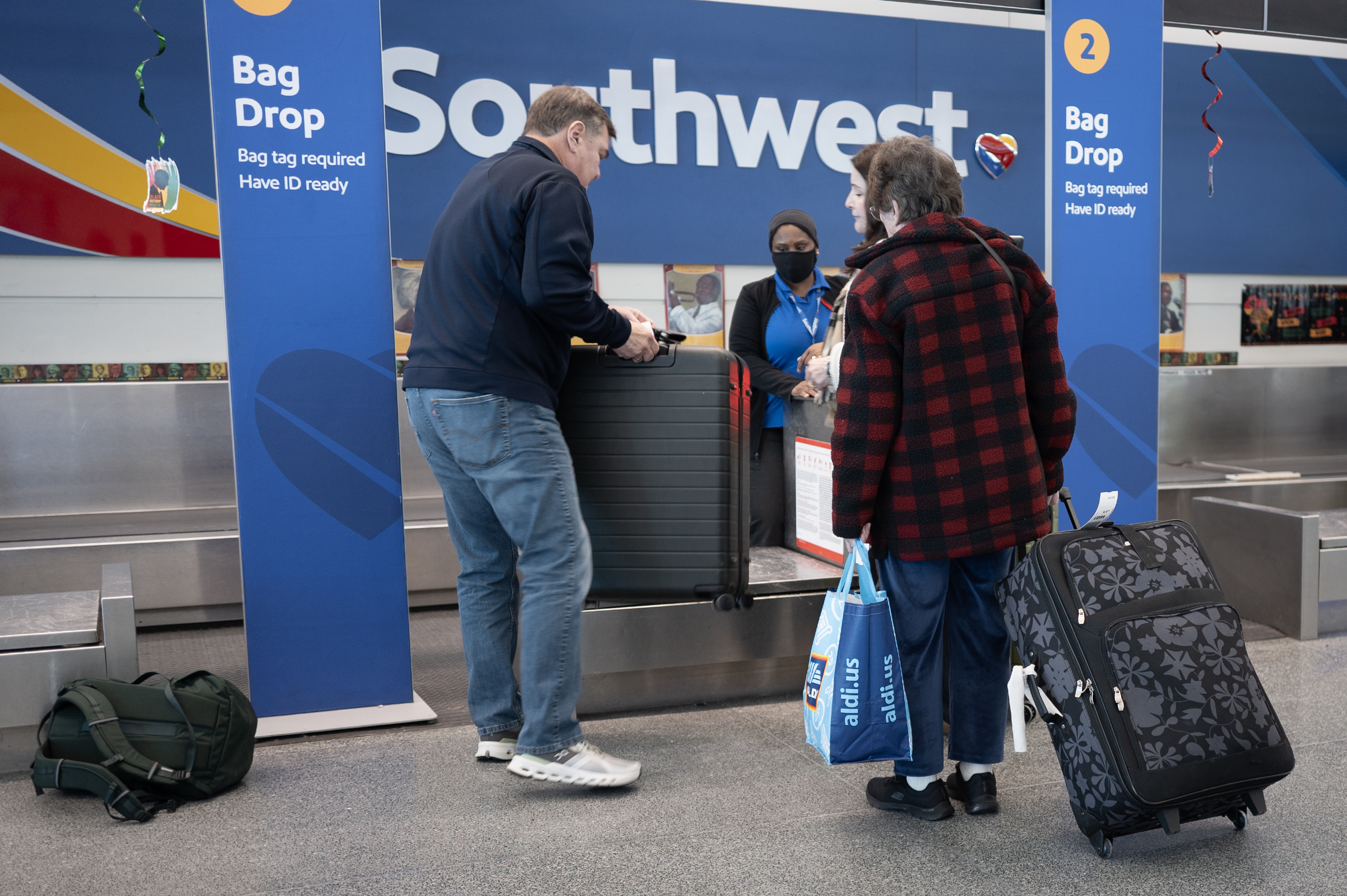
Southwest Airlines Ends Free Checked Bag Policy
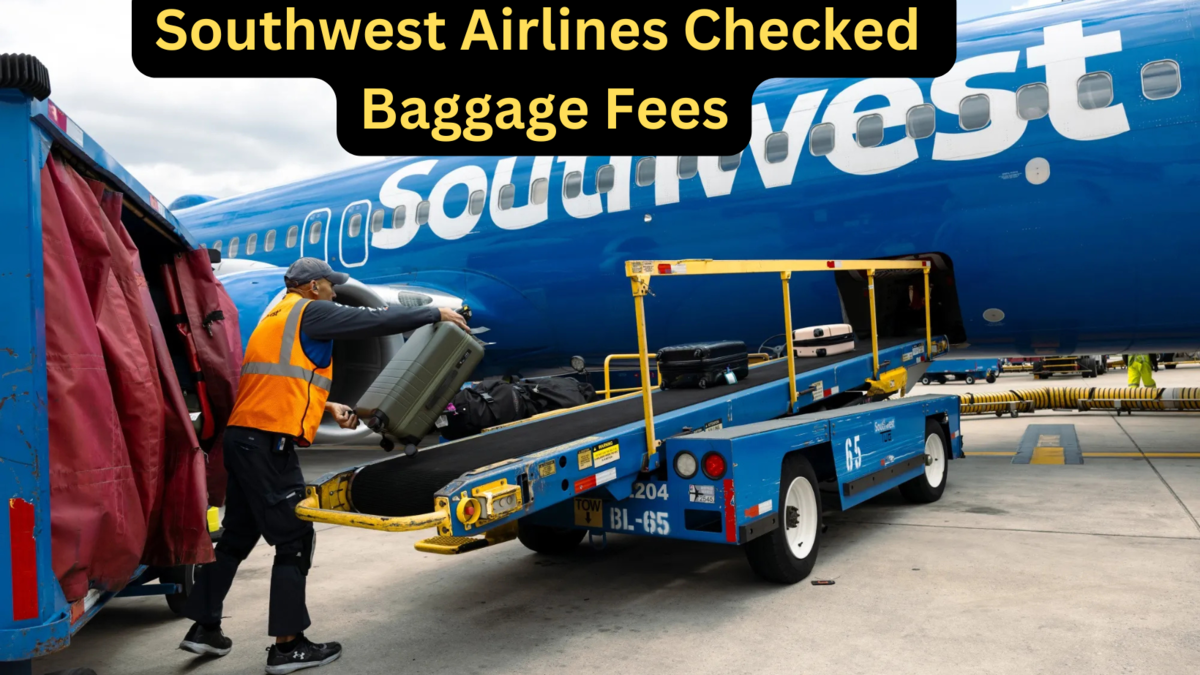
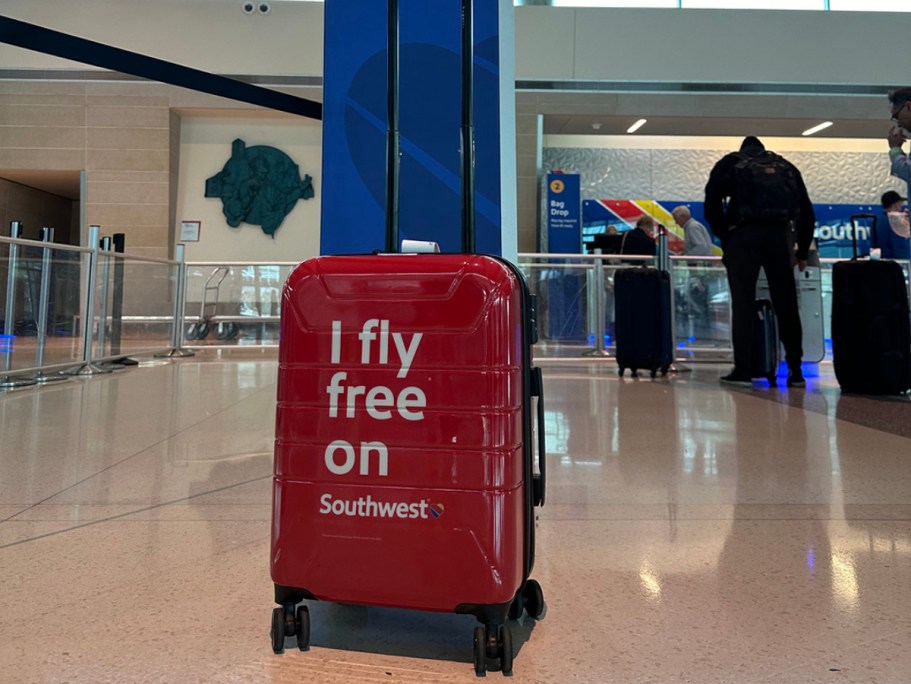
It's hard to believe that it's been over 50 years since Southwest Airlines first took to the skies, revolutionizing the way we travel with its unique approach to customer service and, perhaps most notably, its free checked bag policy. For decades, this perk has been a staple of the airline's brand, setting it apart from its competitors and making it a favorite among travelers. But, as of recently, this policy has come to an end, leaving many to wonder what this means for the future of air travel.
The story of Southwest Airlines begins in 1967, when a small group of investors, led by Herb Kelleher and Rollin King, founded the airline with the goal of providing low-cost, no-frills service to the people of Texas. At the time, air travel was a luxury that only the wealthy could afford, and Southwest aimed to change that. With its focus on efficiency, simplicity, and customer satisfaction, the airline quickly gained popularity, and by the 1970s, it had become a household name.
As the years went by, Southwest Airlines continued to innovate and expand, introducing new routes, services, and amenities that catered to the evolving needs of its customers. One of the key factors that contributed to its success was its free checked bag policy, which was introduced in the 1980s. This move was seen as a bold experiment at the time, but it paid off, attracting a loyal customer base that appreciated the airline's commitment to transparency and value. For Southwest, the free checked bag policy was more than just a marketing gimmick – it was a fundamental aspect of its brand identity, reflecting the airline's focus on simplicity, convenience, and customer satisfaction.
Must Read
The Evolution of Air Travel
As we look back on the history of air travel, it's clear that the industry has undergone significant transformations over the years. From the 1920s to the 1960s, air travel was a luxurious and exclusive experience, with fancy dining, comfortable seating, and personalized service. However, with the rise of commercial aviation in the 1970s and 1980s, air travel became more accessible and affordable, leading to the emergence of low-cost carriers like Southwest Airlines. This shift marked a significant turning point in the industry, as airlines began to focus on efficiency, cost-cutting, and mass market appeal.
Despite the many advantages of low-cost air travel, the industry has also faced numerous challenges, including increased competition, rising fuel costs, and evolving customer expectations. In response to these challenges, airlines have been forced to adapt, introducing new services, technologies, and business models that cater to the changing needs of their customers. For Southwest Airlines, this has meant embracing innovation, investing in digital technologies, and rethinking its approach to customer service. While the airline's free checked bag policy was a key factor in its success, its decision to end this policy reflects the changing realities of the industry and the need for airlines to stay competitive in a rapidly evolving market.
One of the most significant trends shaping the air travel industry today is the rise of personalization. With the help of advanced technologies, such as artificial intelligence, machine learning, and data analytics, airlines can now offer customized experiences that cater to the individual needs and preferences of their customers. This trend is expected to continue in the coming years, with airlines using data and analytics to create tailored services, improve customer engagement, and drive revenue growth. For Southwest Airlines, this means leveraging technology to enhance the travel experience, while also rethinking its approach to customer service and loyalty programs.
Another key trend shaping the industry is the growing importance of sustainability. As consumers become increasingly environmentally conscious, airlines are under pressure to reduce their carbon footprint, invest in sustainable technologies, and promote eco-friendly practices. This trend is driving innovation in areas such as fuel efficiency, waste reduction, and sustainable aviation fuels, with airlines competing to demonstrate their commitment to environmental responsibility. For Southwest Airlines, this means exploring new technologies, investing in sustainable infrastructure, and promoting environmentally friendly practices throughout its operations.
Modernizing the Air Travel Experience
As the air travel industry continues to evolve, airlines are under pressure to modernize their services, invest in new technologies, and cater to the changing needs of their customers. For Southwest Airlines, this means embracing innovation, leveraging data and analytics, and rethinking its approach to customer service. One of the key areas of focus is the development of mobile-first services, which enable customers to manage their travel experience on-the-go, using their smartphones and mobile devices. This trend is driving investment in areas such as mobile check-in, baggage tracking, and in-flight entertainment, with airlines competing to offer seamless, intuitive, and personalized experiences.

Another area of focus is the development of artificial intelligence and machine learning technologies, which enable airlines to analyze customer data, predict behavior, and offer tailored services. This trend is driving innovation in areas such as customer service, loyalty programs, and revenue management, with airlines using AI and ML to create more efficient, effective, and personalized experiences. For Southwest Airlines, this means investing in AI-powered chatbots, predictive analytics, and personalized marketing, with the goal of creating a more immersive, engaging, and satisfying travel experience.
Frequently Asked Questions
What does the end of Southwest Airlines' free checked bag policy mean for customers?
The end of Southwest Airlines' free checked bag policy marks a significant shift in the airline's approach to customer service and revenue management. While the policy was a key factor in the airline's success, its decision to end the policy reflects the changing realities of the industry and the need for airlines to stay competitive. For customers, this means that they will need to pay for checked bags, which may add to the overall cost of their travel. However, Southwest has announced that it will continue to offer competitive pricing, with the goal of minimizing the impact of the policy change on its customers.
Despite the potential disruption caused by the policy change, Southwest Airlines is committed to maintaining its focus on customer satisfaction, with the goal of creating a more efficient, effective, and personalized travel experience. This means investing in new technologies, improving its services, and promoting transparency and value throughout its operations. While the end of the free checked bag policy may be seen as a negative development by some, it also reflects the airline's commitment to adapting to changing market conditions and staying competitive in a rapidly evolving industry.
How will the end of Southwest Airlines' free checked bag policy affect the airline's brand identity?
The end of Southwest Airlines' free checked bag policy marks a significant shift in the airline's brand identity, which has been built around the principles of simplicity, convenience, and customer satisfaction. While the policy was a key factor in the airline's success, its decision to end the policy reflects the changing realities of the industry and the need for airlines to stay competitive. For Southwest, this means rethinking its approach to customer service, loyalty programs, and marketing, with the goal of creating a more nuanced and multifaceted brand identity.
Despite the potential challenges posed by the policy change, Southwest Airlines is committed to maintaining its focus on customer satisfaction, with the goal of creating a more efficient, effective, and personalized travel experience. This means investing in new technologies, improving its services, and promoting transparency and value throughout its operations. While the end of the free checked bag policy may be seen as a negative development by some, it also reflects the airline's commitment to adapting to changing market conditions and staying competitive in a rapidly evolving industry.
What does the future hold for air travel, and how will airlines adapt to changing consumer needs and technological advancements?
The future of air travel is likely to be shaped by a range of factors, including technological advancements, changing consumer needs, and evolving market conditions. As airlines continue to invest in new technologies, such as artificial intelligence, machine learning, and data analytics, they will be able to create more efficient, effective, and personalized experiences for their customers. This trend is expected to continue in the coming years, with airlines using technology to drive innovation, improve customer satisfaction, and stay competitive in a rapidly evolving market.

Despite the many challenges and uncertainties facing the air travel industry, there are also many opportunities for growth, innovation, and development. As airlines adapt to changing consumer needs and technological advancements, they will be able to create new services, products, and experiences that cater to the evolving needs of their customers. For Southwest Airlines, this means embracing innovation, investing in new technologies, and rethinking its approach to customer service, with the goal of creating a more immersive, engaging, and satisfying travel experience.
As we look to the future, it's clear that the air travel industry will continue to evolve and adapt to changing market conditions, technological advancements, and consumer needs. For Southwest Airlines, this means embracing innovation, investing in new technologies, and rethinking its approach to customer service, with the goal of creating a more efficient, effective, and personalized travel experience. While the end of the free checked bag policy may be seen as a negative development by some, it also reflects the airline's commitment to adapting to changing market conditions and staying competitive in a rapidly evolving industry.
In the next 20 years, we can expect to see significant changes in the air travel industry, driven by technological advancements, changing consumer needs, and evolving market conditions. As airlines continue to invest in new technologies, such as artificial intelligence, machine learning, and data analytics, they will be able to create more efficient, effective, and personalized experiences for their customers. This trend is expected to continue in the coming years, with airlines using technology to drive innovation, improve customer satisfaction, and stay competitive in a rapidly evolving market. For Southwest Airlines, this means embracing innovation, investing in new technologies, and rethinking its approach to customer service, with the goal of creating a more immersive, engaging, and satisfying travel experience.