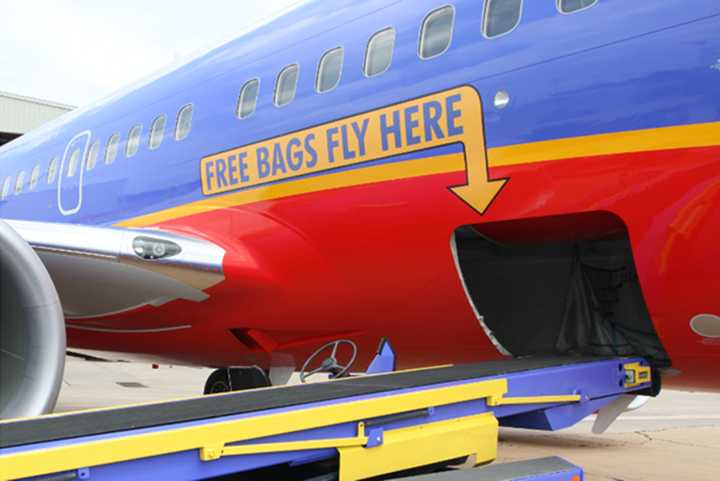
Southwest Airlines Bags Fly Free Policy
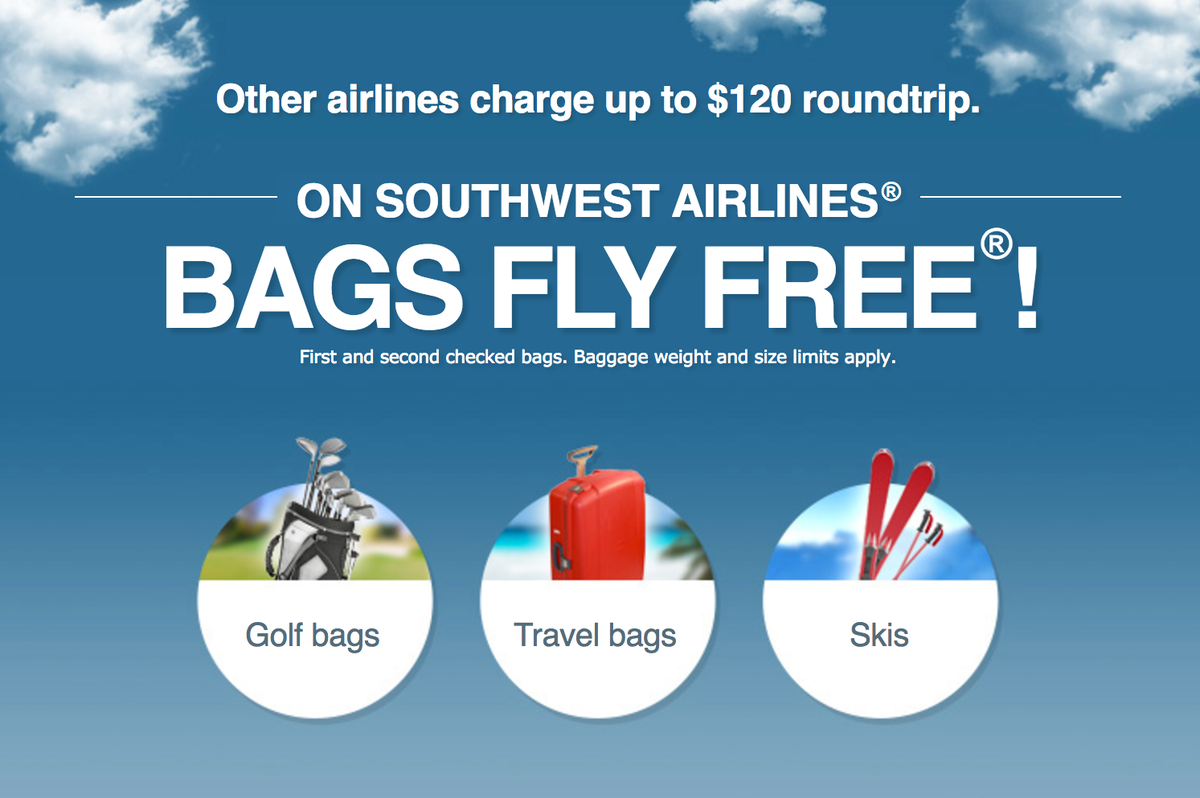
In the realm of air travel, few policies have been as enduringly beloved as Southwest Airlines' Bags Fly Free policy. Introduced in 2009, this pioneering approach to baggage fees has become an integral part of the airline's identity and a major draw for budget-conscious travelers. To understand the significance of this policy, it's essential to delve into its historical context and the evolution of the air travel industry as a whole. The concept of flying, once a luxury reserved for the elite, has over the years become more accessible to the masses. However, with the advancement in technology and the increase in air travel demand, airlines began to look for ways to increase revenue, leading to the introduction of ancillary fees, including those for checked baggage.
The initial reaction to such fees was overwhelmingly negative, with many travelers feeling nickel-and-dimed. It was against this backdrop that Southwest Airlines made a bold move by deciding not to charge for the first two checked bags, a policy that would become a cornerstone of its customer-centric approach. This move was not merely a marketing gimmick but a strategic decision aimed at differentiating the airline in a crowded market. By emphasizing customer satisfaction and loyalty, Southwest aimed to build a loyal customer base, a goal that has been largely successful. Today, the Bags Fly Free policy is seen as a testament to the airline's commitment to its customers, a promise that has been upheld even as the airline industry continues to evolve.
Looking back, it's clear that the introduction of the Bags Fly Free policy was a turning point not just for Southwest Airlines but for the industry as a whole. It challenged the conventional wisdom that ancillary fees were necessary for profitability and showed that there were alternative models for success. The policy also reflects the visionary leadership of figures like Bob Jordan, who have played a crucial role in shaping the airline's strategy and direction. As the air travel industry looks towards the future, the legacy of the Bags Fly Free policy serves as a reminder of the power of innovation and customer-centric thinking.
The Evolution of the Policy
Since its introduction, the Bags Fly Free policy has undergone several transformations, adapting to the changing needs of travelers and the evolving landscape of the airline industry. One of the most significant challenges faced by Southwest Airlines has been how to balance the policy with the need to manage costs and maintain profitability. This has led to various tweaks and adjustments over the years, including changes to the types of bags that are eligible and the introduction of fees for additional services. Despite these changes, the core principle of the policy has remained the same, reflecting the airline's commitment to its customers.
Another key aspect of the policy's evolution has been its impact on customer behavior. Studies have shown that the absence of baggage fees can influence travelers' decisions when choosing an airline, with many opting for Southwest Airlines specifically because of the Bags Fly Free policy. This has created a loyal customer base, with many travelers becoming advocates for the airline and recommending it to others. The policy has also had a broader impact on the industry, with other airlines considering similar models, although few have been able to replicate the success of Southwest Airlines in this regard.

Furthermore, the Bags Fly Free policy has been at the forefront of technological innovations in the airline industry, particularly in terms of baggage handling and tracking. Southwest Airlines has invested heavily in technology aimed at improving the efficiency and transparency of its baggage services, making it easier for travelers to check in, track their bags, and receive updates on any issues. This commitment to technology has not only enhanced the customer experience but also allowed the airline to better manage its operations and reduce costs.
As the airline industry continues to evolve, with advancements in artificial intelligence, biometrics, and sustainability initiatives, the future of the Bags Fly Free policy looks promising. There are plans to further integrate technology into the baggage handling process, potentially allowing for real-time tracking and more efficient management of baggage claims. Additionally, the policy is likely to play a key role in Southwest Airlines' efforts to reduce its environmental impact, with the airline exploring ways to make its operations more sustainable.
Modernizing the Classics
In today's fast-paced world, where travelers are increasingly looking for flexibility and convenience, the Bags Fly Free policy has had to adapt to changing consumer expectations. One of the ways Southwest Airlines has achieved this is by enhancing its digital services, making it easier for travelers to book flights, check in, and manage their baggage online or through the airline's mobile app. This has not only streamlined the travel process but also allowed the airline to collect valuable data on customer behavior, which can be used to further personalize and improve the travel experience.

Another area where the policy is being modernized is through the integration of smart technologies into the baggage handling process. This includes the use of RFID tags for tracking bags and automated baggage systems that can quickly and efficiently sort and load luggage onto planes. These innovations not only reduce the risk of lost or misplaced bags but also speed up the check-in and boarding process, making air travel more convenient for everyone involved.
Frequently Asked Questions
How Has the Bags Fly Free Policy Impacted Southwest Airlines' Revenue and Customer Loyalty?
The introduction of the Bags Fly Free policy has had a profound impact on Southwest Airlines' revenue and customer loyalty. While the policy might seem counterintuitive from a revenue standpoint, as it potentially foregoes millions in baggage fees, it has been a key factor in attracting and retaining customers. By not charging for the first two checked bags, Southwest Airlines distinguishes itself in a crowded market, appealing to travelers who are sensitive to additional fees. This has led to increased customer loyalty, with many travelers choosing Southwest over other airlines because of the policy. Furthermore, the policy has allowed the airline to position itself as a customer-centric brand, which has positive implications for its reputation and long-term sustainability.
The financial implications of the policy have been carefully managed by the airline, with any potential losses in baggage fee revenue offset by increased demand and customer loyalty. In fact, studies have shown that the policy has contributed to higher customer satisfaction rates and increased repeat business, both of which are critical for the airline's long-term profitability. As the airline industry continues to evolve, the Bags Fly Free policy remains a cornerstone of Southwest Airlines' strategy, a testament to the power of innovative thinking and customer-centric business models.

How Does the Bags Fly Free Policy Compare to Other Airlines' Baggage Fee Policies?
In comparison to other airlines, Southwest Airlines' Bags Fly Free policy is unique in its generosity and simplicity. Most airlines charge for checked bags, with fees ranging from $25 to over $100 per bag, depending on the airline, route, and time of booking. These fees can add significant expense to the cost of flying, especially for families or individuals traveling with multiple bags. The policy at Southwest Airlines offers a refreshing alternative, making it an attractive option for travelers looking to save money on their flights.
Moreover, the policy has set a high standard for customer service in the airline industry, challenging other carriers to rethink their approach to baggage fees. While some airlines have followed suit with similar policies, albeit with more restrictions, the majority still charge for checked bags. This differentiation has been a key factor in Southwest Airlines' success, allowing it to build a loyal customer base and maintain its position as a leader in the industry. As consumer expectations continue to evolve, the pressure on airlines to offer more competitive and customer-friendly policies will only increase, potentially leading to a broader shift in the industry towards more inclusive pricing models.
What Are the Potential Future Developments and Challenges for the Bags Fly Free Policy?
Looking ahead, the Bags Fly Free policy is likely to face several challenges and opportunities for development. One of the key challenges will be balancing the policy with the need to manage costs and maintain profitability, especially in the face of rising fuel costs and other operational expenses. Another challenge will be adapting the policy to meet the changing needs of travelers, who are increasingly looking for personalized and flexible travel options. This might involve introducing new technologies or services that enhance the travel experience, such as advanced baggage tracking or personalized luggage handling.

Despite these challenges, the future of the Bags Fly Free policy looks bright. With its commitment to customer satisfaction and innovation, Southwest Airlines is well-positioned to continue leading the industry in terms of baggage policies. The airline is likely to explore new technologies and strategies that can help manage the costs associated with the policy while maintaining its customer-centric approach. Furthermore, the policy will continue to play a critical role in differentiating Southwest Airlines from its competitors, attracting travelers who value simplicity, transparency, and savings. As the airline industry continues to evolve, the Bags Fly Free policy will remain a crucial element of Southwest Airlines' strategy, a symbol of its commitment to putting customers first.
Reflecting on the journey of the Bags Fly Free policy, it's clear that its impact extends far beyond the confines of Southwest Airlines. It has challenged the status quo in the airline industry, forcing carriers to rethink their approach to customer service and ancillary fees. As we look to the future, it's exciting to consider how this policy might continue to evolve, incorporating new technologies and innovations that enhance the travel experience. Whether through the integration of artificial intelligence, the expansion of digital services, or the introduction of more sustainable practices, the Bags Fly Free policy is poised to remain at the forefront of the airline industry's evolution.
In the next 20 years, the Bags Fly Free policy will undoubtedly continue to play a significant role in shaping the travel landscape. As airlines navigate the challenges of sustainability, technological innovation, and changing consumer expectations, policies like Bags Fly Free will serve as benchmarks for excellence in customer service. The future of air travel is likely to be defined by increased efficiency, personalization, and a deeper understanding of what travelers value most. In this context, the Bags Fly Free policy stands as a testament to the enduring power of innovation and customer-centric thinking, a reminder that even in the most competitive of industries, it's possible to stand out by putting people first.