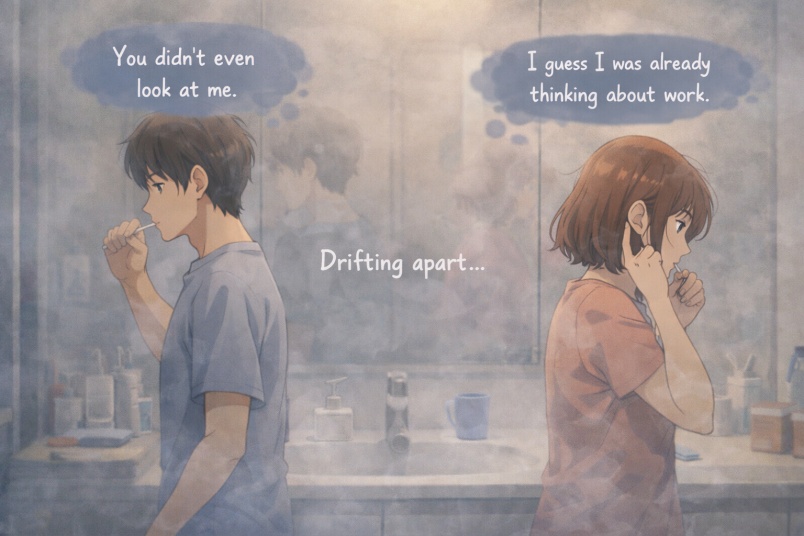
Signs You're Not Sexually Attracted To Your Partner

The dynamics of attraction and intimacy in relationships can be complex and influenced by a myriad of factors, including emotional connection, shared values, and physical attraction. Understanding the signs that you're not sexually attracted to your partner can be crucial in navigating the challenges that arise in any relationship. Attraction is a multifaceted phenomenon that involves biological, psychological, and sociological elements. From a biological standpoint, attraction can be linked to the release of dopamine, often referred to as the "pleasure molecule," and oxytocin, known as the "love hormone." These chemicals play significant roles in our bodies' response to pleasure and bonding, influencing our feelings of attraction and attachment.
On a psychological level, attraction can be influenced by a person's self-esteem, past experiences, and personal preferences. For instance, individuals with higher self-esteem may be more confident in their attractiveness, potentially increasing their appeal to others. Past experiences, including previous relationships and traumas, can also shape what one finds attractive in a partner. Personal preferences, such as a preference for certain physical characteristics or personality traits, also play a significant role in determining attraction.
From a sociological perspective, attraction can be affected by cultural norms, social environment, and media influence. Cultural norms dictate what is considered attractive within a society, and these norms can vary significantly across different cultures. The social environment, including the opinions of friends and family, can also influence perceptions of attractiveness. Lastly, media influence, through the portrayal of ideal beauty standards, can shape individual preferences and perceptions of what is attractive.
Understanding the Biological and Psychological Underpinnings
Delving deeper into the biological underpinnings of attraction, testosterone and estrogen levels can significantly influence libido and attraction in individuals. For example, fluctuations in testosterone levels can affect a person's sex drive, potentially impacting the level of attraction they feel towards their partner. Similarly, estrogen plays a crucial role in regulating the female reproductive system and can influence feelings of attraction and intimacy.
Psychologically, the concept of emotional intimacy is vital in understanding attraction. Emotional intimacy refers to the closeness and connection felt with another person, which can greatly influence the level of attraction. When emotional intimacy is lacking, it can lead to a decrease in physical attraction over time. Communication, trust, and shared experiences are key factors in fostering emotional intimacy and, by extension, influencing the level of attraction in a relationship.
Moreover, the neurological aspect of attraction involves the activation of specific brain regions in response to attractive stimuli. The ventral tegmental area and the nucleus accumbens are particularly involved in the processing of rewarding stimuli, including attractive faces and bodies. Understanding these neurological responses can provide insights into why we find certain individuals attractive and how this attraction can ebb and flow over the course of a relationship.
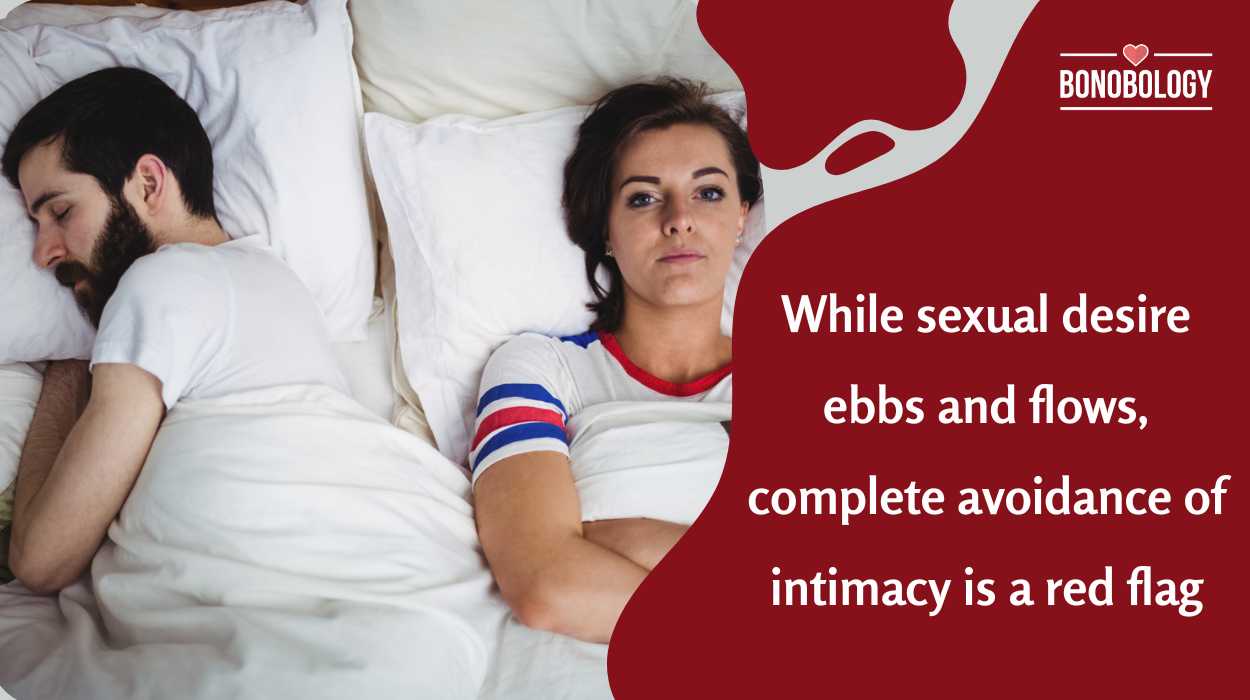
Practical Strategies for Addressing Lack of Attraction
Another approach is to focus on physical touch and affection outside of sexual contexts. Holding hands, cuddling, and giving each other massages can release oxytocin, enhancing feelings of closeness and attraction. Furthermore, exploring new sexual experiences together, such as trying new positions or visiting a sex therapist, can help reignite the passion in a relationship.
Self-care and personal development are also crucial. When individuals feel good about themselves, both physically and mentally, they are more likely to feel attractive and confident, which can in turn increase their partner's attraction to them. Engaging in exercise, healthy eating, and mindfulness practices can significantly enhance one's self-perception and overall well-being.
In addition, addressing underlying issues such as stress, anxiety, or depression can be vital. These mental health challenges can greatly impact libido and attraction. Seeking professional help, such as therapy or counseling, can provide the tools and support needed to manage these issues and potentially improve the attraction within a relationship.

Frequently Asked Questions
What are the Common Signs of Lack of Attraction in a Relationship?
The signs of a lack of attraction in a relationship can vary but often include a decrease in sexual activity, a lack of initiative in sexual encounters, and a general feeling of disconnection from one's partner. Other signs might include a decrease in affectionate behaviors such as holding hands or cuddling, and a lack of romantic gestures. It's also common for individuals to start focusing more on the negative aspects of their partner or the relationship, further indicating a lack of attraction.
Addressing these signs requires a comprehensive approach that includes communication, self-reflection, and a willingness to make changes. Couples can benefit from relationship therapy to work through issues and find ways to reconnect on both an emotional and physical level. Additionally, making a conscious effort to appreciate and value each other can help in fostering a positive and attractive relationship dynamic.
How Can I Improve My Attraction to My Partner?
Improving attraction to your partner involves a combination of self-reflection, communication, and action. Start by reflecting on what initially attracted you to your partner and see if there are ways to reignite those feelings. Open and honest communication about desires, needs, and concerns can also help in understanding each other better and finding common ground for attraction. Taking concrete actions such as planning surprise dates, giving compliments, or simply showing appreciation can go a long way in rekindling the flame.
It's also essential to take care of oneself as attractiveness is often closely linked to how good we feel about ourselves. Engaging in activities that promote physical and mental well-being, such as exercise, healthy eating, and mindfulness, can enhance one's attractiveness to their partner. Lastly, being willing to explore and try new things together can add excitement and novelty to the relationship, potentially boosting attraction.

Is It Normal for Attraction to Fade Over Time in a Relationship?
Yes, it is normal for the intensity of attraction to fade over time in a relationship. This phenomenon is often attributed to the habituation effect, where the brain gets used to the constant presence of the partner, leading to a decrease in the release of dopamine and other chemicals associated with attraction. Furthermore, the comfort and familiarity that come with long-term relationships can sometimes overshadow the excitement and passion of the early stages.
However, this does not mean that attraction cannot be maintained or reignited. By introducing variety, surprises, and novel experiences into the relationship, couples can stimulate their brains' reward systems, potentially increasing feelings of attraction. Regular date nights, weekend getaways, and spontaneous gestures can help in keeping the relationship fresh and exciting, thereby maintaining a high level of attraction.
Can Lack of Attraction Be a Sign of Underlying Issues in the Relationship?
Yes, a lack of attraction can sometimes be a symptom of underlying issues in the relationship. These issues can range from communication problems and trust issues to unresolved conflicts and lack of emotional intimacy. When these underlying issues are not addressed, they can lead to a disconnection between partners, manifesting as a lack of attraction.
Addressing these issues requires a willingness to confront and resolve the problems. This can involve couples therapy to work through communication barriers and trust issues, as well as making a conscious effort to rebuild emotional intimacy through shared activities and open communication. By tackling the root causes of the lack of attraction, couples can work towards rediscovering their attraction to each other and strengthening their relationship.

How Do I Know If the Lack of Attraction Is Permanent or Temporary?
Distinguishing between a permanent and temporary lack of attraction can be challenging. Temporary lack of attraction can be due to stress, fatigue, or health issues, and addressing these underlying factors can often resolve the issue. On the other hand, a permanent lack of attraction might stem from deeper issues such as incompatibility or fundamental differences in values or desires.
To determine the nature of the lack of attraction, it's essential to have
Respecting the science behind attraction and relationships empowers us to approach challenges with a clearer understanding and more effective strategies. By acknowledging the complex interplay of biological, psychological, and sociological factors that influence attraction, we can foster healthier, more fulfilling relationships. Embracing the fact that attraction can ebb and flow, and being proactive in maintaining and reigniting the spark, can lead to more resilient and satisfying partnerships.
Moreover, understanding that relationships involve constant evolution and adaptation can help us navigate the inevitable changes that occur over time. By being open to growth, communication, and mutual support, couples can work through challenges, including a lack of attraction, and emerge stronger. In essence, respecting the science of attraction not only makes us more aware and empathetic partners but also equips us with the tools necessary to cultivate enduring and passionate relationships.