
Should You Use Lube Before Using A Penis Pump

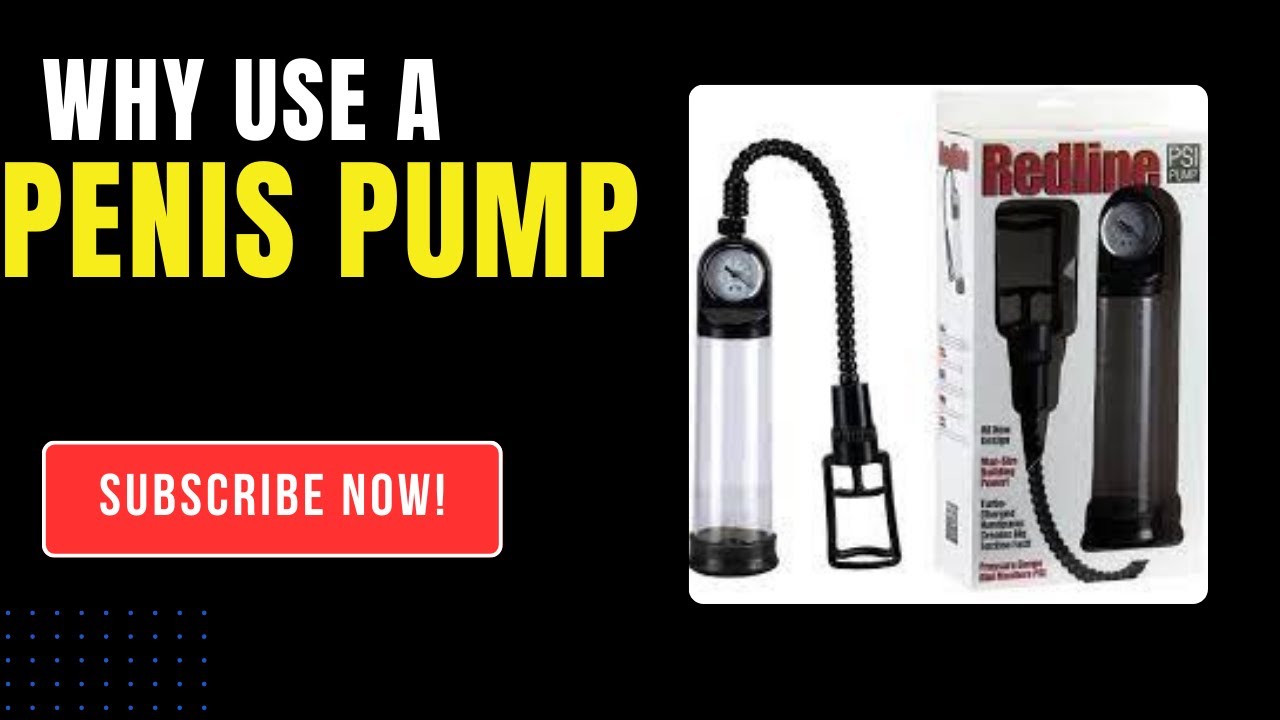
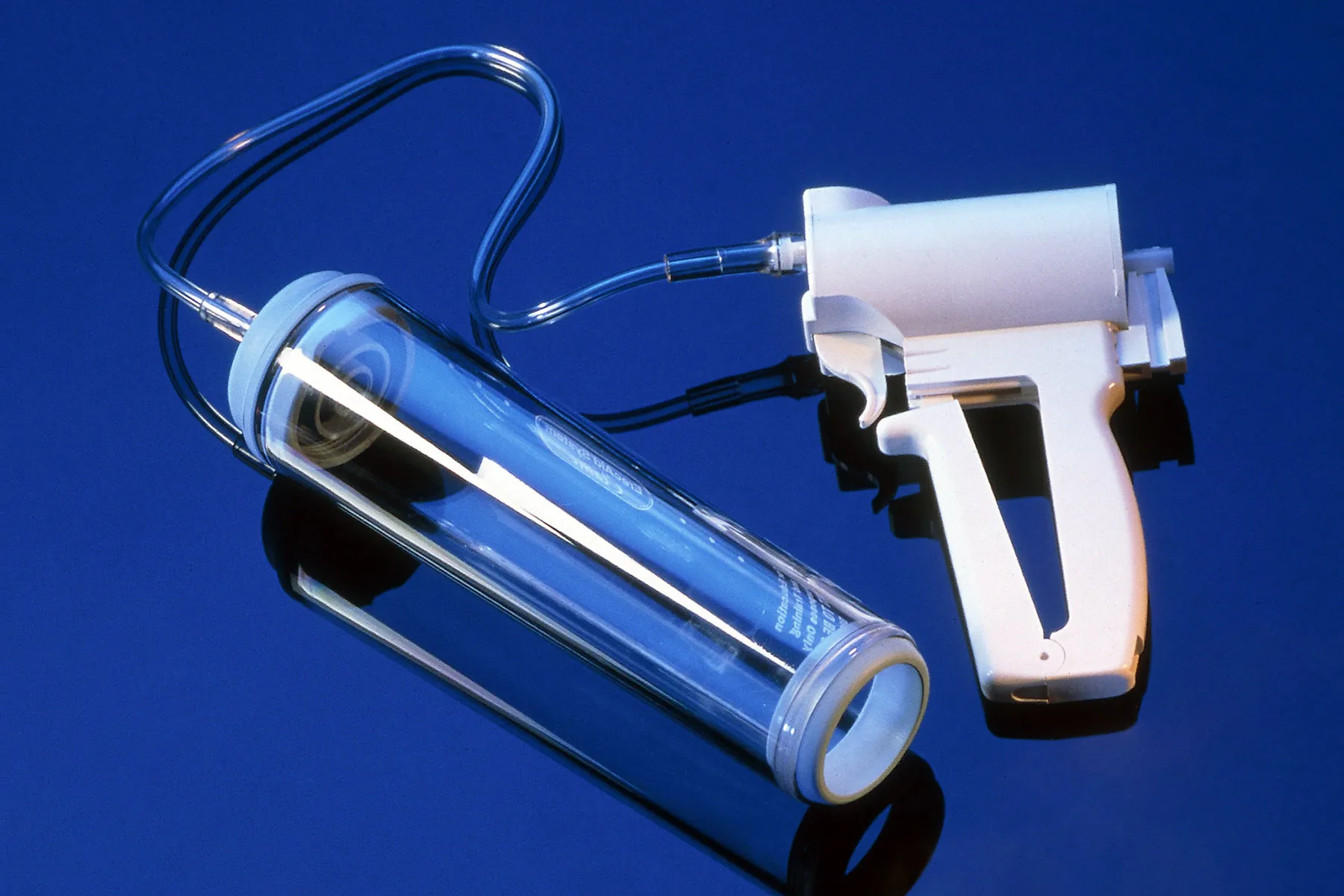
The use of a penis pump has become increasingly popular for men seeking to enhance their sexual health and performance. However, one crucial aspect that often goes unaddressed is the role of lubrication in this process. Before diving into the specifics, it's essential to understand the basic mechanics of how a penis pump works and how lube can affect this process. A penis pump is a device that creates a vacuum around the penis, drawing blood into the penis and causing an erection. The pump works by exploiting the physiological principle that blood flow is essential for achieving and maintaining an erection.
The physiology behind an erection involves the relaxation of smooth muscle in the corpus cavernosum, allowing blood to flow in and be trapped, creating the hardness characteristic of an erection. A penis pump aids this process by manually increasing blood flow, which can be particularly beneficial for individuals experiencing erectile dysfunction. However, the friction and potential dryness associated with using a penis pump can lead to discomfort and even injury if not addressed properly. This is where lubricant comes into play, acting as a buffer between the skin of the penis and the pump, reducing friction and enhancing the overall experience.
The science behind lubrication in this context is rooted in biomechanics and tribology, the study of friction, wear, and lubrication. By applying lube, users can significantly reduce the frictional forces at play, minimizing the risk of skin irritation or injury. Moreover, lubricant can help in creating a more effective seal between the penis and the pump, enhancing the vacuum's efficiency and the overall effectiveness of the device. Understanding these principles empowers individuals to make informed decisions about their sexual health, emphasizing the importance of lubrication in optimizing the penis pump experience.
Biological and Chemical Considerations
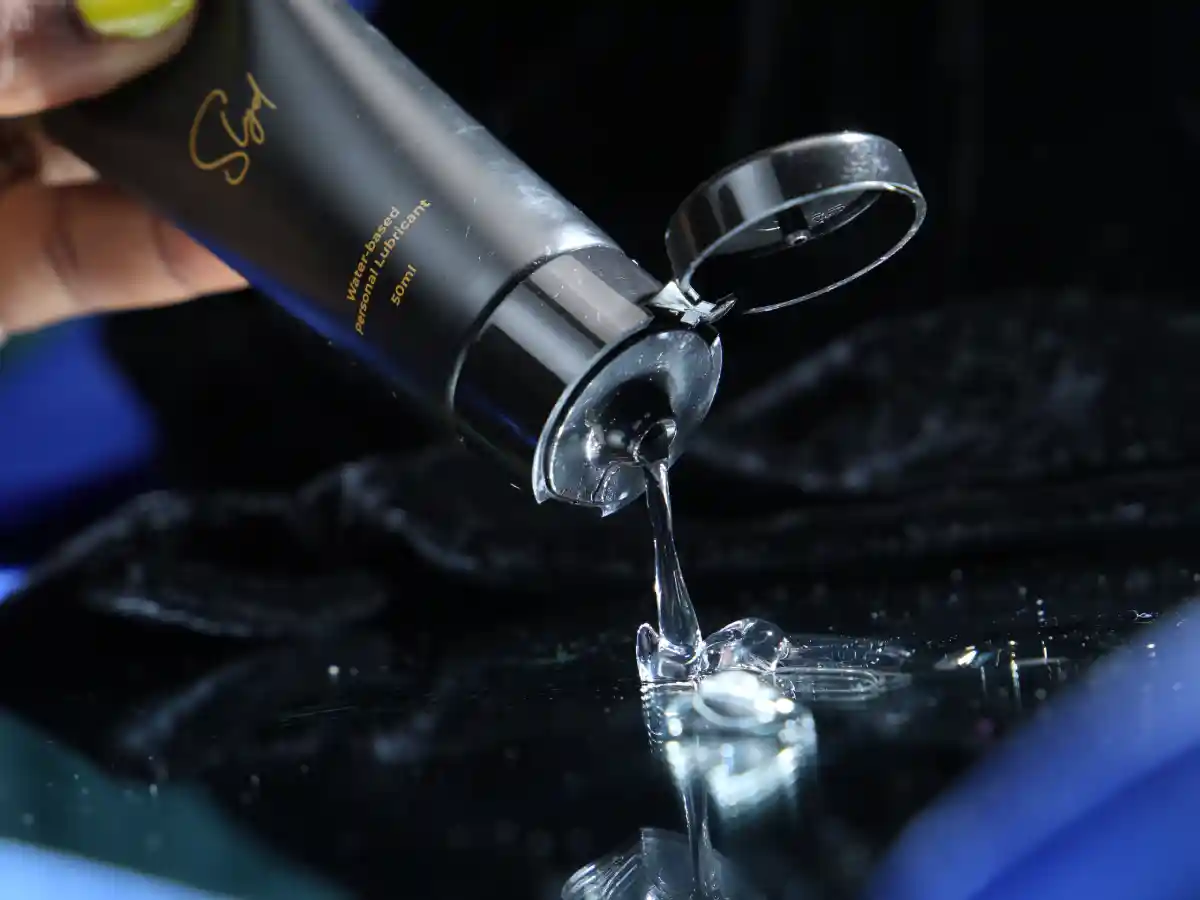
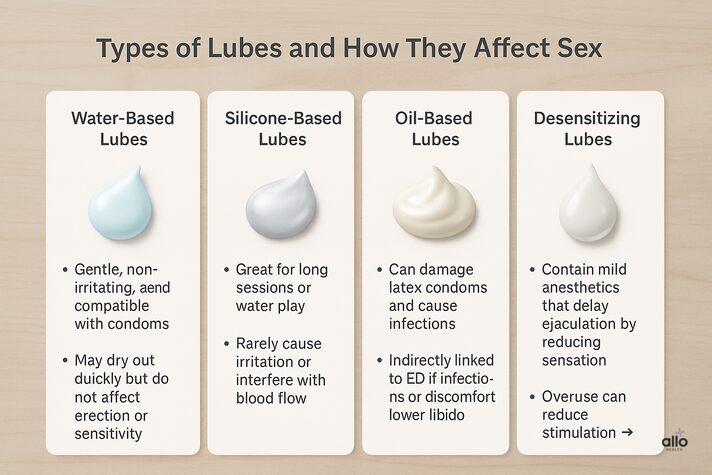
Delving deeper into the biological and chemical aspects of using a penis pump with lube, it's crucial to consider the epithelial layer of the penis and how it interacts with the lubricant and the pump. The mucous membranes in this area are sensitive and require gentle care to prevent irritation. The choice of lubricant can significantly impact this interaction, with water-based and silicone-based lubes being popular options due to their gentle nature and compatibility with most sexual health devices.
The chemical composition of lubricants can also affect their performance and safety. For example, oil-based lubricants are generally not recommended for use with latex products, as they can cause the material to degrade. In contrast, water-based lubes are safe to use with most materials but may require reapplication more frequently due to their quicker absorption rate. Understanding these chemical properties allows individuals to select the most appropriate lubricant for their specific needs, enhancing their safety and satisfaction with the penis pump.
Furthermore, the osmotic balance and pH level of the lubricant are critical factors, especially considering the sensitive nature of the genital area. A lubricant that is hypoallergenic and has a pH close to the natural pH of the skin is ideal for minimizing the risk of irritation. This consideration is essential for long-term health and comfort, demonstrating how a data-driven approach to selecting a lubricant can optimize the penis pump experience.
![The 5 Best Penis Pumps [Actually Tested] - Bedbible.com](https://wp.bedbible.com/wp-content/uploads/2024/04/Bathmate-HydroXtreme-Quality--1536x1157.jpg)
Practical Strategies for Optimization
For individuals looking to integrate lubricant into their penis pump routine effectively, several practical strategies can be employed. Firstly, choosing the right lubricant is paramount. This involves considering the material of the pump, personal comfort, and any allergies or sensitivities. Silicone-based lubes are durable and long-lasting, making them suitable for extended sessions, while water-based lubes are easy to clean up and less likely to cause skin irritation.
Another key strategy is applying the lubricant correctly. A thin, even layer should be applied to both the penis and the interior of the pump to ensure smooth interaction and minimize friction. It's also advisable to reapply lubricant as needed, especially if using a water-based lube, to maintain comfort and effectiveness throughout the session.
In addition to lubricant choice and application, preparation is a critical factor. This includes ensuring the penis and surrounding area are clean and dry before use, which helps prevent the introduction of bacteria and reduces the risk of infection. Moreover, warming up before using the pump, through gentle massage or a warm bath, can increase blood flow and make the experience more comfortable and effective.
For those seeking to enhance their experience further, combining the use of a penis pump with edging techniques or kegel exercises can lead to improved sexual performance and satisfaction. Edging involves bringing oneself to the point of orgasm and then stopping, which can increase sensitivity and control. Kegel exercises, which involve contracting and releasing the pelvic muscles, can improve blood flow and erections. By incorporating these strategies, individuals can optimize their use of a penis pump with lubricant, leading to more fulfilling sexual experiences.
Frequently Asked Questions
What Type of Lubricant is Best for Use with a Penis Pump?
The choice of lubricant depends on several factors, including personal preference, the material of the pump, and any allergies or sensitivities. Generally, water-based and silicone-based lubes are recommended due to their safety, effectiveness, and gentle nature. It's essential to avoid oil-based lubricants if the pump or any accessories are made from latex, as they can cause the material to deteriorate.
In selecting a lubricant, consider its viscosity, longevity, and compatibility. Silicone-based lubes are more durable and less likely to dry out during use, while water-based lubes are easier to clean up and may be preferable for those who experience skin irritation easily. Ultimately, the best lubricant is one that enhances comfort, reduces friction, and is safe to use with the specific pump and accessories being utilized.
How Much Lubricant Should I Use with My Penis Pump?
The amount of lubricant to use can vary depending on individual preferences and the specific characteristics of the pump being used. As a general guideline, apply a thin, even layer to both the penis and the interior of the pump. This helps ensure a smooth, comfortable experience while minimizing the risk of discomfort or injury.
It's also important to reapply lubricant as needed, especially if the session is extended or if using a water-based lube, which may be absorbed more quickly by the skin. The key is to maintain a balance between comfort and the pump's effectiveness, adjusting the amount and type of lubricant based on personal experience and feedback.

Can I Use Any Lubricant with My Penis Pump, or Are There Specific Types to Avoid?
Not all lubricants are suitable for use with a penis pump. Oil-based lubricants, for example, should be avoided if the pump or any of its parts are made from latex, as they can cause the latex to degrade. Additionally, lubricants containing numbing agents or perfumes can be irritating to the skin and should be used with caution.
When selecting a lubricant, opt for products specifically designed for sexual health and compatibility with sexual devices. These lubricants are formulated to be gentle on the skin while providing the necessary lubrication for comfortable and safe use of the penis pump. Always check the ingredients and manufacturer's recommendations to ensure the lubricant chosen is safe and suitable for use.
How Do I Clean and Maintain My Penis Pump to Ensure Hygiene and Longevity?
Cleaning and maintaining the penis pump is crucial for hygiene and longevity. After each use, the pump should be disassembled (if applicable) and washed with mild soap and warm water. It's essential to rinse thoroughly to remove any soap residue, which can affect the performance of the pump or cause skin irritation.
For silicone parts, a mixture of equal parts water and white vinegar can be used to sanitize the material. After cleaning, the pump should be dried completely to prevent bacterial growth. Regular maintenance also involves checking the pump's parts for wear and tear, replacing any damaged components, and ensuring all moving parts are well-lubricated to maintain smooth operation.

Are There Any Potential Risks or Side Effects to Using a Penis Pump with Lubricant?
While using a penis pump with lubricant is generally safe when done correctly, there are potential risks and side effects to be aware of. These can include skin irritation due to the lubricant or the material of the pump, bruising from excessive pressure, and infection if the pump is not cleaned and maintained properly.
To mitigate these risks, it's essential to follow the manufacturer's instructions for the pump and lubricant, start with low pressure and gradually increase as needed, and monitor the body's response to the device. If any discomfort, pain, or unusual symptoms occur, use of the pump should be discontinued, and medical advice sought if necessary. By being aware of these potential risks and taking preventive measures, individuals can enjoy the benefits of using a penis pump while minimizing its risks.
Reflecting on the importance of respecting the science behind using a penis pump with lubricant, it becomes clear that this approach not only enhances the experience but also contributes to better overall sexual health. By understanding the biological and chemical principles at play, individuals can make informed decisions that promote comfort, safety, and effectiveness. This mindset of optimization and awareness extends beyond the use of sexual health devices, influencing how we approach our daily lives with a focus on efficiency, knowledge, and self-care.
This emphasis on science and data-driven decision-making empowers individuals to take control of their sexual health, fostering a more positive and proactive relationship with their bodies. By acknowledging the intricacies of human physiology and the role of lubrication in sexual experiences, we can work towards a more open and informed dialogue about sexual health, breaking down stigmas and promoting a culture of awareness and respect. Through this journey of discovery and optimization, we not only become more efficient and better-informed users of sexual health devices but also more considerate and caring individuals, appreciative of the complex interplay between biology, psychology, and technology in our sexual well-being.
![The 5 Best Penis Pumps [Actually Tested] - Bedbible.com](https://wp.bedbible.com/wp-content/uploads/2024/04/Bathmate-HydroXtreme-Ease-of-Use-1536x1157.jpg)
![The 5 Best Penis Pumps [Actually Tested] - Bedbible.com](https://wp.bedbible.com/wp-content/uploads/2024/04/Bathmate-HydroXtreme-Materials-and-Care-1536x1157.jpg)
![The 5 Best Penis Pumps [Actually Tested] - Bedbible.com](https://wp.bedbible.com/wp-content/uploads/2024/04/Bathmate-HydroXtreme-Price-1536x1157.jpg)
