Prince Albert Piercing Heal Time
The Prince Albert piercing has become a popular choice for those looking to express themselves through body modification. However, like any other piercing, it requires a certain level of care and attention to ensure proper healing. The healing process for a Prince Albert piercing can take anywhere from 6 to 12 months, with some individuals experiencing a shorter or longer healing time. To understand the science behind the healing process, it's essential to delve into the world of wound healing and the biological processes that occur within our bodies.
When a piercing is performed, the body's natural response is to initiate the inflammatory phase of wound healing. This phase is characterized by the activation of platelets, which release chemical signals to attract white blood cells to the affected area. The white blood cells then work to cleanse the area of any debris or bacteria, preparing it for the next stage of healing. As the inflammatory phase subsides, the proliferation phase begins, where the body starts to regenerate tissue and rebuild collagen. Understanding these biological processes is crucial in optimizing the healing time for a Prince Albert piercing.
In addition to the biological processes at play, environmental factors can also impact the healing time of a Prince Albert piercing. For example, poor hygiene can lead to bacterial infections, which can significantly prolong the healing process. Furthermore, tight clothing or irritation from certain materials can cause friction, leading to delayed healing. By being aware of these factors and taking steps to minimize their impact, individuals can optimize their healing time and reduce the risk of complications.
Biological and Chemical Reactions
Delving deeper into the biological and chemical reactions that occur during the healing process of a Prince Albert piercing, it's essential to understand the role of growth factors and cytokines. These chemical signals play a crucial role in regulating the inflammatory response and tissue regeneration. For instance, platelet-derived growth factor (PDGF) is released during the inflammatory phase and helps to attract fibroblasts to the affected area, promoting tissue regeneration. Similarly, transforming growth factor-beta (TGF-β) helps to regulate the proliferation phase by promoting the synthesis of collagen and other essential proteins.
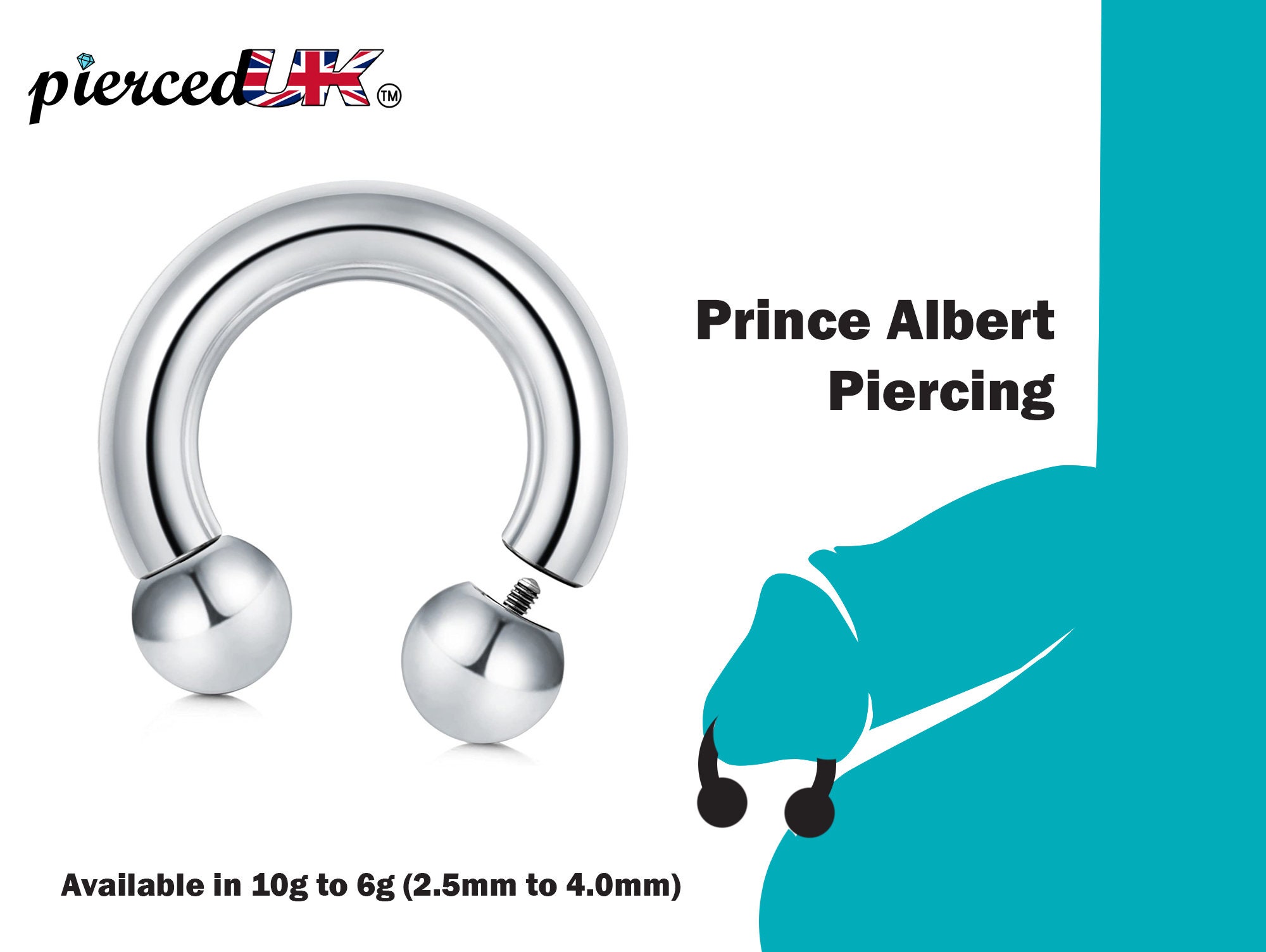
The chemical composition of the piercing jewelry itself can also impact the healing process. For example, hypoallergenic materials such as surgical stainless steel or titanium are often recommended as they are less likely to cause allergic reactions or irritation. On the other hand, materials like silver or copper can cause oxidation, leading to the release of ions that can irritate the surrounding tissue and delay healing.
In addition to the chemical composition of the jewelry, the microbiome of the affected area can also impact the healing process. The genital area is home to a unique community of bacteria that play a crucial role in maintaining immune homeostasis. Disruptions to this balance, such as those caused by antibiotics or poor hygiene, can lead to an imbalance of the microbiome, causing delayed healing or infections.
Practical Strategies for Optimization
To optimize the healing time of a Prince Albert piercing, it's essential to follow a strict aftercare regimen. This includes saline soaks 2-3 times a day, using a gentle soap to clean the area, and avoiding tight clothing or irritation from certain materials. Additionally, individuals can use topical creams or gels containing vitamin E or aloe vera to promote tissue regeneration and reduce inflammation.
Another crucial aspect of optimizing the healing time is to maintain good hygiene. This includes washing your hands before touching the piercing, avoiding shared bathing facilities, and avoiding sexual activity until the piercing is fully healed. By taking these precautions, individuals can minimize the risk of bacterial infections and promote a healthy healing environment.
In addition to these strategies, individuals can also use life hacks to optimize their healing time. For example, using a shawl or bandage to protect the piercing from irritation or friction can help to promote undisturbed healing. Similarly, using a cold compress or ice pack can help to reduce inflammation and promote tissue regeneration.
Finally, it's essential to listen to your body and adjust your aftercare regimen accordingly. If you experience any discomfort, redness, or swelling, it's crucial to consult with a qualified piercer or medical professional for guidance. By being aware of your body's unique needs and taking a proactive approach to aftercare, individuals can optimize their healing time and reduce the risk of complications.

Frequently Asked Questions
What are the most common complications associated with Prince Albert piercings?
The most common complications associated with Prince Albert piercings include bacterial infections, allergic reactions, and delayed healing. These complications can be caused by a variety of factors, including poor hygiene, irritation from certain materials, or genetic predispositions. To minimize the risk of these complications, it's essential to follow a strict aftercare regimen and consult with a qualified piercer or medical professional if you experience any discomfort or concerns.
In addition to these complications, individuals may also experience migration or rejection of the piercing. This can occur when the body rejects the foreign object or when the piercing is not properly secured. To minimize the risk of migration or rejection, it's essential to use high-quality jewelry and follow a strict aftercare regimen. If you experience any concerns or complications, it's crucial to consult with a qualified piercer or medical professional for guidance.
How can I promote tissue regeneration and reduce inflammation during the healing process?
To promote tissue regeneration and reduce inflammation during the healing process, individuals can use a variety of topical creams or gels containing vitamin E or aloe vera. These products can help to regenerate tissue and reduce inflammation, promoting a healthy healing environment. Additionally, individuals can use saline soaks 2-3 times a day to help cleanse the area and promote tissue regeneration.
In addition to these products, individuals can also use cold compresses or ice packs to reduce inflammation and promote tissue regeneration. By applying a cold compress or ice pack to the affected area, individuals can help to constrict blood vessels and reduce inflammation, promoting a healthy healing environment. It's essential to consult with a qualified piercer or medical professional before using any new products or techniques to ensure safe and effective use.

What are the benefits of using hypoallergenic materials for Prince Albert piercings?
The benefits of using hypoallergenic materials for Prince Albert piercings include reducing the risk of allergic reactions and irritation. Materials like surgical stainless steel or titanium are often recommended as they are less likely to cause allergic reactions or irritation. By using hypoallergenic materials, individuals can minimize the risk of complications and promote a healthy healing environment.
In addition to reducing the risk of allergic reactions, hypoallergenic materials can also help to promote tissue regeneration and reduce inflammation. By using materials that are less likely to cause irritation, individuals can help to create a healthy healing environment that promotes tissue regeneration and reduces the risk of complications. It's essential to consult with a qualified piercer or medical professional to determine the best materials for your individual needs.
Can I engage in sexual activity during the healing process of a Prince Albert piercing?
It's generally recommended to avoid sexual activity during the healing process of a Prince Albert piercing. Engaging in sexual activity can cause irritation or friction to the affected area, leading to delayed healing or complications. Additionally, sexual activity can also increase the risk of bacterial infections or allergic reactions, which can prolong the healing process.
However, if you do choose to engage in sexual activity during the healing process, it's essential to take precautions to minimize the risk of complications. This includes using protection to prevent bacterial infections and avoiding rough or vigorous activity that can cause irritation or friction to the affected area. It's crucial to consult with a qualified piercer or medical professional for guidance on safe and healthy sexual activity during the healing process.
How long does it take for a Prince Albert piercing to fully heal?
The healing time for a Prince Albert piercing can vary depending on individual factors, such as hygiene, aftercare, and genetic predispositions. On average, the healing process can take anywhere from 6 to 12 months, with some individuals experiencing a shorter or longer healing time. It's essential to be patient and follow a strict aftercare regimen to promote healthy healing and minimize the risk of complications.
During the healing process, it's essential to monitor your body's progress and adjust your aftercare regimen accordingly. This includes watching for signs of infection or complications, such as redness, swelling, or discharge. If you experience any concerns or complications, it's crucial to consult with a qualified piercer or medical professional for guidance. By being aware of your body's unique needs and taking a proactive approach to aftercare, individuals can optimize their healing time and reduce the risk of complications.
By respecting the science behind the Prince Albert piercing healing process, individuals can take a proactive approach to optimizing their healing time and reducing the risk of complications. This includes understanding the biological processes at play, following a strict aftercare regimen, and being aware of individual factors that can impact the healing process. By taking a data-driven and pragmatic approach to the healing process, individuals can empower themselves with the knowledge and skills necessary to promote healthy healing and minimize the risk of complications.
In conclusion, the Prince Albert piercing healing process is a complex and highly individualized process that requires a deep understanding of the underlying biological processes and chemical reactions. By being aware of the science behind the healing process and taking a proactive approach to aftercare, individuals can optimize their healing time and reduce the risk of complications. Whether you're a seasoned piercer or a newcomer to the world of body modification, understanding the science behind the Prince Albert piercing healing process can help you make informed decisions and promote healthy healing.