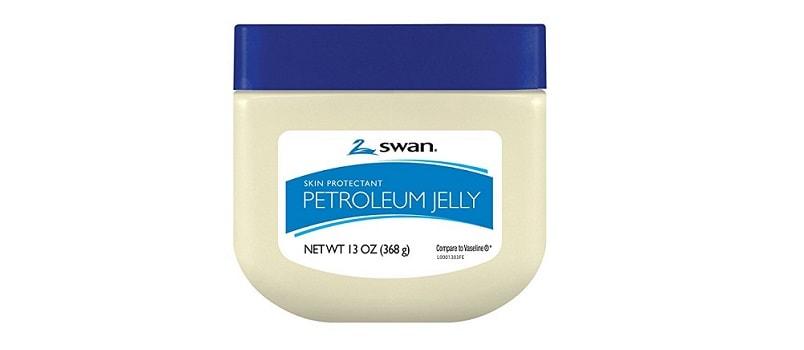
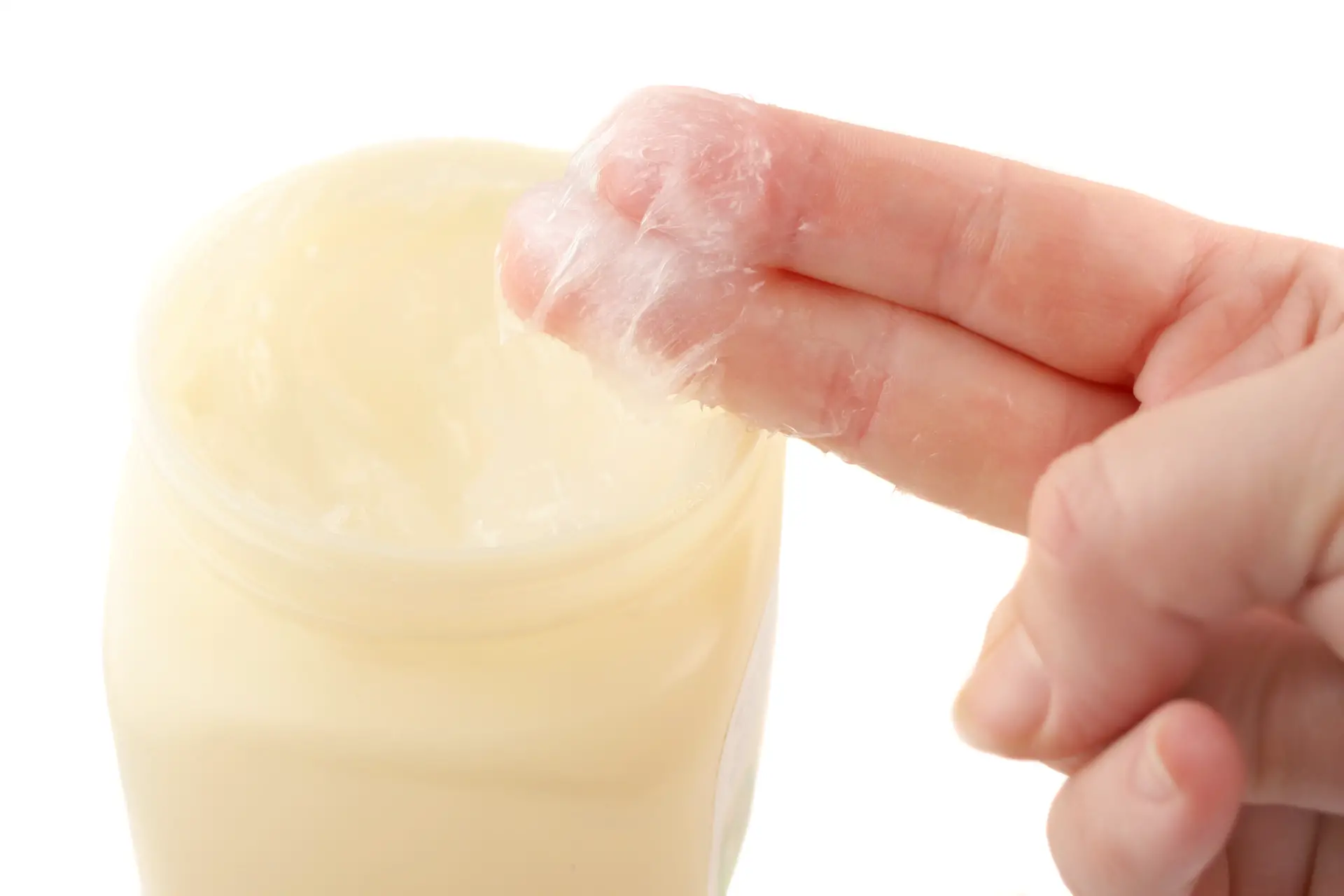
Petroleum Jelly For Sex Lubricant

I still remember the day my friend, let's call her Sarah, confessed to me that she used petroleum jelly as a sex lubricant. I was taken aback, not because I'm a prude, but because I had always thought of Vaseline as something you apply to dry skin or chapped lips, not exactly the most... ahem... intimate of uses. Little did I know, Sarah wasn't alone in this, and it sparked my curiosity to explore this topic further.
So, why do people use petroleum jelly for sex? Well, it's cheap, easily accessible, and some might say it gets the job done. However, and this is a big however, using petroleum jelly as a lubricant during sex is not exactly the most recommended practice, and we'll get into the why of it all soon.
The Basics of Petroleum Jelly
Before we dive into the nitty-gritty, let's talk about what petroleum jelly actually is. It's a byproduct of oil refining, a petroleum-based product that's been used for over a century in various ways, from skin care to, well, you know. It's known for its ability to lock in moisture and protect the skin, which might sound like it would make it a good candidate for a sex lubricant, but beware, dear readers.
Must Read
The thing is, petroleum jelly isn't water-soluble, which means it can't be easily washed away with water, and this can lead to all sorts of issues, including infections and irritation. And let's not forget, it can also degrade condoms, making them more prone to breaking, which is definitely not what you want to happen in the heat of the moment.
Risks and Consequences
Now, I know some of you might be thinking, "But it feels okay, so what's the harm?" Well, the harm is that using petroleum jelly as a sex lubricant can lead to some pretty serious health issues, including bacterial vaginosis and yeast infections. Not to mention, it can also cause skin irritation and allergic reactions in some people.

And if you're using condoms, like I mentioned earlier, petroleum jelly can cause them to break more easily, which can lead to unplanned pregnancies and the transmission of STIs. Not exactly the kind of risks you want to take when it comes to your sexual health.
So, what's the best alternative? Well, there are plenty of other lubricants out there that are specifically designed for sex, and they're usually water-based or silicone-based. These are much safety-friendly options that won't cause the same kind of issues as petroleum jelly.
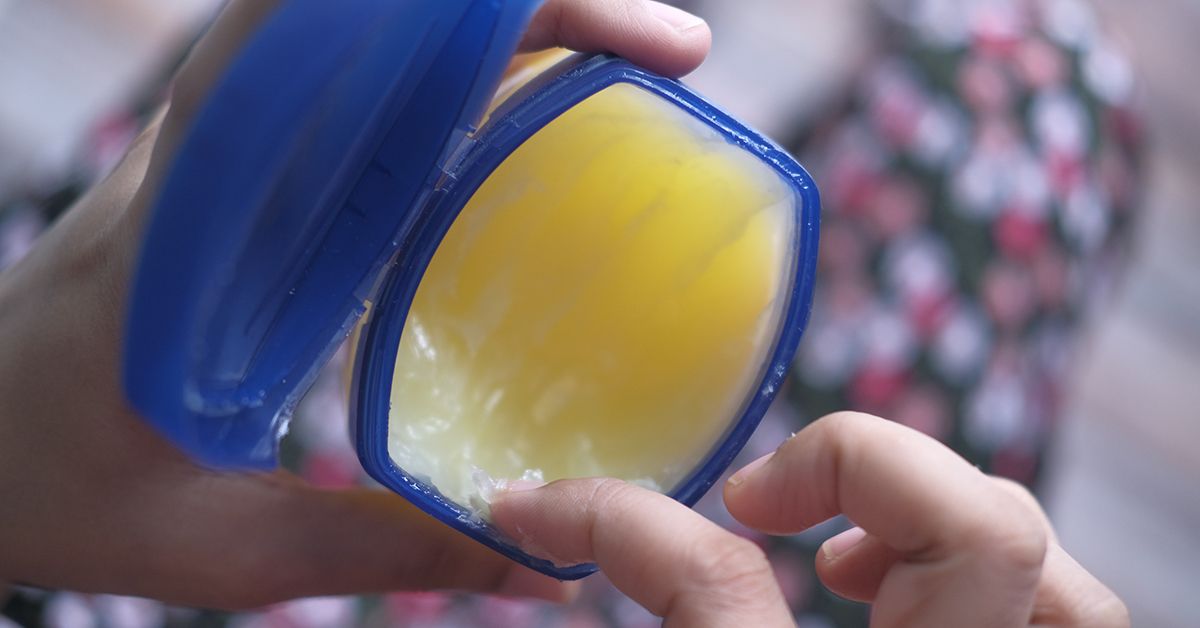
Now, I know some of you might be thinking, "But I've been using petroleum jelly for years and I'm fine!" And hey, I'm not here to judge, but just because you haven't had any issues yet, doesn't mean you won't in the future. It's always better to be safe than sorry, especially when it comes to your health and wellbeing.
So, there you have it, folks. While it might seem like an easy fix, using petroleum jelly as a sex lubricant just isn't worth the risks. Trust me, your body (and your partner) will thank you for making the switch to a safer, more reliable lubricant.
In conclusion, it's always important to do your research and prioritize your sexual health. And hey, if you're still unsure about what lubricant to use, you can always consult with a healthcare professional or do some more research online. Just remember, it's always better to be safe than sorry, especially when it comes to your body and wellbeing.