Meaning Of Retrograde Ejaculation
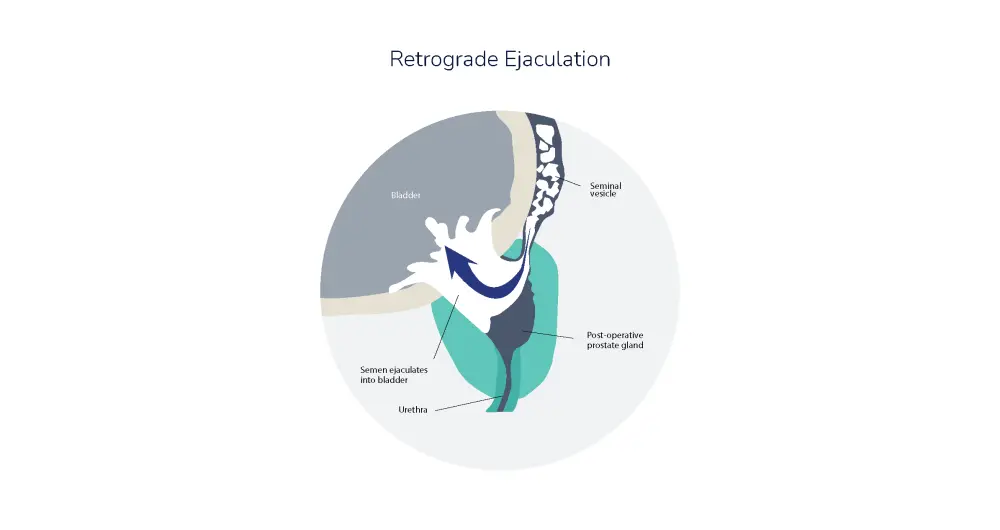
The concept of retrograde ejaculation is a complex and multifaceted phenomenon that has garnered significant attention in the realms of urology and reproductive health. At its core, retrograde ejaculation refers to the involuntary backward flow of semen into the bladder during orgasm, rather than the normal forward flow through the urethra. This condition can be caused by a variety of factors, including diabetes, neurological disorders, and certain medications.
From a biological perspective, retrograde ejaculation is often associated with neurological and hormonal imbalances. The normal ejaculatory process involves a complex interplay of nerve signals and muscular contractions, which can be disrupted by various factors, leading to retrograde flow. Understanding the underlying mechanisms of this condition is crucial for developing effective treatment strategies and improving overall reproductive health.
In everyday life, retrograde ejaculation can have significant implications for individuals and couples. The condition can lead to infertility, erectile dysfunction, and decreased libido, all of which can have a profound impact on relationships and overall well-being. By recognizing the signs and symptoms of retrograde ejaculation and seeking medical attention, individuals can take the first step towards addressing this condition and optimizing their reproductive health.
Must Read
Understanding the Science Behind Retrograde Ejaculation
The biological process underlying retrograde ejaculation is multifaceted and involves a complex interplay of hormonal, neurological, and muscular factors. During orgasm, the internal urethral sphincter normally contracts, allowing semen to flow forward through the urethra. However, in cases of retrograde ejaculation, this sphincter fails to contract, allowing semen to flow backward into the bladder.
The neurological control of ejaculation is a critical aspect of retrograde ejaculation. The ejaculatory process is regulated by a complex network of nerve signals and hormonal interactions, which can be disrupted by various factors, including diabetes, neurological disorders, and certain medications. By understanding the neurological mechanisms underlying retrograde ejaculation, researchers and clinicians can develop more effective treatment strategies for this condition.
In addition to neurological and hormonal factors, retrograde ejaculation can also be influenced by anatomical and mechanical factors. For example, prostate issues or urethral strictures can contribute to the development of retrograde ejaculation. By recognizing the complex interplay of factors underlying this condition, individuals can take a more holistic approach to addressing retrograde ejaculation and optimizing their reproductive health.

Mastering Retrograde Ejaculation: Practical Strategies and Life Hacks
For individuals experiencing retrograde ejaculation, there are several practical strategies and life hacks that can help alleviate symptoms and improve overall reproductive health. One effective approach is to strengthen the pelvic floor muscles through Kegel exercises or other forms of pelvic floor physical therapy. By improving muscular control and neurological function, individuals can reduce the likelihood of retrograde ejaculation and enhance their overall sexual function.
Another key strategy for addressing retrograde ejaculation is to manage stress and anxiety. High levels of stress and anxiety can contribute to neurological dysfunction and hormonal imbalances, both of which can exacerbate retrograde ejaculation. By engaging in stress-reducing activities such as meditation, yoga, or deep breathing exercises, individuals can help mitigate the negative impacts of stress and anxiety on their reproductive health.
In addition to pelvic floor exercises and stress management, there are several medications and supplements that can help alleviate symptoms of retrograde ejaculation. For example, alpha-blockers and 5-alpha-reductase inhibitors can help improve urinary flow and reduce the likelihood of retrograde ejaculation. By working with a healthcare provider to develop a personalized treatment plan, individuals can take a proactive approach to addressing retrograde ejaculation and optimizing their reproductive health.
Finally, lifestyle modifications such as quit smoking, limiting alcohol consumption, and engaging in regular exercise can also help alleviate symptoms of retrograde ejaculation. By adopting a healthy and balanced lifestyle, individuals can reduce their risk of developing chronic diseases and improve their overall well-being, including their reproductive health.

Frequently Asked Questions About Retrograde Ejaculation
What are the main causes of retrograde ejaculation?
The main causes of retrograde ejaculation include diabetes, neurological disorders, and certain medications. Additionally, prostate issues or urethral strictures can contribute to the development of retrograde ejaculation. By understanding the underlying causes of this condition, individuals can take a more targeted approach to addressing their symptoms and improving their overall reproductive health.
In some cases, retrograde ejaculation can be caused by a combination of factors, making it essential to work with a healthcare provider to develop a comprehensive treatment plan. By addressing the underlying causes of retrograde ejaculation and adopting a healthy and balanced lifestyle, individuals can reduce their risk of developing chronic diseases and improve their overall well-being, including their reproductive health.
How is retrograde ejaculation diagnosed?
The diagnosis of retrograde ejaculation typically involves a combination of physical examination, medical history, and laboratory tests. A healthcare provider may perform a digital rectal examination to assess the prostate gland and seminal vesicles, and may also order urine tests or semen analysis to evaluate urinary flow and semen quality.
In some cases, imaging studies such as ultrasound or MRI may be necessary to evaluate the urethra and bladder for any abnormalities. By working with a healthcare provider to develop a comprehensive diagnosis and treatment plan, individuals can take a proactive approach to addressing retrograde ejaculation and optimizing their reproductive health.

Can retrograde ejaculation be treated?
Yes, retrograde ejaculation can be treated with a combination of medications, lifestyle modifications, and alternative therapies. Alpha-blockers and 5-alpha-reductase inhibitors can help improve urinary flow and reduce the likelihood of retrograde ejaculation. Additionally, pelvic floor exercises and stress management techniques can help alleviate symptoms and improve overall reproductive health.
In some cases, surgery may be necessary to address underlying anatomical or mechanical issues contributing to retrograde ejaculation. By working with a healthcare provider to develop a personalized treatment plan, individuals can take a proactive approach to addressing retrograde ejaculation and optimizing their reproductive health.
How can I prevent retrograde ejaculation?
To prevent retrograde ejaculation, it is essential to adopt a healthy and balanced lifestyle, including regular exercise, balanced diet, and stress management. Additionally, avoiding smoking and limiting alcohol consumption can help reduce the risk of developing chronic diseases and improve overall well-being, including reproductive health.
By being aware of the signs and symptoms of retrograde ejaculation and seeking medical attention if necessary, individuals can take a proactive approach to addressing this condition and optimizing their reproductive health. Regular check-ups with a healthcare provider can also help identify any underlying issues contributing to retrograde ejaculation and develop a comprehensive treatment plan.

What are the long-term effects of retrograde ejaculation?
The long-term effects of retrograde ejaculation can include infertility, erectile dysfunction, and decreased libido, all of which can have a profound impact on relationships and overall well-being. By addressing the underlying causes of retrograde ejaculation and adopting a healthy and balanced lifestyle, individuals can reduce their risk of developing chronic diseases and improve their overall well-being, including their reproductive health.
In some cases, retrograde ejaculation can also lead to emotional distress and relationship problems. By seeking support from a healthcare provider, therapist, or support group, individuals can address the emotional and psychological impacts of retrograde ejaculation and develop coping strategies to improve their overall well-being.
By respecting the science behind retrograde ejaculation, individuals can take a proactive approach to addressing this condition and optimizing their reproductive health. By understanding the complex interplay of hormonal, neurological, and muscular factors underlying retrograde ejaculation, individuals can develop effective strategies for managing symptoms and improving overall well-being.
Ultimately, retrograde ejaculation is a complex condition that requires a comprehensive and multifaceted approach to treatment. By working with a healthcare provider and adopting a healthy and balanced lifestyle, individuals can reduce their risk of developing chronic diseases and improve their overall well-being, including their reproductive health. By taking a proactive and informed approach to addressing retrograde ejaculation, individuals can optimize their reproductive health and improve their overall quality of life.