Kegel Exercises For Sexual Performance

In the realm of sexual performance, there exist numerous tips, tricks, and exercises designed to enhance the experience for both partners. Among these, Kegel exercises stand out as a simple yet powerful tool. The concept of Kegel exercises, named after Dr. Arnold Kegel who first introduced them in the 1940s, has been around for decades but has gained significant popularity in recent years due to its profound impact on sexual health and overall pelvic floor strength. Initially designed to help women recover from childbirth and mitigate issues like incontinence, the benefits of Kegel exercises have expanded to include improved sexual performance and satisfaction for both men and women.
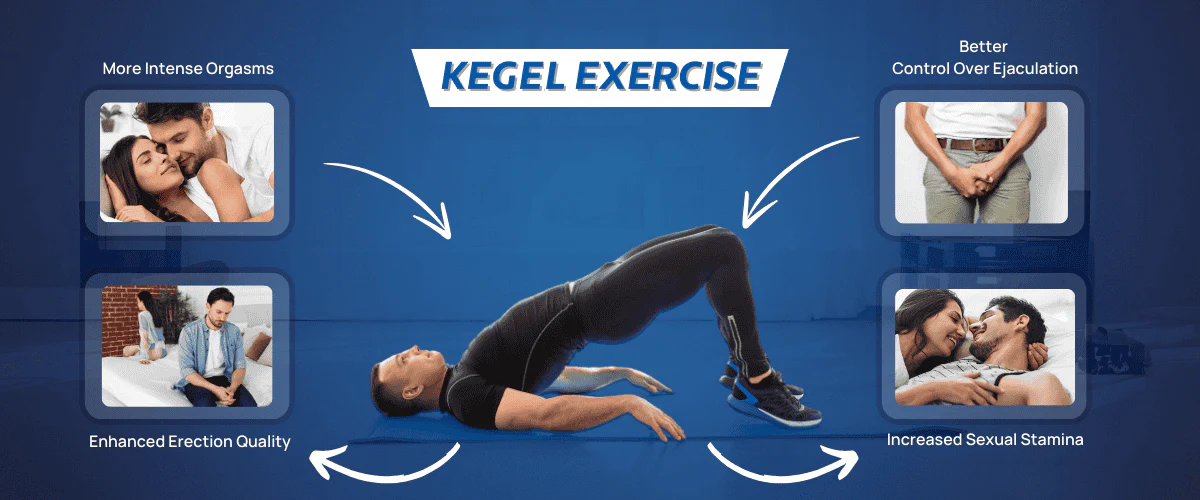
The essence of Kegel exercises lies in their ability to strengthen the pubococcygeus muscle (PC muscle), which plays a critical role in sexual function. For men, strengthening this muscle can lead to more intense orgasms and improved erectile function. For women, it can enhance orgasmic sensitivity and vaginal tightness, leading to a more satisfying sexual experience. The cultural and historical context of Kegel exercises is fascinating, with evidence suggesting that similar practices have been part of ancient sexual health rituals in various cultures. Today, with the openness about sexual health increasing, Kegel exercises are more relevant than ever, offering a natural, non-invasive method to boost sexual performance.
Understanding Kegel Exercises: History, Psychology, and Cultural Impact
Diving deeper into the history of Kegel exercises, it's interesting to note how Dr. Kegel developed these exercises as a non-surgical method to help women strengthen their pelvic muscles post-childbirth. Over the years, the understanding and application of Kegel exercises have evolved. Psychology plays a significant role in the effectiveness of Kegel exercises. The mindset and awareness of one's body are crucial. Mindfulness and body awareness can significantly enhance the outcomes of these exercises, turning them into a more holistic approach to sexual health and performance. Culturally, the acceptance and practice of Kegel exercises vary widely, reflecting broader societal attitudes towards sexual health and wellness.
From a psychological perspective, the impact of Kegel exercises extends beyond the physical realm. They can boost confidence and self-esteem, especially when individuals notice improvements in their sexual performance and overall health. The practice of Kegel exercises encourages a deeper connection with one's body, promoting body positivity and sexual empowerment. This, in turn, can lead to more fulfilling sexual relationships, as both partners feel more confident and connected to their desires and needs.
The cultural impact of Kegel exercises is perhaps most evident in how they've become a staple of modern sexual wellness discussions. They're no longer seen as merely a solution for postpartum women but as a universal tool for anyone looking to enhance their sexual experience. This shift reflects a broader movement towards open discussions about sexual health, recognizing that sexual performance and satisfaction are fundamental aspects of overall wellness. As such, Kegel exercises have become a part of mainstream sexual health advice, featured in lifestyle magazines, sexual health websites, and even in comedy shows, highlighting their normalization in popular culture.
Practical Applications and Benefits
So, how does one incorporate Kegel exercises into their daily routine? For both men and women, the process begins with identifying the PC muscle, typically done by stopping the flow of urine mid-stream. Once the muscle is located, individuals can start doing Kegels by contracting the muscle for a few seconds and then releasing. It's recommended to start with short sessions and build up to more prolonged and frequent exercises. Consistency is key, and making Kegels a part of daily routine, such as during brushing teeth or right before sleep, can help in forming a habit.

- For men, Kegel exercises can be particularly beneficial in controlling premature ejaculation and improving ejaculatory force.
- For women, they can increase vaginal elasticity and enhance orgasmic pleasure.
- Both partners can benefit from the increased intimacy and connection that comes from practicing Kegels together, fostering a sense of mutual care and sexual wellness.
Case studies and testimonials abound with individuals experiencing significant improvements in their sexual performance after regular practice of Kegel exercises. For example, couples who practice Kegels together often report a deeper connection and increased sexual satisfaction, attributing their enhanced intimacy to the mutual effort and awareness of their sexual health. Moreover, the practice of Kegel exercises encourages a proactive approach to sexual wellness, prompting individuals to prioritize their sexual health and seek out additional information and resources to further enhance their sexual experiences.
Incorporating Kegel exercises into one's lifestyle doesn't have to be a solitary activity. Couples can engage in Kegel exercises as a form of foreplay or as a relaxation technique before intimacy. This shared practice not only strengthens the pelvic muscles but also fosters a sense of togetherness and mindedness, emphasizing the emotional and psychological aspects of sexual performance. By doing so, Kegel exercises transcend their physical benefits, becoming a tool for emotional intimacy and relationship strengthening.
Frequently Asked Questions
What are the Immediate Benefits of Starting Kegel Exercises?
The immediate benefits of starting Kegel exercises can be quite motivating. Within a few weeks of consistent practice, individuals may start noticing improvements in their urinary control and sexual performance. For women, this might mean experiencing stronger orgasms, while for men, it could result in longer-lasting erections. These early benefits can encourage continued practice, leading to more profound and long-term enhancements in sexual health and overall well-being.
The psychological benefits should not be underestimated. Starting to see improvements in sexual performance can boost self-esteem and confidence, leading to a more fulfilling sexual life. Moreover, the awareness and connection with one's body that comes from practicing Kegel exercises can foster a more positive body image and an openness to sexual exploration, further enriching one's sexual experiences and relationships.
Can Kegel Exercises Help with Erectile Dysfunction?
Kegel exercises can indeed play a role in helping with erectile dysfunction (ED). By strengthening the pelvic muscles, men can experience improvements in blood flow and erection quality. While Kegel exercises are not a replacement for medical treatment, they can be a beneficial adjunctive therapy for men dealing with ED. The exercises can help in increasing sexual confidence and control, reducing the psychological factors that might exacerbate ED.
In some cases, erectile dysfunction can have psychological roots, such as performance anxiety or low self-esteem. Kegel exercises, by improving physical sexual performance, can also have a positive psychological impact, helping to alleviate some of these underlying issues. Moreover, the practice of Kegels encourages a proactive and positive approach to sexual health, prompting men to address their sexual wellness more holistically, including seeking medical help when necessary.
How Do Kegel Exercises Affect Female Orgasms?
For women, Kegel exercises can have a profound impact on orgasmic intensity and frequency. By strengthening the pelvic floor muscles, women can experience stronger, more intense orgasms. The heightened sensitivity and awareness of the pelvic area can also make women more aware of their sexual desires and needs, allowing for a more fulfilling sexual experience.

The effect of Kegel exercises on female orgasms also extends to vaginal elasticity and lubrication, factors that can significantly influence the quality of sexual intercourse. Women practicing Kegel exercises may find that they can achieve orgasm more easily and that their overall sexual satisfaction increases. This, in turn, can lead to a more satisfying sexual relationship, as both partners are more connected to their own and each other's sexual needs and desires.
Can Men Do Kegel Exercises Too?
Absolutely, men can and should do Kegel exercises. While they were initially recommended for women, the benefits of Kegel exercises are not gender-specific. Men can experience improvements in erectile function, premature ejaculation control, and orgasm intensity through regular practice of Kegel exercises. The exercises work by strengthening the muscles that control ejaculation and erection, leading to better sexual performance and satisfaction.
For men, incorporating Kegel exercises into their daily routine can be as simple as doing a few sets during their morning and evening routines. The key is consistency and patience, as noticeable benefits may take some time to develop. Men can also benefit from the general health improvements associated with strengthened pelvic floor muscles, such as better urinary control and lower back support.
How Often Should Kegel Exercises Be Done?
The frequency of Kegel exercises depends on individual goals and current pelvic floor strength. Generally, it's recommended to start with shorter sets (5-10 repetitions) several times a day and gradually increase both the number of repetitions and the frequency of sets as the muscles strengthen. Consistency is more important than the duration of each set, so even small, regular practice can lead to significant benefits over time.

It's also important to listen to one's body and not overdo it, especially when starting out. Overexertion can lead to fatigue or even discomfort in the pelvic area. A balanced approach, combining Kegel exercises with other aspects of sexual health and wellness, can lead to the most satisfying and sustainable improvements in sexual performance and overall quality of life.
Reflecting on the practice of Kegel exercises and their impact on our daily lives, it becomes clear that these exercises represent more than just a physical routine; they embody a mindset shift towards proactive sexual health and wellness. In an era where conversations about sexual health are becoming increasingly open and normalized, Kegel exercises offer a practical, accessible way for individuals to take control of their sexual well-being, fostering a deeper connection with their bodies and their partners.
The connection between Kegel exercises and human nature is profound. At their core, these exercises speak to fundamental human desires for intimacy, connection, and fulfillment. By strengthening the physical aspects of our sexual health, Kegel exercises also nurture the emotional and psychological dimensions of our sexual experiences, highlighting the intricate interplay between body and mind in human sexuality.
Ultimately, the practice of Kegel exercises serves as a reminder of the complexity and beauty of human sexuality. It encourages us to embrace our sexuality with curiosity, openness, and care, recognizing that sexual health is an integral part of our overall well-being. As we navigate the intricacies of sexual relationships and personal sexual wellness, Kegel exercises stand out as a simple yet powerful tool, offering a path towards more fulfilling, satisfying sexual experiences and a deeper understanding of ourselves and our bodies.