Items That Are Not Allowed On Carry On Luggage
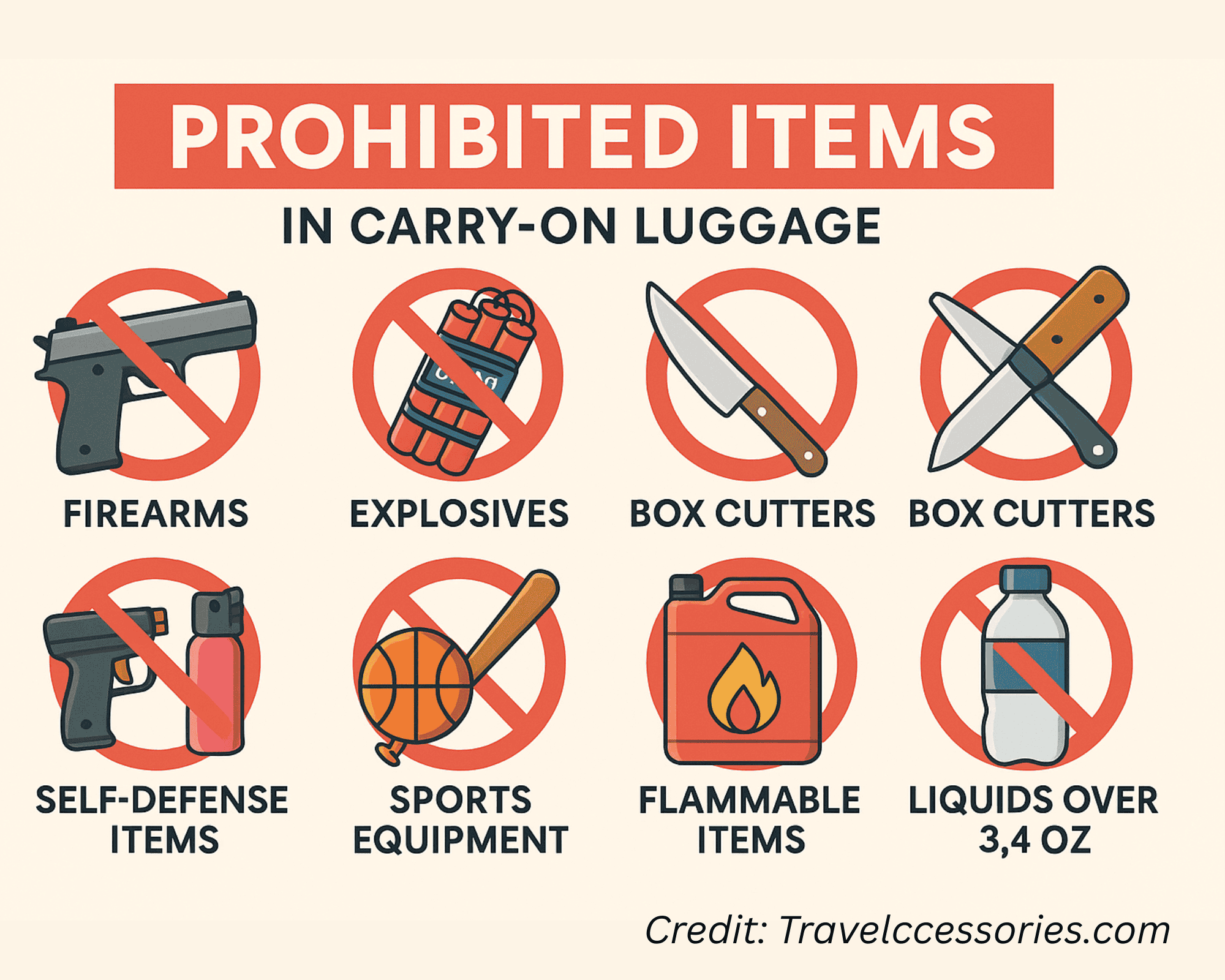
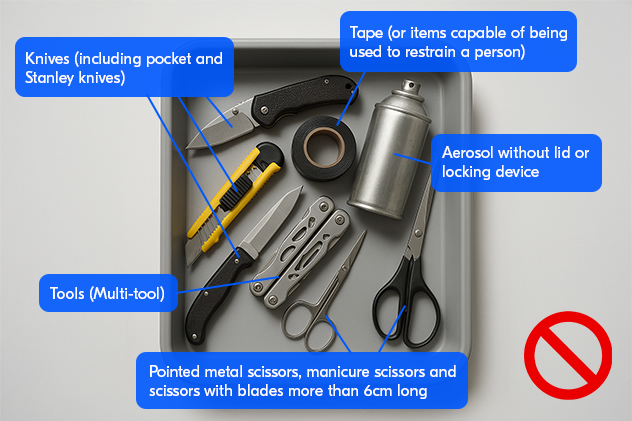
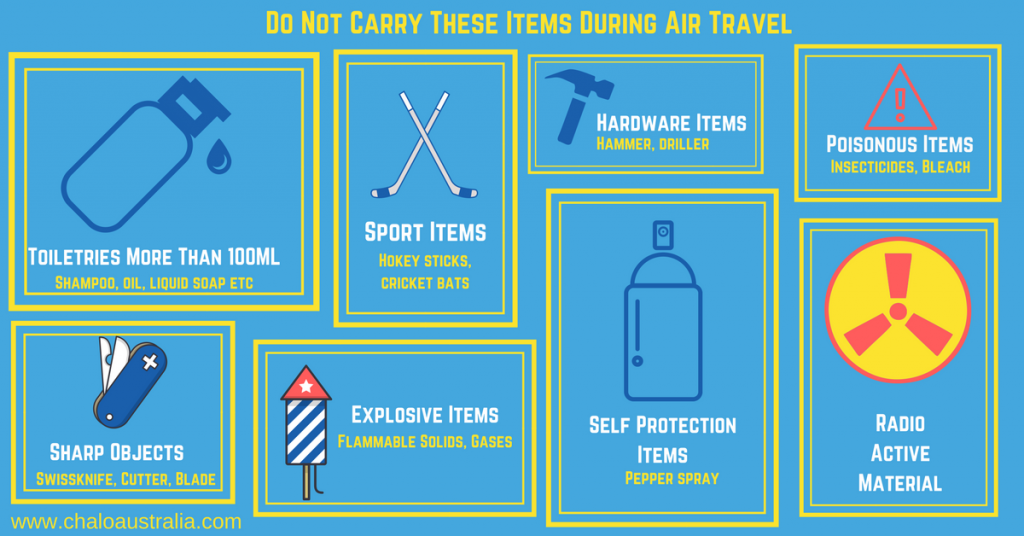
When it comes to traveling, one of the most crucial aspects to consider is what we can and cannot bring in our carry-on luggage. The rules and regulations surrounding this topic have been in place for decades, and it's essential to understand them to avoid any unnecessary hassle or even danger. The history of these regulations dates back to the early days of commercial air travel, when the primary concern was the safety of passengers and crew. Over the years, the list of prohibited items has evolved to include a wide range of objects, from the obvious, such as firearms and explosives, to the less apparent, like Lithium batteries and certain types of knives.
As we navigate the complex world of air travel, it's fascinating to note how these regulations have become an integral part of our culture. We've all heard the familiar phrase, "Please ensure your seatbelts are securely fastened, and all electronic devices are in airplane mode," but have you ever stopped to think about the reasoning behind these rules? The fact is, our carry-on luggage can pose a significant threat to the safety of the aircraft, its passengers, and crew. By understanding what items are not allowed in our carry-on luggage, we can contribute to a smoother, more secure flying experience for everyone. So, let's delve into the world of prohibited items and explore what's really going on behind the scenes.
Understanding the Rules
As we explore the world of prohibited items, it's essential to understand the psychology behind these regulations. Why do we feel the need to control what people bring onto an aircraft? The answer lies in the concept of risk management. By restricting certain items, airlines and regulatory bodies can minimize the risk of accidents, injuries, or even terrorist attacks. This approach may seem overly cautious, but it's a necessary evil in the world of commercial air travel. Consider the infamous story of Richard Reid, the "Shoe Bomber," who attempted to detonate an explosive device hidden in his shoe on a flight from Paris to Miami. Incidents like these have led to the implementation of stricter security measures, including the prohibition of certain items in carry-on luggage.
Must Read
Another critical aspect to consider is the cultural impact of these regulations. In today's globalized world, air travel has become an integral part of our lives, connecting people from diverse backgrounds and cultures. However, this increased mobility also raises concerns about security and safety. By understanding the rules surrounding prohibited items, we can better appreciate the complexities of international air travel and the efforts made to ensure our safety. For instance, the TSA's 3-1-1 liquids rule may seem like a hassle, but it's designed to prevent the transportation of flammable liquids and gels that could pose a threat to the aircraft.
As we continue to navigate the world of air travel, it's essential to recognize the human factor in the equation. We've all experienced the frustration of having an item confiscated at security or being forced to gate-check our luggage due to size restrictions. However, by understanding the reasoning behind these rules, we can develop a greater appreciation for the complexities of air travel and the measures in place to ensure our safety. So, the next time you're tempted to sneak a prohibited item onto a flight, remember the potential consequences and the importance of complying with regulations.
Real-World Scenarios and Takeaways
So, what happens when we encounter a situation where we're unsure about what items are allowed in our carry-on luggage? The key is to be prepared and informed. Let's consider a few scenarios: you're a musician traveling with a valuable instrument, or perhaps you're a business traveler with a laptop and sensitive documents. In these situations, it's crucial to understand the rules and regulations surrounding special items and electronic devices. By doing so, you can ensure a smooth and hassle-free travel experience.

Another critical aspect to consider is the concept of layered security. This approach involves multiple levels of security checks, from check-in and baggage screening to passenger screening and immigration control. By understanding how these layers work together, we can better appreciate the efforts made to ensure our safety and security. For instance, the use of AI-powered scanners and biometric data can help identify potential threats and prevent them from reaching the aircraft.
In addition to understanding the rules and regulations, it's also essential to be aware of our surroundings and report any suspicious activity. This might include unattended luggage or behavior that seems out of the ordinary. By being vigilant and taking an active role in ensuring our safety, we can contribute to a more secure and enjoyable travel experience. So, the next time you're at the airport, take a moment to appreciate the efforts made to keep you safe and consider how you can play a part in this process.
As we continue to navigate the world of air travel, it's crucial to stay up-to-date with the latest regulations and guidelines. This might involve checking the TSA's website or consulting with your airline about specific items that are prohibited or restricted. By being informed and prepared, we can avoid any unnecessary hassle or frustration and ensure a smooth, enjoyable journey. Whether you're a seasoned traveler or just starting to explore the world of air travel, understanding the rules and regulations surrounding carry-on luggage is essential for a safe and successful trip.
Frequently Asked Questions
What items are strictly prohibited in carry-on luggage?
The list of prohibited items in carry-on luggage is extensive and includes firearms, explosives, Lithium batteries, and certain types of knives. It's essential to check with your airline or the TSA's website for the most up-to-date information on prohibited items. Additionally, some items, such as tools and sporting goods, may be allowed in checked luggage but are prohibited in carry-on luggage.

Understanding the list of prohibited items is crucial to avoiding any unnecessary hassle or frustration during the security screening process. By being informed and prepared, you can ensure a smooth and enjoyable travel experience. Remember, the rules and regulations surrounding carry-on luggage are in place to ensure your safety and security, so it's essential to take them seriously and comply with all guidelines.
Can I bring my laptop and liquids in my carry-on luggage?
The answer to this question is a bit more complicated. While laptops are allowed in carry-on luggage, they must be removed from your bag and placed in a bin for screening. As for liquids, the TSA's 3-1-1 rule applies, which means that liquids, gels, and aerosols must be in containers of 3.4 ounces or less and fit in a clear, quart-sized zip-top bag.
It's essential to understand these rules to avoid any issues during the security screening process. By being informed and prepared, you can ensure that your laptop and liquids are screened quickly and efficiently, allowing you to get to your gate on time. Remember, the TSA's rules and regulations are in place to ensure your safety and security, so it's crucial to take them seriously and comply with all guidelines.
What happens if I accidentally bring a prohibited item in my carry-on luggage?
If you accidentally bring a prohibited item in your carry-on luggage, it's essential to be honest and declare the item to the security officer. Depending on the item and the circumstances, you may be allowed to gate-check your bag or return the item to your vehicle. In some cases, you may be subject to additional screening or penalties.

The key is to be cooperative and understanding, as the security officers are simply doing their job to ensure your safety and security. By being honest and transparent, you can avoid any unnecessary hassle or frustration and ensure a smooth travel experience. Remember, it's always better to err on the side of caution and check the TSA's website or consult with your airline before bringing any items that may be prohibited or restricted.
Can I bring my musical instrument in my carry-on luggage?
The answer to this question depends on the type of instrument and its size. Some musical instruments, such as violins and guitars, are allowed in carry-on luggage, but they must fit in the overhead bin or under the seat in front of you. Larger instruments, such as cellos and double basses, may require special handling and permission from the airline.
It's essential to check with your airline and the TSA's website for the most up-to-date information on traveling with musical instruments. By being informed and prepared, you can ensure that your instrument is handled safely and efficiently, allowing you to arrive at your destination without any issues. Remember, the rules and regulations surrounding carry-on luggage are in place to ensure your safety and security, so it's crucial to take them seriously and comply with all guidelines.
How can I stay up-to-date with the latest regulations and guidelines for carry-on luggage?
To stay up-to-date with the latest regulations and guidelines for carry-on luggage, it's essential to check the TSA's website regularly. You can also consult with your airline or sign up for their newsletter to receive the latest information on prohibited items and restricted materials. Additionally, you can download the TSA's app to get real-time updates and reminders about security procedures and regulations.
By being informed and prepared, you can ensure a smooth and enjoyable travel experience. Remember, the rules and regulations surrounding carry-on luggage are in place to ensure your safety and security, so it's crucial to take them seriously and comply with all guidelines. Whether you're a seasoned traveler or just starting to explore the world of air travel, staying up-to-date with the latest regulations and guidelines is essential for a safe and successful trip.
As we reflect on the topic of prohibited items in carry-on luggage, it's essential to consider how this issue connects to our daily lives and human nature. The desire to feel safe and secure is a fundamental human need, and the rules and regulations surrounding air travel are designed to meet this need. By understanding and complying with these regulations, we can contribute to a safer and more secure travel experience for everyone.
The concept of prohibited items in carry-on luggage also raises interesting questions about our relationship with technology and security. As we increasingly rely on technology to navigate the world, we must also consider the potential risks and consequences of this reliance. By being aware of these risks and taking steps to mitigate them, we can ensure a safer and more secure travel experience.
Ultimately, the issue of prohibited items in carry-on luggage serves as a reminder of the importance of vigilance and cooperation in ensuring our safety and security. By working together and being informed, we can create a safer and more secure travel experience for everyone. Whether you're a seasoned traveler or just starting to explore the world of air travel, understanding the rules and regulations surrounding carry-on luggage is essential for a safe and successful trip.