Is Masterbation Bad In The Bible

The topic of masturbation, particularly in relation to the Bible, is a complex and sensitive issue that has sparked intense debate and discussion among theologians, psychologists, and the general public. At its core, the question of whether masturbation is "bad" in the Bible often revolves around interpretations of biblical texts and the cultural, social, and personal contexts in which these interpretations are made. However, to truly understand the implications of this topic, it's essential to delve into the psychological aspects and how our minds process information related to sexuality, guilt, and religious beliefs.
Our brains are wired to respond to pleasure and pain, reward and punishment, concepts that are deeply intertwined with the discussion of masturbation. The release of endorphins and other neurotransmitters during sexual activity, including masturbation, can create feelings of intense pleasure and relaxation. Conversely, the emotional and psychological impact of negative messages about masturbation, especially those rooted in religious teachings, can lead to guilt, shame, and anxiety. This internal conflict can affect mental well-being, personal relationships, and overall quality of life. As we navigate these complex emotions and beliefs, it's crucial to approach the topic with empathy and an understanding of the human experience, recognizing that individuals' reactions to masturbation can vary widely based on their upbringing, beliefs, and personal values.
Exploring Emotional Triggers and Cognitive Biases
One of the primary emotional triggers associated with the topic of masturbation in the context of the Bible is the fear of divine judgment. Many individuals who grow up in religious communities may be taught that masturbation is a sin, leading to a deep-seated fear of being condemned or punished by God. This fear can manifest as anxiety and self-doubt, affecting not only their sexual health but also their mental well-being and spiritual journey. For example, a person might find themselves caught in a cycle of masturbation followed by intense guilt and prayer for forgiveness, only to repeat the cycle, feeling trapped and unable to escape the perceived sin.
Cognitive biases also play a significant role in how individuals perceive masturbation. The confirmation bias, where people tend to favor information that supports their pre-existing beliefs, can lead to a selective interpretation of biblical texts. While some may interpret certain passages as condemning masturbation, others might argue that these texts have been misinterpreted or taken out of context. Understanding these biases is crucial for developing a more nuanced and compassionate view of human sexuality and its place within religious teachings.
The cultural context in which one grows up also influences their views on masturbation. In some communities, there is an open and healthy discussion about sexuality and masturbation, leading to a more positive and liberated attitude towards the topic. In contrast, communities with more conservative or traditional views may shun open discussion, perpetuating shame and silence. This societal pressure can significantly impact an individual's ability to develop a healthy relationship with their body and sexuality.
Pathways to Healing and Growth
Healing and growth in relation to the topic of masturbation and its perceived condemnation in the Bible require a multifaceted approach. Firstly, education plays a crucial role. Learning about human sexuality, the biology of masturbation, and the various interpretations of religious texts can help demystify and normalize the act. Recognizing that masturbation is a natural part of human sexuality can help alleviate unnecessary guilt and shame.

Secondly, cultivating self-compassion and self-awareness is vital. Practicing mindfulness and acknowledging one's feelings without judgment can help individuals understand their emotional triggers and begin to address them. This might involve meditation, journaling, or seeking professional therapy to explore and resolve deep-seated issues related to sexuality, religion, and personal identity.
Developing a support network of understanding peers, family members, or support groups can also provide a safe space for discussion and healing. Sharing experiences and hearing the stories of others who have navigated similar challenges can foster a sense of community and help individuals realize they are not alone in their struggles. Moreover, engaging in open and honest dialogue about sexuality and religion can help break down barriers and promote a healthier understanding of these complex topics.
Finally, adopting a growth mindset towards one's beliefs and practices can be incredibly liberating. Recognizing that beliefs can evolve and that personal growth is a lifelong journey allows individuals to approach the topic of masturbation with a more flexible and open-minded perspective. This might involve questioning previously held beliefs, exploring different religious or spiritual practices, or simply embracing the complexity and diversity of human experience.
Frequently Asked Questions
Is Masturbation Considered a Sin in the Bible?
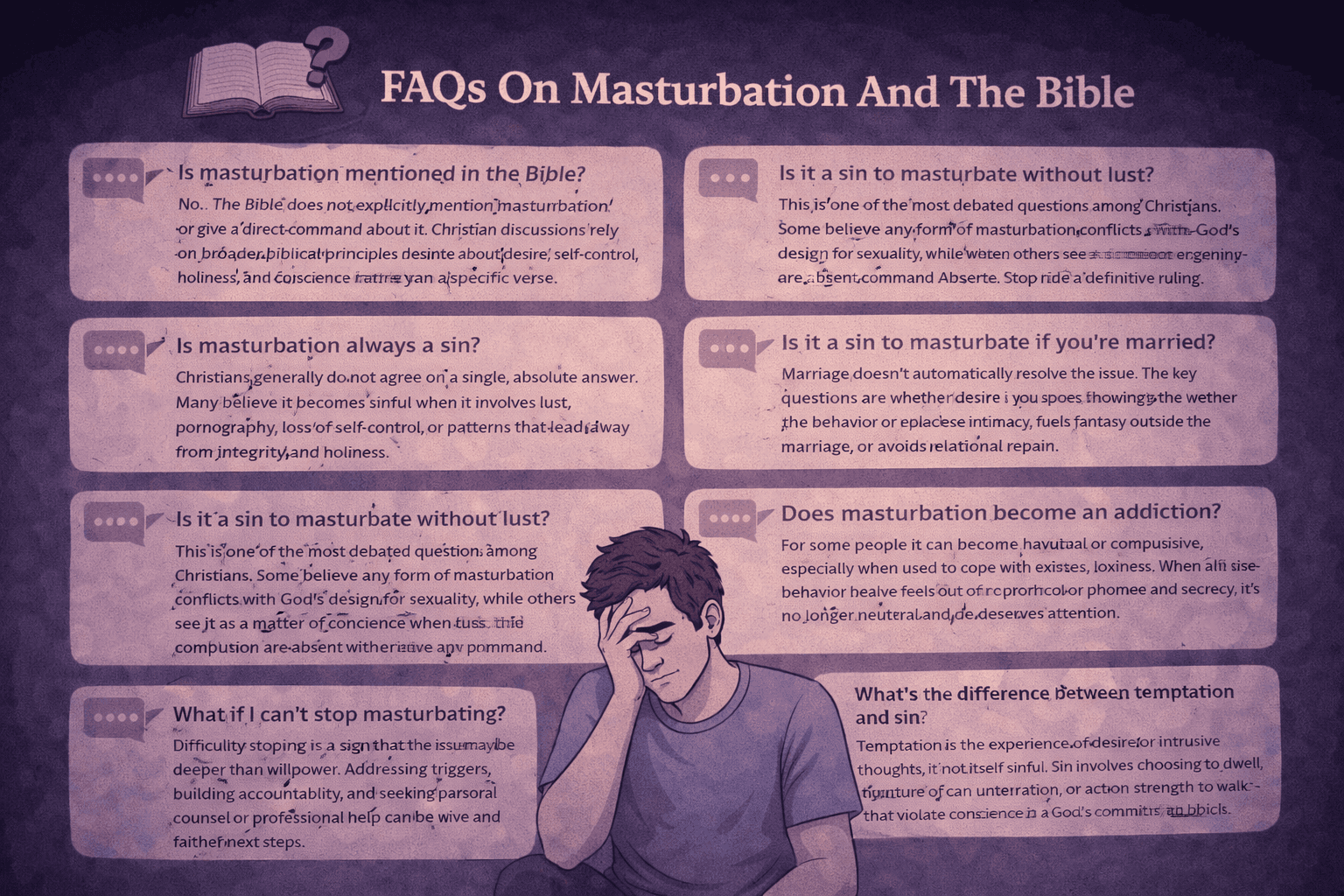
The question of whether masturbation is considered a sin in the Bible is complex and subject to interpretation. While there are no direct references to masturbation in the Bible, some passages have been interpreted as relevant to the discussion. For instance, the story of Onan in Genesis 38:9-10 is often cited, though its application to masturbation is a matter of debate among scholars. The key issue is not the act itself but how it is perceived and the intentions behind it. Understanding the historical, cultural, and religious context of these texts is essential for a nuanced discussion.

From a psychological perspective, the belief that masturbation is a sin can lead to significant emotional distress, especially if it conflicts with an individual's natural sexual inclinations. This distress can manifest as anxiety, depression, or low self-esteem, highlighting the need for a compassionate and informed approach to sexual health and religious beliefs. By addressing these beliefs in a supportive and non-judgmental environment, individuals can work towards reconciling their sexuality with their religious or spiritual practices, promoting a more integrated and healthy sense of self.
How Can I Overcome Guilt and Shame Related to Masturbation?
Overcoming guilt and shame related to masturbation involves a process of self-reflection, education, and support. Initially, individuals may benefit from exploring the origins of their beliefs about masturbation, considering how religious teachings, cultural norms, and personal experiences have shaped their views. Engaging with sex-positive literature and resources can provide a more balanced understanding of human sexuality and help challenge negative beliefs.
Practicing self-compassion is also crucial. Recognizing that it's natural to experience guilt or shame and that many people share these feelings can help alleviate the sense of isolation. Mindfulness practices, such as meditation or deep breathing, can help individuals stay present and focused on their emotional well-being, reducing the impact of negative self-talk and self-judgment. Moreover, seeking professional help from therapists or counselors who specialize in sexual health and religious conflicts can provide a safe and guided environment for exploration and healing.
Can Masturbation Affect My Relationship with God or My Spiritual Journey?
The impact of masturbation on one's relationship with God or their spiritual journey is deeply personal and varies significantly among individuals. For some, the perceived condemnation of masturbation in religious texts may lead to feelings of distance or disconnection from their faith. Others may find that their sexual practices, including masturbation, are entirely separate from their spiritual beliefs and practices.
It's essential to recognize that spirituality and sexuality are complex and interconnected aspects of the human experience. Engaging in open dialogue with religious leaders, spiritual advisors, or like-minded individuals can help clarify how one's beliefs about masturbation intersect with their faith. Moreover, exploring inclusive and progressive interpretations of religious texts can offer a more affirmative and compassionate understanding of human sexuality, fostering a sense of wholeness and integration in one's spiritual journey.
Is There a "Right" or "Wrong" Way to Think About Masturbation in the Context of the Bible?
There is no single "right" or "wrong" way to think about masturbation in the context of the Bible, as interpretations of religious texts are subjective and influenced by personal beliefs, cultural context, and historical understanding. What's important is to approach the topic with empathy, curiosity, and an open mind, recognizing the diversity of human experience and the complexity of sexual and religious identities.
For individuals seeking to reconcile their beliefs about masturbation with their religious or spiritual practices, it can be helpful to engage in reflective reading of religious texts, considering the historical and cultural context in which they were written. Additionally, engaging in dialogue with others who have grappled with similar questions can provide valuable insights and support. Ultimately, the goal is to cultivate a personal understanding that respects one's sexuality, spirituality, and the complexities of human experience.

How Can I Discuss Masturbation with My Religious Community or Spiritual Leader?
Discussing masturbation with one's religious community or spiritual leader requires sensitivity, respect, and a clear understanding of one's own beliefs and values. It can be helpful to prepare for such discussions by reflecting on why this topic is important to you and what you hope to achieve from the conversation. Being open to different perspectives and willing to listen to the views of others can also foster a more productive and respectful dialogue.
In some cases, it may be necessary to seek out supportive communities or allied spiritual leaders who are more open to discussing sexuality and religion in a progressive and inclusive manner. Online forums, support groups, and progressive religious communities can offer safe spaces for discussion and connection. Remember, the goal of such discussions is not to convince others of your viewpoint but to share your story, seek understanding, and potentially find a more affirming and supportive community.
As individuals navigate the complex interplay between their sexual practices, religious beliefs, and personal growth, it becomes clear that mastering this topic is not about achieving a specific moral or ethical stance but about cultivating self-awareness, empathy, and understanding. By embracing the diversity of human experience and the intricacies of sexual and religious identities, we can work towards a more inclusive and compassionate society. This journey of self-discovery and growth allows individuals to reconcile their beliefs about masturbation with their overall well-being, leading to a more authentic and fulfilling life.
In conclusion, the path to healing and growth in relation to masturbation and its perceived condemnation in the Bible involves a journey of self-reflection, education, and support. By fostering a deeper understanding of human sexuality, promoting open and honest dialogue about sex and religion, and cultivating empathy and compassion, individuals can navigate the complexities of this topic with greater ease and clarity. Ultimately, this journey leads to a more balanced and integrated human experience, where sexual health, religious beliefs, and personal well-being are intertwined in a positive and affirming way.