
Is It Normal To Have Cramps After Sex
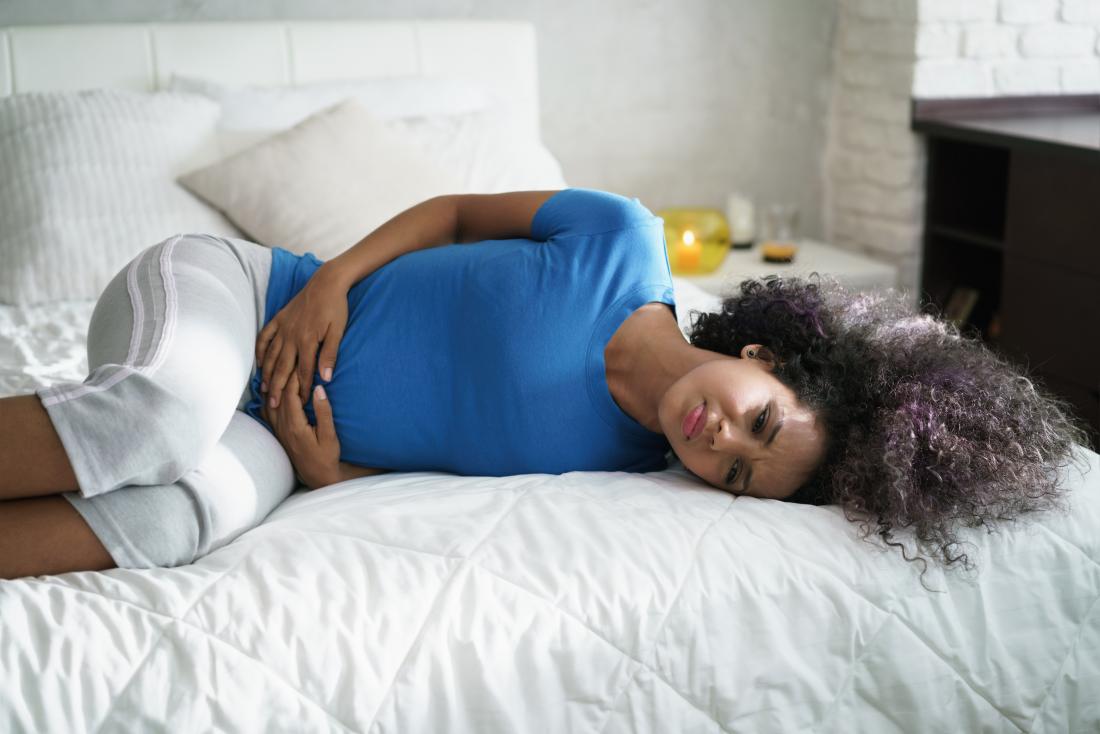
For centuries, humans have been engaging in sexual activities, and with it, a plethora of experiences, emotions, and sensations. Among these, the occurrence of cramps after sex, also known as postcoital cramping, has been a topic of discussion and concern for many. The history of this phenomenon is somewhat obscure, but it's safe to say that as long as humans have been having sex, cramps have been a possible, albeit unwelcome, aftermath for some. It matters today because understanding the reasons behind these cramps can lead to better sexual health, improved relationships, and a more open dialogue about sexual experiences.
The cultural references to sex and its aftermath are as varied as they are insightful. From ancient texts that describe sexual practices and their consequences to modern comedies of manners that poke fun at the unpredictable nature of sex, it's clear that the human experience is complex and multifaceted. However, despite the abundance of information and entertainment surrounding sex, the practical insights into dealing with its less glamorous aspects, like cramps, remain somewhat scarce. This article aims to delve into the world of postcoital cramping, exploring its causes, implications, and what it means for individuals and couples.
Understanding the Basics
The first step to addressing cramps after sex is understanding what they are. Essentially, these cramps can range from mild, barely noticeable twinges to severe, debilitating pains that can affect the abdomen, lower back, or even the thighs. They can be caused by a variety of factors, including prostaglandins, which are hormone-like substances that can cause the uterus to contract, leading to cramping. Other factors might include endometriosis, fibroids, or even sexual positions that might put strain on the abdominal or pelvic muscles.
Must Read
Delving deeper, it becomes clear that psychological aspects also play a significant role. Anxiety and stress can tense up the muscles, making any potential cramping worse. Furthermore, the expectation of pain or the fear of the unknown can create a vicious cycle, where the anticipation of cramps actually increases their likelihood or severity. This interplay between physical and psychological factors highlights the complexity of human sexuality and the need for a holistic approach to sexual health.
Culturally, the perception of sex and its consequences varies widely. In some societies, open discussion about sexual health is encouraged, while in others, it remains a taboo subject. This variance affects how individuals perceive and deal with issues like postcoital cramping. For instance, in cultures where sexual education is comprehensive and sexual health is openly discussed, individuals might be more likely to seek medical advice or discuss their symptoms with partners, leading to better management and understanding of cramps.
Exploring the Impact and Solutions
When considering the impact of cramps after sex, it's essential to look at both the individual and relational aspects. For some, these cramps can be a minor inconvenience, a slight damper on an otherwise enjoyable experience. For others, they can be a significant source of distress, affecting not just the individual but also their partner and the relationship dynamics. Understanding and communicating about these experiences can be a crucial step in managing them. This includes open dialogue with sexual partners about preferences, boundaries, and any discomfort experienced during or after sex.
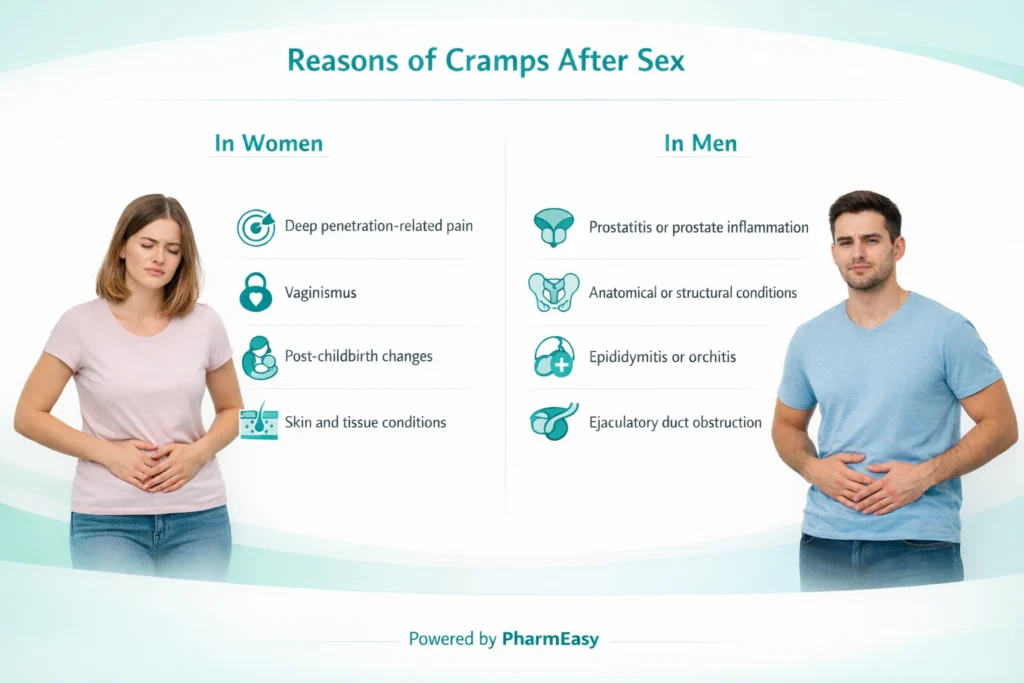
Case studies have shown that lifestyle changes can also play a significant role in reducing the occurrence or severity of postcoital cramping. This might include regular exercise to improve overall pelvic health, stress management techniques like meditation or deep breathing to reduce anxiety, and dietary changes aimed at reducing inflammation and improving hormonal balance. Additionally, certain sexual positions can be adjusted or avoided to minimize strain on sensitive areas.
For couples, the approach to dealing with cramps after sex can be an opportunity to strengthen their bond. By being supportive, understanding, and open to finding solutions together, partners can turn a potentially negative experience into a positive aspect of their relationship. This might involve exploring different sexual practices that are more comfortable for both parties or seeking professional advice together, whether from a healthcare provider or a sex therapist.
In terms of actionable takeaways, individuals experiencing cramps after sex should first consult a healthcare provider to rule out any underlying medical conditions that might need treatment. Following this, communication with sexual partners is key, as is exploring relaxation techniques and lifestyle adjustments that can help mitigate cramping. Whether through medication, therapy, or simple changes in daily habits, there are numerous pathways to managing and reducing postcoital cramping.
Frequently Asked Questions
What are the most common causes of cramps after sex?
The causes of cramps after sex can be varied and multifaceted. Physically, factors such as prostaglandins, endometriosis, and fibroids can play a significant role. Additionally, sexual positions and the intensity of sexual activity can also contribute to cramping. Psychologically, anxiety and stress can exacerbate the issue, creating a complex interplay between physical and emotional factors. Understanding these causes is the first step towards managing and potentially preventing postcoital cramping.
It's also worth noting that individual experiences can vary widely, and what might cause cramps for one person might not be the same for another. This highlights the importance of personal and medical investigation into the causes of cramps, as well as an open and honest dialogue with sexual partners about any discomfort or pain experienced during or after sex. By addressing the root causes and working together, individuals and couples can find ways to enjoy a healthier and more fulfilling sexual relationship.
Can cramps after sex be a sign of an underlying medical condition?
Yes, cramps after sex can sometimes be a sign of an underlying medical condition that needs attention. Conditions such as endometriosis, fibroids, and pelvic inflammatory disease (PID) can cause cramping, among other symptoms. It's crucial for individuals experiencing persistent, severe, or worsening cramps to consult a healthcare provider for a proper diagnosis and treatment plan. Early detection and management of these conditions can significantly improve quality of life and sexual health.
The process of diagnosis typically involves a combination of medical history, physical examination, and potentially imaging tests or biopsy to determine the underlying cause of the cramps. Treatment can range from medication to manage symptoms, to surgical interventions for conditions like fibroids or endometriosis. The key takeaway is that while cramps after sex can be common and not always a cause for concern, they should never be ignored, especially if they are severe, persistent, or accompanied by other symptoms like heavy bleeding or fever.
How can I prevent cramps after sex?
Preventing cramps after sex involves a multi-faceted approach that includes lifestyle changes, sexual practices, and potentially, medical interventions. Starting with lifestyle, regular exercise can help improve pelvic health, reduce stress, and promote better overall well-being. Stress management techniques like yoga, meditation, or deep breathing exercises can also help reduce anxiety and tension that might exacerbate cramping.

In terms of sexual practices, being aware of and avoiding positions that might cause strain can be beneficial. Communicating with sexual partners about discomfort or pain and exploring different techniques that are more comfortable can also make a significant difference. For some, relaxation techniques before or during sex, such as deep breathing or progressive muscle relaxation, can help reduce muscle tension and thereby decrease the likelihood of cramps.
Can cramps after sex affect men?
While cramps after sex are more commonly discussed in the context of female sexual health, men can also experience discomfort or cramping after sexual activity. This can be due to a variety of factors, including prostate issues, testicular pain, or even muscle strain from certain sexual positions. Psychological factors, such as performance anxiety, can also play a role in male sexual health and potentially lead to cramping or discomfort.
It's essential for men experiencing persistent or severe postcoital cramping to consult a healthcare provider. Similar to women, men can benefit from open communication with their partners about their experiences and from exploring different sexual practices that might be more comfortable. Additionally, medical evaluation can help identify any underlying conditions that might need treatment, underscoring the importance of not ignoring sexual health issues, regardless of gender.
Are there any home remedies for cramps after sex?
Yes, there are several home remedies and self-care practices that can help alleviate cramps after sex. These include applying heat to the lower abdomen, which can help relax the uterine muscles and reduce cramping. Over-the-counter pain relievers like ibuprofen or acetaminophen can also be effective in managing pain and discomfort. Additionally, herbal teas such as chamomile or peppermint can provide relaxation and soothing benefits.

Furthermore, dietary changes aimed at reducing inflammation and promoting hormonal balance can be beneficial. This might include consuming foods rich in omega-3 fatty acids, antioxidants, and fiber. Staying hydrated and avoiding caffeine and alcohol, which can exacerbate dehydration and potentially worsen cramping, is also advisable. While these remedies can provide relief, it's crucial to remember that if cramps are severe, persistent, or worsening, medical advice should be sought.
As we reflect on the topic of cramps after sex, it becomes apparent that this issue connects deeply with our daily lives and human nature. The pursuit of sexual health and satisfaction is a fundamental aspect of the human experience, and understanding the complexities and challenges involved is crucial for achieving fulfillment. By acknowledging the physical, psychological, and relational factors that influence our sexual well-being, we can work towards creating a more open, supportive, and healthy environment for discussing and addressing issues like postcoital cramping.
The cultural and societal implications of sexual health are profound, influencing how we perceive ourselves, our bodies, and our relationships. The taboo surrounding sexual discussions in some cultures can hinder the open dialogue necessary for understanding and managing issues like cramps after sex. However, by promoting education, empathy, and an open-minded approach to sexuality, we can foster a society that values and supports comprehensive sexual health.
Ultimately, the journey towards better understanding and managing cramps after sex is a personal and collective one. It involves individuals taking charge of their sexual health, communicating openly with partners, and seeking professional advice when needed. It also requires a societal shift towards normalized discussions of sexual health, encouraging a culture of support, education, and empathy. By navigating this complex and multifaceted issue with sensitivity and awareness, we can contribute to a healthier, more informed, and more fulfilling approach to human sexuality.
:max_bytes(150000):strip_icc()/VWH-MiraNorian-CausesofBadPeriodCramps-Standard-4aa3d5cb0513440fba57710cc33dbb5a.jpg)
:max_bytes(150000):strip_icc()/OvulationPain-WhatsNormalSevereandHelpful-final-12fed8e6e1cb42188dbe1c10755fee20.png)
