Is Ejaculation Good For Prostate

The relationship between ejaculation and prostate health has been a topic of interest and debate in the medical and scientific communities for years. At its core, the question revolves around the impact of sexual activity on the health of the prostate gland, a crucial part of the male reproductive system. Ejaculation is a natural bodily function that can occur through sexual intercourse, masturbation, or nocturnal emissions. Understanding the biological mechanisms behind ejaculation and its effects on the prostate is essential for appreciating the potential benefits or drawbacks it may have on prostate health.
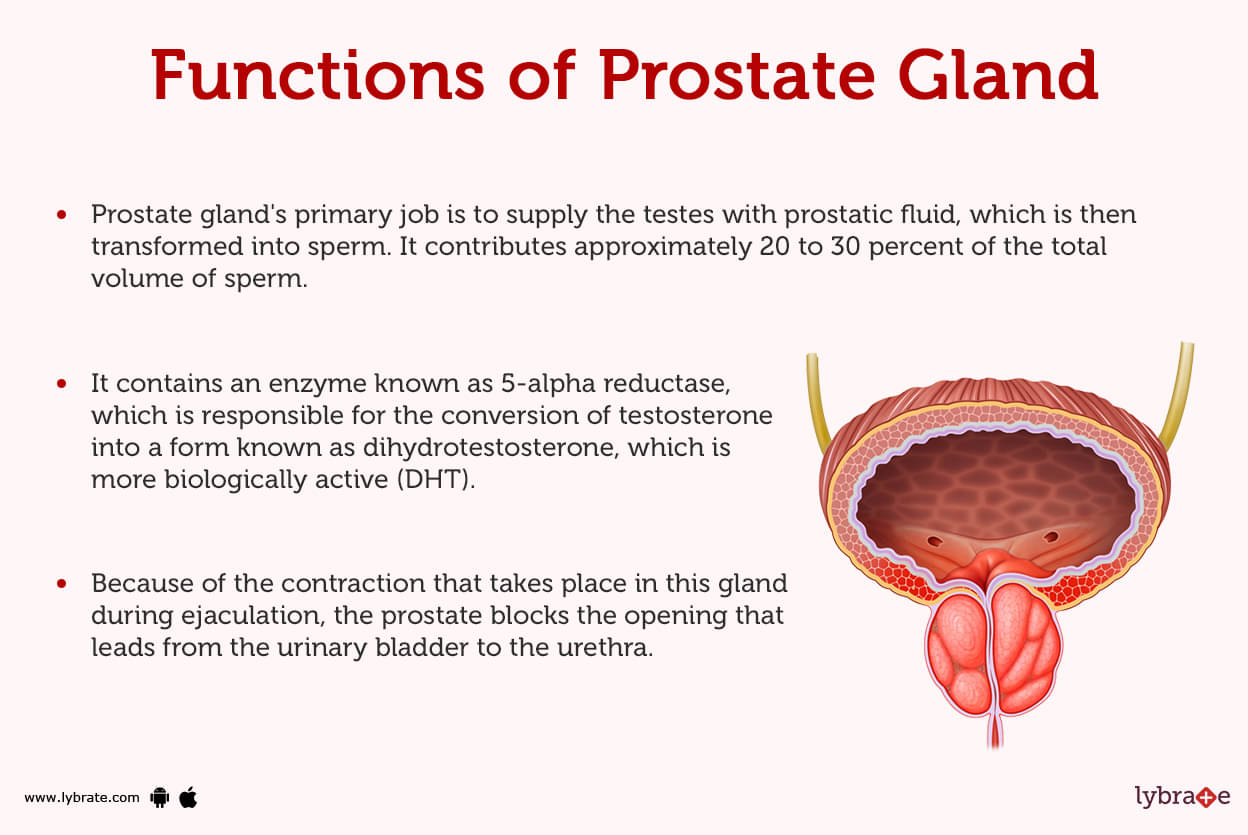
From a biological standpoint, the prostate gland plays a vital role in the male reproductive system, producing prostatic fluid, which makes up a significant portion of semen. This fluid is rich in enzymes, proteins, and other substances that support sperm health and fertility. The act of ejaculation involves the contraction of muscles around the reproductive organs, leading to the expulsion of semen from the body. It is this biological process that has led to speculation about its effects on prostate health, with some theories suggesting that regular ejaculation may help in clearing out potential carcinogens and reducing the risk of prostate cancer.
However, it's crucial to approach this topic with a nuanced understanding of the complex interplay between sexual activity, ejaculation, and prostate health. While there is evidence to suggest certain benefits, there is also a need to consider individual health factors, lifestyle choices, and the overall context in which ejaculation occurs. For instance, frequency of ejaculation and overall sexual health can influence the impact of ejaculation on the prostate. Moreover, factors such as diet, physical activity, and stress levels also play significant roles in maintaining prostate health.
Must Read
Understanding the Biological Basis
The potential protective effects of ejaculation on the prostate are thought to be related to the clearance of potential carcinogens from the prostate gland and the ducts, potentially reducing the risk of developing prostate cancer. However, this relationship is still under investigation, and more research is needed to fully understand the mechanisms at play. It's also important to consider that while ejaculation may have benefits, it is just one aspect of a broader approach to maintaining prostate health, which includes regular check-ups, a balanced diet, and healthy lifestyle choices.
In exploring the biological basis of the relationship between ejaculation and prostate health, it becomes clear that individual factors, such as age, genetic predisposition, and overall health status, can significantly influence outcomes. This highlights the importance of personalized advice and monitoring, especially for men with a family history of prostate issues or those who have been identified as being at higher risk.

Practical Strategies for Optimization
To optimize prostate health through ejaculation, it's essential to consider the frequency and context of sexual activity. While there is no one-size-fits-all recommendation for the ideal frequency of ejaculation, maintaining a healthy sexual lifestyle that is comfortable and sustainable for the individual is key. This may involve open communication with partners about sexual health and preferences, as well as being mindful of stress levels and overall well-being.
除了 sexual activity, incorporating physical exercise and stress-reduction techniques into daily life can have a positive impact on prostate health. Activities such as brisk walking, yoga, and meditation can help reduce inflammation and improve hormonal balance, both of which are beneficial for the prostate. A balanced diet rich in fruits, vegetables, and whole grains can also provide essential nutrients and antioxidants that support prostate health.
For men looking to take a more proactive approach, prostate-friendly foods such as tomatoes (rich in lycopene), green tea, and fatty fish (high in omega-3 fatty acids) can be beneficial additions to the diet. Moreover, limiting intake of processed meats and saturated fats can help reduce the risk of prostate issues. Staying hydrated and managing weight are also crucial for maintaining overall health and reducing the risk of prostate problems.
In addition to these lifestyle adjustments, being aware of and monitoring prostate health through regular check-ups and screenings (such as the PSA test) is vital, especially for men over the age of 40 or those with a family history of prostate cancer. Early detection and intervention can significantly improve outcomes for prostate health issues.

Frequently Asked Questions
How Often Should I Ejaculate for Prostate Health?
The question of how often one should ejaculate for the sake of prostate health is complex and depends on various factors, including age, overall health, and individual sexual health. While some studies suggest that frequent ejaculation may have protective effects against prostate cancer, the relationship is not fully understood, and more research is needed. It's essential to find a balance that works for the individual, considering both physical and emotional well-being.
In practice, this may involve discussing sexual health with a healthcare provider to determine the best approach based on individual circumstances. For some, this might mean aiming for a certain frequency of ejaculation, while for others, it may involve focusing on other aspects of prostate health, such as diet and exercise. The key is to prioritize a healthy and sustainable lifestyle that supports overall well-being, including prostate health.
Can Ejaculation Reduce the Risk of Prostate Cancer?
Research into the relationship between ejaculation and the risk of prostate cancer has yielded mixed results, but some studies suggest that regular ejaculation may indeed have a protective effect. The theory is that ejaculation helps to clear the prostate gland of substances that could potentially lead to cancer. However, this relationship is still being investigated, and it's crucial to consider ejaculation as just one part of a broader strategy for reducing prostate cancer risk.
In addition to considering the potential benefits of ejaculation, men can also focus on proven risk reduction strategies, such as maintaining a healthy weight, exercising regularly, and eating a balanced diet rich in fruits, vegetables, and whole grains. Avoiding tobacco and limiting alcohol intake are also important for reducing the risk of various health issues, including prostate cancer.
Is There an Ideal Age to Start Considering Prostate Health?
The ideal age to start considering prostate health depends on several factors, including family history and overall health status. Generally, men are advised to start annual check-ups with a healthcare provider around the age of 40, or earlier if there's a family history of prostate issues. These check-ups can include discussions about sexual health, screenings for prostate cancer, and advice on maintaining prostate health through lifestyle choices.
For younger men, focusing on establishing healthy habits early on can lay the groundwork for long-term prostate health. This includes regular physical activity, a balanced diet, and stress management techniques. As men age, they can build on these foundations by staying informed about prostate health, attending regular check-ups, and being proactive about discussing any concerns or changes in health with a healthcare provider.
How Does Diet Impact Prostate Health?
Diet plays a significant role in maintaining prostate health, with certain foods and nutrients offering protective benefits against prostate issues. A diet rich in fruits, vegetables, and whole grains can provide essential vitamins, minerals, and antioxidants that support prostate health. Specific foods like tomatoes (rich in lycopene) and fatty fish (high in omega-3 fatty acids) have been identified as particularly beneficial.
In contrast, a diet high in processed meats and saturated fats may increase the risk of prostate problems. Therefore, men can benefit from limiting their intake of unhealthy foods and focusing on whole, nutrient-dense foods. Staying hydrated by drinking plenty of water and limiting alcohol intake are also important dietary considerations for maintaining prostate health.

What Role Does Stress Play in Prostate Health?
Stress can have a significant impact on prostate health, as chronic stress can lead to inflammation and disrupt hormonal balance, both of which can negatively affect the prostate. Engaging in stress-reduction activities such as yoga, meditation, or deep breathing exercises can help mitigate these effects. Regular physical activity also plays a crucial role in stress management and can contribute to overall prostate health.
In managing stress for the sake of prostate health, it's essential to find activities that are enjoyable and can be incorporated sustainably into daily life. This might involve setting aside time for relaxation, connecting with nature, or pursuing hobbies that bring joy and help reduce stress levels. By addressing stress and incorporating stress-reduction techniques into a lifestyle that already prioritizes healthy eating, regular exercise, and sexual well-being, men can take a holistic approach to maintaining their prostate health.
Embracing the science behind the relationship between ejaculation and prostate health empowers men to make informed decisions about their bodies and well-being. By understanding the complex interplay between sexual health, lifestyle choices, and prostate health, individuals can adopt a proactive and holistic approach to maintaining their health. This involves not just considering the frequency and context of ejaculation but also focusing on diet, exercise, stress management, and regular health check-ups.
Ultimately, respecting the science and taking a data-driven approach to prostate health allows men to optimize their lifestyle choices and reduce the risk of prostate issues. By being mindful of the latest research and recommendations, and by maintaining open and honest communications with healthcare providers, men can navigate the complexities of prostate health with confidence and clarity. This proactive stance not only benefits prostate health but also contributes to overall well-being, enabling men to lead healthier, more fulfilling lives.