How To Masturbate Better For Men
The art of masturbation has been a cornerstone of human sexuality for centuries, with its roots deeply embedded in the mysteries of the past. It's an act that has been shrouded in secrecy, taboo, and misunderstanding, yet it remains an integral part of our sexual landscape. As we delve into the evolution of masturbation, we find ourselves on a journey through time, navigating the twists and turns of human history. From ancient civilizations to modern times, the perception and practice of masturbation have undergone significant transformations, reflecting the societal, cultural, and scientific advancements of their respective eras.
In the 18th and 19th centuries, masturbation was viewed with suspicion and often considered a sign of moral decay. Samuel Tissot, a Swiss physician, published a treatise in 1758 warning of the dangers of masturbation, claiming it led to a range of illnesses, including blindness, insanity, and even death. This misinformation spread like wildfire, fueling the stigma surrounding masturbation. However, as the 20th century dawned, attitudes began to shift. The work of Alfred Kinsey in the 1940s and 1950s marked a significant turning point, as his research revealed the prevalence and normalcy of masturbation among both men and women.
Despite these advances, the topic of masturbation remained largely in the shadows until the 1960s, when the sexual revolution brought about a new era of openness and exploration. The publication of Masters and Johnson's groundbreaking book, "Human Sexual Response," in 1966 further contributed to the demystification of masturbation, presenting it as a natural and healthy aspect of human sexuality. As we look back, it's clear that the journey of masturbation from a taboo act to an acknowledged part of sexual health has been long and arduous, paved with the contributions of pioneering figures and the gradual shift in societal attitudes.
Must Read
The Evolutionary Path
The history of masturbation is replete with forgotten vintage facts and bizarre treatments. In ancient Greece and Rome, masturbation was not only accepted but also celebrated as a form of sexual expression. The Greek philosopher, Diogenes, was known to masturbate in public, viewing it as a natural act akin to eating or drinking. In contrast, during the Victorian era, the approach to masturbation was drastically different. It was considered a vice, and various devices, such as anti-masturbation devices, were invented to prevent it. These devices, often brutal and ineffective, exemplify the extreme measures taken to suppress masturbation.
In the early 20th century, the rise of psychanalysis led by Sigmund Freud introduced the concept of masturbation as a sign ofimmaturity or neurosis. This view, though later contested, influenced the perception of masturbation for decades. The 1970s and 1980s saw a surge in the production of adult films and magazines, which, while not directly focused on masturbation, contributed to a more open discussion of sexual acts, including solo activities. The 1990s brought about the dawn of the internet, providing unprecedented access to sexual content and information, further normalizing masturbation.

One of the bizarre ways masturbation was treated in previous decades involves the medical community's approach. Until the mid-20th century, some doctors believed that masturbation could be cured through medical interventions, including surgery or the application of harsh chemicals to the genitals. These practices, though well-intentioned, were misguided and often harmful, reflecting the lack of understanding and the prevailing stigma surrounding masturbation.
The transformation in the perception of masturbation also reflects broader societal changes, including advances in sexual education and the feminist movement's emphasis on sexual autonomy. As women's rights and LGBTQ+ rights gained momentum, so did the conversation around sexual health, including masturbation. This shift towards a more inclusive and open dialogue about sex has been instrumental in redefining masturbation as a normal and healthy sexual activity.
Modernizing the Art
Today, the classic principles of masturbation are being hacked or modernized for the fast-paced, technology-driven world. The advent of sex toys designed specifically for masturbation has opened up new avenues for exploration. For men, devices such as male masturbators and prostate massagers offer enhanced pleasure and new sensations. Moreover, the internet has become a reservoir of information, with numerous websites, forums, and blogs dedicated to sexual health and masturbation techniques. This access to information has empowered individuals to take control of their sexual well-being, exploring what works best for them in the privacy of their own space.

Furthermore, the modernization of masturbation extends beyond physical devices and into the realm of virtual reality (VR) and digital content. VR porn and interactive sex games are redefining the solo sexual experience, offering immersive and highly customizable experiences. This blend of technology and sexuality not only caters to diverse preferences but also ensures that the experience of masturbation continues to evolve, incorporating the latest advancements in tech and design. Whether through innovative toys, educational resources, or digital platforms, the modern approach to masturbation prioritizes exploration, safety, and satisfaction.
Frequently Asked Questions
Is Masturbation Normal and Healthy?
Masturbation is indeed a normal and healthy sexual activity. It's a natural way for individuals to explore their bodies, understand their sexual responses, and experience pleasure. Contrary to historical misconceptions, masturbation does not lead to physical or mental illnesses. Instead, it can play a positive role in sexual health by reducing stress, improving sleep, and enhancing overall sexual satisfaction. The normalization of masturbation is reflected in its inclusion in sexual health discussions and education, encouraging an open and positive attitude towards solo sexual activities.
In modern times, the health benefits of masturbation are more widely recognized. For men, regular ejaculation through masturbation has been linked to a reduced risk of prostate cancer. Additionally, masturbation can help in the management of premature ejaculation and erectile dysfunction by allowing men to better understand and control their sexual responses. The educational aspect of masturbation is also crucial, as it helps individuals develop a healthier relationship with their sexuality, promoting self-awareness, and self-acceptance.

How Can I Improve My Masturbation Experience?
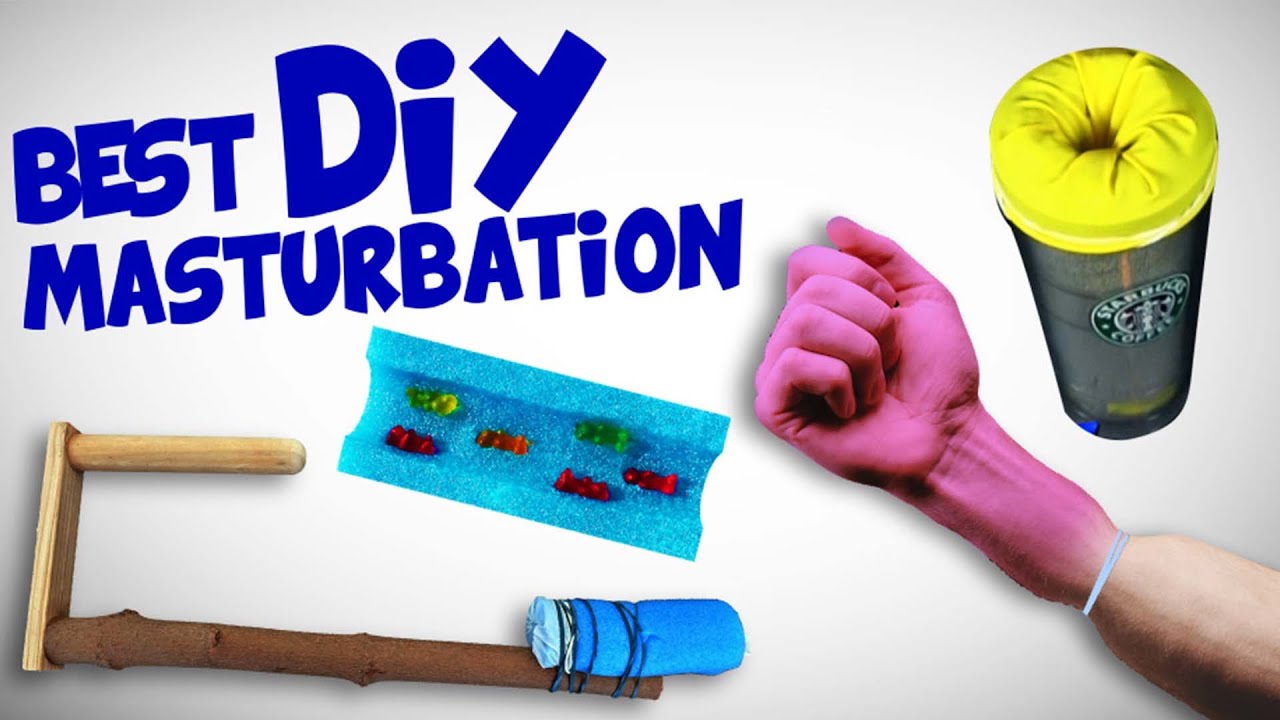
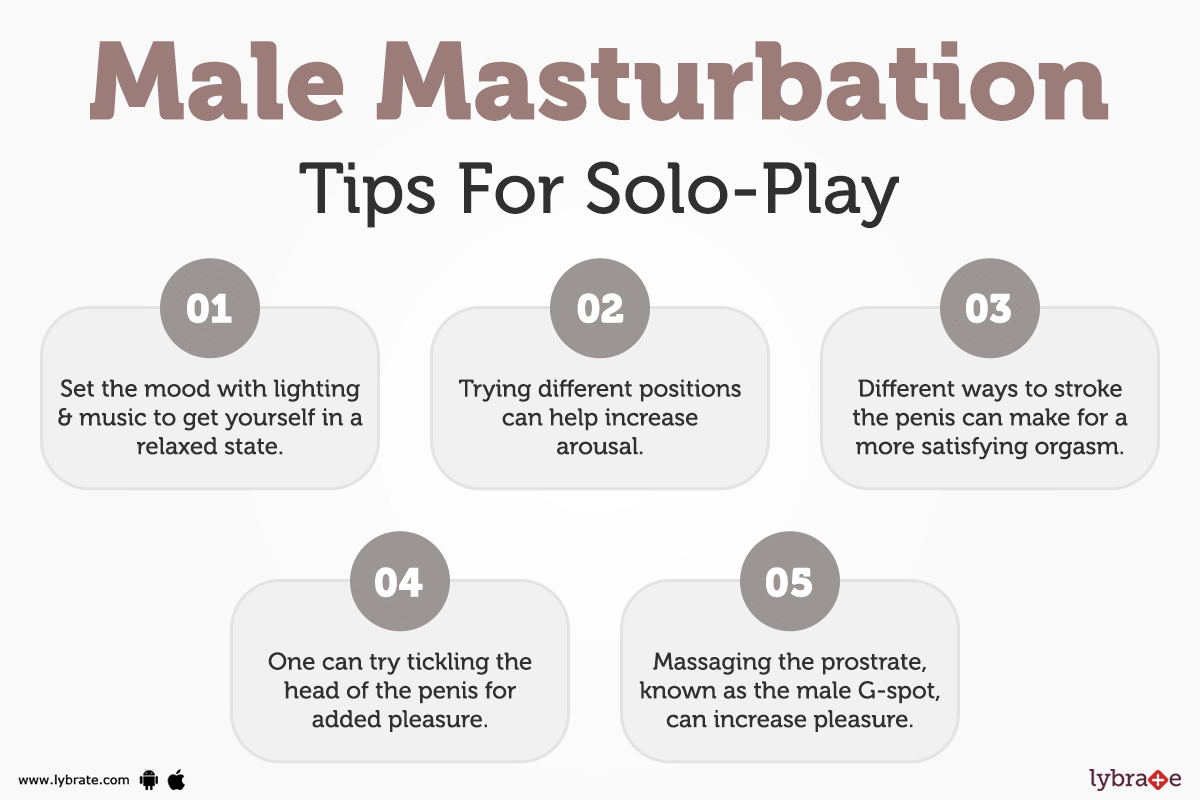
Improving the masturbation experience involves a combination of physical techniques, mental preparation, and the use of aids. Physically, experimenting with different touch techniques, speeds, and pressures can enhance pleasure. Mentally, fantasy and visual aids can play a significant role in arousal and satisfaction. The use of
In terms of aids, the market offers a wide range of products designed to enhance masturbation. From vibrating toys to realistic masturbators, these devices can introduce new sensations and increase pleasure. The key to improving the masturbation experience is experimentation and open-mindedness. Whether through solo exploration or the incorporation of technology and sex toys, the goal is to find what works best for each individual, promoting a fulfilling and healthy sexual life.
Can Masturbation Affect My Sexual Relationships?
Masturbation can have both positive and negative effects on sexual relationships, depending on the context and the individuals involved. On the positive side, masturbation can enhance sexual relationships by promoting self-awareness of one's sexual needs and responses. This self-awareness can lead to better communication with partners, potentially improving sexual satisfaction within the relationship. Additionally, masturbation can help manage sexual frustration when partners are not available or have differing libidos, thereby reducing tension and conflict.

However, excessive masturbation or its use as a substitute for partnered sex can potentially negatively impact relationships. Communication is key in navigating these dynamics. Partners should discuss their sexual needs, desires, and the role of masturbation in their relationship to ensure it complements, rather than replaces, their sexual interactions. By approaching masturbation as a normal aspect of sexual health and discussing its implications openly, individuals can integrate solo sexual activities into their relationships in a healthy and positive way.
Looking ahead to the next 20 years, the topic of masturbation is poised to continue its evolution, driven by advancements in technology, shifts in societal attitudes, and a growing emphasis on sexual health and wellness. The integration of artificial intelligence (AI) and virtual reality (VR) into sexual experiences will likely play a significant role, offering immersive and highly personalized experiences. Furthermore, the increasing focus on sex education and sexual literacy will continue to normalize masturbation, fostering a culture that values open discussion and understanding of sexual activities.
The future of masturbation also holds promise for addressing sexual health issues and improving overall well-being. With the development of more sophisticated sex toys and digital platforms, individuals will have access to a wide range of tools designed to enhance sexual pleasure and promote sexual wellness. The challenge for the future will be balancing the benefits of technology with the need for human connection and intimacy, ensuring that masturbation complements, rather than isolates, sexual relationships. As humanity moves forward, embracing masturbation as a natural and healthy aspect of sexuality will be crucial in promoting sexual well-being and happiness.