How To Make Water Based Lube At Home
The concept of creating water-based lube at home may seem daunting, but it's actually a straightforward process that can be optimized with the right knowledge. To start, it's essential to understand the basics of lubricants and how they interact with our bodies. Lubricants work by reducing friction between surfaces, making them ideal for various applications, including intimate activities. Water-based lubes, in particular, are popular due to their ease of use and cleanup. However, commercial products can be expensive and may contain harsh chemicals that can irritate sensitive skin.
From a biological perspective, the human body is capable of producing its own lubricants, such as mucus and cervical fluid. However, these natural lubricants can be insufficient or inconsistent, leading to the need for supplemental lubrication. Water-based lubes can help fill this gap by providing a hydropobic barrier that reduces friction and prevents discomfort. By creating your own water-based lube at home, you can tailor the ingredients to your specific needs and preferences, ensuring a more comfortable and enjoyable experience.
The physics behind lubricants is also worth exploring. Viscosity and surface tension play crucial roles in determining the effectiveness of a lubricant. Water-based lubes typically have a lower viscosity than oil-based lubes, making them more suitable for delicate surfaces. By adjusting the ratio of water to other ingredients, you can create a lube with the optimal viscosity for your needs. Additionally, emulsifiers can be used to stabilize the mixture and prevent separation, ensuring a consistent and reliable lubricating experience.
Must Read
The Science of Water-Based Lubes
Delving deeper into the science of water-based lubes, it's essential to understand the chemical reactions involved. Polyethylene glycol (PEG) is a common ingredient in commercial water-based lubes, known for its ability to retain moisture and reduce friction. However, PEG can be irritating to some individuals, making it crucial to explore alternative ingredients. Carbomers and cellulose are other options that can provide similar benefits without the potential drawbacks.
From a biological standpoint, the vaginal flora plays a vital role in maintaining a healthy and balanced ecosystem. Introducing foreign substances, including lubricants, can disrupt this delicate balance. Therefore, it's crucial to choose ingredients that are pH-balanced and hypoallergenic to minimize the risk of irritation or infection. By selecting natural ingredients and avoiding harsh chemicals, you can create a water-based lube that not only provides effective lubrication but also respects the body's natural biology.
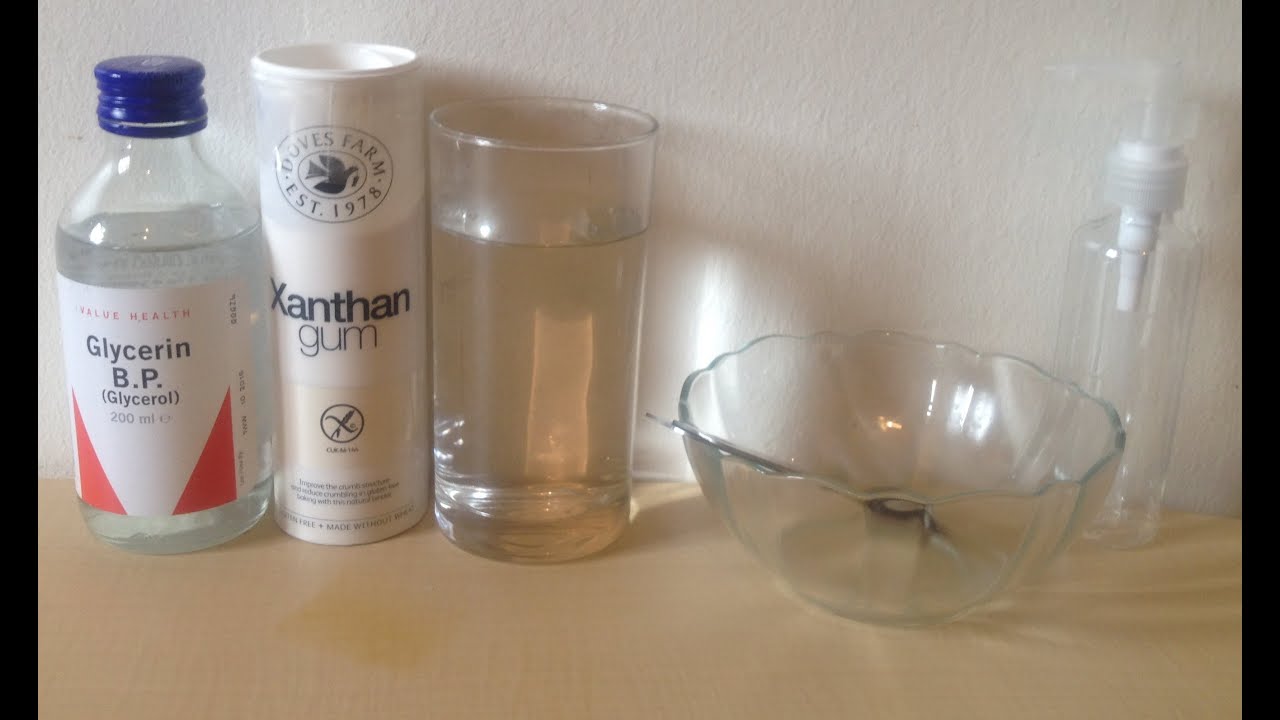
The chemical properties of water-based lubes can also be optimized for specific applications. For example, thickeners like xanthan gum or guar gum can be added to create a more viscous lube, suitable for activities that require more substantial lubrication. Conversely, thinners like glycerin can be used to create a more watery lube, ideal for activities that require a lighter touch. By understanding the chemical properties of each ingredient, you can tailor your water-based lube to meet your specific needs and preferences.
Mastering Water-Based Lube Creation
To create an effective water-based lube at home, it's essential to follow a few simple steps. First, choose your ingredients carefully, selecting a combination of water, thickeners, and emulsifiers that meet your needs. Next, mix the ingredients in a specific ratio, typically starting with a 1:1 ratio of water to thickener. Finally, test and adjust the lube, adding more water or thickener as needed to achieve the optimal viscosity and texture.

One of the most significant advantages of creating your own water-based lube is the ability to customize the ingredients and ratio to your specific needs. For example, if you prefer a thicker lube, you can add more xanthan gum or guar gum. Conversely, if you prefer a thinner lube, you can add more glycerin or water. By experimenting with different ingredients and ratios, you can create a lube that perfectly meets your needs and preferences.
Another critical aspect of mastering water-based lube creation is emulsification. Emulsifiers like lemon juice or vinegar can be used to stabilize the mixture, preventing separation and ensuring a consistent texture. By adding a small amount of emulsifier to the mixture, you can create a lube that remains stable and effective over time. Additionally, pH-balancing is crucial to ensure the lube is compatible with the body's natural pH. By using ingredients like baking soda or citric acid, you can create a lube that is gentle on the skin and minimizes the risk of irritation.
Finally, storage and handling are essential considerations when creating your own water-based lube. It's crucial to store the lube in a cool, dry place to prevent bacterial growth and degradation of the ingredients. Additionally, sterilization is vital to prevent contamination and ensure the lube remains safe and effective. By following these simple steps and considerations, you can create a high-quality water-based lube at home that meets your specific needs and preferences.
Frequently Asked Questions
What are the benefits of creating my own water-based lube at home?
Creating your own water-based lube at home offers several benefits, including the ability to customize the ingredients and ratio to your specific needs, avoiding harsh chemicals and irritants, and saving money compared to commercial products. Additionally, creating your own lube can be a fun and empowering experience, allowing you to take control of your intimate health and wellness. By understanding the science and chemistry behind water-based lubes, you can create a product that is tailored to your unique needs and preferences.

Furthermore, creating your own water-based lube at home can also help you develop a greater understanding of your body and its needs. By experimenting with different ingredients and ratios, you can gain insight into what works best for you and make informed decisions about your intimate health. This increased awareness and empowerment can have a positive impact on your overall well-being and quality of life, allowing you to make choices that align with your values and priorities.
What ingredients should I avoid when creating my own water-based lube?
When creating your own water-based lube, it's essential to avoid ingredients that can be irritating or harmful to the skin. Parabens, sulfates, and fragrances are common culprits that can cause discomfort and allergic reactions. Additionally, petroleum-based ingredients like mineral oil or petrolatum can be occlusive and comodegenic, leading to clogged pores and skin irritation. By avoiding these ingredients and opting for natural, gentle alternatives, you can create a lube that is safe and effective.
It's also crucial to be mindful of allergens and sensitizers when creating your own water-based lube. Ingredients like latex or lanolin can cause allergic reactions in some individuals, so it's essential to patch test any new ingredients before using them in your lube. By taking the time to research and understand the potential risks and benefits of each ingredient, you can create a lube that is tailored to your unique needs and preferences.
How do I store and handle my homemade water-based lube?
Storing and handling your homemade water-based lube requires careful attention to prevent bacterial growth and degradation of the ingredients. It's essential to store the lube in a cool, dry place, away from direct sunlight and heat sources. Additionally, sterilization is vital to prevent contamination and ensure the lube remains safe and effective. By using a clean and sterile environment when preparing and storing your lube, you can minimize the risk of infection and ensure a healthy and enjoyable experience.

Furthermore, it's crucial to label and date your homemade water-based lube, so you can keep track of its shelf life and ingredients. By recording the ingredients, ratio, and date of creation, you can easily reproduce the recipe and make adjustments as needed. Additionally, labeling your lube can help you identify it quickly and easily, reducing the risk of confusion or mix-ups. By taking the time to properly store and handle your homemade water-based lube, you can ensure a safe and enjoyable experience.
Can I use my homemade water-based lube with sex toys or during intimacy?
Yes, you can use your homemade water-based lube with sex toys or during intimacy, but it's essential to take a few precautions. First, ensure that your lube is compatible with the materials used in your sex toys, as some ingredients can cause damage or degradation. Additionally, clean and sterilize your sex toys before and after use to prevent bacterial growth and transmission. By following these simple precautions, you can enjoy a safe and pleasurable experience with your homemade water-based lube.
It's also important to note that homemade water-based lubes may not provide the same level of protection as commercial products, which are often designed to meet specific safety standards. However, by using natural, gentle ingredients and following proper safety precautions, you can minimize the risk of infection or discomfort. By taking the time to research and understand the potential risks and benefits of using your homemade water-based lube with sex toys or during intimacy, you can make informed decisions about your intimate health and wellness.
How long does homemade water-based lube last, and can I freeze it?
The shelf life of homemade water-based lube depends on various factors, including the ingredients, storage conditions, and handling practices. Generally, homemade water-based lube can last for several months when stored in a cool, dry place. However, it's essential to monitor the lube's texture, smell, and appearance, and discard it if you notice any signs of spoilage or degradation. By regularly inspecting your lube and storing it properly, you can ensure a safe and effective product.
Freezing homemade water-based lube is not recommended, as it can cause the ingredients to separate or become unstable. Additionally, freezing can damage the texture and consistency of the lube, making it less effective or even irritating to the skin. Instead, consider making small batches of lube that can be used within a few weeks, or explore other storage methods like refrigeration or freezing individual ingredients. By taking the time to understand the potential risks and benefits of storing your homemade water-based lube, you can make informed decisions about your intimate health and wellness.
Can I share my homemade water-based lube with partners or friends?
Sharing homemade water-based lube with partners or friends is not recommended, as it can increase the risk of bacterial transmission and infection. Homemade lubes may not have the same level of sterility as commercial products, and sharing can introduce new bacteria and contaminants. Additionally, sharing lube can also increase the risk of allergic reactions or sensitization, as different individuals may have unique sensitivities or allergies. By keeping your homemade water-based lube to yourself, you can minimize the risk of infection or discomfort and ensure a safe and enjoyable experience.
Instead, consider sharing your recipe and knowledge with partners or friends, so they can create their own homemade water-based lube tailored to their unique needs and preferences. By promoting education and awareness, you can help others take control of their intimate health and wellness, and foster a community that values open communication and mutual respect. By sharing your knowledge and expertise, you can empower others to make informed decisions about their bodies and their lives.
Respecting the science behind water-based lubes can have a profound impact on our daily lives, enabling us to make informed decisions about our intimate health and wellness. By understanding the chemistry and biology of lubricants, we can create products that are tailored to our unique needs and preferences, and enjoy a safer, more pleasurable experience. Additionally, embracing the science of water-based lubes can also foster a greater sense of self-awareness and empowerment, allowing us to take control of our bodies and our lives.
By applying the principles of optimization, life hacks, and biology to the creation of water-based lubes, we can unlock new possibilities for intimacy, pleasure, and connection. Whether we're exploring the world of DIY lubes or simply seeking to enhance our understanding of human biology, the science of water-based lubes offers a wealth of insights and opportunities for growth. By embracing this science and respecting the complexity of the human body, we can cultivate a deeper appreciation for the intricate mechanisms that govern our lives, and develop a more nuanced understanding of the intricate relationships between our bodies, our relationships, and our environment.