How To Go Longer During Intercourse
When it comes to intimacy, one of the most common concerns for many individuals is how to prolong their performance during intercourse. This sensitivity is understandable, as the ability to go longer can significantly enhance both partners' satisfaction and emotional connection. At the core of this issue lies a complex interplay of biological, psychological, and physiological factors. Understanding these elements is crucial for developing effective strategies to improve performance.
The basic mechanics of intimacy are deeply rooted in neurological and hormonal processes. The brain plays a key role in excitement and arousal, releasing neurotransmitters such as dopamine and serotonin, which influence mood, desire, and the physical response to stimulation. Furthermore, hormones like testosterone and estrogen are essential for sexual health, impacting libido and the body's overall response to sexual activity. The interaction between these biological components and external factors, such as stress, anxiety, and physical health, can significantly affect one's ability to perform during intercourse.
Recognizing the multifaceted nature of sexual performance is the first step toward addressing concerns about endurance. It involves understanding that physical health, mental well-being, and relationship dynamics all play critical roles. By adopting a holistic approach that considers these various aspects, individuals can begin to identify areas for improvement and implement targeted strategies to enhance their performance and overall sexual well-being.
Understanding the Biology Behind Endurance
Diving deeper into the biology of sexual endurance, it's essential to consider the physiological processes involved. The refractory period, for instance, is a critical aspect, during which the body cannot achieve another orgasm after a previous one. This period can vary significantly among individuals and is influenced by factors such as age, overall health, and frequency of sexual activity. Moreover, the parasympathetic and sympathetic nervous systems play key roles in arousal and ejaculation, with the balance between these systems affecting the duration of sexual performance.
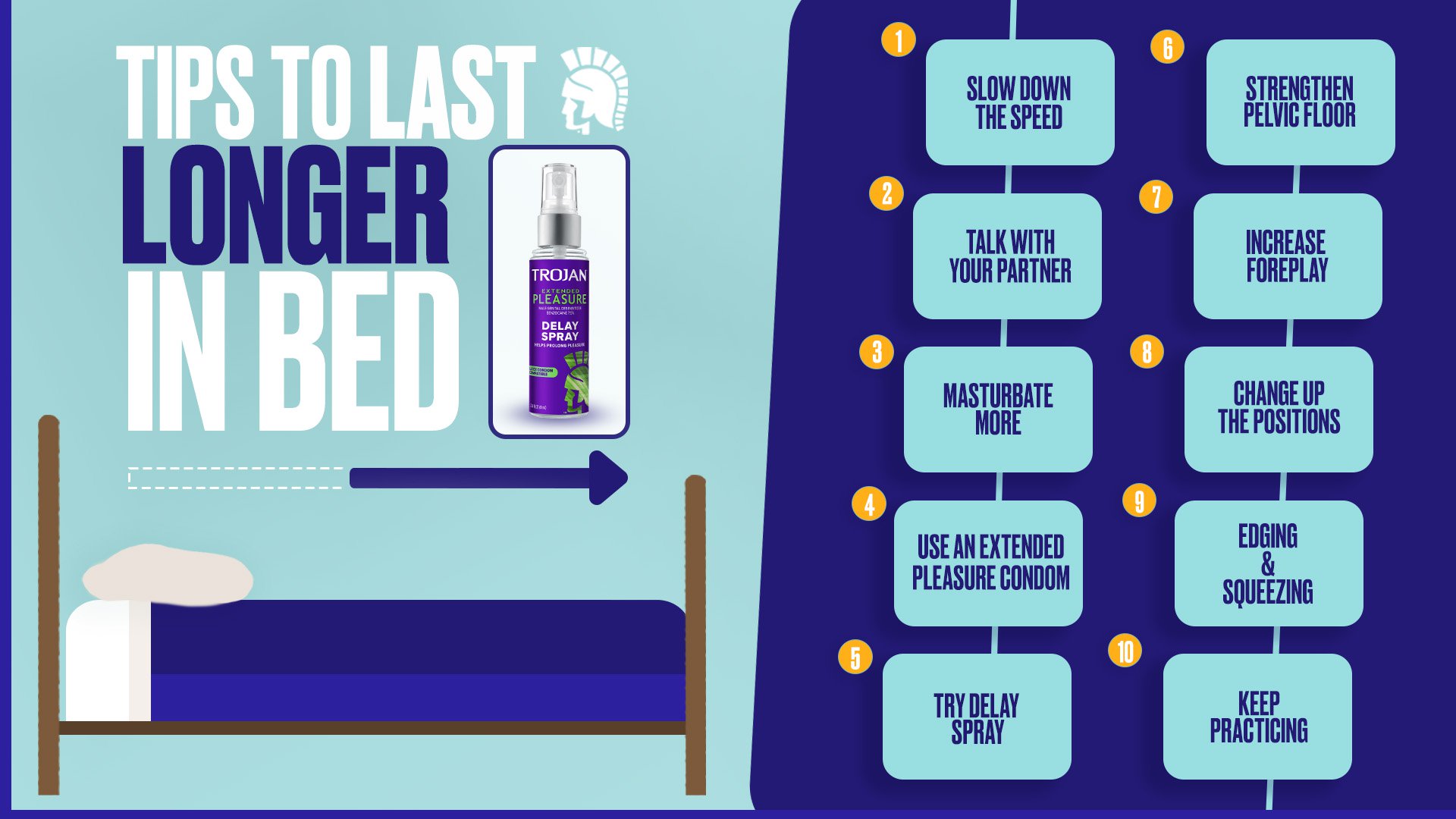
The role of muscles in sexual endurance should not be overlooked. The pubococcygeus muscle, part of the pelvic floor, is particularly significant. Strengthening this muscle through exercises like Kegels can improve control over ejaculation and enhance sexual performance. This is a practical example of how understanding the biological and physiological aspects of sexual function can lead to effective strategies for improvement.
Additionally, hormonal balance and overall health status are crucial for optimal sexual function. Conditions such as hypogonadism, characterized by low testosterone levels, can adversely affect libido and performance. Similarly, chronic stress and anxiety can impair sexual function by disrupting normal hormonal and neurotransmitter balance. Addressing these underlying health issues can, therefore, be a critical step in enhancing sexual endurance.

Practical Strategies for Enhancement
For those seeking to improve their sexual endurance, several practical strategies can be employed. Regular exercise, for example, enhances cardiovascular health, improves mood, and boosts libido. Yoga and pelvic floor exercises are particularly beneficial, as they increase blood flow and strengthen the muscles involved in sexual function. Furthermore, stress management techniques, such as meditation and deep breathing exercises, can help mitigate the negative impacts of anxiety and stress on sexual performance.
Another critical aspect is communication with one's partner. Open discussion about desires, concerns, and preferences can lead to a more fulfilling and longer-lasting sexual experience. This includes exploring different techniques and positions that can help delay ejaculation and improve overall satisfaction. Foreplay is also essential, as it can enhance arousal and prolong the sexual encounter.
In addition to these lifestyle adjustments, certain supplements and nutrients may support sexual health. Zinc, for example, is crucial for testosterone production and overall reproductive health. Similarly, arginine and vitamin D have been linked to improved sexual function. However, it's essential to consult with a healthcare provider before adding any supplements to one's regimen.
Lastly, considering sexual pacing and employing techniques such as the start-stop method or edging can help individuals develop better control over their orgasms, thereby prolonging sexual activity. These methods involve stopping sexual stimulation before orgasm, allowing the body to briefly recover before resuming, which can significantly extend the duration of sexual encounters.

Frequently Asked Questions
What Role Does Diet Play in Sexual Endurance?
A healthy diet rich in fruits, vegetables, whole grains, and lean proteins supports overall health, including sexual function. Certain foods, such as those high in antioxidants and omega-3 fatty acids, can improve blood flow and reduce inflammation, potentially enhancing sexual endurance. Additionally, maintaining a healthy weight through diet and exercise can improve body image and self-esteem, further benefiting sexual performance.
It's also important to avoid or limit substances that can negatively impact sexual health, such as excessive alcohol and smoking. These substances can impair blood flow, reduce libido, and decrease overall sexual function. By making informed dietary choices, individuals can support their sexual health and potentially improve their endurance during intercourse.
How Can Mental Health Impact Sexual Performance?
Mental health plays a profound role in sexual function. Conditions such as depression and anxiety can significantly impact libido and the ability to perform during intercourse. Stress and anxiety can lead to performance anxiety, creating a vicious cycle that worsens sexual function over time. Addressing mental health concerns through therapy, mindfulness practices, and in some cases, medication, can be essential for improving sexual well-being.
Moreover, cultivating a positive body image and fostering self-esteem can enhance sexual confidence, leading to better performance and endurance. This involves recognizing and challenging negative self-perceptions, as well as practicing self-care and self-compassion. By prioritizing mental health and adopting a positive mindset, individuals can overcome psychological barriers to sexual performance and enjoy more fulfilling sexual experiences.

Are There Any Medications That Can Help with Sexual Endurance?
Certain medications, such as selective serotonin reuptake inhibitors (SSRIs) and phosphodiesterase-5 inhibitors (PDE5 inhibitors), can be prescribed to address sexual dysfunction, including premature ejaculation and erectile dysfunction. These medications can help prolong sexual activity by delaying ejaculation or improving erectile function. However, it's crucial to consult with a healthcare provider, as these medications can have side effects and interact with other drugs.
In addition to prescription medications, some herbal supplements and natural remedies are marketed for their potential to improve sexual endurance. While some individuals report benefits from these products, it's essential to approach them with caution, as their efficacy and safety are not always supported by scientific evidence. Always consult with a healthcare professional before adding any new supplements to your regimen.
Can Lifestyle Changes Alone Improve Sexual Endurance?
Lifestyle changes can significantly impact sexual endurance. Adopting a healthy diet, engaging in regular exercise, managing stress, and getting adequate sleep can all contribute to improved sexual function. Additionally, quitting smoking and limiting alcohol consumption can enhance blood flow and reduce the risk of sexual dysfunction. These changes can be particularly effective when combined with pelvic floor exercises and techniques to control ejaculation.
It's also important to recognize the role of relationship dynamics in sexual endurance. Open communication with one's partner, mutual respect, and a fulfilling emotional connection can all contribute to a more satisfying and longer-lasting sexual experience. By addressing lifestyle factors and nurturing a healthy relationship, many individuals can experience significant improvements in sexual endurance without the need for medical intervention.

How Long Does It Typically Take to See Improvements in Sexual Endurance?
The time it takes to notice improvements in sexual endurance can vary widely among individuals. Factors such as the consistency of practice with pelvic floor exercises, the effectiveness of stress management techniques, and the degree of lifestyle changes can all influence the pace of progress. Some individuals may begin to see benefits within a few weeks, while for others, it may take several months.
Patient and consistent effort is key. It's essential to set realistic expectations and understand that improving sexual endurance is a process that requires time, dedication, and a willingness to adapt and learn. Regularly assessing progress and making adjustments as needed can help individuals stay motivated and work toward their goals. Additionally, seeking support from a healthcare provider or a sexual health specialist can provide personalized guidance and support throughout the process.
Respecting the science behind sexual endurance and performance is crucial for making informed decisions about one's sexual health. By understanding the biological, psychological, and physiological factors at play, individuals can embrace evidence-based strategies to improve their sexual well-being. This includes recognizing the importance of communication, relationship health, and overall wellness in enhancing sexual function and endurance.
Moreover, adopting a holistic approach to sexual health empowers individuals to take control of their well-being, fostering a more positive and fulfilling relationship with their sexuality. By prioritizing education, self-care, and open communication, we can work toward breaking down stigmas surrounding sexual health and promoting a culture of informed, respectful, and healthy sexual practices. This not only benefits individuals but also contributes to stronger, more resilient relationships and a more compassionate society.