How To Get A Close Shave Down There
Getting a close shave down there, also known as bikini line shaving or pubic hair removal, has been a topic of interest for many individuals, particularly during the warmer months or for personal hygiene and aesthetic reasons. The history of pubic hair removal dates back to ancient civilizations, where it was practiced for various purposes, including spiritual, cultural, and health reasons. In ancient Egypt, for example, pubic hair was considered uncivilized and was often removed using sugaring, a technique still used today. Similarly, in ancient Greece and Rome, pubic hair was seen as a sign of barbarism and was often removed for athletic and aesthetic purposes.
Fast-forward to the present day, and it's clear that the trend of pubic hair removal has continued to evolve. With the rise of waxing, sugaring, and other depilatory methods, individuals now have a wide range of options for removing unwanted hair. However, it's essential to approach this topic with caution and sensitivity, as it involves sensitive areas of the body and can have potential health and psychological implications. In this article, we'll delve into the world of pubic hair removal, exploring its history, cultural significance, and practical tips for achieving a smooth, close shave.
Understanding the Basics
Before diving into the nitty-gritty of pubic hair removal, it's essential to understand the anatomy of the area. The pubic region is a sensitive area, with delicate skin and a rich nerve supply. This is why it's crucial to approach hair removal with care and caution, using gentle, fragrance-free products and avoiding harsh exfoliants. Additionally, it's vital to consider the psychological aspects of pubic hair removal, as it can be a source of anxiety and self-consciousness for many individuals.
One lesser-known fact about pubic hair removal is that it can have cultural and historical significance. In some cultures, pubic hair is seen as a sign of femininity or masculinity, while in others, it's viewed as taboo or unclean. Understanding these cultural nuances can help individuals approach the topic with sensitivity and respect. Furthermore, the rise of social media and celebrity culture has contributed to the normalization of pubic hair removal, with many celebrities and influencers openly discussing their hair removal habits.
Despite the many benefits of pubic hair removal, there are also potential risks and drawbacks to consider. These include ingrown hairs, razor burn, and skin irritation, which can be painful and frustrating to deal with. Additionally, the environmental impact of hair removal products and practices should not be overlooked, as many contain harsh chemicals and contribute to waste. By being aware of these potential drawbacks, individuals can make informed decisions about their hair removal habits and take steps to minimize their environmental footprint.
Practical Tips and Scenarios
So, how can individuals achieve a close, smooth shave down there? The first step is to prepare the skin by exfoliating and moisturizing the area. This helps to remove dead skin cells and reduce irritation. Next, it's essential to choose the right tools for the job, including a sharp razor, gentle shaving cream, and a clean, dry environment. Additionally, individuals should shave in the direction of hair growth, rather than against it, to minimize the risk of ingrown hairs and razor burn.
One scenario to consider is the pre-vacation shave. Many individuals choose to remove their pubic hair before a beach vacation or special event, but this can be a high-pressure situation. To avoid last-minute stress and anxiety, it's a good idea to plan ahead and schedule hair removal appointments or practice self-care routines well in advance. This can help to reduce anxiety and ensure a smooth, enjoyable experience.
Another scenario to consider is the partner's perspective. When it comes to pubic hair removal, communication and consent are key. Individuals should discuss their hair removal habits and preferences with their partner, taking into account comfort levels, boundaries, and desires. By doing so, individuals can build trust and intimacy in their relationships and avoid potential conflict or misunderstandings.
Finally, it's essential to consider the long-term implications of pubic hair removal. While it may seem like a temporary solution to unwanted hair, repeated hair removal can have permanent effects on the skin and hair follicles. Individuals should weigh the pros and cons of their hair removal habits and consider alternative methods, such as waxing or sugaring, which can be less damaging and more long-lasting.
Frequently Asked Questions
What are the benefits of pubic hair removal?
The benefits of pubic hair removal include improved hygiene, reduced odor, and enhanced aesthetics. Many individuals also report feeling more confident and comfortable in their own skin after removing their pubic hair. Additionally, pubic hair removal can be a form of self-care and pampering, allowing individuals to relax and unwind in a peaceful, low-stress environment.

However, it's essential to consider the potential drawbacks of pubic hair removal, including ingrown hairs, razor burn, and skin irritation. Individuals should weigh the pros and cons of their hair removal habits and take steps to minimize potential risks. By doing so, individuals can enjoy the benefits of pubic hair removal while maintaining healthy, happy skin.
How do I choose the right hair removal method for me?
Choosing the right hair removal method depends on individual preferences, skin types, and hair textures. Some popular methods include waxing, sugaring, shaving, and depilatory creams. Individuals should research and compare different methods, considering factors such as cost, convenience, and effectiveness. Additionally, it's essential to consult with a professional or conduct a patch test before trying a new hair removal method.
When choosing a hair removal method, individuals should also consider their lifestyle and habits. For example, those with sensitive skin may prefer gentle, fragrance-free products, while those with coarse or thick hair may require more intense exfoliation or hair removal techniques. By taking the time to research and compare different methods, individuals can find the best fit for their needs and enjoy a smooth, comfortable experience.
Can I remove my pubic hair at home, or do I need to visit a professional?
While it's possible to remove pubic hair at home, it's often recommended to visit a professional for optimal results and minimal risk of complications. A professional esthetician or waxing specialist can provide expert guidance and personalized care, helping individuals to achieve a smooth, even finish. Additionally, professionals can address potential concerns or issues, such as ingrown hairs or skin irritation.
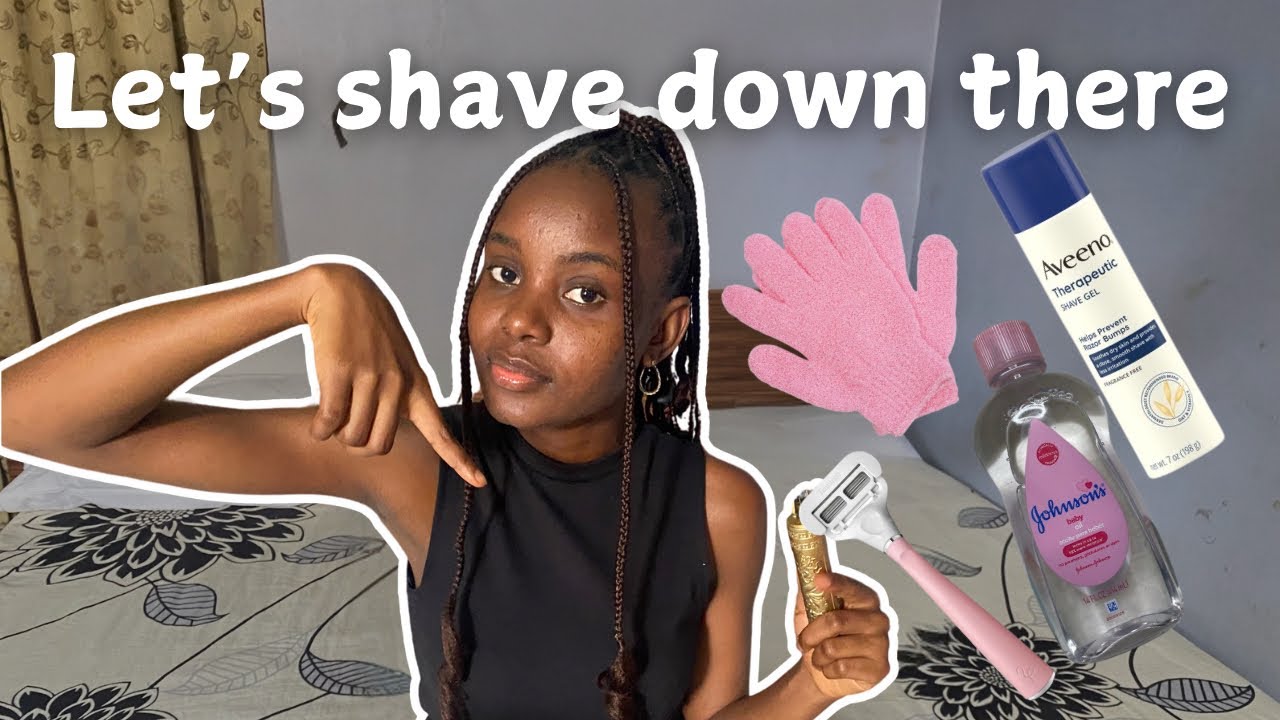
However, for those who prefer to remove their pubic hair at home, it's essential to follow proper techniques and precautions. This includes exfoliating and moisturizing the skin, using gentle, fragrance-free products, and shaving in the direction of hair growth. Individuals should also be patient and take their time, as rushing or using excessive force can lead to nicks, cuts, and other complications.
How do I maintain my skin after pubic hair removal?
Maintaining healthy, happy skin after pubic hair removal requires regular exfoliation, moisturizing, and sun protection. Individuals should gently exfoliate the skin 1-2 times per week, using a gentle, fragrance-free scrub or chemical exfoliant. Additionally, individuals should moisturize the skin daily, using a hydrating, non-comedogenic moisturizer that won't clog pores or irritate the skin.
It's also essential to protect the skin from the sun, as UV radiation can cause damage and discoloration. Individuals should apply a broad-spectrum sunscreen with at least SPF 30 daily, even on cloudy days or during the winter months. By taking these steps, individuals can maintain healthy, glowing skin and enjoy the benefits of pubic hair removal for months to come.
Are there any health risks associated with pubic hair removal?
While pubic hair removal is generally considered safe and effective, there are potential health risks to consider. These include ingrown hairs, razor burn, and skin irritation, which can be painful and frustrating to deal with. Additionally, individuals may be at risk for infections, such as folliculitis or cellulitis, particularly if they don't follow proper hygiene and aftercare techniques.

To minimize the risk of complications, individuals should follow proper techniques and precautions when removing their pubic hair. This includes exfoliating and moisturizing the skin, using gentle, fragrance-free products, and shaving in the direction of hair growth. Individuals should also be aware of their body and take regular breaks, as over-exfoliating or using excessive force can lead to nicks, cuts, and other complications.
As we reflect on the topic of pubic hair removal, it's clear that it's a complex and multifaceted issue. From the cultural and historical significance of pubic hair to the practical tips and scenarios for achieving a smooth, close shave, there's much to consider. Whether you're a seasoned pro or a newcomer to the world of pubic hair removal, it's essential to approach the topic with caution, sensitivity, and respect.
One key aspect of pubic hair removal is its connection to human nature and psychology. For many individuals, pubic hair removal is a source of anxiety and self-consciousness, particularly in the context of intimate relationships or social situations. However, by approaching the topic with openness and honesty, individuals can build trust and intimacy with their partners and develop a more positive body image.
Ultimately, the decision to remove pubic hair is a personal choice that depends on individual preferences, values, and priorities. By being informed, respectful, and mindful of the potential risks and benefits, individuals can make empowered decisions about their bodies and enjoy a healthy, happy, and fulfilling life. Whether you choose to remove your pubic hair or not, the most important thing is to be true to yourself and prioritize your physical and emotional well-being.