How Strict Are International Carry On Sizes
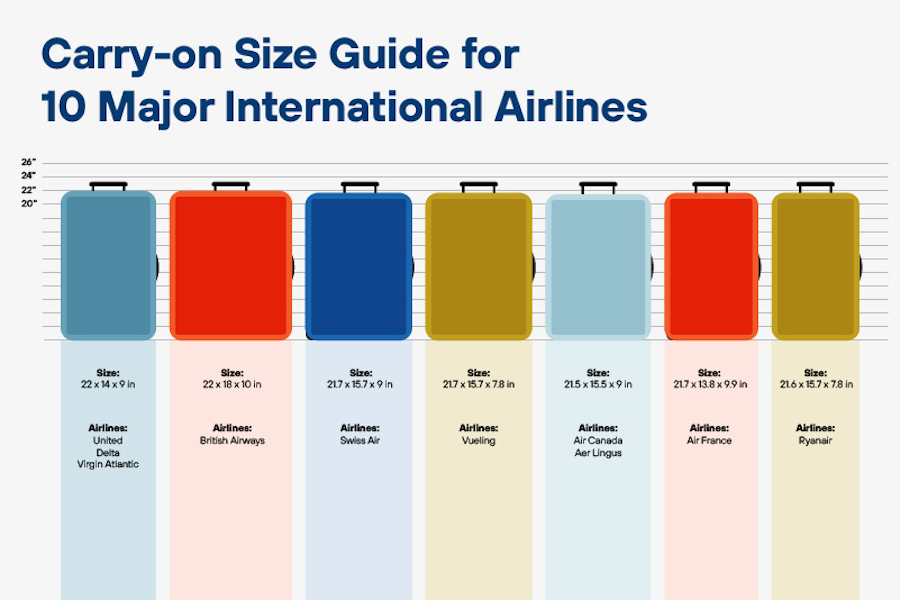
As we stand in the security lines of modern airports, painstakingly ensuring our carry-on bags fit within the strict size guidelines, it's hard not to reminisce about the good old days when air travel was less regulated and more about the adventure than the anxiety of meeting luggage requirements. The evolution of international carry-on sizes is a story of necessity, innovation, and strict adherence to safety and efficiency standards. It begins decades ago, in an era when flying was a luxury and rules were more like guidelines.
The initial human necessity behind the standardization of carry-on sizes was largely about safety and comfort. In the early days of commercial aviation, as more people took to the skies, the need for standardized regulations became increasingly important. This wasn't just about ensuring that everyone had enough space in the overhead compartments but also about preventing accidents that could occur due to improperly stowed luggage. The 1950s and 60s saw the first attempts at regulating carry-on sizes, though these were hardly uniform and varied significantly from one airline to another.
As air travel became more accessible and the number of passengers increased, so did the complexity of managing cabin luggage. By the 1980s, most airlines had adopted some form of carry-on size restriction, though these were often vague and not strictly enforced. It wasn't until the 1990s that we started seeing the first standardized measurements for carry-on luggage, marking a significant shift towards a more regulated and safer flying experience. This evolution was not just about the sizes of the bags but also about the materials they were made from, reflecting broader trends in consumer products and environmental consciousness.
Must Read
The Evolution of Carry-On Sizes
The transformation of carry-on sizes over the years has been marked by periods of relative stability punctuated by significant changes, often in response to major incidents or shifts in consumer behavior. One of the most significant turning points was the aftermath of 9/11, which saw a major overhaul of airport security and luggage handling procedures. Suddenly, the emphasis on what could be carried on and how it was screened became paramount, leading to stricter guidelines on the size and contents of carry-on bags.
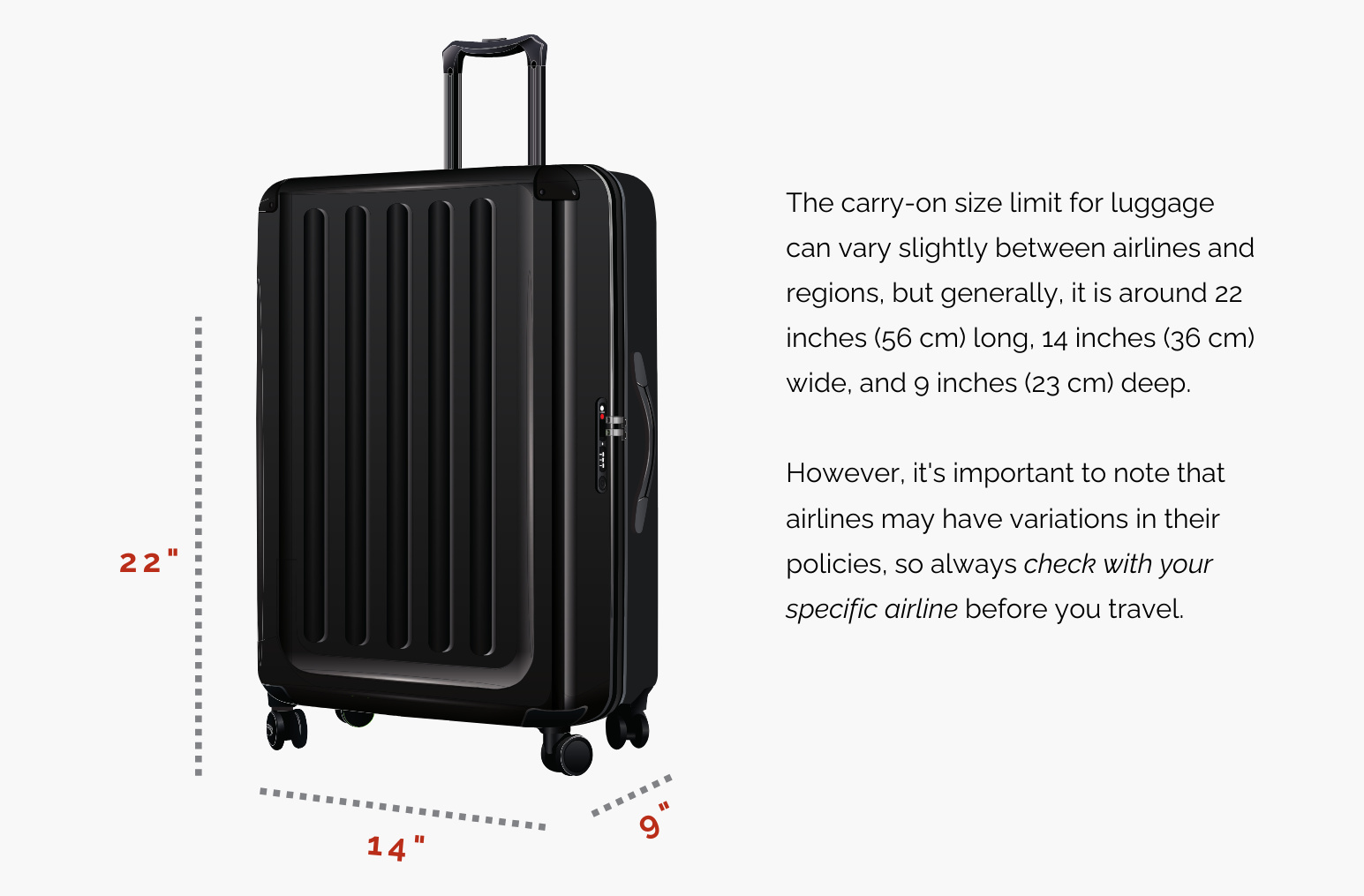
In the 2000s, as security checks became more rigorous, airlines also began to standardize their carry-on size policies more closely, often in conjunction with international aviation authorities. This period also saw the introduction of the 22" x 14" x 9" standard for many carriers, a size that aimed to balance passenger convenience with the practicalities of cabin storage. However, not all airlines adopted this standard, and discrepancies remained, causing confusion among travelers.

Despite these efforts towards standardization, there are still vintage facts and anomalies that highlight the complexity of regulating carry-on sizes internationally. For instance, some airlines, particularly those operating smaller aircraft, have had to adopt smaller size limits due to the physical constraints of their planes. This has led to a situation where a bag that is perfectly acceptable on a major international flight might not be allowed in the cabin of a regional jet.
The bizarre ways in which carry-on sizes were treated in previous decades often reflect the broader cultural and technological context of the time. In the 1970s, for example, as air travel became more democratized, there was a period where certain airlines allowed relatively large items to be carried on, under the assumption that passengers would act responsibly. This period of relative leniency was short-lived, as incidents and complaints about overhead space prompted a reevaluation of policies.
Modernizing Carry-On Sizes
Today, the classic principles of carry-on sizes are being reevaluated and modernized to fit the needs of a fast-paced, tech-savvy world. Innovations in materials science have led to the development of luggage that is both stronger and lighter, potentially allowing for more flexible size standards without compromising safety. Moreover, the rise of smart luggage, equipped with GPS, scales, and even automated locking systems, promises to further revolutionize how we manage our carry-on bags, potentially streamlining security checks and reducing disputes over size.
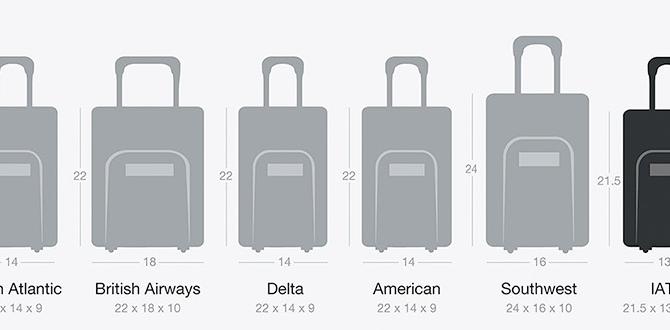
Furthermore, the impact of digitalization on air travel cannot be overstated. With more airlines adopting digital check-in systems and apps that allow passengers to check the size and weight of their luggage before arriving at the airport, the process of adhering to carry-on size restrictions is becoming increasingly streamlined. Passengers can now plan and adjust their luggage accordingly, reducing the likelihood of issues at the gate and making the entire travel experience more efficient and less stressful.
Frequently Asked Questions
What are the standard international carry-on sizes, and how do they vary between airlines?
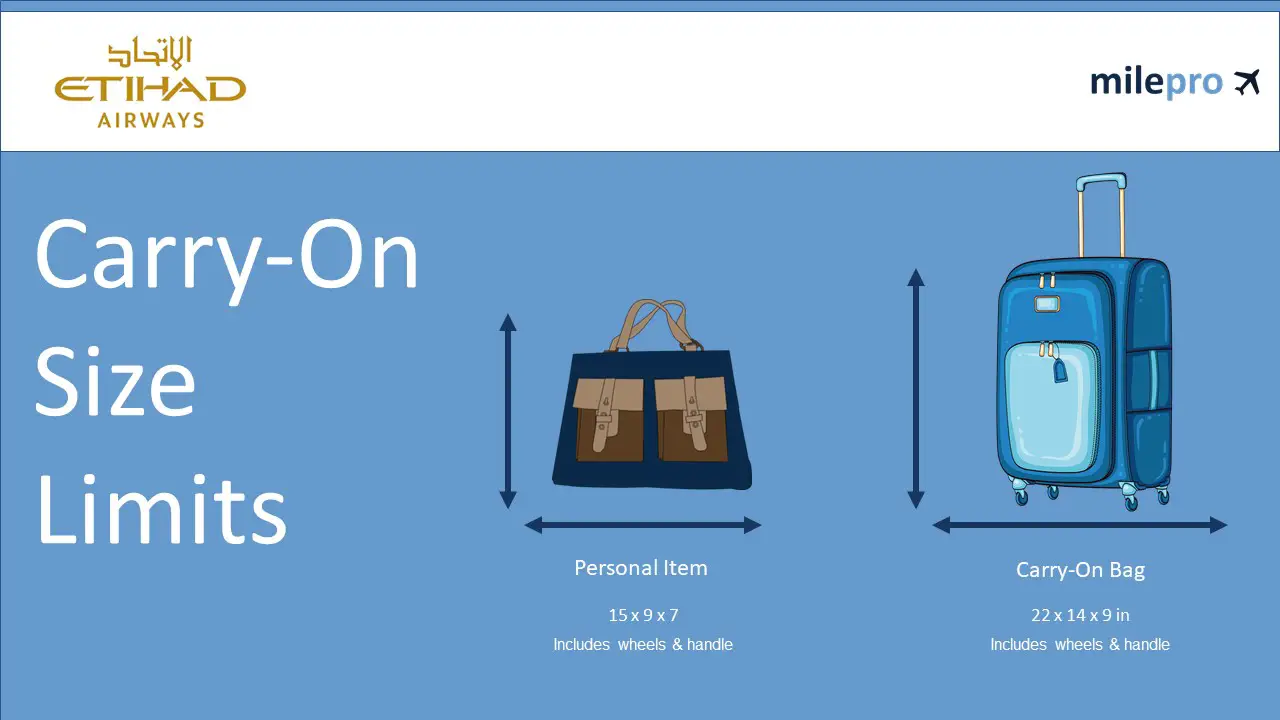
The standard international carry-on sizes are generally considered to be around 22" x 14" x 9", but these can vary significantly between airlines. For instance, some airlines might have slightly smaller or larger limits, and there are also differences based on the class of travel. First-class and business-class passengers, for example, might be allowed larger bags or additional items. Understanding these variations is crucial for travelers to avoid last-minute issues during check-in.
Historically, the variation in carry-on sizes between airlines has been a source of frustration for travelers. In the past, it was not uncommon for bags that fit perfectly in the overhead bins of one airline to be rejected by another. However, in recent years, there has been a move towards greater standardization, driven in part by international aviation bodies and in part by consumer demand for simplicity and consistency. Despite this, checking the specific luggage restrictions of your airline before packing remains a prudent step in avoiding travel hassles.
:max_bytes(150000):strip_icc()/TAL-illustrated-chart-CARRYSIZE0325-35ad53e34fe94833b370f432af602978.jpg)
How have security concerns impacted carry-on size regulations over the years?
Security concerns have played a pivotal role in shaping carry-on size regulations, particularly in the aftermath of significant incidents. The 9/11 attacks marked a major turning point, leading to a significant overhaul of security protocols, including stricter limits on carry-on bags and their contents. Since then, there has been a continued evolution of security screening technologies and methodologies, influencing how luggage is managed and regulated. For example, the introduction of liquids and gels restrictions in the 2000s further complicated the landscape of what could be carried on, necessitating changes in bag design and passenger behavior.
The response to security threats has also led to innovations in luggage design, with manufacturers developing products that are not only more secure but also compliant with the evolving regulatory environment. The use of TSA-approved locks and bags designed with security checkpoints in mind are examples of how the industry has adapted to the stricter security landscape. As security technologies continue to advance, it's likely that carry-on size regulations will continue to evolve, balancing the need for safety with the convenience and comfort of passengers.
What futuristic possibilities might change how we think about carry-on sizes and luggage in general?
Looking ahead, there are several futuristic possibilities that could significantly alter how we approach carry-on sizes and luggage. One of the most promising areas is in advanced materials, where research into lighter, stronger materials could lead to the development of luggage that is both more spacious and safer. Moreover, the integration of AI and robotics into airport operations could revolutionize luggage handling, potentially allowing for more personalized and efficient management of carry-on bags, including real-time monitoring of size and weight.

The concept of modular luggage is also gaining traction, where bags are designed to be adaptable, allowing passengers to adjust their luggage size based on the specific requirements of their flight. This, combined with biometric security checks and automated baggage handling systems, paints a picture of a future where the constraints of carry-on sizes become less relevant, as technology addresses the underlying issues of safety, security, and convenience that these regulations aim to solve. As we move into this future, the way we think about carry-on sizes will undoubtedly undergo significant changes, driven by technological innovation and shifting consumer expectations.
As we reflect on where the topic of international carry-on sizes will take humanity in the next 20 years, it's clear that the future holds much promise for innovation and improvement. The integration of technology into every aspect of air travel, from check-in to landing, will continue to streamline processes and enhance the passenger experience. Moreover, as consumers become increasingly aware of environmental issues, the luggage industry is likely to respond with more sustainable options, potentially influencing carry-on size standards as airlines and manufacturers seek to minimize waste and reduce carbon footprints.
The next two decades will also see significant advancements in security screening technologies, further securing flights while potentially allowing for more leniency in carry-on sizes. The 2020s and 2030s will be defining years for air travel, marked by the adoption of artificial intelligence, biometrics, and other cutting-edge technologies. As these technologies mature and become ubiquitous, they will reshape not just the rules surrounding carry-on sizes but the very nature of air travel itself, ushering in an era of unprecedented convenience, safety, and personalization.