How Often Is It Normal To Masturbate

Let's face it, masturbation is a natural part of human life, yet it remains shrouded in mystery and misconceptions. The act of self-pleasure has been a part of human culture for thousands of years, with ancient civilizations like the Egyptians, Greeks, and Romans depicting it in their art and literature. Despite its long history, masturbation has often been stigmatized, leading to a lack of open and honest discussion about it. However, with the rise of sex-positive movements and increasing awareness about mental health, it's time to shed light on this vital aspect of human sexuality.
In modern times, masturbation has become a topic of interest in the fields of psychology, sociology, and medicine. Researchers have been studying its effects on physical and mental well-being, as well as its role in relationships and self-discovery. With the advent of the internet and social media, people are now more connected than ever, and the conversation around masturbation is becoming increasingly mainstream. From podcasts and blogs to online forums and support groups, there are numerous platforms where individuals can share their experiences and learn from others.
Uncovering the Truth
One of the most significant misconceptions about masturbation is that it's a sign of loneliness or insecurity. However, research suggests that most people masturbate, regardless of their relationship status or self-esteem. In fact, studies have shown that masturbation can have numerous benefits, including reducing stress, improving sleep, and boosting mood. Moreover, it can be a great way to explore one's body and discover new pleasures, which can, in turn, enhance intimacy with partners.
From a psychological perspective, masturbation can be a complex and multifaceted phenomenon. It can be a way to cope with emotions, such as anxiety or sadness, or to celebrate self-love and self-acceptance. Furthermore, it can be a means to reclaim one's body and challenge societal norms around sexuality and pleasure. By examining the psychological aspects of masturbation, we can gain a deeper understanding of its role in our lives and its impact on our mental health.
One of the most fascinating aspects of masturbation is its cultural significance. Throughout history, different cultures have had unique attitudes towards self-pleasure, ranging from celebration to condemnation. In some cultures, masturbation is seen as a sacred act, while in others, it's viewed as a taboo. By exploring these diverse perspectives, we can gain insight into the complex and often contradictory nature of human sexuality.
Navigating the Complexities
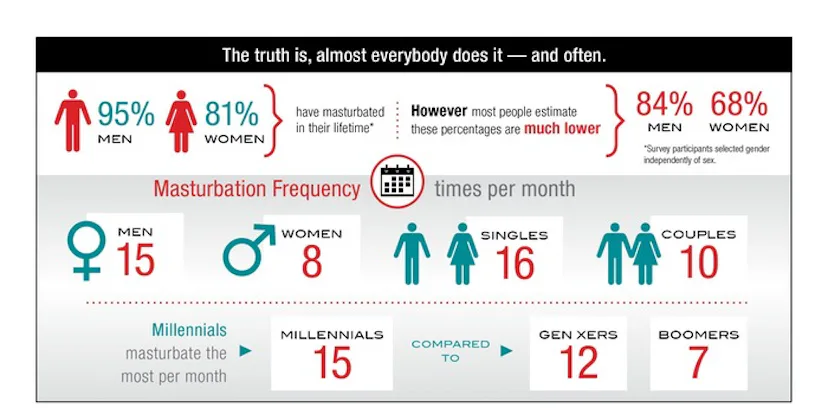
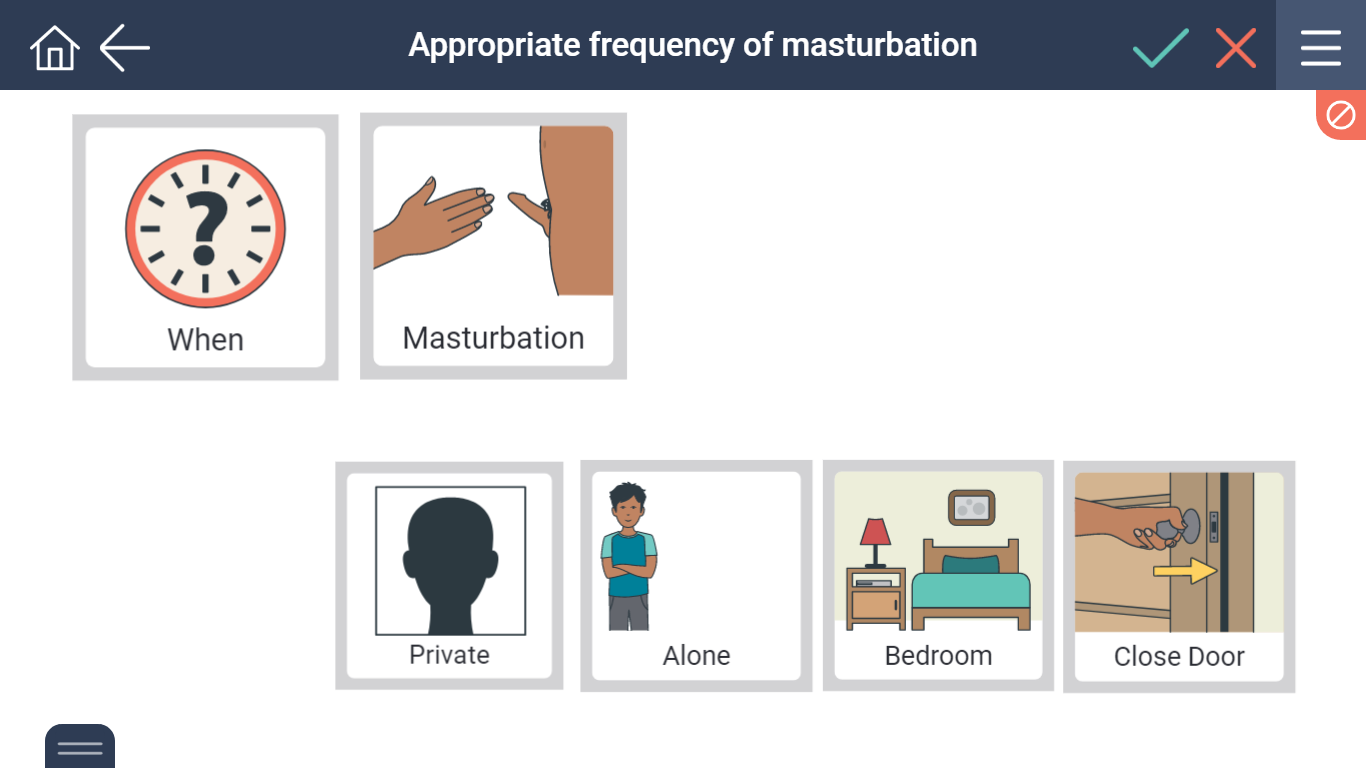
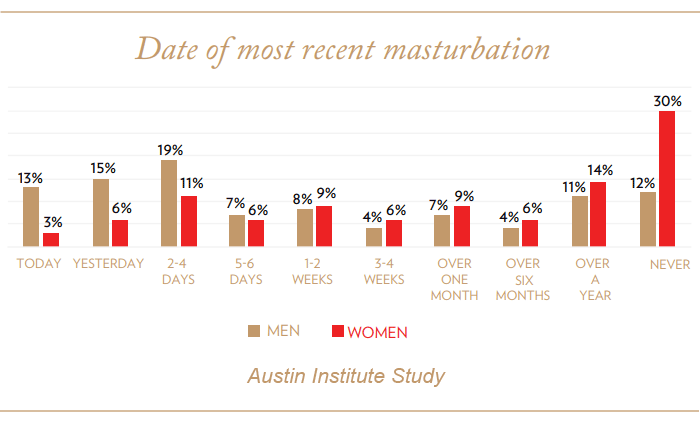
So, how often is it normal to masturbate? The answer, of course, varies from person to person. While some individuals may masturbate daily, others may do so weekly or monthly. The key is to listen to one's body and honor its needs. By doing so, we can cultivate a healthier relationship with ourselves and our bodies.
For those who are struggling with guilt or shame around masturbation, it's essential to seek support and challenge negative self-talk. This can involve talking to a therapist, joining a support group, or practicing self-compassion. By working through these emotions, individuals can develop a more positive and empowered relationship with their bodies and their desires.
In relationships, masturbation can be a sensitive topic. While some partners may be open and communicative about their desires, others may feel insecure or threatened. By talking openly and honestly about boundaries and desires, couples can build trust and intimacy, and create a more fulfilling and satisfying relationship.
Ultimately, the frequency and nature of masturbation depend on individual circumstances and personal preferences. Whether it's a daily routine or an occasional indulgence, the most important thing is to respect one's body and honor its needs. By embracing this mindset, we can cultivate a more positive and empowered relationship with our bodies and our desires.
Frequently Asked Questions
Is it normal to masturbate every day?
Masturbating every day can be a normal and healthy part of one's routine. However, it's essential to listen to one's body and honor its needs. If masturbation is interfering with daily life or relationships, it may be necessary to re-evaluate and find a balance. Ultimately, the key is to respect one's body and prioritize self-care.

For those who are concerned about the frequency of their masturbation, it's crucial to seek support and challenge negative self-talk. This can involve talking to a therapist, joining a support group, or practicing self-compassion. By working through these emotions, individuals can develop a more positive and empowered relationship with their bodies and their desires.
Can masturbation affect my relationships?
Masturbation can have both positive and negative effects on relationships, depending on the context and communication. On the one hand, masturbation can be a healthy outlet for stress and frustration, which can, in turn, enhance intimacy with partners. On the other hand, if masturbation is used as a replacement for intimacy or communication, it can create tension and distance in relationships.
To navigate these complexities, it's essential to talk openly and honestly with partners about boundaries and desires. By communicating effectively and building trust, couples can create a more fulfilling and satisfying relationship, where masturbation is a natural and healthy part of their intimacy.
Is it okay to masturbate if I'm in a relationship?
Masturbating while in a relationship can be a normal and healthy part of one's self-care routine. However, it's essential to communicate openly and honestly with partners about boundaries and desires. By talking openly and building trust, couples can create a more fulfilling and satisfying relationship, where masturbation is a natural and healthy part of their intimacy.

Ultimately, the key is to respect one's body and honor its needs, while also communicating effectively with partners. By doing so, individuals can cultivate a more positive and empowered relationship with their bodies and their desires, and create a more fulfilling and satisfying relationship with their partners.
Can masturbation affect my mental health?
Masturbation can have both positive and negative effects on mental health, depending on the context and individual circumstances. On the one hand, masturbation can be a healthy outlet for stress and frustration, which can, in turn, enhance mood and reduce anxiety. On the other hand, if masturbation is used as a replacement for human connection or self-care, it can create negative emotions and low self-esteem.
To navigate these complexities, it's essential to seek support and challenge negative self-talk. This can involve talking to a therapist, joining a support group, or practicing self-compassion. By working through these emotions, individuals can develop a more positive and empowered relationship with their bodies and their desires, and cultivate a more fulfilling and satisfying life.
How can I talk to my partner about masturbation?
Talking to a partner about masturbation can be a sensitive and challenging topic. However, by communicating openly and honestly, couples can build trust and intimacy, and create a more fulfilling and satisfying relationship. It's essential to choose the right time and place for the conversation, and to approach the topic with empathy and understanding.
By talking openly and honestly about boundaries and desires, couples can create a more fulfilling and satisfying relationship, where masturbation is a natural and healthy part of their intimacy. Ultimately, the key is to respect one's body and honor its needs, while also communicating effectively with partners.
As we reflect on the complexities of masturbation, it's clear that this topic is deeply connected to our daily lives and human nature. Whether it's a means of self-discovery, a healthy outlet for stress, or a natural part of intimacy, masturbation plays a significant role in our physical and emotional well-being. By embracing this aspect of our lives with openness and honesty, we can cultivate a more positive and empowered relationship with our bodies and our desires.
Moreover, the conversation around masturbation is closely tied to broader discussions about sexuality, intimacy, and human connection. By exploring these topics with curiosity and open-mindedness, we can gain a deeper understanding of ourselves and others, and create a more inclusive and compassionate society.
Ultimately, the journey of self-discovery and self-acceptance is a lifelong path, and masturbation is just one aspect of this journey. By embracing our bodies and our desires with love and acceptance, we can cultivate a more fulfilling and satisfying life, and create a brighter, more empowered future for ourselves and others.