How Many Liquids Can You Take On A Carry On
The world of air travel has become increasingly complex, with rules and regulations changing almost as frequently as the seasons. One of the most debated and often misunderstood aspects of flying is the amount of liquids you can take on a carry-on. For many of us, the mere mention of the words "liquids" and "carry-on" conjures up images of frantic last-minute checks at security, anxiously wondering if our favorite face cream or expensive perfume will make it through the scanner. But where did this rule come from, and how has it become such an integral part of our flying experience?
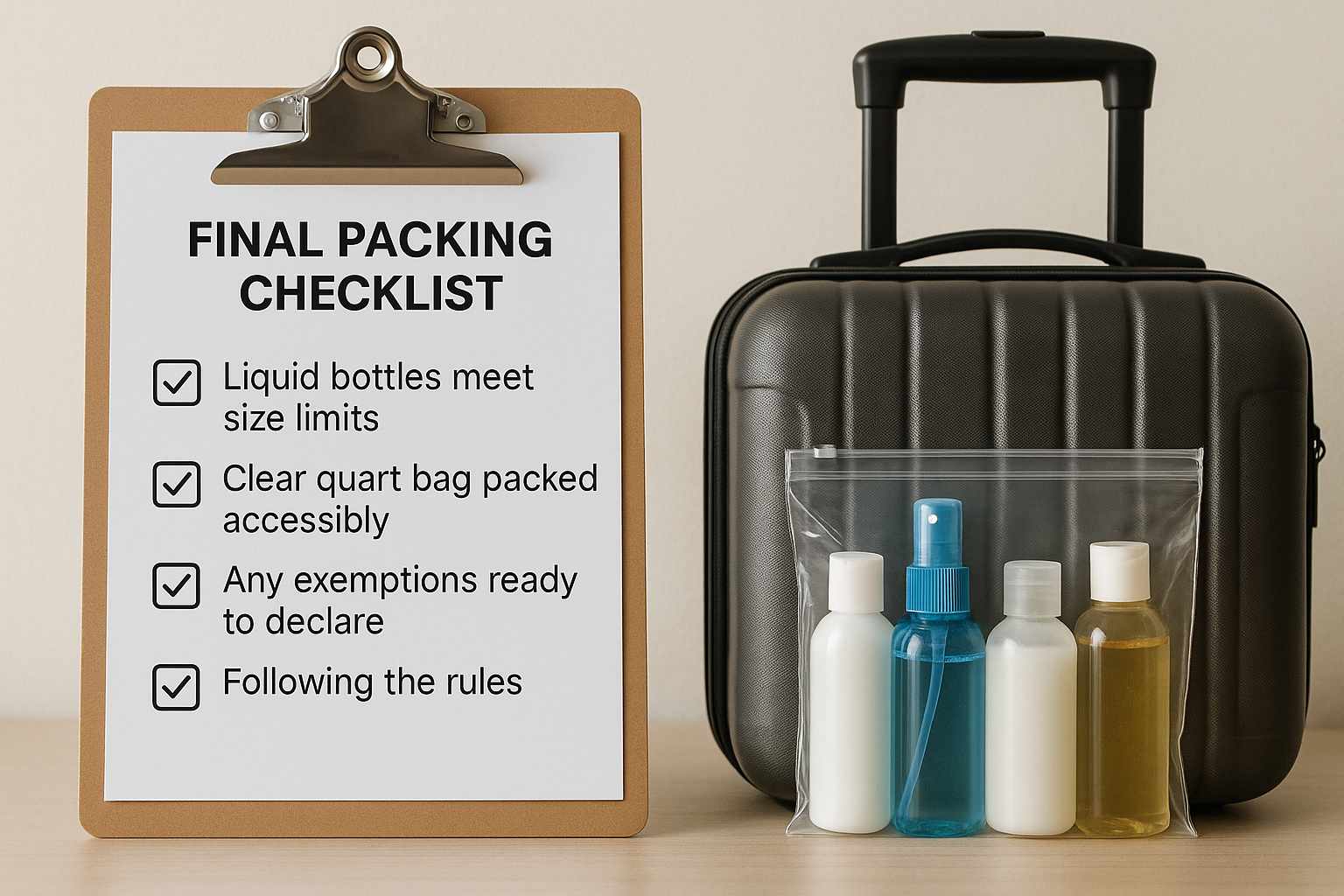
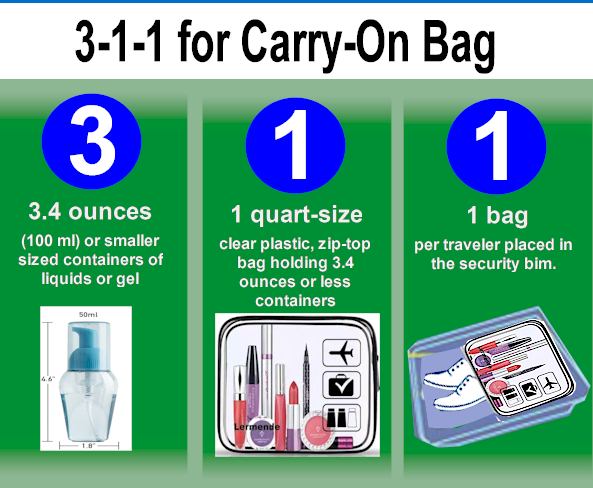
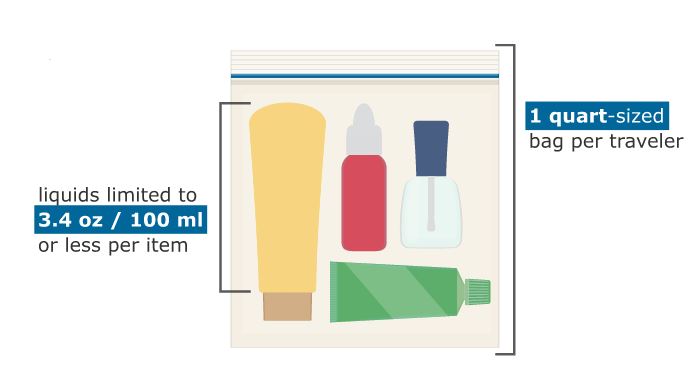
As we delve into the history of the liquids rule, it becomes clear that it's a story of trial and error, of reactionary measures in response to emerging threats. The specifics of the rule, which allows passengers to carry liquids, gels, and aerosols in containers of 3.4 ounces or less, all stored in a clear, quart-sized zip-top bag, seem arcane, but they're designed with a specific purpose in mind - to ensure the safety of everyone on board. Whether we're talking about the would-be bomber who attempted to ignite a device in his shoe or the numerous other plots that have been foiled over the years, it's clear that the threat is real, and the rules are in place to mitigate it. And yet, despite their importance, the rules can often seem arbitrary, a source of frustration for travelers who just want to get to their destination without hassle.
The Evolution of Liquids Rules
One of the most fascinating aspects of the liquids rule is its evolution over time. Initially introduced in response to the 2006 transatlantic aircraft plot, in which terrorists planned to detonate liquid explosives on board, the rule has undergone several revisions, with the most significant being the introduction of the 3-1-1 rule. This rule, which dictates that passengers can carry liquids, gels, and aerosols in containers of 3.4 ounces or less, all stored in a clear, quart-sized zip-top bag, has become the gold standard for air travel. But what's interesting is how cultural references have seeped into our collective consciousness, with the fear of liquids becoming a sort of dark humor, a running joke among travelers. We've all been there - nervously chuckling as we watched our neighbor's expensive face cream get confiscated, or explaining to a skeptical security agent why our toothpaste is, in fact, a necessary item.
And then, of course, there's the psychological aspect - the way in which the rule has become an integral part of our flying experience. We've all heard stories of passengers who've been forced to discard their favorite liquids at security, only to repurchase them at exorbitant prices in the airport gift shop. It's a cat-and-mouse game, with passengers constantly looking for ways to outsmart the system, and security agents just as determined to stay one step ahead. But what's often overlooked is the impact on our daily lives - the way in which the rule has become a sort of background hum, a constant presence that we've learned to live with, but never really think about.
As we explore the cultural impact of the liquids rule, it becomes clear that it's had a profound effect on our society. We've become a nation of over-prepared travelers, always on the lookout for the next big threat, always worrying about what might happen if we don't comply with the rules. And yet, despite the doom and gloom, there's a sense of resilience among travelers - a determination to make the most of it, to find the humor in the situation, and to share our experiences with others. Whether we're talking about the legendary tales of security agents who've confiscated everything from toothpaste to perfume, or the countless hacks that have been shared online, it's clear that the liquids rule has become an integral part of our shared culture.
Real-World Scenarios and Takeaways
So, what does this mean for us in practice? How can we navigate the complex world of liquids and carry-ons, and what are the key takeaways that we need to know? The first thing to remember is that preparation is key. Before you even get to the airport, take the time to check the rules, to make sure you're not carrying any prohibited items. And when you do get to security, be prepared to explain yourself - to justify why you need that particular item, and to prove that it's not a threat. It's not always easy, but with the right mindset, and the right knowledge, you can make it through security with ease.
:max_bytes(150000):strip_icc()/liquids-on-a-plane-4046937-FINAL-5ba3d35d4cedfd002506643d.png)
Of course, there are also scenarios where the rules just don't seem to make sense. We've all heard stories of passengers who've been forced to discard their medication, or who've had to choose between their favorite liquids and their carry-on. It's a difficult situation, but one that can often be resolved with a little creativity. Whether it's packing your liquids in a separate bag, or using a TSA-approved container, there are always ways to work around the rules. And when all else fails, there's always the option to check a bag - a decision that can often be more hassle than it's worth, but one that can also be a lifesaver in certain situations.
As we explore the world of air travel, it becomes clear that the liquids rule is just one part of a larger puzzle. We need to think about security, of course, but we also need to think about convenience, and comfort. Whether we're talking about the hassle of security lines, or the luxury of first class, it's clear that the world of air travel is complex, and multifaceted. And as we navigate this world, we need to be prepared, informed, and always on the lookout for new and innovative solutions.
Finally, there are the case studies - the stories of passengers who've successfully navigated the system, and come out on top. We've heard tales of travel bloggers who've managed to pack an entire wardrobe into a single carry-on, and of business travelers who've learned to work the system to their advantage. It's a testament to human ingenuity, and a reminder that even in the most trying of circumstances, we can always find a way to make it work. Whether it's using a TSA-approved bag, or packing our liquids in a separate container, there are always ways to overcome the challenges of air travel, and to come out on top.
Frequently Asked Questions
What is the 3-1-1 rule, and how does it apply to carry-ons?
The 3-1-1 rule is a regulation that dictates that passengers can carry liquids, gels, and aerosols in containers of 3.4 ounces or less, all stored in a clear, quart-sized zip-top bag. This rule applies to all carry-on bags, and is designed to ensure the safety of everyone on board. The rule is simple - if you have a liquid, gel, or aerosol that's in a container larger than 3.4 ounces, you'll need to check it, or discard it at security.
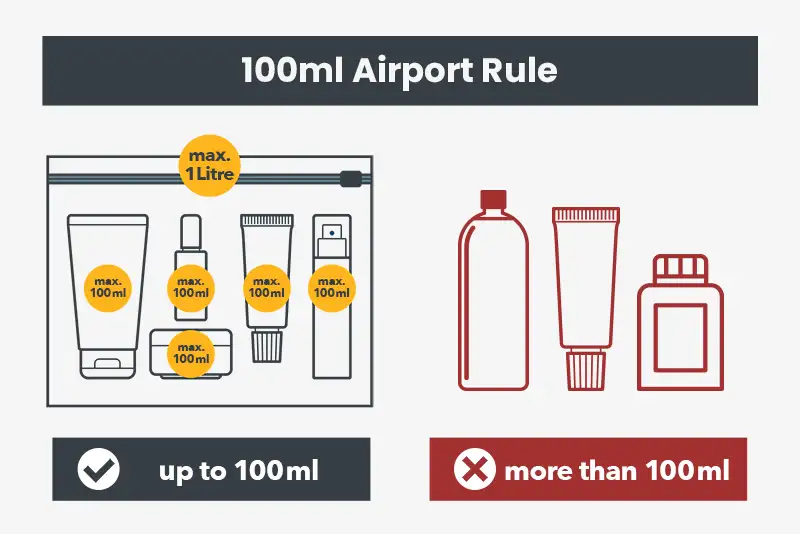
But what's interesting is how this rule has become an integral part of our daily lives. We've all heard stories of passengers who've been forced to choose between their favorite liquids, and who've had to get creative in order to pack everything they need. And yet, despite the hassle, there's a sense of resilience among travelers - a determination to make the most of it, and to find the humor in the situation. Whether we're talking about the legendary tales of security agents who've confiscated everything from toothpaste to perfume, or the countless hacks that have been shared online, it's clear that the 3-1-1 rule has become an integral part of our shared culture.
Can I take exceptions to the 3-1-1 rule, such as medication or baby formula?
Yes, there are exceptions to the 3-1-1 rule, and these include medication, baby formula, and breast milk. These items are allowed in reasonable quantities, and are exempt from the 3.4 ounce limit. However, it's still important to declare them at security, and to be prepared to explain yourself. And even though these items are exempt, it's still important to follow the rules, and to use common sense when packing your carry-on.
But what's interesting is how these exceptions have become a source of controversy. We've all heard stories of passengers who've been denied boarding due to confusion over the rules, and who've had to fight to get their medication or breast milk through security. It's a difficult situation, but one that can often be resolved with a little creativity. Whether it's packing your medication in a separate bag, or using a TSA-approved container, there are always ways to work around the rules, and to get what you need.
How do I pack my liquids, gels, and aerosols to ensure compliance with the 3-1-1 rule?
Packing your liquids, gels, and aerosols can be a challenge, but there are a few tips and tricks that can make it easier. First, make sure you're using a clear, quart-sized zip-top bag to store your items. This will make it easy to see what's inside, and to declare your items at security. Next, consider packing your liquids, gels, and aerosols in smaller containers, to minimize the amount of space they take up in your carry-on. And finally, be sure to check the rules before you pack, to ensure that you're not carrying any prohibited items.
:max_bytes(150000):strip_icc()/Liquids-in-carry-on-468595-v2-334131c6ffdf498f9503f6e0480f6efe.png)
But what's interesting is how this process has become an art form. We've all heard stories of passengers who've managed to pack an entire wardrobe into a single carry-on, and who've learned to work the system to their advantage. It's a testament to human ingenuity, and a reminder that even in the most trying of circumstances, we can always find a way to make it work. Whether it's using a TSA-approved bag, or packing our liquids in a separate container, there are always ways to overcome the challenges of air travel, and to come out on top.
Can I take liquids, gels, and aerosols in my checked luggage, or are there restrictions on these items as well?
Yes, you can take liquids, gels, and aerosols in your checked luggage, but there are restrictions on these items as well. Flammable liquids, such as paint thinner or gasoline, are generally prohibited in both carry-on and checked luggage. And while non-flammable liquids, such as shampoo or conditioner, are allowed in reasonable quantities, it's still important to check the rules before you pack, to ensure that you're not carrying any prohibited items.
But what's interesting is how these restrictions have become a source of frustration for many travelers. We've all heard stories of passengers who've had to discard their favorite liquids, or who've had to pay extra fees to check a bag. It's a difficult situation, but one that can often be resolved with a little creativity. Whether it's packing your liquids in a separate bag, or using a TSA-approved container, there are always ways to work around the rules, and to get what you need.
How do I know what items are considered liquids, gels, or aerosols, and what are some examples of these items?
The TSA defines liquids, gels, and aerosols as items that are capable of flowing or changing shape. This includes shampoo, conditioner, toothpaste, and perfume, as well as hair gel, deodorant, and hairspray. But what's interesting is how this definition has become a source of controversy. We've all heard stories of passengers who've been denied boarding due to confusion over the rules, and who've had to fight to get their items through security. It's a difficult situation, but one that can often be resolved with a little creativity.

And finally, it's worth noting that the TSA has a comprehensive list of prohibited items on their website, which can be a valuable resource for travelers who are unsure about what items are allowed. Whether you're talking about liquids, gels, or aerosols, there are always ways to stay informed, and to stay ahead of the game. By checking the rules before you pack, and by using a little common sense, you can ensure a smooth and hassle-free travel experience.
As we reflect on the world of air travel, it becomes clear that the liquids rule is just one part of a larger puzzle. We need to think about security, of course, but we also need to think about convenience, and comfort. Whether we're talking about the hassle of security lines, or the luxury of first class, it's clear that the world of air travel is complex, and multifaceted. And as we navigate this world, we need to be prepared, informed, and always on the lookout for new and innovative solutions.
And yet, despite the challenges, there's a sense of resilience among travelers - a determination to make the most of it, and to find the humor in the situation. Whether we're talking about the legendary tales of security agents who've confiscated everything from toothpaste to perfume, or the countless hacks that have been shared online, it's clear that the liquids rule has become an integral part of our shared culture. We've learned to laugh at ourselves, and to find the humor in the situation. And as we move forward, it's clear that this sense of resilience will continue to serve us well - a reminder that even in the most trying of circumstances, we can always find a way to make it work.
As we look to the future, it's clear that the world of air travel will continue to evolve. New technologies will emerge, new threats will arise, and new rules will be put in place. But through it all, the core principles will remain the same - a commitment to security, a focus on convenience, and a determination to make the most of it. And as we navigate this world, we'll need to be prepared, informed, and always on the lookout for new and innovative solutions. Whether we're talking about the hassle of security lines, or the luxury of first class, it's clear that the world of air travel is complex, and multifaceted. And as we move forward, it's clear that this sense of resilience will continue to serve us well - a reminder that even in the most trying of circumstances, we can always find a way to make it work.