How Is A Prince Albert Piercing Done

The world of body piercings has been a part of human culture for thousands of years, with various civilizations practicing different forms of piercings for spiritual, aesthetic, or symbolic reasons. Among the myriad of piercing types, the Prince Albert piercing has gained significant attention in modern times for its unique placement and the perceived sense of boldness it embodies. Originating in the 19th century, the Prince Albert piercing is named after Prince Albert of Saxe-Coburg and Gotha, whose penchant for this particular style of genital piercing was rumored, although the actual origins of the piercing and its naming are steeped in controversy and speculation.
Despite the controversy, the Prince Albert piercing has become a staple in the world of body modification, symbolizing not just a fashion statement but also a form of self-expression and personal empowerment. For those considering taking the plunge, understanding the process, implications, and cultural significance of a Prince Albert piercing is essential. It involves piercing the skin on the underside of the penis, where a ring or other jewelry is then inserted. This form of piercing is not for the faint of heart, as it requires a high level of commitment and aftercare to ensure proper healing and minimize the risk of complications.
Exploring the Prince Albert Piercing
Delving into the world of the Prince Albert piercing reveals a complex tapestry of cultural influences and psychological motivations. The resurgence of interest in this piercing can be attributed to the growing acceptance of body modification as a form of art and personal expression. Individuals opting for a Prince Albert piercing often cite reasons ranging from enhancing sexual pleasure to making a bold fashion statement. However, the psychological aspect of body piercings, particularly those of a more intimate nature, cannot be overlooked. It speaks to deeper human desires of self-expression, rebellion, and seeking a sense of uniqueness in a world where conformity is often the norm.
Must Read
The cultural impact of body piercings like the Prince Albert is also worthy of consideration. In many societies, piercings are seen as a way to challenge traditional norms and embrace a more alternative lifestyle. The visibility and the sheer audacity of a Prince Albert piercing make it a conversation starter, fostering a sense of community among those who have undergone similar body modifications. This sense of belonging to a subculture can be a powerful draw for individuals seeking to express their individuality in a more profound way than conventional fashion or art can offer.
For those on the outside looking in, the concept of a Prince Albert piercing might seem mysterious or even intimidating. However, as with any form of body modification, it's crucial to approach the subject with an open mind and a willingness to understand the motivations and experiences of those who choose to undergo such a procedure. By exploring the lesser-known facts about Prince Albert piercings, including the history, risks, and benefits, one can gain a deeper appreciation for the complexities and considerations involved in this form of body modification.
Practical Insights and Considerations
When considering a Prince Albert piercing, preparation is key. This includes researching reputable piercers, understanding the procedure, and being aware of the aftercare requirements. The piercing process itself involves the use of specialized equipment to ensure sterility and minimize discomfort. After the piercing, a rigorous aftercare routine must be followed to prevent infection and promote healing. This can include avoiding certain activities, keeping the area clean, and monitoring for any signs of complications.
For individuals who have decided to take the step and get a Prince Albert piercing, support from friends, family, or a community of like-minded individuals can be invaluable. Sharing experiences and advice can help alleviate concerns and provide practical insights into what to expect during the healing process. Moreover, understanding that the decision to get a piercing is a personal one, and respecting the choices of others, can help foster a more inclusive and supportive environment for those exploring body modification.
The scenario of getting a Prince Albert piercing is not without its challenges. From navigating the initial pain and discomfort to dealing with potential complications, the journey is not for everyone. However, for those who are willing to take on the challenges, the sense of accomplishment and the unique form of self-expression it offers can be highly rewarding. It's also important to consider the long-term implications, including the potential impact on sexual health and the necessity of ongoing care for the piercing.
In case studies of individuals who have undergone Prince Albert piercings, a common theme emerges - the desire for a deeper connection with one's body and a means to express oneself in a way that feels authentic. Whether for aesthetic, sexual, or symbolic reasons, the decision to get a Prince Albert piercing is a deeply personal one, influenced by a myriad of factors including cultural background, personal values, and life experiences. By examining these case studies, potential candidates can gain a more nuanced understanding of what to expect and the potential benefits and drawbacks of such a piercing.
Frequently Asked Questions
What are the Risks Associated with a Prince Albert Piercing?
The risks associated with a Prince Albert piercing, like any form of body modification, are multifaceted and must be carefully considered. Infection is a primary concern, as the genital area is highly sensitive and prone to bacterial growth. Other risks include nerve damage, scarring, and rejection of the piercing. It's crucial to weigh these risks against the potential benefits and to take all necessary precautions to minimize them. By choosing a reputable and experienced piercer and following aftercare instructions diligently, individuals can significantly reduce the likelihood of complications.

Understanding the risks also involves being aware of the signs of complications, such as increased redness, swelling, or discharge, and knowing when to seek medical help. Education and preparedness are key in navigating the potential downsides of a Prince Albert piercing, ensuring that the experience is as safe and positive as possible. Moreover, being aware of one's own health status and any potential allergies or conditions that could affect the piercing process or healing is essential for a successful outcome.
How Do I Choose the Right Piercer for a Prince Albert Piercing?
Choosing the right piercer for a Prince Albert piercing is a critical decision that can significantly impact the success and safety of the procedure. Experience and reputation are paramount; look for piercers who specialize in genital piercings and have a portfolio of work that demonstrates their skill and expertise. Additionally, ensure that the piercing studio maintains the highest standards of hygiene and safety, using sterile equipment and following proper aftercare procedures.
A consultation before the piercing can also provide valuable insights into the piercer's approach and bedside manner. This is an opportunity to ask questions, discuss any concerns, and get a feel for whether you are comfortable with the piercer. The decision to get a Prince Albert piercing should not be taken lightly, and investing time in finding the right professional can make all the difference in the outcome. Furthermore, being open about your expectations, boundaries, and any health considerations can help the piercer tailor the experience to your needs, ensuring a more positive and successful piercing process.
What Kind of Jewelry is Best for a Prince Albert Piercing?
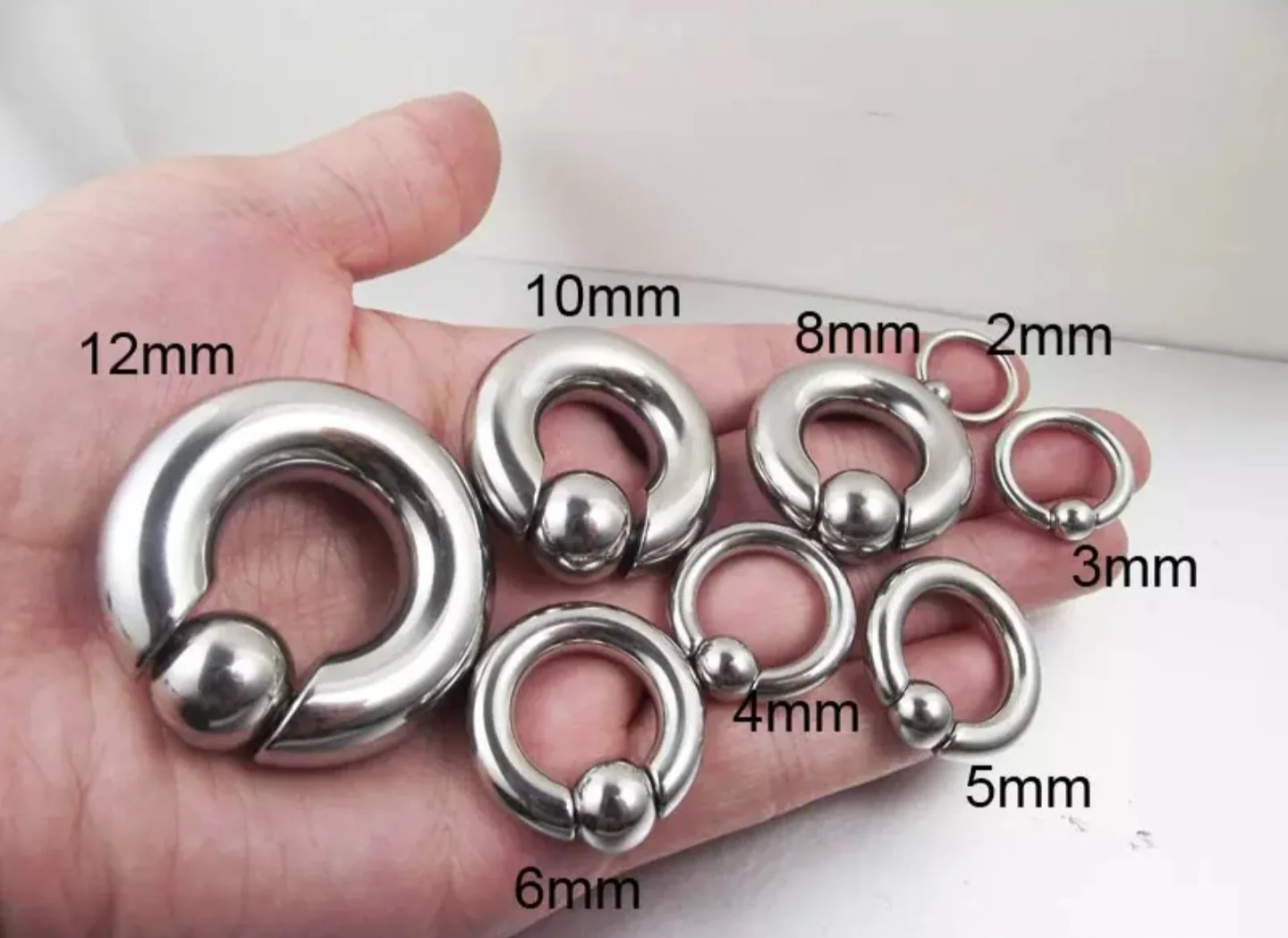
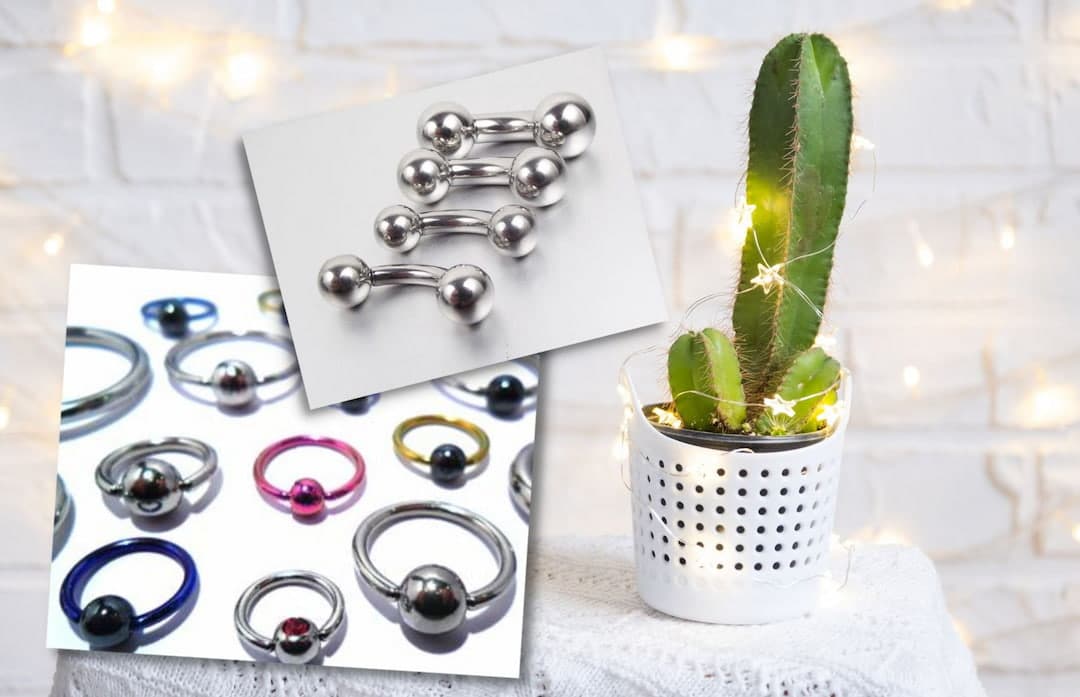
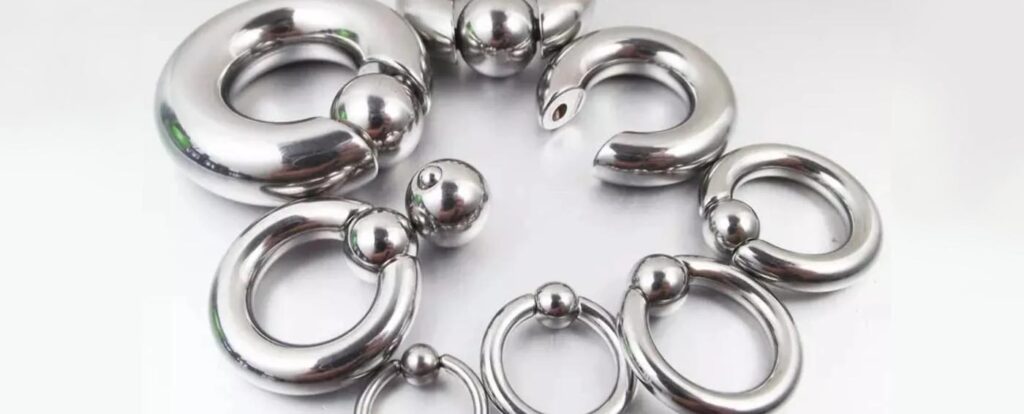
The choice of jewelry for a Prince Albert piercing is an important consideration, both for aesthetic reasons and for the comfort and safety of the wearer. Initially, a barbell or ring made from high-quality, hypoallergenic materials such as surgical stainless steel, titanium, or glass is recommended. These materials are less likely to cause irritation or allergic reactions, which can complicate the healing process.

As the piercing heals, there are a variety of jewelry options available, catering to different preferences and needs. Customization is key, allowing individuals to express their personal style while ensuring the jewelry does not cause undue stress on the piercing. It's also important to follow the piercer's advice on when it's safe to change the jewelry and how to do so without causing damage to the piercing. This balance between form and function is crucial for enjoying the piercing while maintaining its health and integrity.
How Long Does a Prince Albert Piercing Take to Heal?
The healing time for a Prince Albert piercing can vary significantly from person to person, depending on factors such as the individual's health, the precision of the piercing, and the diligence of aftercare. Generally, the initial healing phase can last several weeks, during which time the piercing is most susceptible to complications. Patient and meticulous aftercare is essential during this period to promote healing and prevent infection.
Beyond the initial healing phase, it can take several months for the piercing to be fully healed and stable. During this time, it's crucial to continue practicing good aftercare, avoiding tight clothing, and being mindful of the piercing during sexual activity. The journey to full healing requires commitment and care, but the end result can be highly rewarding for those who persevere. Additionally, understanding that healing is a process and being prepared for the journey, rather than just the destination, can help manage expectations and reduce anxiety.
Can Anyone Get a Prince Albert Piercing?
While the desire to get a Prince Albert piercing is personal, not everyone may be a suitable candidate. Health considerations, such as certain medical conditions or allergies, can affect the safety and success of the piercing. It's also important to consider age restrictions and ensure that the decision to get a piercing is made with full informed consent.

For those who are considering a Prince Albert piercing, it's essential to have a realistic understanding of what the process entails and the potential outcomes. This includes being aware of the risks, the healing process, and the long-term implications of such a piercing. By making an informed decision, individuals can ensure that their experience with a Prince Albert piercing is positive and empowering. Moreover, being open to professional advice and guidance throughout the process can help navigate any challenges that arise, providing a supportive framework for those exploring body modification.
Reflecting on the cultural and psychological aspects of Prince Albert piercings reveals a complex interplay of factors that influence the decision to undergo such a procedure. It speaks to human desires for self-expression, empowerment, and connection with one's body and community. In a world where conformity is often valued, the act of getting a Prince Albert piercing can be a powerful statement of individuality and personal freedom.
The journey of getting a Prince Albert piercing, from the initial decision to the aftercare process, is deeply personal and transformative. It challenges individuals to confront their fears, understand their motivations, and embrace their unique identity. Through this process, many find a sense of community and belonging, connecting with others who share similar experiences and values. This sense of connection can be a profound source of comfort and strength, fostering a more inclusive and supportive environment for those exploring body modification.
In the broader context of human nature, the appeal of Prince Albert piercings touches on fundamental aspects of identity, expression, and community. It highlights the diverse ways in which individuals seek to express themselves, challenge societal norms, and find a sense of belonging. Through the lens of the Prince Albert piercing, we can glimpse the complexity and richness of human experience, where the pursuit of individuality and the desire for connection intersect in profound and meaningful ways.