How Do You Know If A Condom Is Too Tight
The use of condoms is a crucial aspect of safe sex practices, offering protection against unintended pregnancies and the transmission of sexually transmitted infections (STIs). However, the effectiveness of a condom can be severely compromised if it does not fit correctly. A condom that is too tight can lead to discomfort, reduced sensation, and an increased risk of breaking during use. Understanding the signs of a condom being too tight and knowing how to choose the right size can significantly enhance the sexual experience and ensure safety.
From a biological standpoint, the human penis varies greatly in size, with circumference and length being key factors in determining the right condom size. Condom manufacturers recognize this variability and produce condoms in different sizes to accommodate different needs. The average penis size is often cited, but individual variations are significant, making it essential for each person to find their best fit. The material of the condom, whether latex, polyurethane, or lambskin, can also influence the comfort and tolerance of the condom, with some materials offering more flexibility and stretch than others.
Furthermore, the science behind how condoms are made and how they interact with the human body can provide insights into optimizing their use. The thickness of a condom, for example, can affect sensitivity, with ultra-thin condoms designed to provide maximum sensation while still maintaining safety standards. However, the perception of tightness can also be influenced by the lubrication level, with adequately lubricated condoms reducing friction and enhancing comfort. By understanding these factors, individuals can make informed choices about their condom use, enhancing both safety and pleasure.
Must Read
Understanding the Biology of Condom Use
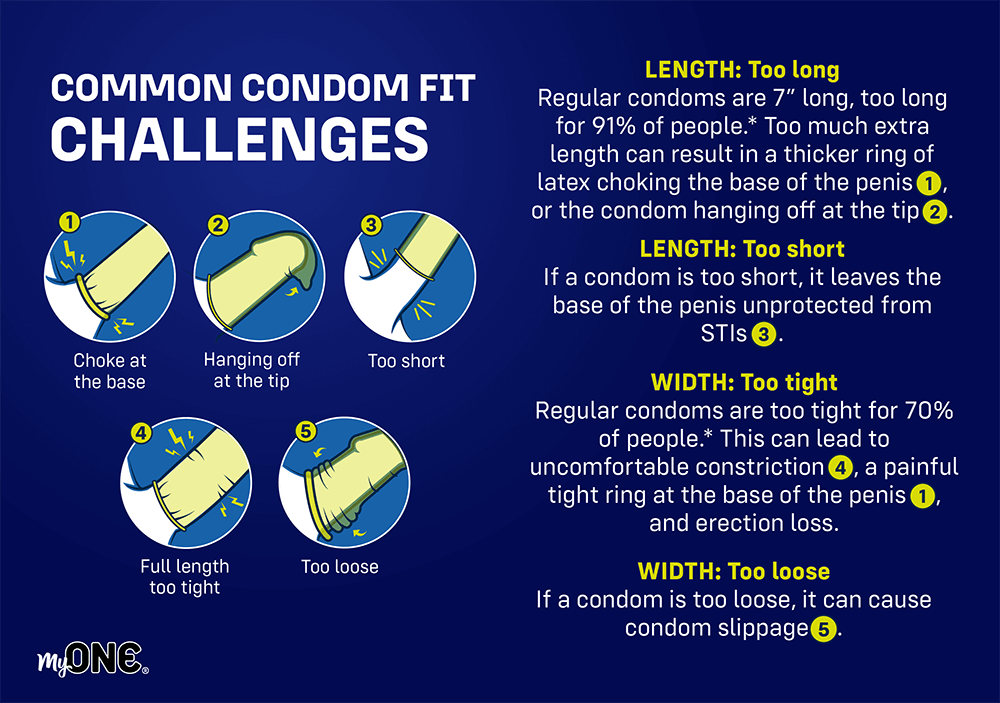
Diving deeper into the biology of condom use, it's essential to consider the anatomy of the penis and how condoms interact with it. The penis is composed of highly vascularized tissue, which fills with blood during arousal, leading to erection. A condom that is too tight can constrict this tissue, potentially leading to pain, reduced erection quality, or even difficulties in maintaining an erection. Moreover, the sensitivity of the penis can be affected by the tightness of the condom, with some individuals experiencing decreased pleasure due to the constriction.
In addition to the immediate physical effects, the systemic reactions related to condom use, particularly regarding stress and anxiety, play a significant role. Worrying about the fit of a condom or experiencing discomfort during use can lead to increased stress levels, potentially affecting sexual performance and overall sexual health. This highlights the importance of finding a well-fitting condom, not just for physical comfort and safety but also for psychological well-being. The relationship between condom tightness, sexual satisfaction, and psychological state is complex, indicating that a holistic approach to sexual health is necessary.
From a chemical perspective, the materials used in condom manufacturing can also influence how a condom feels and performs. Lubricants added to condoms can enhance comfort by reducing friction, but the type and amount of lubricant can vary between products. Some condoms are designed with textured surfaces or have specific flavors or scents, which can affect the user's experience. Understanding these variations can help individuals choose a condom that best suits their preferences and needs, potentially improving the overall sexual experience.

Mastering Condom Use: Practical Strategies
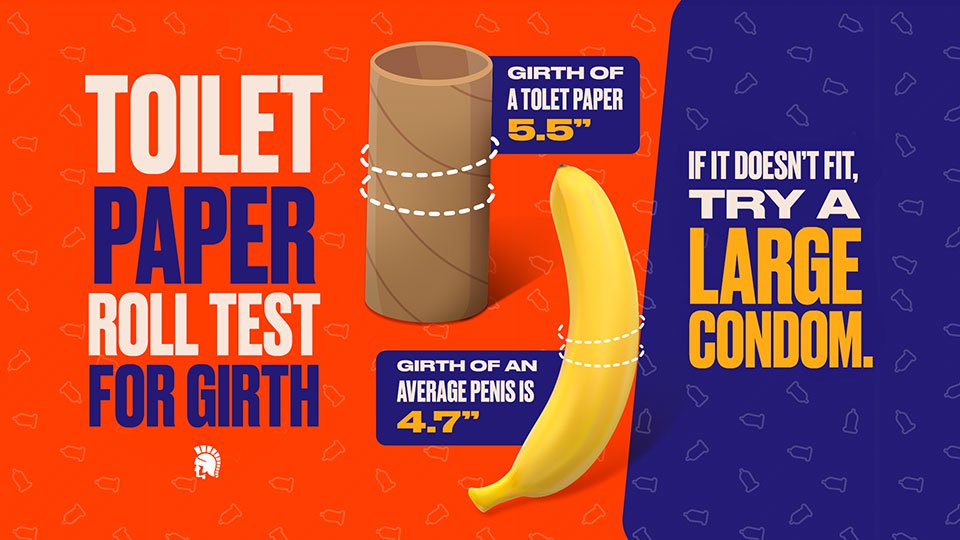
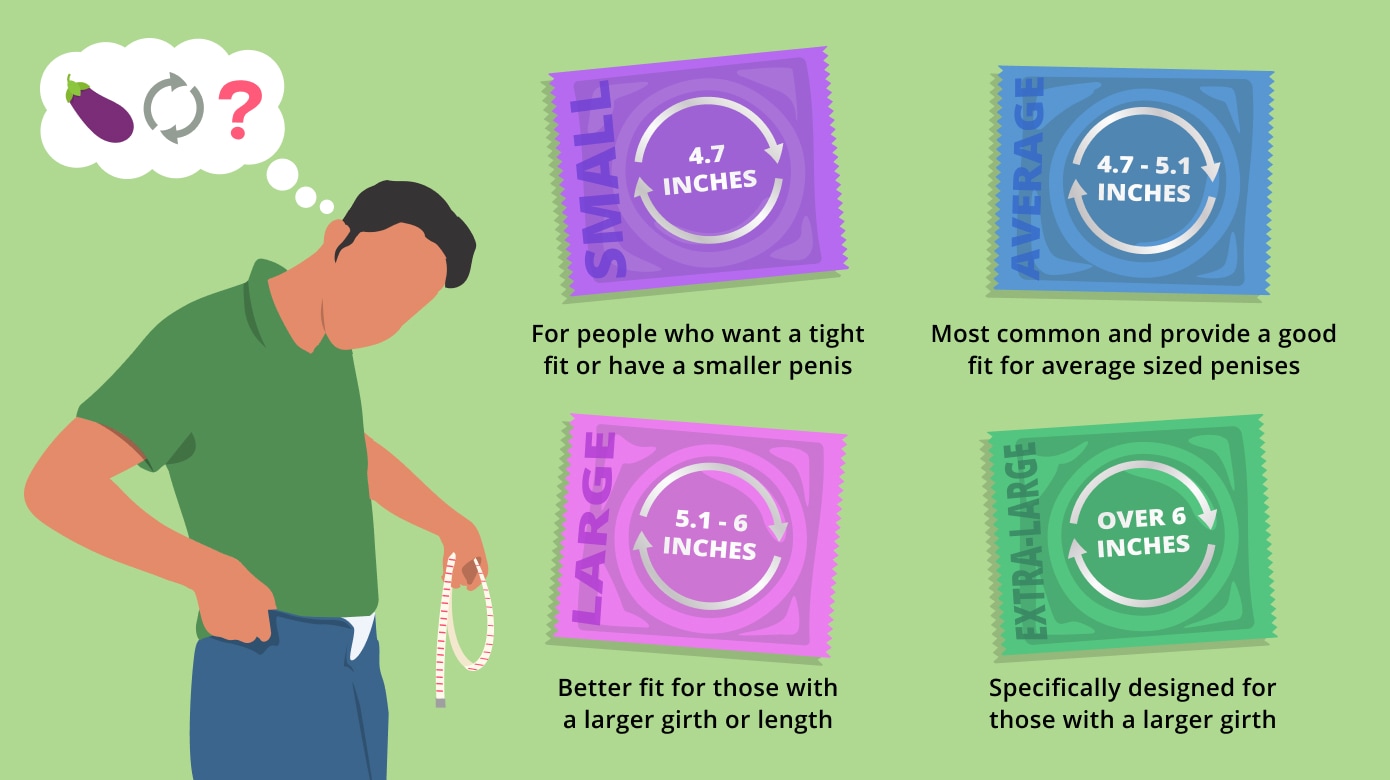
To master the use of condoms and ensure they are not too tight, several practical strategies can be employed. Firstly, measure your penis to determine the appropriate condom size. This can be done by measuring the length and circumference of an erect penis. Knowing these dimensions can help in selecting a condom that fits correctly, enhancing both comfort and safety. Additionally, trying different brands and types of condoms can help find the one that offers the best fit and feel.
Another strategy involves lubrication. Using additional lubricant can significantly reduce friction and make the condom feel less tight. However, it's crucial to choose a lubricant that is compatible with the condom material to avoid damaging the condom. For example, oil-based lubricants should not be used with latex condoms as they can cause the latex to degrade. By understanding these compatibility issues, individuals can safely enhance their condom use experience.
Furthermore, communication with sexual partners about condom preferences and any issues with fit or comfort is vital. Discussing what works best for both partners can lead to a more enjoyable and safe sexual experience. This might involve experimenting with different condoms together or finding ways to make condom use a more integral and enjoyable part of sexual activity. By approaching condom use as a collaborative aspect of sexual health, couples can foster a more open and satisfying sexual relationship.
Incorporating life hacks into condom use can also optimize the experience. For instance, using a condom size chart can help individuals quickly determine their size without needing to measure themselves each time. Moreover, storing condoms in a cool, dry place can help maintain their quality and ensure they fit as intended when used. These small adjustments can significantly impact the effectiveness and comfort of condom use, making sexual experiences safer and more enjoyable.

Frequently Asked Questions
How Do I Know If a Condom Is Too Tight?
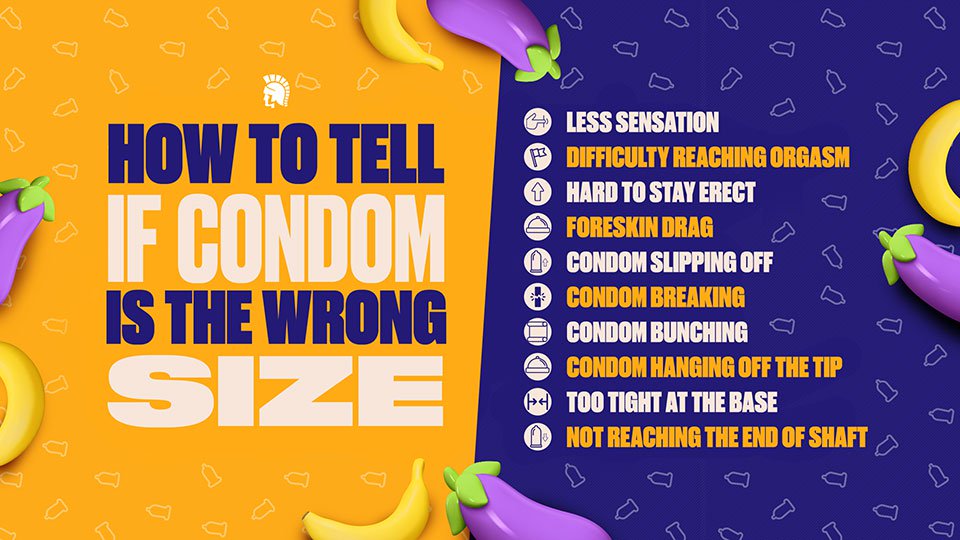
Determining if a condom is too tight can be done through a combination of physical sensations and visual inspections. If the condom feels constricting, causes pain, or reduces sexual sensation, it may be too tight. Visually, if the condom appears to be tightly stretched or does not roll on smoothly, it could indicate a poor fit. It's also essential to consider the material of the condom and whether it is breathable or textured, as these factors can influence the perceived tightness.
To address a condom that is too tight, one should first stop and assess the situation. It may be necessary to remove the condom and try a different size or brand. Consulting with a healthcare provider or a sexual health clinic can provide personalized advice and help in finding the right fit. Moreover, educational resources are available online and in community health centers, offering guidance on condom sizes, types, and how to use them correctly. By taking proactive steps to find a well-fitting condom, individuals can ensure their sexual health and safety.
Can Condoms Be Too Loose?
Yes, condoms can also be too loose, which can lead to a different set of issues, including reduced sensation and an increased risk of the condom slipping off during use. A condom that is too loose may not provide adequate protection against pregnancy or STIs, making it crucial to find a fit that is not too tight but also not too loose. The length and width of the condom should be appropriate for the individual's penis size to ensure both comfort and safety.
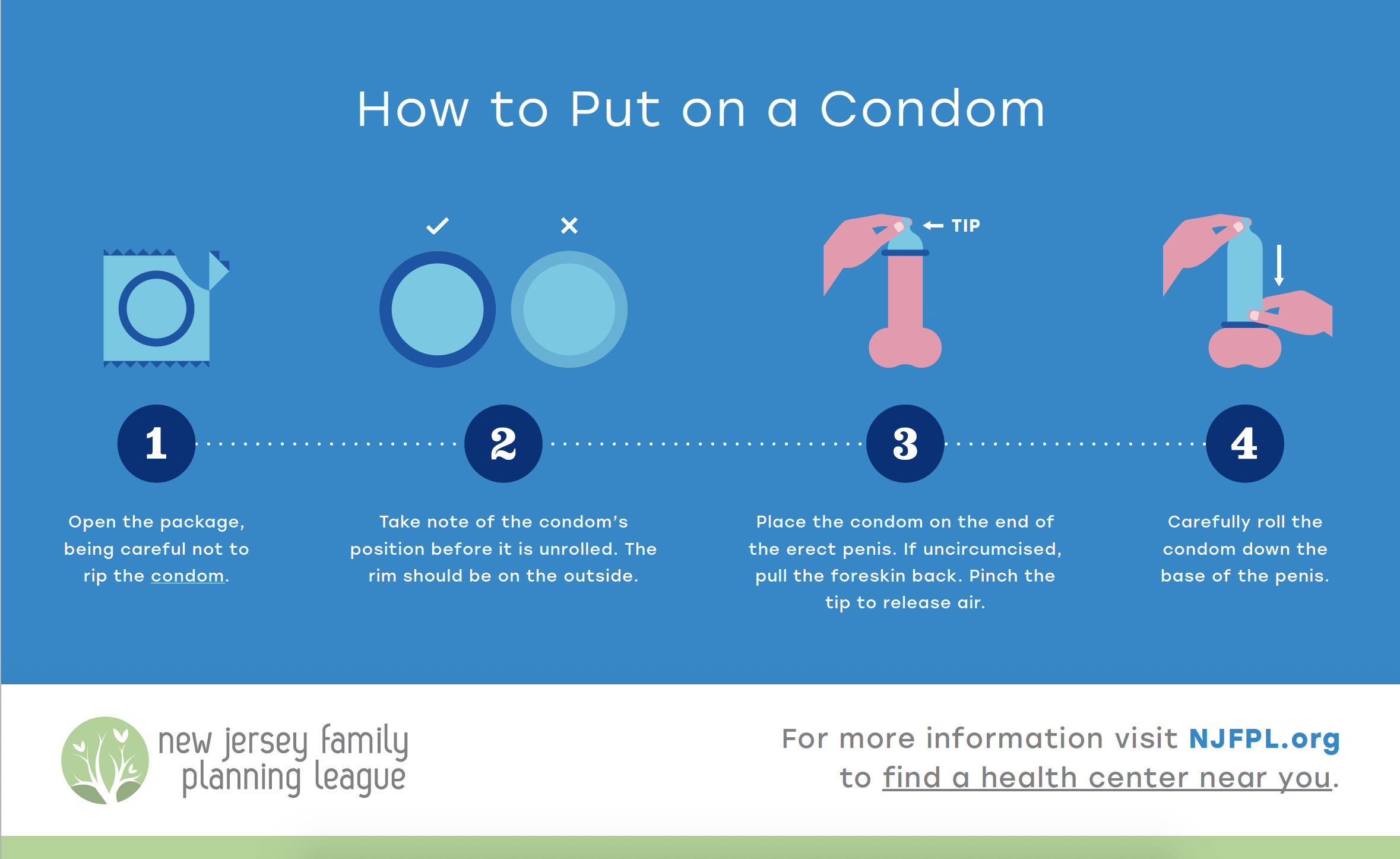
To troubleshoot a condom that is too loose, individuals can try a smaller size or a different brand that offers a more snug fit. It's also important to ensure that the condom is put on correctly, with the rim of the condom rolled down to prevent it from slipping. Additionally, communication with sexual partners can help in identifying and solving issues related to condom fit, promoting a safer and more satisfying sexual experience for all involved.

How Often Should I Replace My Condoms?
Condoms have an expiration date that indicates their efficacy and safety. It is crucial to check the expiration date before using a condom and to replace them as needed. Generally, condoms should be replaced every five years or according to the manufacturer's guidelines. However, if a condom is stored improperly (e.g., exposed to heat, light, or moisture), its effectiveness may be compromised, necessitating earlier replacement.
Replacing condoms regularly and storing them properly can significantly impact their performance and safety. Individuals should check their condom supplies regularly to ensure they are not using expired or damaged condoms. This practice, combined with an understanding of how to properly use and fit condoms, contributes to a culture of sexual responsibility and safety. By prioritizing these aspects, individuals can protect themselves and their partners from unintended pregnancies and STIs.
Are There Different Types of Condoms for Different Needs?
Yes, there are various types of condoms designed to meet different needs and preferences. For example, latex-free condoms are available for individuals with latex allergies, while ultra-thin condoms are designed for enhanced sensation. Additionally, flavored and textured condoms offer variations in sexual experience. There are also condoms specifically designed for anal sex or oral sex, highlighting the diversity in condom types and their intended uses.
Choosing the right type of condom involves considering personal preferences, sexual activities, and any allergies or sensitivities. By exploring the different types of condoms available, individuals can find products that enhance their sexual experiences while maintaining safety. This might involve trial and error or consulting with a healthcare provider to determine the best options. Ultimately, having access to and knowledge of various condom types empowers individuals to make informed decisions about their sexual health.
Can I Use Two Condoms at Once for Extra Protection?
No, using two condoms at once is not recommended. This practice, often referred to as double bagging, can actually increase the risk of condom failure. The friction between the two condoms can cause them to break more easily, reducing their effectiveness. Instead, individuals should focus on finding a single, well-fitting condom that is used correctly to ensure maximum protection.
The science behind why double bagging is not effective lies in the physics of friction and the materials used in condom manufacturing. When two condoms are used together, the increased friction can lead to a higher likelihood of tears or breaks, especially during vigorous sexual activity. This highlights the importance of following recommended practices for condom use, which emphasize the use of a single, appropriately sized condom, applied and used as directed by the manufacturer.
Respecting the science behind condom use and taking the time to understand the intricacies of fit, material, and application can make us more efficient and responsible individuals in our sexual lives. By prioritizing education and awareness about condoms, we not only protect ourselves and our partners from unintended consequences but also foster a culture of openness and pragmatism around sexual health. This approach to sexual wellness encourages proactive measures and informed decision-making, contributing to a safer, more enjoyable sexual experience for everyone involved.
Moreover, embracing the optimization of condom use as a life hack can lead to a broader appreciation of the small, actionable steps we can take to improve our daily lives. Whether it's measuring for the right fit, choosing the appropriate lubricant, or simply being mindful of expiration dates, these practices represent a commitment to self-care and responsibility. By applying this mindset to other areas of life, we can cultivate a sense of empowerment and agency, recognizing that even the smallest adjustments can have a significant impact on our well-being and relationships.