
How Can A Woman Tighten Her Private Part

The human body is a complex and fascinating system, with various parts working together to maintain overall health and wellbeing. One aspect of female health that is often shrouded in mystery and misconception is the vaginal mucosa and its surrounding muscles. The ability to tighten the private part is a common concern for many women, especially after childbirth or with aging. It is essential to understand the biology and physics behind vaginal elasticity to effectively address this issue.
The vaginal wall is composed of smooth muscle and connective tissue, which provide its structural framework. The pubococcygeus muscle (PC muscle) plays a crucial role in maintaining vaginal tightness. This muscle is part of the pelvic floor and surrounds the vaginal canal. When the PC muscle is strong and healthy, it helps to keep the vaginal wall firm and resilient. However, factors such as childbirth, hormonal changes, and aging can cause the PC muscle to weaken, leading to a loss of vaginal elasticity.
To understand how to tighten the private part, it is essential to consider the science of everyday life. Simple actions like exercise, posture, and nutrition can significantly impact vaginal health. For instance, kegel exercises can help strengthen the PC muscle, while a balanced diet rich in estrogen-boosting foods can support hormonal balance. Furthermore, stress management and sleep also play a critical role in maintaining vaginal elasticity, as high levels of cortisol can disrupt hormonal balance and lead to muscle weakness.
Must Read
Understanding Vaginal Elasticity
Vaginal elasticity is a complex process that involves the interplay of hormonal, neurological, and mechanical factors. The vaginal mucosa is a dynamic tissue that responds to various stimuli, including hormonal fluctuations and mechanical stress. During childbirth, the vaginal wall undergoes significant stretching, which can lead to a temporary loss of elasticity. However, with time and proper care, the vaginal mucosa can recover and regain its natural elasticity.
The biology of vaginal elasticity is closely linked to the estrogen hormone. Estrogen plays a crucial role in maintaining the health and integrity of the vaginal mucosa. During menopause, the decline in estrogen levels can lead to a loss of vaginal elasticity, as well as other symptoms such as vaginal dryness and painful intercourse. However, hormone replacement therapy (HRT) and estrogen creams can help to alleviate these symptoms and restore vaginal elasticity.
In addition to hormonal factors, lifestyle choices can also impact vaginal elasticity. A sedentary lifestyle and poor nutrition can lead to weight gain and diabetes, which can further exacerbate vaginal elasticity issues. On the other hand, regular exercise and a balanced diet rich in fruits, vegetables, and whole grains can help to maintain vaginal health and elasticity.

Practical Strategies for Tightening the Private Part
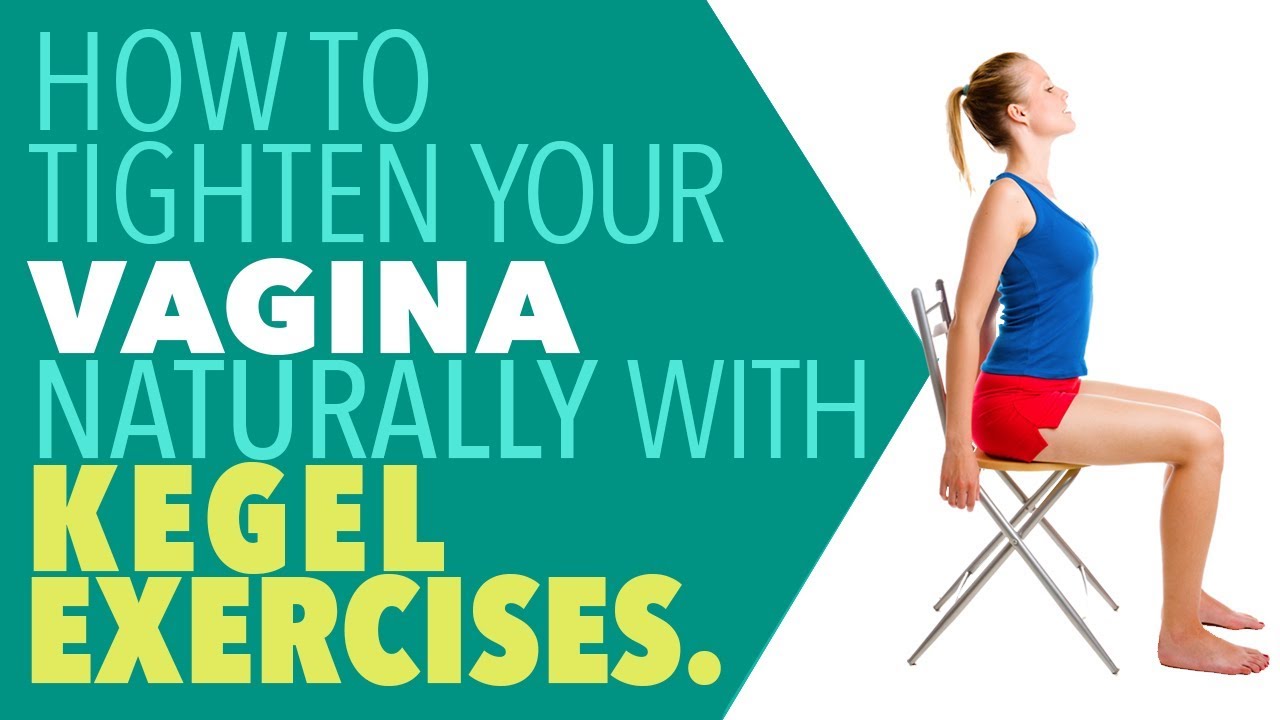
There are several practical strategies that women can use to tighten their private part. One of the most effective methods is kegel exercises, which target the PC muscle and help to strengthen it. To perform kegel exercises, women should identify their PC muscle by stopping the flow of urine mid-stream. Once the muscle is identified, women can contract and release it for 10-15 repetitions, several times a day.
Another effective strategy is vaginal weights or ben wa balls, which can help to strengthen the PC muscle and improve vaginal elasticity. These weights are inserted into the vagina and help to stimulate the PC muscle, promoting strength and tone. Women can start with lighter weights and gradually increase the weight as their PC muscle becomes stronger.
Estrogen creams and hormone replacement therapy (HRT) can also help to restore vaginal elasticity, especially during menopause. These treatments can help to alleviate symptoms such as vaginal dryness and painful intercourse, and promote overall vaginal health. However, women should consult their healthcare provider before starting any hormone replacement therapy.
In addition to these strategies, good hygiene practices and safe sex can also help to maintain vaginal health and elasticity. Women should avoid using harsh soaps or douching, as these can disrupt the natural pH balance of the vagina and lead to infections. Instead, women should use mild soap and lukewarm water to clean the vagina, and practice safe sex to prevent sexually transmitted infections (STIs).

Frequently Asked Questions
What are the benefits of kegel exercises for vaginal elasticity?
Kegel exercises offer several benefits for vaginal elasticity, including strengthening the PC muscle, improving vaginal tone, and enhancing overall vaginal health. By targeting the PC muscle, kegel exercises can help to improve vaginal elasticity, reduce the risk of incontinence, and enhance sexual satisfaction. Additionally, kegel exercises are a non-invasive and low-cost method for improving vaginal health, making them an attractive option for women who want to maintain vaginal elasticity without resorting to surgery or other medical interventions.
To get the most out of kegel exercises, women should perform them regularly, ideally 2-3 times a day, and incorporate them into their daily routine. Women can perform kegel exercises while urinating, sitting, or lying down, making them a convenient and flexible option for busy women. By incorporating kegel exercises into their daily routine, women can experience the benefits of improved vaginal elasticity and overall vaginal health.
Can vaginal weights or ben wa balls help to tighten the private part?
Vaginal weights or ben wa balls can be an effective way to tighten the private part, especially when used in conjunction with kegel exercises. These weights help to stimulate the PC muscle, promoting strength and tone, and can be used to target specific areas of the vagina. By inserting the weights into the vagina and holding them in place, women can help to strengthen the PC muscle and improve vaginal elasticity.
However, women should choose the right size and weight of ben wa balls for their needs, and start with lighter weights before gradually increasing the weight as their PC muscle becomes stronger. Women should also follow proper hygiene practices when using ben wa balls, such as washing their hands before and after use, and cleaning the balls with mild soap and water. By using ben wa balls correctly and incorporating them into their vaginal health routine, women can experience the benefits of improved vaginal elasticity and overall vaginal health.

How can estrogen creams or hormone replacement therapy (HRT) help to restore vaginal elasticity?
Estrogen creams and hormone replacement therapy (HRT) can help to restore vaginal elasticity by replenishing estrogen levels in the body. During menopause, the decline in estrogen levels can lead to a loss of vaginal elasticity, as well as other symptoms such as vaginal dryness and painful intercourse. By using estrogen creams or HRT, women can help to alleviate these symptoms and promote overall vaginal health.
However, women should consult their healthcare provider before starting any hormone replacement therapy, as HRT can have risks and side effects. Women should also follow the recommended dosage and usage instructions for estrogen creams or HRT, and monitor their symptoms and adjust their treatment plan as needed. By using estrogen creams or HRT correctly and under the guidance of a healthcare provider, women can experience the benefits of improved vaginal elasticity and overall vaginal health.
What are the risks and benefits of surgical procedures for vaginal tightening?
Surgical procedures for vaginal tightening, such as vaginoplasty or labiaplasty, can offer several benefits, including improved vaginal elasticity, enhanced sexual satisfaction, and increased confidence. However, these procedures also carry risks and side effects, such as infection, scarring, and changes in sensation. Women should carefully weigh the benefits and risks of surgical procedures and consult with a qualified healthcare provider before making a decision.
Additionally, women should consider alternative options for vaginal tightening, such as kegel exercises, vaginal weights, and estrogen creams, which can be less invasive and lower-cost than surgical procedures. By exploring these alternative options and consulting with a healthcare provider, women can make an informed decision about the best course of treatment for their vaginal health needs.
How can lifestyle changes, such as diet and exercise, impact vaginal elasticity?
Lifestyle changes, such as diet and exercise, can have a significant impact on vaginal elasticity. A balanced diet rich in fruits, vegetables, and whole grains can help to support hormonal balance and promote vaginal health. Regular exercise, such as kegel exercises or pelvic floor exercises, can also help to strengthen the PC muscle and improve vaginal elasticity.
Additionally, women should avoid lifestyle habits that can negatively impact vaginal health, such as smoking, excessive alcohol consumption, and poor nutrition. By making healthy lifestyle choices and incorporating them into their daily routine, women can experience the benefits of improved vaginal elasticity and overall vaginal health. Women should also consult with a healthcare provider to determine the best lifestyle changes for their individual needs and health status.
Respecting the science behind vaginal elasticity makes us better, more efficient humans. By understanding the biology and physics of vaginal health, women can take control of their vaginal health and make informed decisions about their treatment options. This knowledge can also help to reduce stigma and promote awareness about vaginal health, encouraging women to speak openly and honestly about their experiences and seek help when needed.
Furthermore, respecting the science behind vaginal elasticity can also help to improve overall health and wellbeing. By maintaining vaginal health and elasticity, women can experience enhanced sexual satisfaction, improved relationships, and increased confidence. This, in turn, can have a positive impact on mental health and overall quality of life, making it essential for women to prioritize their vaginal health and seek help when needed.


