
How Are Vaginas Supposed To Look
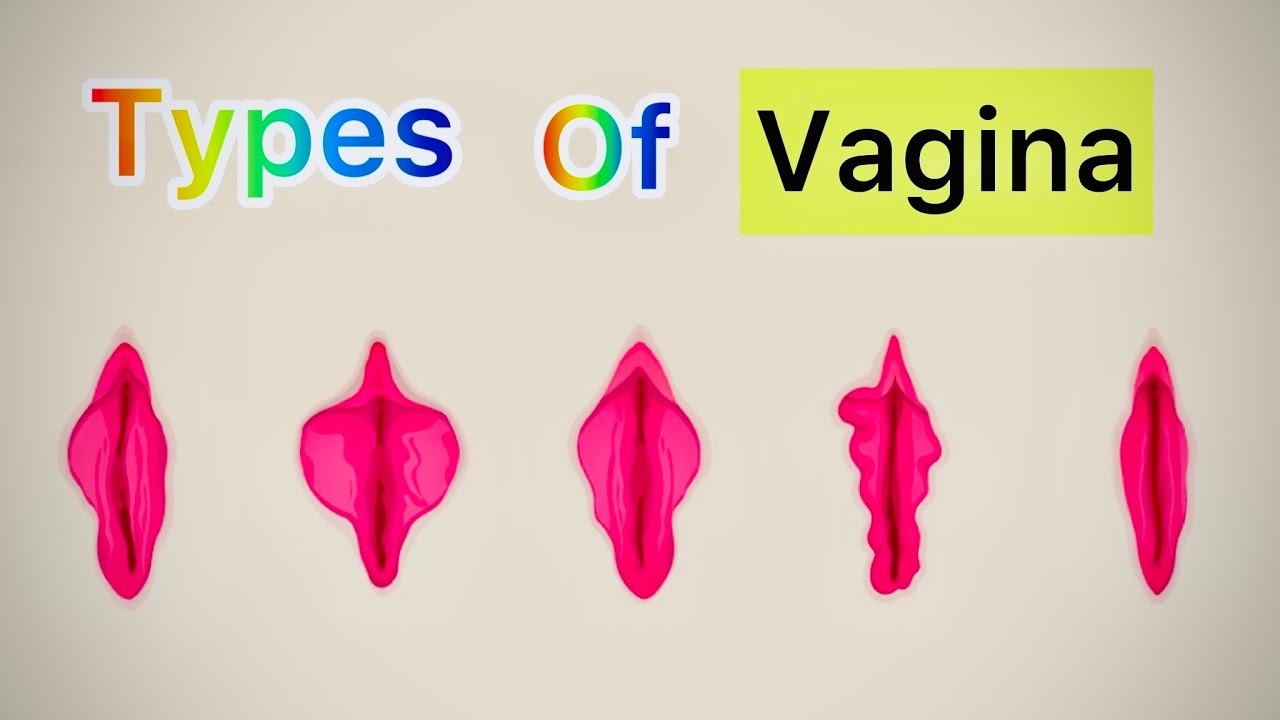
The subject of vaginas and their appearance has been shrouded in mystery and misconception for centuries. From ancient myths to modern media, the way vaginas are perceived and presented has been influenced by a complex mix of cultural, social, and historical factors. In recent years, however, there has been a growing movement towards promoting vaginal positivity and breaking down stigmas surrounding female genitalia. As we delve into the world of vaginal aesthetics, it's essential to understand the rich history and context behind this sensitive topic.
From the ancient Greek ideals of beauty to the modern-day obsession with pornographic standards, the concept of a "perfect" vagina has been constantly evolving. The Victorian era, with its strict social norms and prudish attitudes, further contributed to the mystification of female genitalia. Today, with the rise of social media and online platforms, the conversation around vaginas is more open and diverse than ever before. It's time to explore the intricacies of vaginal appearance, separating fact from fiction, and shedding light on the often-ignored aspects of this vital part of the human body.
Debunking Myths and Misconceptions
One of the most significant challenges in discussing vaginal appearance is the plethora of myths and misconceptions surrounding the topic. From the idea that vaginas should be hairless and tight to the notion that labiaplasty is a necessary procedure for aesthetic purposes, the list of misconceptions is long and varied. In reality, vaginas come in all shapes and sizes, with unique characteristics that make each one special. The color, texture, and size of the labia, vulva, and clitoris can vary greatly from one individual to another, and there is no one "right" way for a vagina to look.
Moreover, the psychological impact of these misconceptions should not be underestimated. The constant bombardment of unrealistic beauty standards can lead to body dysmorphia, low self-esteem, and even mental health issues. It's essential to recognize that the media's portrayal of vaginas is often airbrushed and Photoshopped, creating an unattainable and unhealthy ideal. By promoting vaginal diversity and body positivity, we can work towards a more inclusive and accepting environment for all individuals, regardless of their genital appearance.
Cultural references to vaginas have also played a significant role in shaping our perceptions. From the ancient Sumerian goddess Inanna to the modern-day movement of vaginal art, the depiction of female genitalia has been a subject of fascination and controversy. The works of artists like Judy Chicago and Frida Kahlo have helped to reclaim and redefine the way we think about vaginas, challenging traditional norms and encouraging a more inclusive and empowered dialogue.
Practical Insights and Real-Life Scenarios
In order to better understand the complexities of vaginal appearance, it's essential to explore real-life scenarios and case studies. For instance, pregnancy and childbirth can significantly alter the appearance of the vagina, with some women experiencing stretching, scarring, or changes in color. Additionally, hormonal fluctuations during menopause or puberty can lead to changes in vaginal texture and elasticity. By examining these scenarios, we can gain a deeper understanding of the dynamic nature of vaginal appearance and the importance of self-acceptance and self-care.

Another crucial aspect to consider is the impact of societal pressure on vaginal appearance. The beauty industry and media outlets often perpetuate unrealistic beauty standards, encouraging individuals to undergo cosmetic procedures or use vaginal tightening creams. It's vital to recognize that these products and procedures are often unregulated and unproven, and can lead to serious health complications. By promoting vaginal awareness and education, we can empower individuals to make informed decisions about their bodies and challenge the status quo.
In terms of actionable takeaways, it's essential to practice self-care and vaginal awareness. This can involve getting to know your body, tracking your menstrual cycle, and engaging in open and honest conversations with your partner or healthcare provider. By taking control of our vaginal health and well-being, we can work towards a more positive and empowered relationship with our bodies. Furthermore, supporting organizations that promote vaginal health and awareness can help to create a more
Ultimately, the key to promoting vaginal positivity lies in education and awareness. By sharing our stories, challenging misconceptions, and celebrating vaginal diversity, we can work towards a more inclusive and accepting society. Whether through social media campaigns, support groups, or educational workshops, every effort counts in the pursuit of vaginal liberation and body autonomy.
Frequently Asked Questions
What is the normal color and texture of the vagina?
The normal color and texture of the vagina can vary greatly from one individual to another. The vulva and labia can range in color from pink to brown to purple, and the vaginal walls can be smooth or ridged. It's essential to recognize that there is no one "right" way for a vagina to look or feel, and that individual variations are a natural and normal part of human diversity. By understanding and accepting these variations, we can work towards a more inclusive and accepting environment for all individuals.
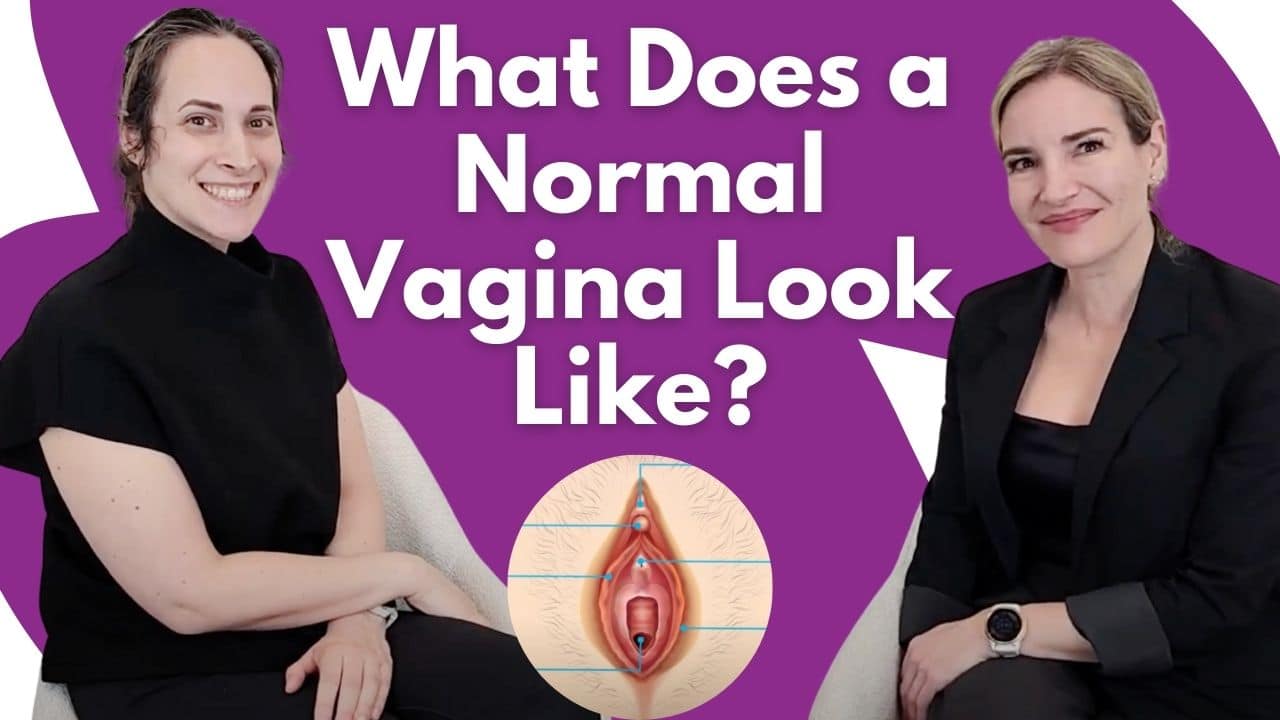
In terms of maintaining a healthy vaginal color and texture, it's essential to practice good hygiene and avoid harsh chemicals. This can involve wearing breathable clothing, using gentle soap, and avoiding douching or other harmful practices. By taking care of our vaginal health, we can promote a healthy and balanced environment that supports our overall well-being.
Can vaginal appearance be changed or improved through surgery or other means?
The concept of vaginal rejuvenation or labiaplasty has gained significant attention in recent years, with many individuals seeking to change or improve their vaginal appearance through surgical or non-surgical means. However, it's essential to recognize that these procedures are often unregulated and unproven, and can lead to serious health complications. Before considering any cosmetic procedure, it's vital to consult with a qualified healthcare provider and carefully weigh the potential risks and benefits.
In addition to the physical risks, it's also important to consider the psychological and emotional impacts of vaginal surgery or other cosmetic procedures. The pressure to conform to societal beauty standards can be overwhelming, and the costs and consequences of these procedures can be significant. By promoting vaginal awareness and education, we can empower individuals to make informed decisions about their bodies and challenge the status quo.
How can I promote vaginal health and awareness in my daily life?
Promoting vaginal health and awareness in daily life can involve a variety of simple yet effective strategies. This can include practicing good hygiene, getting to know your body, and engaging in open and honest conversations with your partner or healthcare provider. Additionally, supporting organizations that promote vaginal health and awareness can help to create a more inclusive and accepting environment for all individuals.

By incorporating these strategies into our daily lives, we can work towards a more positive and empowered relationship with our bodies. Whether through social media campaigns, support groups, or educational workshops, every effort counts in the pursuit of vaginal liberation and body autonomy. By promoting vaginal health and awareness, we can challenge the status quo and create a more inclusive and accepting society for all.
What are some common myths and misconceptions surrounding vaginal appearance?
There are numerous myths and misconceptions surrounding vaginal appearance, ranging from the idea that vaginas should be hairless and tight to the notion that labiaplasty is a necessary procedure for aesthetic purposes. In reality, vaginas come in all shapes and sizes, with unique characteristics that make each one special. The color, texture, and size of the labia, vulva, and clitoris can vary greatly from one individual to another, and there is no one "right" way for a vagina to look.
By recognizing and challenging these myths and misconceptions, we can work towards a more inclusive and accepting environment for all individuals. This can involve educating ourselves and others about vaginal diversity, promoting body positivity, and supporting organizations that work towards vaginal health and awareness. By taking a proactive and informed approach, we can help to create a more positive and empowered relationship with our bodies.
How can I talk to my partner or healthcare provider about vaginal appearance and health?
Talking to your partner or healthcare provider about vaginal appearance and health can be a challenging but ultimately rewarding experience. It's essential to approach the conversation with honesty and openness, sharing your concerns and feelings in a safe and supportive environment. By doing so, you can work towards a more positive and empowered relationship with your body and your partner or healthcare provider.
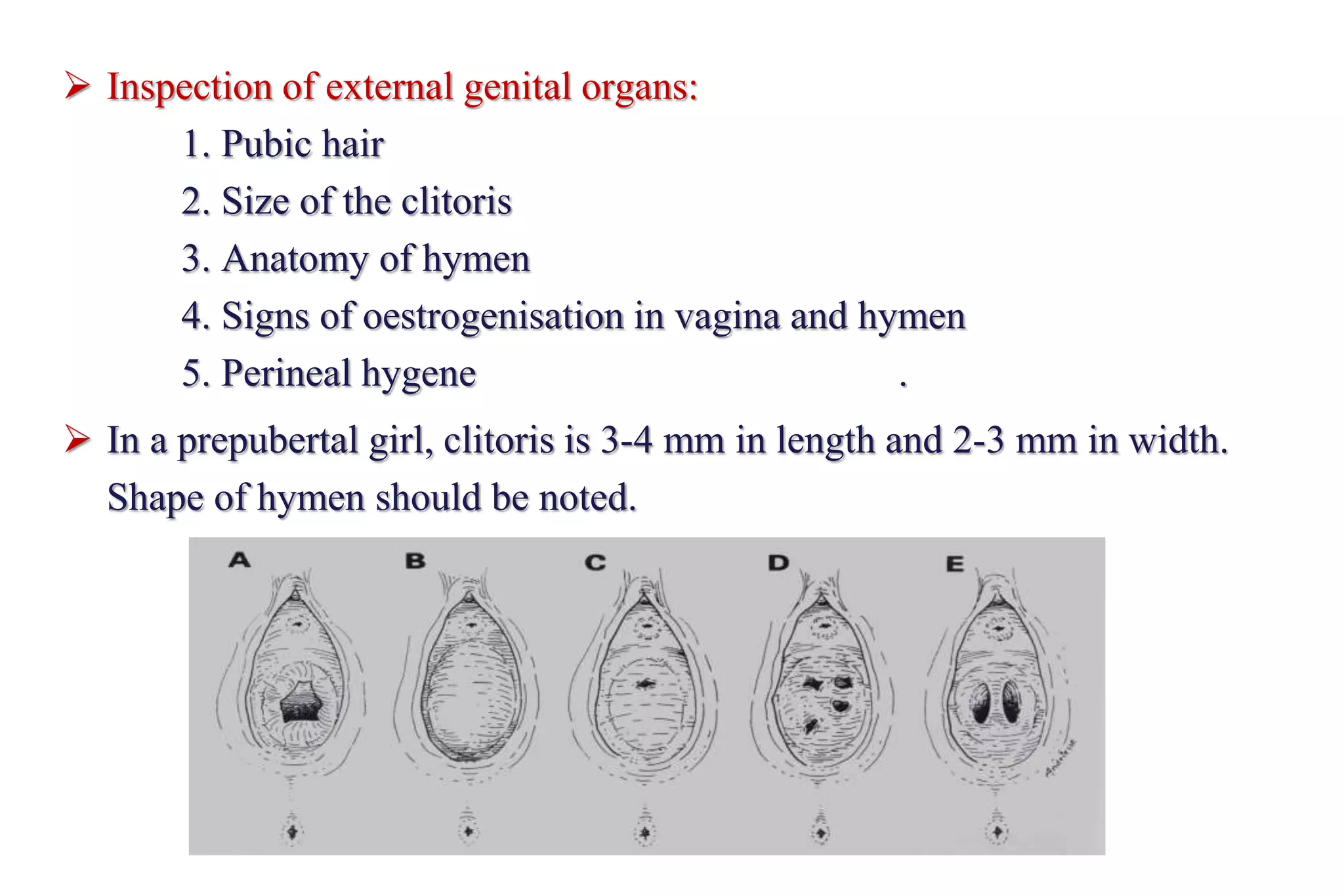
In terms of specific tips and strategies, it's essential to choose the right time and place for the conversation, be clear and direct about your concerns, and listen actively and empathetically to the other person's perspective. By promoting open and honest communication, we can work towards a more inclusive and accepting environment for all individuals, and challenge the status quo surrounding vaginal appearance and health.
As we reflect on the complex and often misunderstood topic of vaginal appearance, it's essential to recognize the deep connections between this subject and our daily lives. The way we think about and perceive vaginas has a profound impact on our self-esteem, body image, and overall well-being. By promoting vaginal positivity and body autonomy, we can work towards a more inclusive and accepting society, where individuals can thrive and flourish without fear of judgment or rejection.
Furthermore, the conversation around vaginal appearance is closely tied to human nature and our fundamental desires for connection, acceptance, and love. By exploring and understanding the intricacies of vaginal appearance, we can gain a deeper insight into the human experience and the ways in which our bodies shape our lives. Whether through art, literature, or everyday conversations, the topic of vaginal appearance has the power to inspire, educate, and empower us, challenging our assumptions and promoting a more nuanced and compassionate understanding of the human body.
Ultimately, the journey towards vaginal liberation and body autonomy is a long and winding road, filled with twists and turns, challenges and triumphs. However, by embracing our uniqueness, celebrating vaginal diversity, and promoting education and awareness, we can work towards a brighter, more inclusive and accepting future, where every individual can thrive and flourish in their own unique way.



:max_bytes(150000):strip_icc()/vaginal-odor-6362565-final-ec4867d33b004eb89a08fbb165e8ef94.png)