History Of The Prince Albert Piercing

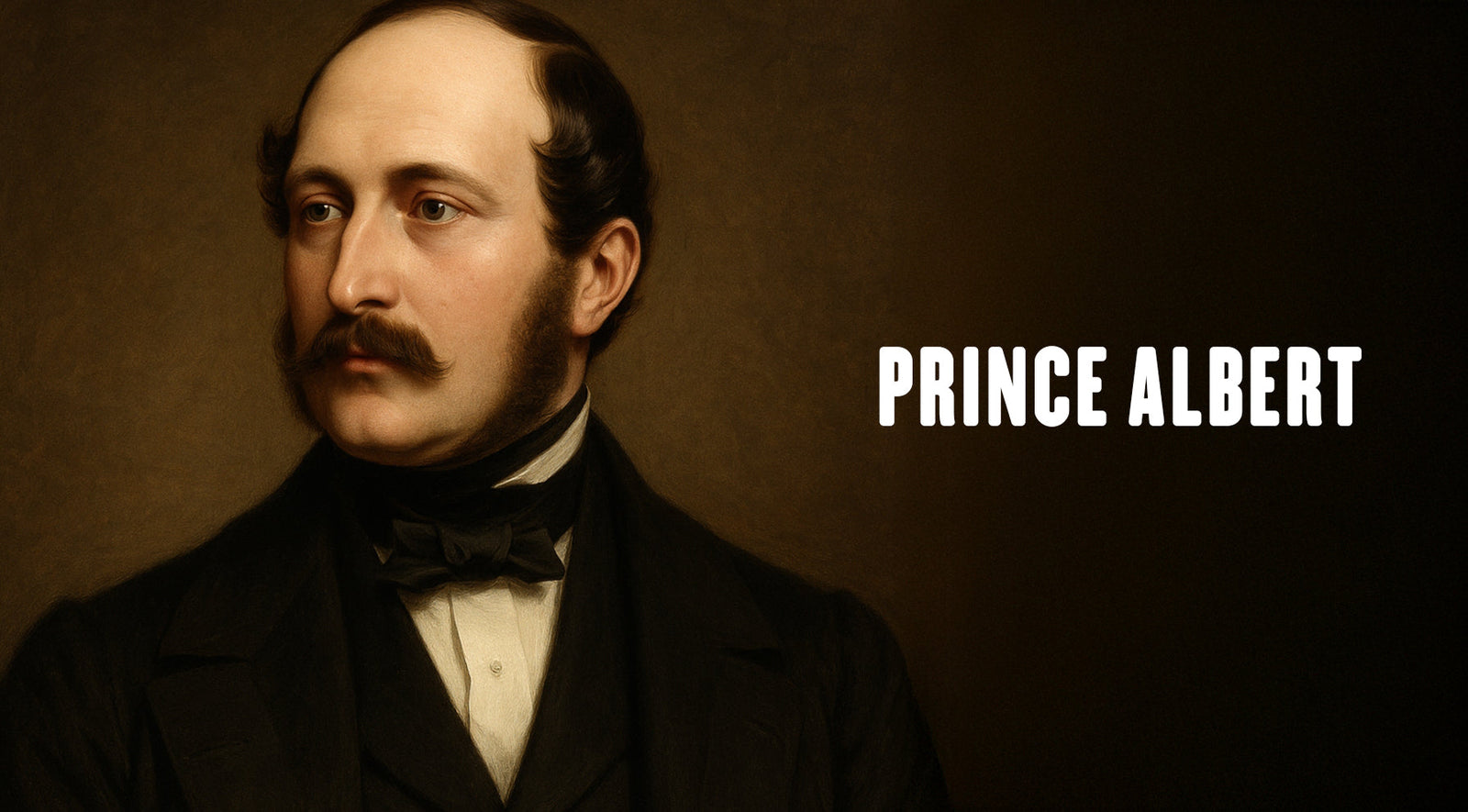
The Prince Albert piercing has a rich and fascinating history that spans centuries, with its origins dating back to the 19th century. This type of piercing, which involves piercing the penis, has been a topic of interest and debate among various cultures and societies. The piercing is named after Prince Albert, the husband of Queen Victoria, who allegedly wore a piercing to secure his genitals in his tight-fitting military uniform. Today, the Prince Albert piercing remains a popular form of body modification, with many individuals seeking it out for its aesthetic and sensual benefits.
Despite its long history, the Prince Albert piercing remains somewhat of a mystery to many people. It is often seen as a taboo topic, with many individuals feeling uncomfortable discussing it openly. However, for those who are interested in this form of body modification, there is a wealth of information available. From the different types of piercings that can be performed, to the aftercare and maintenance required to ensure proper healing, there is much to learn about the Prince Albert piercing. In this article, we will delve into the history and cultural significance of the Prince Albert piercing, as well as provide practical insights and advice for those who are considering getting pierced.
Uncovering the History and Cultural Significance
The history of the Prince Albert piercing is closely tied to the cultural and social norms of the time. In the 19th century, when the piercing is believed to have originated, it was seen as a way for men to secure their genitals in their tight-fitting clothing. The piercing was also believed to have medicinal benefits, such as improving circulation and reducing the risk of infection. Today, the Prince Albert piercing is seen as a form of self-expression and body modification, with many individuals seeking it out for its aesthetic and sensual benefits.
Must Read
One of the most interesting aspects of the Prince Albert piercing is its cultural significance. In some cultures, the piercing is seen as a rite of passage or a symbol of masculinity. In other cultures, the piercing is viewed as a form of rebellion or nonconformity. The piercing has also been featured in various forms of media, including films and literature, often as a symbol of edginess or counterculture. Despite its cultural significance, the Prince Albert piercing remains a somewhat taboo topic, with many individuals feeling uncomfortable discussing it openly.
From a psychological perspective, the Prince Albert piercing can be seen as a form of self-expression and empowerment. For many individuals, getting pierced is a way to take control of their body and express their individuality. The piercing can also be seen as a way to challenge societal norms and push boundaries. However, the piercing can also be seen as a form of conformity, with many individuals seeking it out as a way to fit in with a particular group or subculture. Ultimately, the psychological motivations behind getting a Prince Albert piercing are complex and varied, and can depend on a range of individual factors.
Practical Insights and Advice
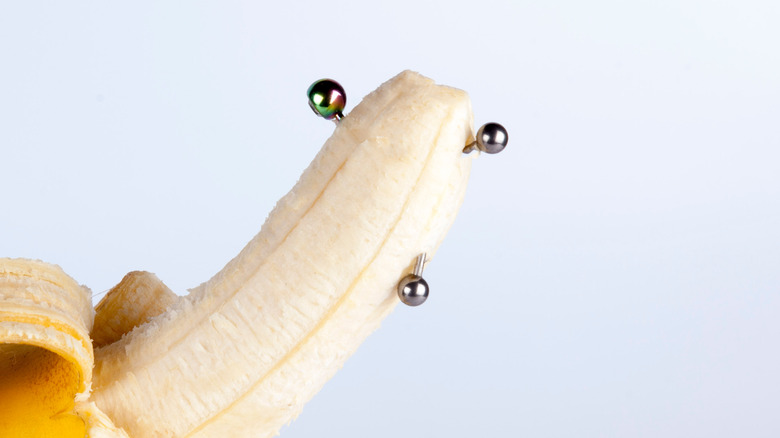
For those who are considering getting a Prince Albert piercing, there are several things to keep in mind. First and foremost, it is essential to find a reputable piercer who has experience performing this type of piercing. The piercer should use sterilized equipment and follow proper aftercare procedures to minimize the risk of infection and ensure proper healing. It is also essential to choose the right jewelry for the piercing, as certain types of jewelry can cause irritation or discomfort.
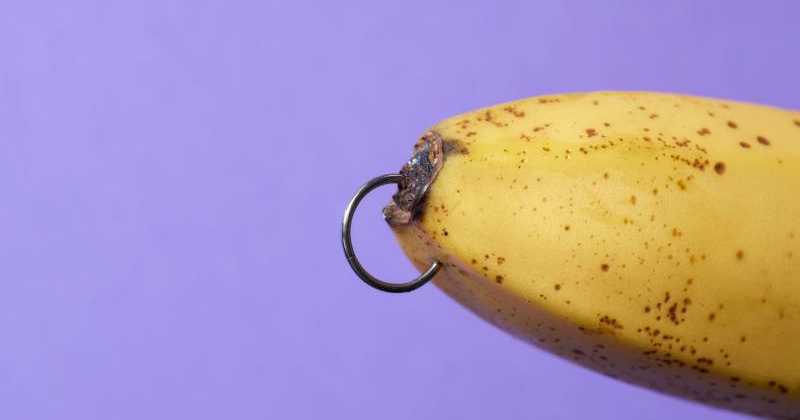
In terms of aftercare, it is essential to keep the piercing clean and dry to prevent infection. This can involve soaking the piercing in salt water solution and applying topical ointments to promote healing. It is also essential to avoid tight clothing and rough sex during the healing process, as this can cause irritation and discomfort. With proper aftercare and maintenance, the Prince Albert piercing can be a safe and enjoyable form of body modification.
For those who are concerned about the pain factor, it is worth noting that the Prince Albert piercing is generally considered to be a relatively painless procedure. The piercing is typically performed using a needle and local anesthesia, and the discomfort is usually mild and temporary. However, it is essential to communicate with the piercer during the procedure and to follow aftercare instructions to minimize discomfort and ensure proper healing.
In addition to the physical aspects of the piercing, it is also essential to consider the emotional and psychological implications. For many individuals, getting a Prince Albert piercing can be a life-changing experience that promotes self-expression and confidence. However, it is also essential to be aware of the potential risks and complications associated with the piercing, such as infection and scarring. By being informed and prepared, individuals can make an informed decision about whether the Prince Albert piercing is right for them.
Frequently Asked Questions
What is the history of the Prince Albert piercing?
The Prince Albert piercing has a rich and fascinating history that spans centuries. The piercing is named after Prince Albert, the husband of Queen Victoria, who allegedly wore a piercing to secure his genitals in his tight-fitting military uniform. The piercing was also believed to have medicinal benefits, such as improving circulation and reducing the risk of infection. Today, the Prince Albert piercing remains a popular form of body modification, with many individuals seeking it out for its aesthetic and sensual benefits.
Despite its long history, the Prince Albert piercing remains somewhat of a mystery to many people. It is often seen as a taboo topic, with many individuals feeling uncomfortable discussing it openly. However, for those who are interested in this form of body modification, there is a wealth of information available. From the different types of piercings that can be performed, to the aftercare and maintenance required to ensure proper healing, there is much to learn about the Prince Albert piercing.
What are the benefits of the Prince Albert piercing?
The Prince Albert piercing has a range of benefits, both physical and emotional. Physically, the piercing can enhance sensation and pleasure during sex. Emotionally, the piercing can promote self-expression and confidence. Many individuals also find that the piercing helps to increase intimacy and connection with their partner. However, it is essential to be aware of the potential risks and complications associated with the piercing, such as infection and scarring.
For those who are considering getting a Prince Albert piercing, it is essential to weigh the potential benefits against the risks. It is also essential to find a reputable piercer who has experience performing this type of piercing, and to follow aftercare instructions to minimize discomfort and ensure proper healing. By being informed and prepared, individuals can make an informed decision about whether the Prince Albert piercing is right for them.
What are the risks and complications associated with the Prince Albert piercing?
Like any form of body modification, the Prince Albert piercing carries certain risks and complications. The most common risks include

It is also essential to be aware of the potential emotional and psychological implications of the piercing. For some individuals, getting a Prince Albert piercing can be a life-changing experience that promotes self-expression and confidence. However, for others, the piercing can be a source of anxiety or stress. By being informed and prepared, individuals can make an informed decision about whether the Prince Albert piercing is right for them.
How do I care for my Prince Albert piercing?
Caring for a Prince Albert piercing requires attention to detail and a commitment to proper aftercare and maintenance. It is essential to keep the piercing clean and dry to prevent infection, and to apply topical ointments to promote healing. It is also essential to avoid tight clothing and rough sex during the healing process, as this can cause irritation and discomfort.
For those who are new to body modification, it can be helpful to seek guidance from a reputable piercer or healthcare professional. They can provide personalized advice and support to help individuals navigate the healing process and ensure proper care for their piercing. By being informed and prepared, individuals can enjoy their Prince Albert piercing and minimize the risk of complications.
Can I get a Prince Albert piercing if I have certain medical conditions?
For individuals with certain medical conditions, such as diabetes or bleeding disorders, it may be necessary to take special precautions or avoid getting a Prince Albert piercing altogether. It is essential to consult with a healthcare professional before getting pierced, as they can provide personalized advice and guidance based on individual circumstances.
In general, it is essential to be in good physical and emotional health before getting a Prince Albert piercing. This can help to minimize the risk of complications and ensure proper healing. It is also essential to find a reputable piercer who has experience performing this type of piercing, and to follow aftercare instructions to minimize discomfort and ensure proper healing. By being informed and prepared, individuals can make an informed decision about whether the Prince Albert piercing is right for them.
The Prince Albert piercing is a complex and multifaceted topic that connects to our daily lives and human nature in many ways. On one hand, the piercing can be seen as a form of self-expression and empowerment, allowing individuals to take control of their body and express their individuality. On the other hand, the piercing can also be seen as a form of conformity, with many individuals seeking it out as a way to fit in with a particular group or subculture.
Ultimately, the Prince Albert piercing is a personal choice that depends on a range of individual factors. For those who are considering getting pierced, it is essential to be informed and prepared, and to weigh the potential benefits against the risks. By doing so, individuals can make an informed decision about whether the Prince Albert piercing is right for them, and can enjoy the many benefits that this form of body modification has to offer.
The Prince Albert piercing also raises important questions about body autonomy and personal freedom. In a society where individuals are often judged and criticized for their choices, the Prince Albert piercing can be seen as a way to challenge societal norms and push boundaries. However, it is also essential to be aware of the potential risks and complications associated with the piercing, and to take steps to minimize harm. By being informed and prepared, individuals can make an informed decision about whether the Prince Albert piercing is right for them, and can enjoy the many benefits that this form of body modification has to offer.