Dominant Meaning In Relationship

The concept of dominance in relationships has been a cornerstone of human interaction for centuries, with its roots tracing back to the earliest forms of societal hierarchy. The notion of one partner holding more power or influence over the other has evolved significantly over time, shaped by various cultural, social, and economic factors. In the past, dominance was often associated with traditional gender roles, where men were expected to be the breadwinners and women were relegated to domestic duties. This 1950s ideal of the nuclear family, with its rigid division of labor, was not only a product of its time but also a reflection of the socioeconomic realities of the era.
However, as women's rights and feminist movements gained momentum in the 1960s and 1970s, the dynamics of dominance in relationships began to shift. The rise of egalitarianism and the increasing presence of women in the workforce led to a more balanced distribution of power in relationships. This, in turn, sparked a reevaluation of traditional gender roles and the notion of dominance. The works of Simone de Beauvoir and Betty Friedan were instrumental in challenging the status quo and paving the way for a more nuanced understanding of dominance in relationships.
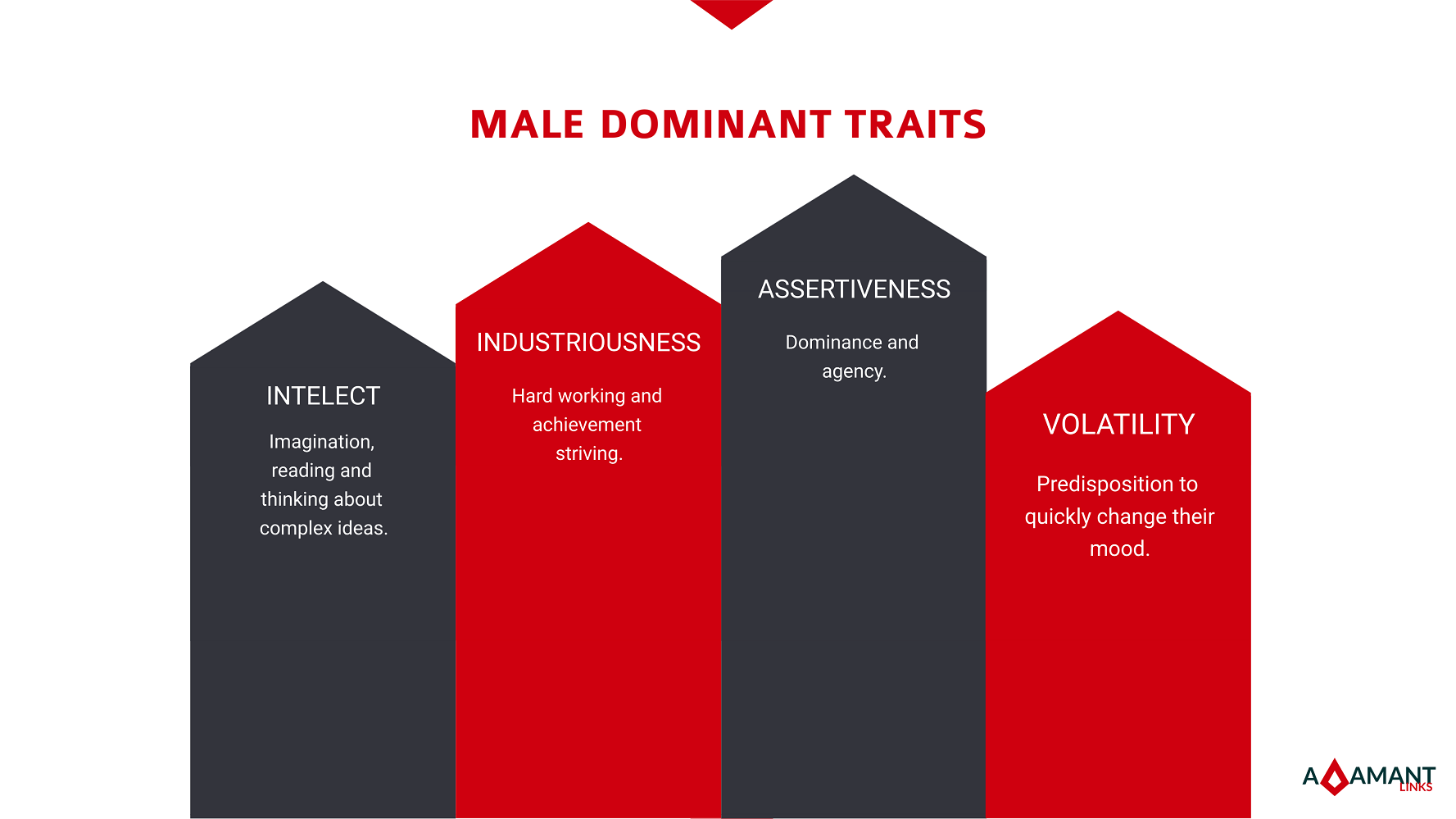
Despite the progress made, the concept of dominance remains a complex and multifaceted issue. In many cultures, dominance is still closely tied to masculinity and is often seen as a desirable trait in men. This has led to a phenomenon where men are socialized to embody dominant behaviors, even if it means suppressing their emotions and vulnerability. Meanwhile, women are frequently expected to adopt more submissive roles, reinforcing the existing power imbalance. The 1980s and 1990s saw a surge in the popularity of self-help books and relationship guides, which often perpetuated these outdated notions of dominance and submission.
Must Read
Evolution of Dominance
The 1990s and 2000s witnessed a significant shift in the way dominance was perceived in relationships. The rise of alternative lifestyles, such as polyamory and BDSM, challenged traditional notions of dominance and submission. These communities emphasized the importance of communication, consent, and mutual respect in relationships, offering a more nuanced understanding of dominance. The work of Esther Perel and Dossie Easton has been instrumental in promoting a more inclusive and empathetic approach to relationships, one that acknowledges the complexity of human desires and needs.
As the 21st century progressed, the concept of dominance continued to evolve. The advent of social media and online dating has created new challenges and opportunities for relationships. With the rise of dating apps and online platforms, individuals are now more connected than ever before, yet they are also more likely to experience feelings of isolation and disconnection. The balance of power in relationships has become increasingly fluid, with both partners navigating a complex web of emotional labor, financial responsibilities, and personal boundaries.
One of the most significant transformations in the concept of dominance has been the recognition of emotional intelligence as a key factor in relationships. The work of Daniel Goleman and Peter Salovey has highlighted the importance of emotional awareness, empathy, and effective communication in building strong, healthy relationships. This shift towards a more emotionally intelligent approach to relationships has led to a reevaluation of traditional dominance dynamics, with a greater emphasis on mutual understanding and cooperation.
Despite these advances, the concept of dominance remains a contentious issue. Some argue that dominance is an inherent aspect of human relationships, while others see it as a social construct that can be dismantled. The debate surrounding dominance is further complicated by the presence of power imbalances in relationships, which can be influenced by factors such as socioeconomic status, education, and cultural background. As relationships continue to evolve, it is essential to acknowledge the complexities of dominance and to work towards creating more equitable and empathetic partnerships.
Modernizing Dominance
In today's fast-paced world, the concept of dominance is being reexamined and redefined. With the rise of intersectional feminism and social justice movements, there is a growing recognition of the need for more inclusive and equitable relationships. The work of Audre Lorde and bell hooks has been instrumental in highlighting the importance of intersectionality and critical thinking in relationships. By acknowledging the complex interplay of power dynamics, privilege, and oppression, individuals can work towards creating more just and compassionate relationships.

The increasing popularity of non-monogamy and polyamory has also led to a reevaluation of traditional dominance dynamics. These alternative relationship structures often emphasize communication, consent, and mutual respect, offering a more nuanced understanding of dominance and submission. By prioritizing emotional intelligence, empathy, and effective communication, individuals can create more fulfilling and sustainable relationships, regardless of their structural composition.
Frequently Asked Questions
What is the historical context of dominance in relationships?
The historical context of dominance in relationships is complex and multifaceted. In ancient civilizations, dominance was often tied to social hierarchy and economic power. The rise of patriarchy in many cultures led to a system where men held more power and influence over women. However, as feminist movements gained momentum, the concept of dominance began to shift. The 1960s and 1970s saw a significant increase in women's rights and egalitarianism, leading to a more balanced distribution of power in relationships.
Despite this progress, the concept of dominance remains a contentious issue. The 1980s and 1990s saw a surge in the popularity of self-help books and relationship guides, which often perpetuated outdated notions of dominance and submission. However, the rise of alternative lifestyles, such as polyamory and BDSM, has challenged traditional notions of dominance and submission. These communities emphasize the importance of communication, consent, and mutual respect in relationships, offering a more nuanced understanding of dominance.

How has the concept of dominance evolved over time?
The concept of dominance has undergone significant transformations over time. In the past, dominance was often associated with traditional gender roles, where men were expected to be the breadwinners and women were relegated to domestic duties. However, as women's rights and feminist movements gained momentum, the dynamics of dominance in relationships began to shift. The rise of egalitarianism and the increasing presence of women in the workforce led to a more balanced distribution of power in relationships.
Today, the concept of dominance is being reexamined and redefined. With the rise of intersectional feminism and social justice movements, there is a growing recognition of the need for more inclusive and equitable relationships. The work of Audre Lorde and bell hooks has been instrumental in highlighting the importance of intersectionality and critical thinking in relationships. By acknowledging the complex interplay of power dynamics, privilege, and oppression, individuals can work towards creating more just and compassionate relationships.
What does the future hold for the concept of dominance in relationships?
The future of the concept of dominance in relationships is uncertain, yet promising. As social media and online dating continue to shape the way we interact and form connections, the balance of power in relationships will likely remain fluid. However, by prioritizing emotional intelligence, empathy, and effective communication, individuals can create more fulfilling and sustainable relationships, regardless of their structural composition.

The increasing popularity of non-monogamy and polyamory will likely continue to challenge traditional notions of dominance and submission. These alternative relationship structures often emphasize communication, consent, and mutual respect, offering a more nuanced understanding of dominance. By acknowledging the complexity of human desires and needs, individuals can work towards creating more inclusive and equitable relationships, where dominance is not a fixed or rigid concept, but rather a dynamic and evolving aspect of human interaction.
As we look to the future, it is essential to recognize the significance of emotional intelligence and empathy in relationships. By prioritizing these qualities, individuals can create more fulfilling and sustainable relationships, regardless of their structural composition. The concept of dominance will likely continue to evolve, shaped by factors such as technology, social justice, and cultural shifts. However, by acknowledging the complexity of human desires and needs, individuals can work towards creating more inclusive and equitable relationships, where dominance is not a fixed or rigid concept, but rather a dynamic and evolving aspect of human interaction.
The next 20 years will be crucial in shaping the future of dominance in relationships. As artificial intelligence and virtual reality become increasingly integrated into our lives, the way we form connections and navigate relationships will likely undergo significant transformations. The rise of remote work and digital communication will also continue to impact the balance of power in relationships, creating new challenges and opportunities for individuals to navigate. By embracing these changes and prioritizing emotional intelligence, empathy, and effective communication, individuals can create more fulfilling and sustainable relationships, regardless of their structural composition.