Does Queefing Mean Tight Pelvic Floor

Let's talk about a topic that's often shrouded in mystery and misinformation: queefing. You know, that sometimes-awkward, sometimes-embarrassing sound that can come out during intimacy. It's time to break down the stigma and get real about what queefing really means - and what it doesn't.
First off, queefing is not a reflection of your tightness - and we're not just talking about your pelvic floor. It's a common myth that queefing means you're loose or lax down there, but the truth is, it's just air escaping from your vagina. Yep, it's as simple as that - no judgment, no shame.
The Anatomy of a Queef
So, what exactly is happening when you queef? Essentially, air enters the vagina during penetration or other forms of intimacy, and then it escapes, creating that, ahem, distinctive sound. It's not about your pelvic floor being weak or strong - it's just about the way your body is built.
Must Read
In fact, queefing is more common than you think. It's not something to be embarrassed about, and it's definitely not a sign of any underlying medical issues. Many women experience queefing at some point in their lives, and it's often just a normal part of being intimate.
Pelvic Floor Power
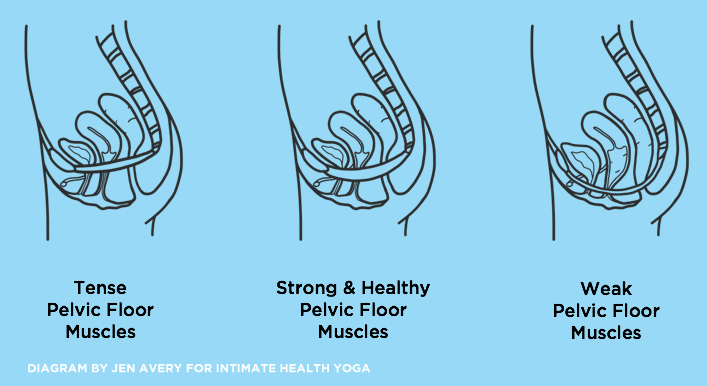
Now, we're not saying that having a strong pelvic floor isn't important - it totally is. A healthy pelvic floor can improve bladder control, enhance intimacy, and even help with lower back pain. But queefing isn't a reflection of your pelvic floor's strength or weakness.

In fact, doing Kegel exercises can actually help you feel more connected to your body and more confident in your intimacy. And the best part? You can do them anywhere, anytime - no equipment required. Just squeeze, hold, and release - you got this.
So, how can you reduce queefing if it's something that makes you feel self-conscious? Try changing up your positions during intimacy, or using a little bit of lube to reduce friction. And hey, if all else fails, just laugh it off - your partner will probably do the same.

Cultural Vibes and Queefing
It's interesting to note that queefing is often stigmatized in our culture, while other bodily functions - like, ahem, passing gas - are laughed off or joked about. Why the double standard? Maybe it's time to rethink our attitudes towards queefing and start seeing it as just a normal part of being human.
After all, our bodies are amazing - and they do some pretty cool (and sometimes weird) things. From queefing to farting, our bodies are just trying to do their thing - so let's try to be a little more chill about it, okay?

So, what's the takeaway here? Queefing is not a big deal - and it's definitely not a reflection of your worth, your attractiveness, or your pelvic floor's strength. It's just a sound, a natural part of being intimate - and hey, if it happens, it happens.
Real Talk
In the end, it's all about self-love and acceptance. Your body is unique, amazing, and capable of some pretty incredible things - queefing and all. So, let's all try to be a little kinder to ourselves, a little more gentle, and a little more chill about the whole queefing thing.

And hey, if all else fails, just remember: it's just a sound - and it's not defining your worth as a person. You are so much more than your body, and you are worthy of love, respect, and acceptance - queefing and all.
So, go ahead - own your queef, if you will. Laugh it off, joke about it, or just ignore it altogether. Your body is amazing, and so are you - queefing and all.
In the end, it's all about loving yourself - queefs, flaws, and all. You are worthy, you are lovable, and you are enough - no matter what your body does or doesn't do. So, go ahead, take a deep breath, and let your freak flag fly - queefing and all.