Does Prostate Have Anything To Do With Ejaculation

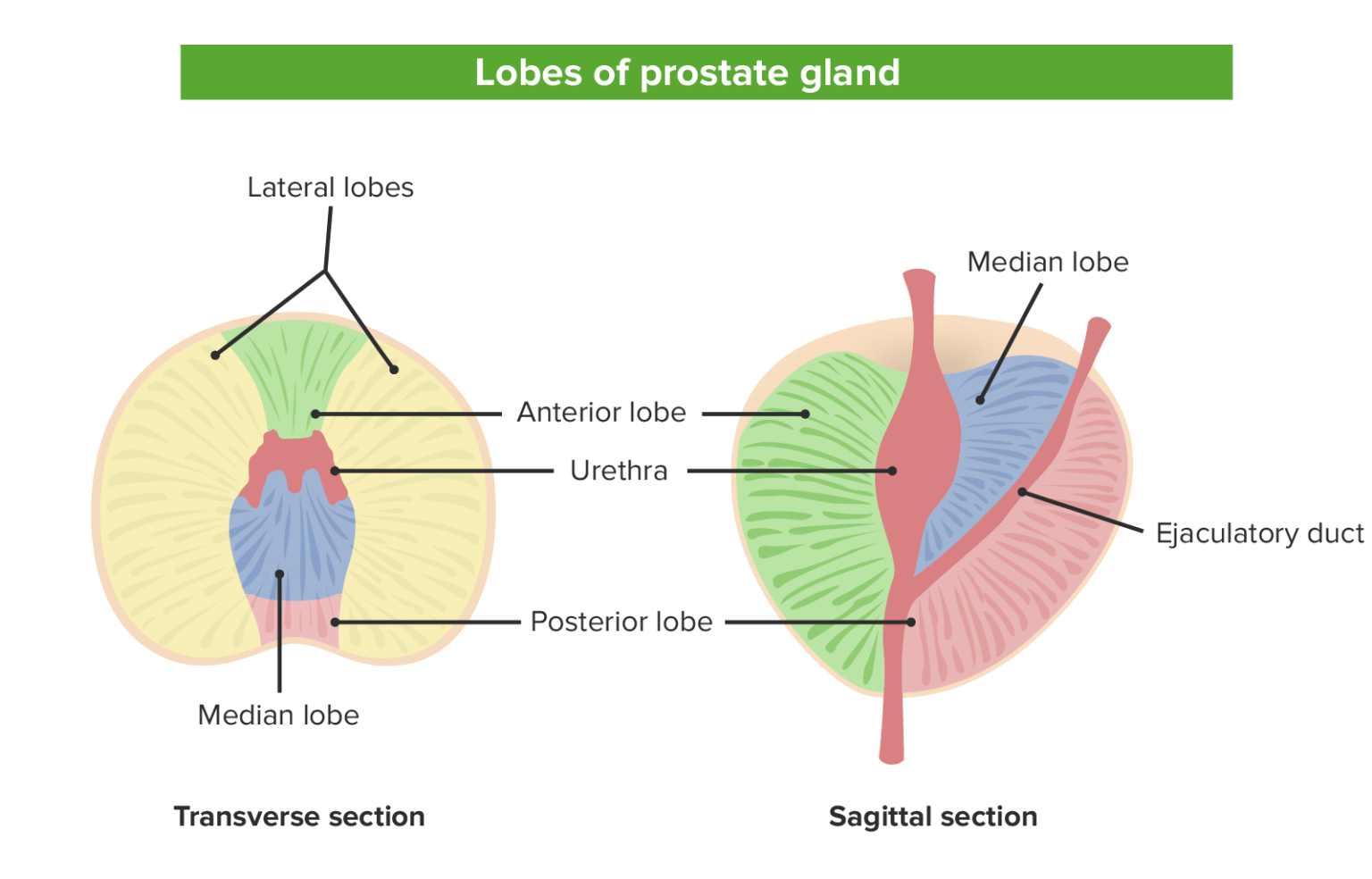
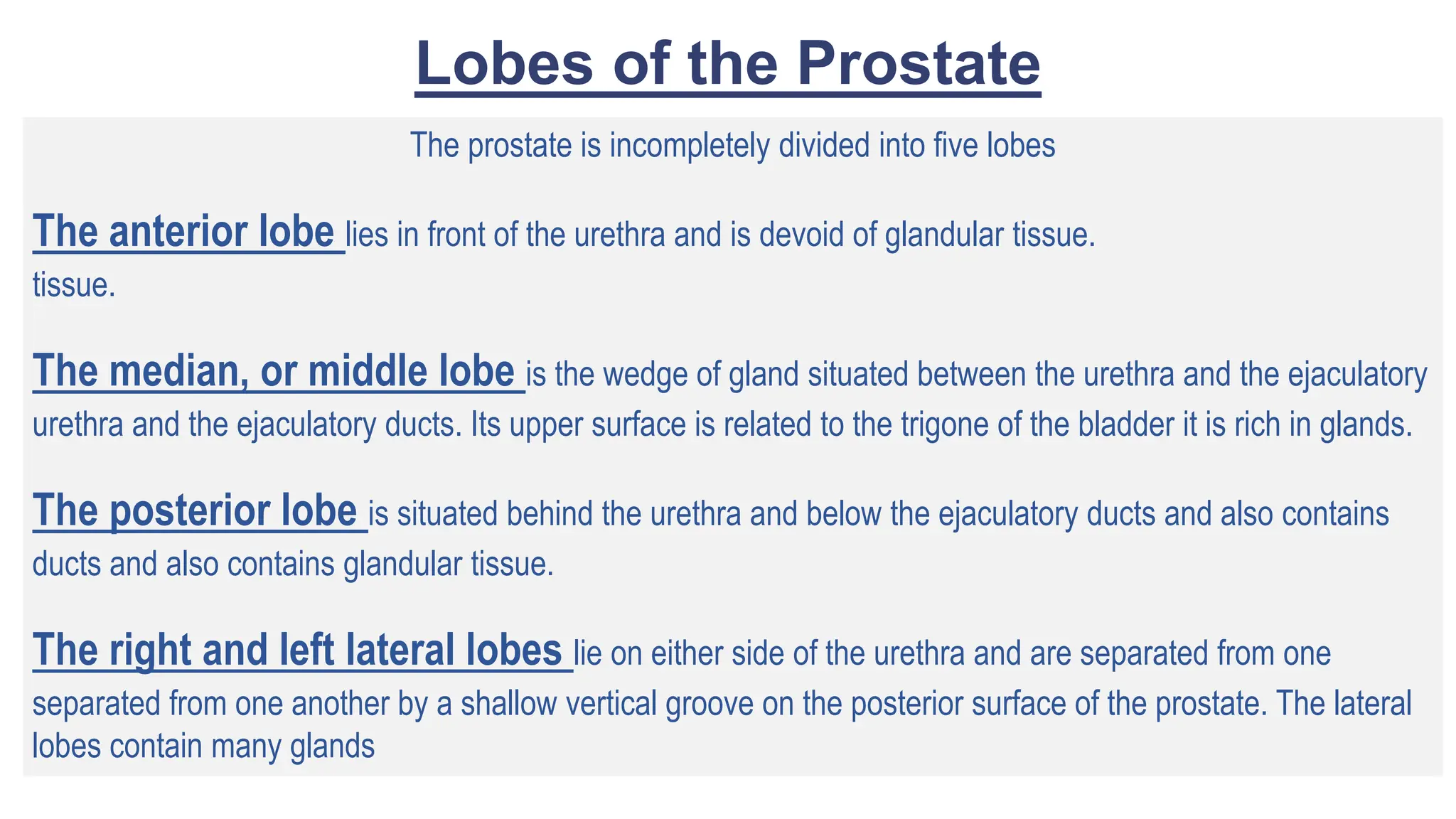
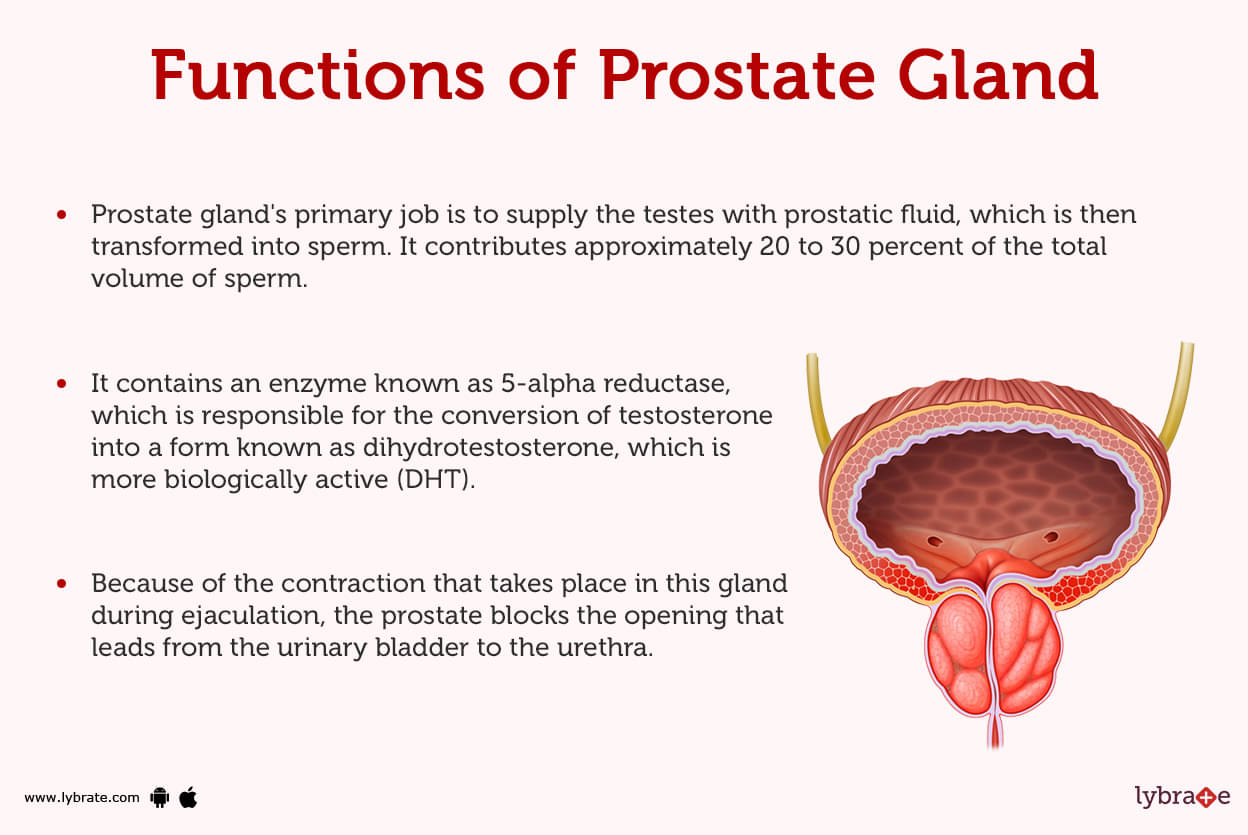
The relationship between the prostate and ejaculation is a complex one, rooted in the intricate biology of the male reproductive system. At its core, the prostate is a glandular organ responsible for producing a significant portion of the fluid that makes up semen, the medium through which sperm is transported during ejaculation. This fluid, rich in enzymes, proteins, and other nutrients, plays a crucial role in the survival and fertilization capability of sperm. Understanding this basic function is the first step in appreciating the deeper connections between the prostate and the process of ejaculation.
Beyond its role in semen production, the prostate also influences the mechanics of ejaculation through its smooth muscle fibers. These muscles, when contracted, help to propel semen out of the body during the ejaculatory process. The coordination of this contraction, along with the opening and closing of the internal urethral sphincter, ensures that semen is expelled efficiently and effectively. This interplay highlights the prostate's dual role in both the preparation and execution phases of ejaculation.
Furthermore, the health of the prostate can significantly impact the quality and frequency of ejaculation. Conditions such as prostatitis (inflammation of the prostate) or benign prostatic hyperplasia (BPH) (enlargement of the prostate) can lead to symptoms like painful ejaculation, reduced semen volume, or even difficulty achieving orgasm. These conditions underscore the importance of prostate health in maintaining normal ejaculatory function and overall sexual well-being.
Must Read
Biological and Chemical Reactions
Diving deeper into the biology of the prostate and its influence on ejaculation, it becomes clear that hormonal regulation plays a pivotal role. The prostate is sensitive to testosterone and dihydrotestosterone (DHT), hormones that not only regulate the growth and function of the prostate but also impact the ejaculatory process. High levels of these hormones can lead to increased prostate growth, potentially affecting ejaculatory function. Conversely, hormonal imbalances can result in decreased libido and ejaculatory difficulties.
The chemical composition of semen itself is another critical aspect to consider. Semen is composed of fructose, prostaglandins, and other components that are essential for sperm viability and motility. The prostate's contribution to semen includes enzymes like prostate-specific antigen (PSA), which helps to liquefy semen after ejaculation, thereby facilitating sperm movement. Understanding these chemical reactions can offer insights into the complexities of fertility and the potential impacts of prostate issues on reproductive health.
In addition to its direct contributions to semen and the mechanics of ejaculation, the prostate also has implications for male fertility. Conditions affecting the prostate can lead to decreased sperm quality or quantity, highlighting the need for men to be aware of their prostate health as part of their broader reproductive health. Regular check-ups and screenings for prostate issues can be critical in addressing and preventing ejaculatory dysfunction and fertility problems.
Optimization and Life Hacks
For those looking to optimize their prostate health and, by extension, their ejaculatory function, several practical strategies can be employed. First, maintaining a healthy diet rich in fruits, vegetables, and whole grains can help support prostate health. Foods high in antioxidants and omega-3 fatty acids have been shown to reduce inflammation and promote overall well-being, including prostate health.
Regular exercise is another critical component of a healthy lifestyle that benefits the prostate. Physical activity has been linked to reduced risks of prostate issues, including BPH and prostatitis, likely due to its effects on hormone regulation and overall health. Furthermore, staying hydrated and managing stress levels through techniques like meditation or yoga can also contribute to prostate health and, by extension, to healthy ejaculatory function.
In terms of specific "hacks" for improving ejaculatory performance, pelvic floor exercises (Kegel exercises) can be particularly beneficial. By strengthening the muscles that control ejaculation, individuals can potentially improve their ejaculatory control and performance. Additionally, practicing good sexual health habits, such as getting regular check-ups and using protection to prevent sexually transmitted infections, is crucial for maintaining healthy sexual function.
Finally, for individuals dealing with ejaculatory issues related to prostate health, seeking medical advice is a critical step. Healthcare providers can offer guidance on managing symptoms, treating underlying conditions, and improving overall prostate and sexual health. This might include medications, lifestyle changes, or other interventions tailored to the individual's specific needs and health status.

Frequently Asked Questions
How Does the Prostate Affect Fertility?
The prostate's impact on fertility is multifaceted. Through its contribution to semen, the prostate affects sperm viability and motility, crucial factors in fertility. Conditions like prostatitis or BPH can impair sperm quality or quantity, potentially leading to fertility issues. Therefore, maintaining good prostate health is essential for men looking to conceive.
In practical terms, men can support their fertility by adopting healthy lifestyle habits, such as a balanced diet, regular exercise, and stress management. Regular health check-ups, including screenings for prostate issues, are also vital. For those experiencing fertility problems, consulting a healthcare provider or a fertility specialist can provide personalized advice and treatment options to address any underlying prostate or reproductive health issues.
Can Prostate Issues Cause Painful Ejaculation?
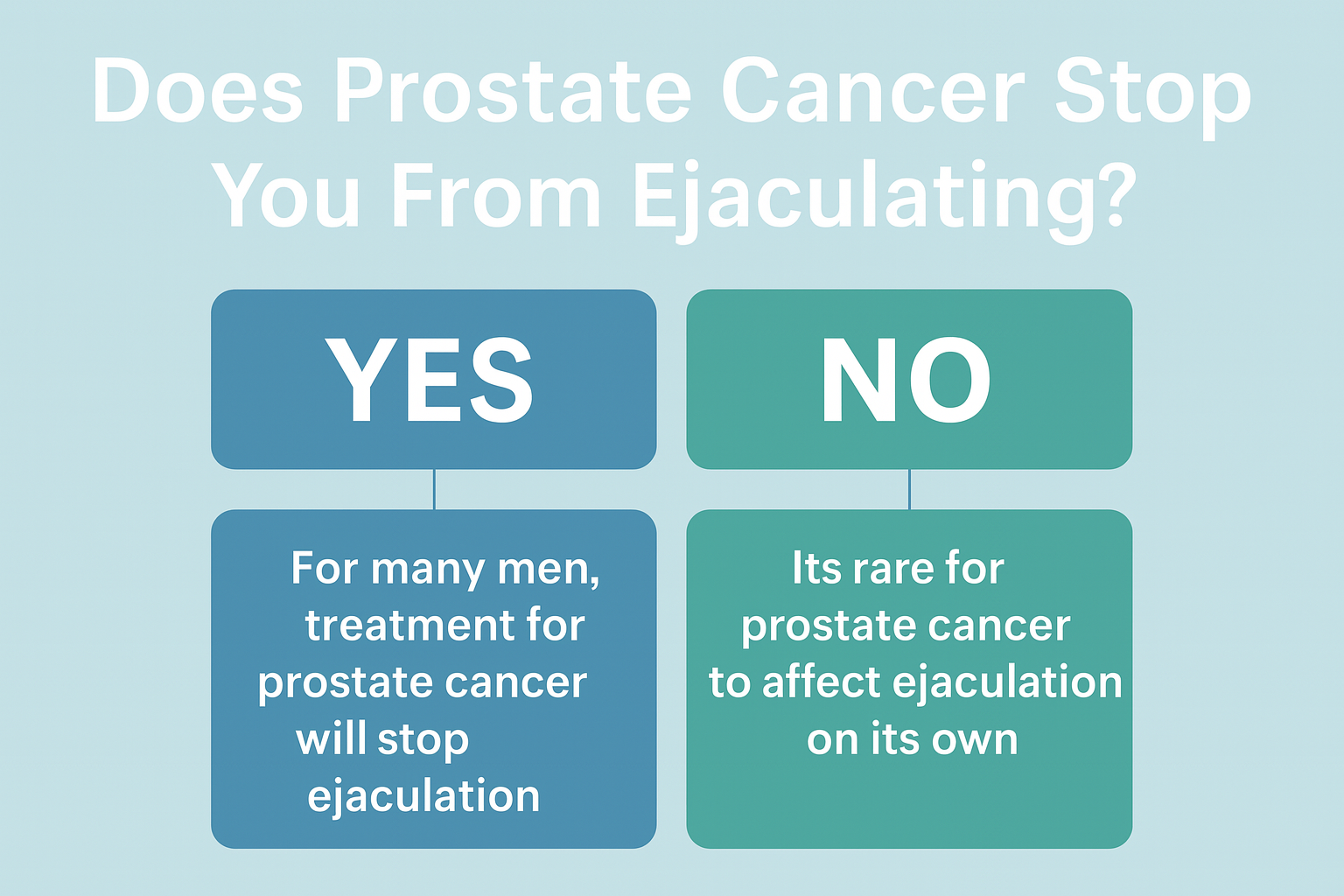
Yes, prostate issues can lead to painful ejaculation. Conditions like prostatitis, where the prostate becomes inflamed, can cause significant discomfort during ejaculation. Similarly, BPH or prostate cancer can also result in painful ejaculation due to the increased size of the prostate gland putting pressure on surrounding tissues and nerves.
To address painful ejaculation related to prostate issues, it's essential to seek medical attention. A healthcare provider can diagnose the underlying cause and recommend appropriate treatment, which might include antibiotics for prostatitis, medications to reduce prostate size, or other interventions. In the meantime, practicing good prostate health through diet, exercise, and stress reduction can help alleviate symptoms and support overall well-being.
How Does Age Affect the Prostate and Ejaculation?
Aging has a significant impact on the prostate and ejaculatory function. As men age, the prostate gland tends to grow, which can lead to conditions like BPH. This enlargement can affect the mechanics of ejaculation, potentially leading to weaker ejaculation or other sexual health issues. Additionally, age-related declines in hormone levels and physical health can also influence ejaculatory performance.
Despite these changes, many aspects of prostate and sexual health can be managed with age. Regular health check-ups, a healthy lifestyle, and prompt attention to any prostate-related issues can help mitigate the effects of aging. Moreover, open communication with healthcare providers about sexual health concerns can lead to tailored advice and treatments that address the unique challenges of aging prostate health.
Can Diet Directly Impact Prostate Health and Ejaculation?
Diet plays a critical role in prostate health and, by extension, can influence ejaculatory function. A diet rich in fruits, vegetables, and whole grains can help support prostate health, potentially reducing the risk of conditions like BPH or prostatitis. Certain foods, such as those high in lycopene (found in tomatoes) or omega-3 fatty acids (found in fish), have been specifically linked to improved prostate health.
In practical terms, incorporating these foods into one's diet can be a straightforward strategy for supporting prostate health. Additionally, limiting intake of processed foods, red meat, and dairy products, which have been associated with increased risk of prostate issues, can also be beneficial. However, while diet is an important aspect of overall health, it should be considered as part of a broader approach to maintaining good prostate and sexual health, including regular exercise, stress management, and medical check-ups.

Are There Any Natural Remedies for Prostate Health and Ejaculation Issues?
Several natural remedies and supplements have been suggested to support prostate health and address ejaculatory issues, though their effectiveness can vary. Saw palmetto, zinc, and selenium are among the supplements that have been studied for their potential benefits in reducing the risk of BPH and improving prostate health. Additionally, herbal remedies like pygeum have been traditionally used to support prostate function.
However, it's crucial to approach these remedies with caution and consult with a healthcare provider before adding any supplements to one's regimen. The evidence supporting the use of these remedies can be mixed, and they may interact with other medications or have side effects. A healthcare provider can offer personalized advice on the use of natural remedies as part of a comprehensive approach to managing prostate health and addressing ejaculatory issues.
Reflecting on the complex relationship between the prostate and ejaculation, it becomes clear that respecting the science behind this topic is essential for maintaining sexual health and overall well-being. By understanding the biological, chemical, and systemic reactions at play, individuals can take empowered steps towards optimizing their prostate health and addressing any ejaculatory issues that may arise. This knowledge not only promotes better sexual function but also contributes to a fuller understanding of one's body and health, enabling more informed decisions about lifestyle, healthcare, and personal well-being.
Ultimately, the pursuit of healthy prostate function and optimal ejaculatory performance is closely intertwined with the broader goals of achieving good health and quality of life. As individuals strive to better understand and manage their prostate health, they are also embracing a proactive approach to their overall well-being. This mindset, grounded in the science of everyday life and the biology of human health, is key to navigating the complexities of prostate health and ejaculation, and to living a more balanced, healthy, and fulfilling life.