Does Pineapple Make Vag Taste Better
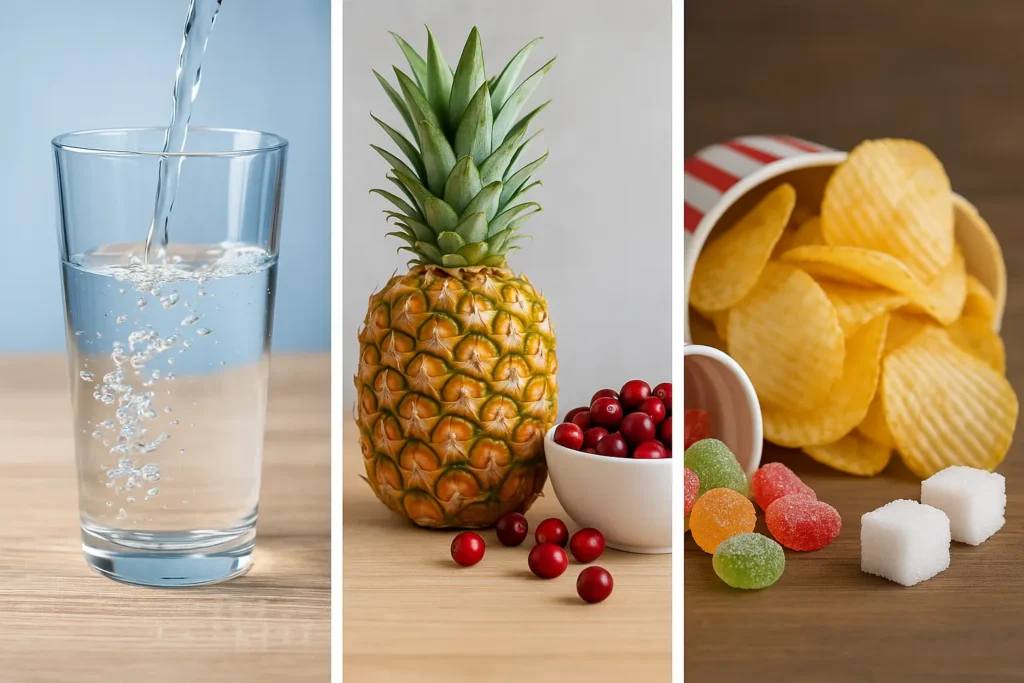
The notion that certain foods, such as pineapple, can enhance the taste and appeal of vaginal secretions has been a topic of discussion and intrigue for many. This concept, often brought up in hushed tones or through discreet online forums, touches on the intersection of diet, intimacy, and personal hygiene. The idea itself, while not widely scientifically studied, speaks to broader cultural and societal perceptions of sexual health and pleasure. Historically, various cultures have suggested that diet influences body odor and, by extension, the odor of genital areas. For instance, in some Eastern cultures, certain herbs and spices are believed to create a more enticing scent.
Today, the discussion around whether pineapple or any other food can make "vag taste better" extends beyond the kitchens and bedrooms into social media platforms, health blogs, and even mainstream media. The interest in this topic is not merely about the literal taste but also reflects a deeper curiosity about how our diets and lifestyles can impact our sexual experiences. This fascination also speaks to our increasing openness about sexual health and a quest for natural ways to enhance intimacy, moving away from chemical-based products. With the rise of wellness culture, there's a growing interest in holistic approaches to sexual satisfaction and body confidence, making this topic particularly relevant.
Unveiling the Science and Psychology
The scientific community's stance on whether pineapple directly influences the taste of vaginal secretions is somewhat neutral, largely due to a lack of comprehensive studies. However, it is understood that diet can influence body odor, including genital areas, by altering the compounds present in sweat and other bodily secretions. The bacteria in the vagina can break down these compounds, potentially changing the scent. Pineapple, with its high concentration of vitamin C and other antioxidants, might have a beneficial effect on vaginal health by promoting a balanced pH and microbial environment, which could indirectly influence odor.
Psychological aspects also play a significant role in perceptions of taste and smell during sexual activities. The anticipation, expectation, and emotional connection with a partner can significantly influence how pleasurable or enjoyable an experience is, including the sensory aspects. Cultural references often glamorize certain foods or practices, influencing our perceptions and desires. For example, chocolate and strawberries are often associated with romance, and similarly, the idea of pineapple affecting vaginal taste taps into our cultural fascination with food as a precursor to or component of sexual experience.
Furthermore, the cultural impact of such discussions is substantial, reflecting our evolving attitudes towards sex, food, and personal wellness. These conversations, while sometimes laced with humor or embarrassment, contribute to the normalization of open dialogue about sexual health and preferences. They also highlight the diversity of human experience, where individual tastes, dietary influences, and cultural backgrounds intersect to create unique preferences and practices.
Real-Life Implications and Practical Insights
In real-life scenarios, the influence of diet on sexual health and satisfaction is complex, involving not just the direct impact of foods like pineapple but also overall dietary balance, hydration, and lifestyle. For individuals seeking to enhance their sexual experiences through diet, focusing on balanced nutrition that supports overall health, including sexual health, is key. This involves consuming foods rich in vitamins, minerals, and antioxidants that promote good health and, by extension, may positively affect bodily secretions and odors.

Case studies and anecdotal evidence from forums and communities suggest that while pineapple might not have a universal effect, some individuals report positive changes in their bodily scent and their partners' perceptions of it after consuming pineapple regularly. However, it's crucial to approach such claims with a critical eye, understanding that individual results can vary widely and that the placebo effect, coupled with psychological factors, can significantly influence outcomes.
For those looking for actionable takeaways, incorporating foods known for their health benefits into one's diet, maintaining good hygiene practices, and fostering open communication with sexual partners about preferences and pleasures can contribute to more satisfying and enjoyable sexual experiences. It's also important to address any underlying health issues that could affect vaginal or bodily odor, as certain infections or conditions can cause noticeable and undesired changes in scent.
In conclusion, while the specific impact of pineapple on vaginal taste is not conclusively proven, the broader discussion it ignites about diet, health, and sexual experience is valuable. By focusing on overall wellness and emotional connection, individuals can cultivate a positive and healthy approach to their sexual lives, one that is informed by both scientific insights and personal preferences.
Frequently Asked Questions
Does Eating Pineapple Directly Affect Vaginal Taste?
The direct correlation between eating pineapple and the taste of vaginal secretions is not scientifically established. However, it is plausible that the consumption of pineapple, with its potential to influence bacterial flora and provide antioxidant benefits, could have a positive effect on vaginal health, which in turn might affect odor and taste. The existence of such a link would depend on various factors, including individual digestive health, the presence of any vaginal infections, and overall dietary patterns.

More research into the specific biochemical interactions between dietary components and vaginal flora is needed to fully understand any potential effects. Meanwhile, anecdotal evidence and theoretical considerations provide a basis for speculation but not conclusive evidence. Thus, while pineapple might not be a magic bullet for altering vaginal taste, a balanced diet rich in fruits, vegetables, and whole foods can contribute to better overall health, which indirectly supports sexual wellness.
Can Other Foods Influence Vaginal Odor and Taste?
Beyond pineapple, various foods have been suggested to influence body odor, potentially including vaginal scent. These range from cruciferous vegetables like broccoli and cauliflower to spicy foods and citrus fruits. The reasoning behind these suggestions is often based on the types of compounds these foods contain and how they might be metabolized and expressed through sweat and other bodily secretions. For example, foods high in sulfur, like garlic and onions, are commonly believed to make bodily odors stronger.
The impact of diet on vaginal odor is an area of interest but requires more systematic study to understand the specific effects of different food groups. It's also important to remember that individual variability in metabolism, digestive health, and personal hygiene practices plays a significant role in how diet affects bodily odors. Thus, while certain foods might be suggested to have a positive or negative effect, these are general observations rather than universal rules.
How Does Hygiene Impact Vaginal Odor and Taste?
Personal hygiene practices are a critical factor in vaginal odor and, by extension, could influence taste. Regular showering or bathing, wearing breathable clothing, and practicing good genital hygiene can help maintain a healthy balance of bacteria and minimize the risk of infections, which can cause strong odors. However, it's also important to avoid over-washing or using harsh soaps, as this can disrupt the natural pH balance and lead to irritation or infection.

The interplay between hygiene, diet, and sexual health underscores the importance of a holistic approach to wellness. By combining good hygiene practices with a balanced diet and open communication with sexual partners, individuals can promote healthy and positive sexual experiences. It's also worth noting that emotional and psychological factors, such as stress and body confidence, can influence perceptions of body odor and sexual satisfaction, further emphasizing the need for a comprehensive approach to sexual wellness.
Are There Any Health Risks Associated with Altered Vaginal Odor or Taste?
Changes in vaginal odor or taste can sometimes be indicative of underlying health issues, such as bacterial vaginosis, yeast infections, or sexually transmitted infections (STIs). If you notice a strong, unpleasant odor or an unusual taste, it's essential to consult a healthcare provider to rule out any infections or conditions that might require medical attention. Untreated infections can lead to more severe health issues, including pelvic inflammatory disease (PID) or increased susceptibility to STIs.
Furthermore, the pursuit of altering vaginal taste or odor through dietary means should not overshadow the importance of regular health check-ups and safe sexual practices. A balanced approach to sexual health involves both the promotion of positive, healthy habits and the prevention of potential risks. By being aware of the signs of infection and maintaining open communication with healthcare providers, individuals can ensure their sexual health and overall well-being are protected.
How Can Partners Communicate About Preferences and Pleasure?
Communication is key in any sexual relationship, especially when it comes to preferences, pleasures, and concerns about bodily odors or tastes. Creating a safe, non-judgmental space where partners feel comfortable discussing their desires and any issues they might have can significantly enhance sexual satisfaction and intimacy. This includes open dialogue about what feels good, what doesn't, and any concerns about health or hygiene.

Practical steps towards better communication include scheduling regular, uninterrupted time to talk about sexual health and preferences, using positive and appreciative language to discuss desires, and being receptive to feedback without becoming defensive. By fostering this kind of open and supportive communication, partners can build trust, address any issues that arise, and work together to create a fulfilling and healthy sexual relationship.
Reflecting on the broader implications of the discussion around pineapple and vaginal taste, it becomes clear that this topic intersects with fundamental aspects of human experience, including intimacy, health, and communication. The quest for ways to enhance sexual pleasure and connection is universal, and when approached with sensitivity, openness, and a commitment to mutual respect, it can lead to deeper and more meaningful relationships.
Moreover, the emphasis on diet and lifestyle as factors that can influence sexual health highlights the interconnectedness of our physical, emotional, and psychological well-being. By acknowledging and addressing these connections, individuals can cultivate a more holistic understanding of their health and sexuality, leading to more informed choices and a more positive relationship with their bodies.
Ultimately, the conversation about whether pineapple makes "vag taste better" serves as a gateway to more significant discussions about sexual wellness, communication, and the pursuit of healthy, fulfilling relationships. As we continue to explore and understand the complexities of human sexuality and health, it's essential to maintain an open, curious, and compassionate approach, recognizing that individual experiences and preferences are diverse and multifaceted.