Does Having To Pee Make You Last Longer

When it comes to intimacy, there are many factors that can affect how long things last. One question that has sparked curiosity and debate is whether having to pee can actually make you last longer. This topic may seem unusual, but it's a conversation starter that can lead to some interesting discussions about the physiology of intimacy and how our bodies respond to different stimuli.
The idea behind this concept is that the pressure and discomfort of having a full bladder can distract from the sensations of intimacy, potentially leading to a longer-lasting experience. This theory has been
cited by some as a possible benefitof holding in your pee, but it's essential to approach this topic with a critical and nuanced perspective. After all, intimacy is a complex and multifaceted aspect of human relationships, influenced by a wide range of psychological, emotional, and physical factors.
Understanding the Science
From a scientific standpoint, the relationship between a full bladder and intimacy is not fully understood. Research on this topic is limited, and more studies are needed to determine whether there's any real correlation between the two. However, some experts suggest that the brain-bladder connection could play a role in how we experience intimacy, with the brain's ability to multitask and prioritize different sensations potentially influencing our perception of pleasure and discomfort.
The concept of
urological distractionhas been proposed as a possible explanation for how a full bladder could affect intimacy. According to this idea, the discomfort and urgency of needing to pee could serve as a distraction, reducing the intensity of intimate sensations and potentially leading to a longer-lasting experience. However, this theory is still speculative, and more research is needed to confirm or refute its validity. In the meantime, it's essential to approach this topic with a healthy dose of skepticism and curiosity.
Practical Considerations
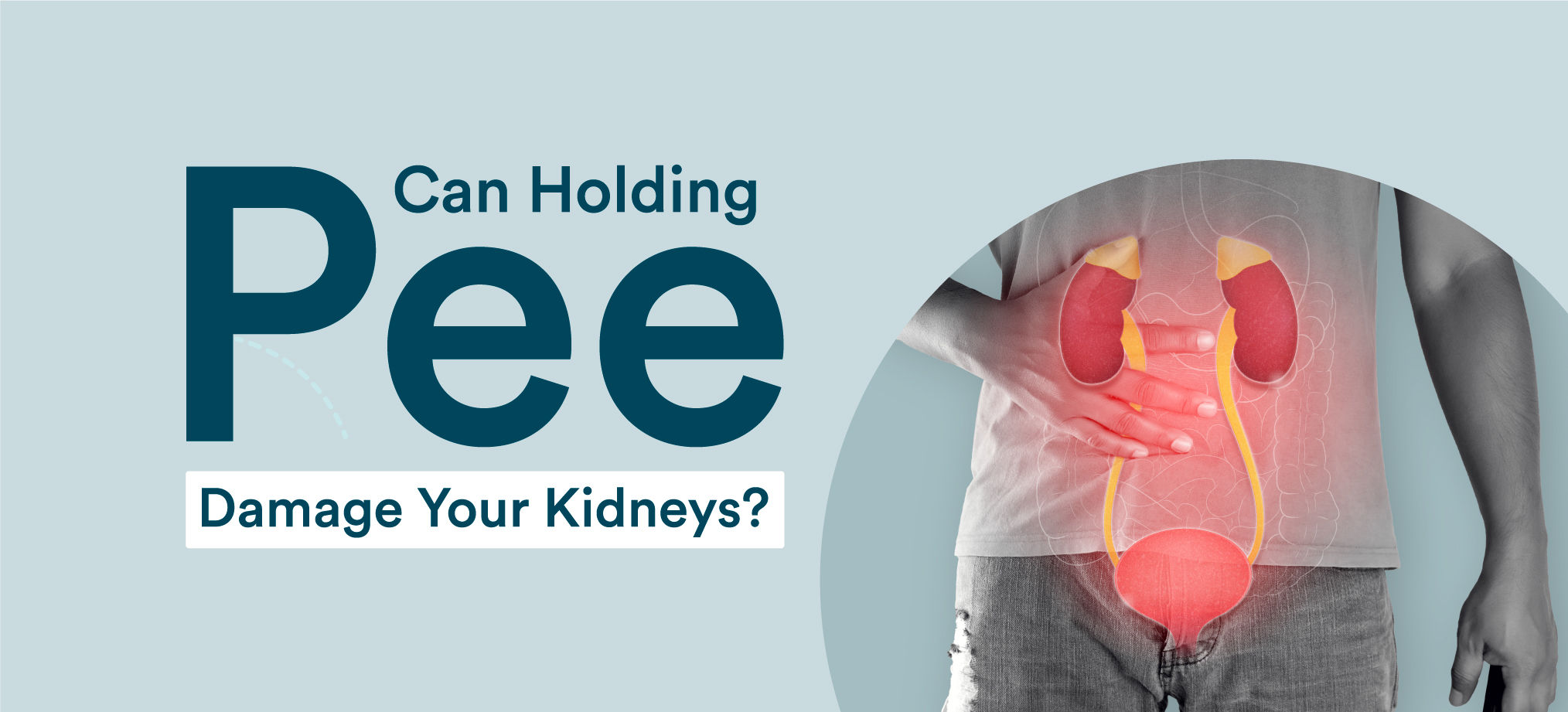
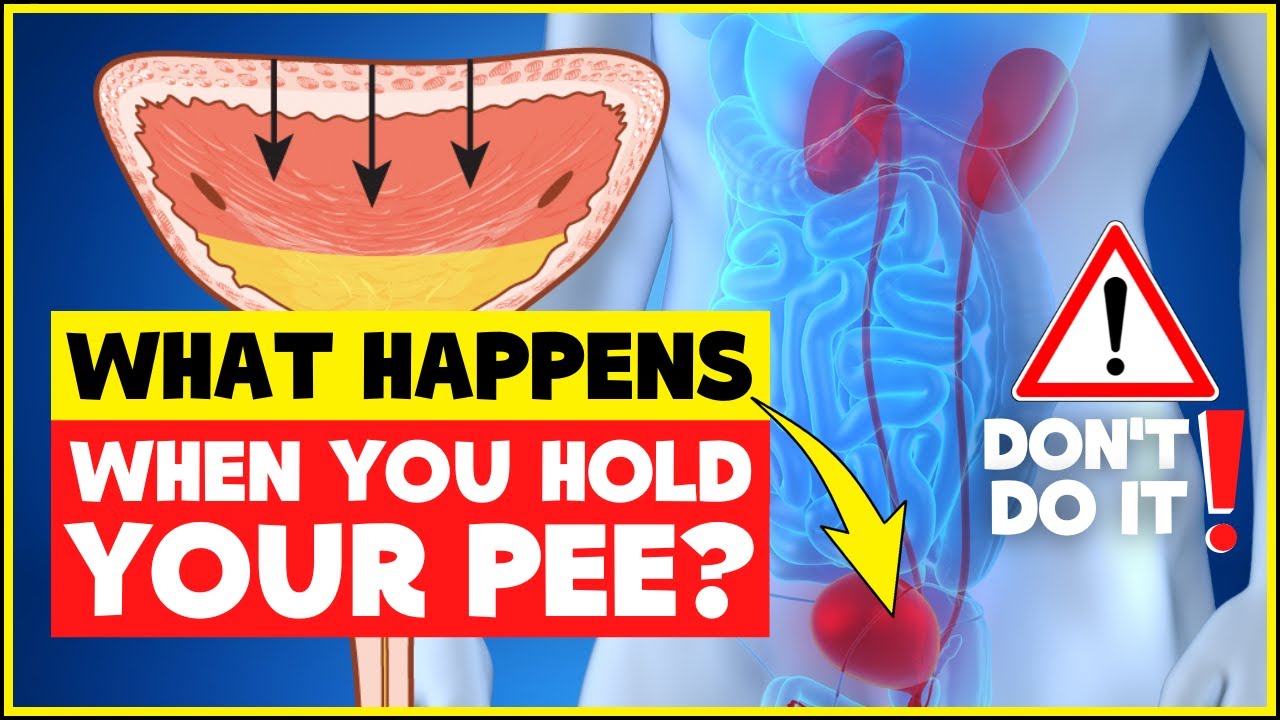
In practice, the idea of using a full bladder as a means of lasting longer is not necessarily the most effective or recommended approach. For one thing, discomfort and distraction can be significant drawbacks, potentially reducing the overall quality of the intimate experience. Furthermore, holding in your pee for extended periods can lead to uncomfortable and potentially harmful consequences, such as urinary tract infections or bladder problems.
A more effective approach might involve focusing on communication and intimacy skills, such as building emotional connection, practicing relaxation techniques, and exploring different forms of pleasure and stimulation. By prioritizing these aspects of intimacy, individuals can work towards creating a more fulfilling and enjoyable experience for all parties involved. Whether or not having to pee plays a role in this process is secondary to the more fundamental factors that contribute to a healthy and satisfying intimate life.
In conclusion, the question of whether having to pee can make you last longer is an intriguing one that highlights the complexities and nuances of human intimacy. While the science behind this concept is still evolving, it's essential to approach this topic with a critical and open-minded perspective, recognizing both the potential benefits and drawbacks of this idea. By prioritizing communication, empathy, and mutual understanding, individuals can work towards creating a more fulfilling and enjoyable intimate experience, regardless of whether or not they need to pee.

The topic of intimacy and urology is a fascinating one that warrants further exploration and discussion. As we continue to learn more about the interconnectedness of our bodies and the complex factors that influence our intimate experiences, we may uncover new insights and perspectives that can help us navigate the complexities of human relationships. Whether or not having to pee is a significant factor in this process remains to be seen, but one thing is certain – the pursuit of knowledge and understanding is essential for creating a more informed and empathetic approach to intimacy.
Ultimately, the key to a fulfilling and enjoyable intimate life lies in emotional connection, communication, and mutual respect. By prioritizing these essential aspects of human relationships, individuals can work towards creating a more satisfying and lasting experience, one that is rooted in trust, empathy, and understanding. Whether or not the need to pee plays a role in this process is secondary to the more fundamental factors that contribute to a healthy and happy intimate life.