
Does Anal Sex Feel Good For Men
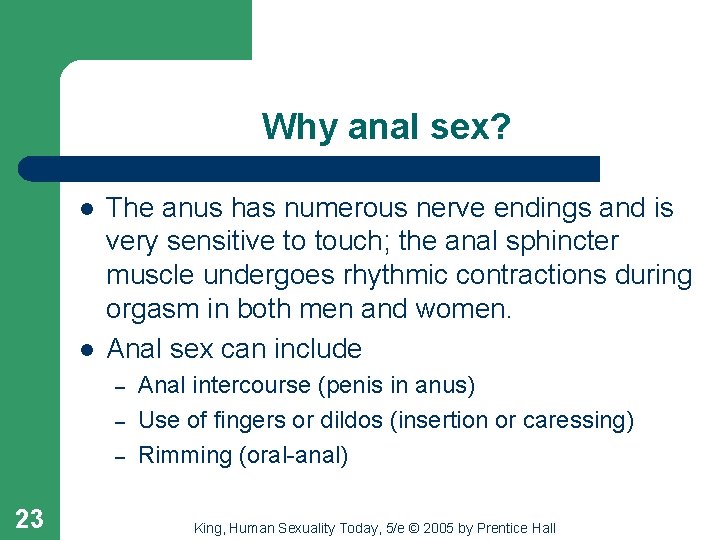
The concept of anal sex and its implications on men's pleasure has been a subject of intrigue and controversy for centuries. At its core, the question of whether anal sex feels good for men is intricately tied to the complex interplay of psychological, emotional, and physical factors. Our brains, wired with a unique blend of instinct, experience, and societal influence, react to the idea of anal sex in vastly different ways. For some, the mere mention of it evokes feelings of curiosity and excitement, while for others, it may trigger anxiety or embarrassment. This dichotomy highlights the modern relevance of understanding and discussing anal sex in the context of men's sexual health and well-being.
Delving into the psychological root of the topic reveals that our reactions to anal sex are often deeply personal and influenced by a myriad of factors including upbringing, past experiences, and cultural background. The stigma surrounding anal sex can lead to feelings of guilt or shame, causing individuals to suppress their desires or avoid discussing them openly. This suppression can have profound effects on mental health, leading to anxiety, depression, or low self-esteem. Therefore, creating a safe, non-judgmental space for exploration and discussion is crucial for understanding and embracing one's sexual preferences, including those related to anal sex.
Exploring Emotional Triggers and Cognitive Biases
One of the hidden emotional triggers associated with anal sex for men is the fear of loss of masculinity. Societal norms often equate masculinity with certain sexual behaviors, and engaging in anal sex may be perceived as a deviation from these norms, leading to feelings of insecurity or self-doubt. This cognitive bias can hinder open communication about sexual desires and preferences, ultimately affecting the quality of sexual experiences and relationships. For instance, a man who is interested in exploring anal sex might feel compelled to hide his desires from his partner due to fear of judgment or rejection, thus missing out on a potentially fulfilling aspect of his sexuality.
Must Read
Another significant emotional trigger is the sensitivity and vulnerability that comes with anal sex. The act requires a high level of trust and communication between partners, making it a profoundly intimate experience. However, this vulnerability can also make individuals more susceptible to feelings of anxiety or embarrassment, especially if they have had negative experiences in the past or if they are exploring this aspect of their sexuality for the first time. It's essential to approach these feelings with empathy and understanding, recognizing that vulnerability is a natural and essential part of any sexual experience.
The mental hurdles associated with anal sex for men can also stem from lack of education and misinformation. Many individuals lack comprehensive sexual education that includes discussions on anal sex, leading to misunderstandings about safety, hygiene, and pleasure. This knowledge gap can fuel fears and myths surrounding anal sex, discouraging men from exploring this aspect of their sexuality or doing so without proper precautions, which can lead to health risks and discomfort.
Coping Mechanisms and Mindset Shifts
To navigate the complex psychological and emotional landscape surrounding anal sex, it's crucial for men to adopt open-mindedness and self-acceptance. This involves recognizing that sexual preferences and experiences are highly personal and that there is no "one-size-fits-all" approach to sexual satisfaction. By embracing their desires without judgment, individuals can begin to explore their sexuality in a healthier, more fulfilling way. For example, engaging in self-reflection and journaling can help men understand their feelings and desires related to anal sex, providing a clearer path to embracing their sexuality.

A vital mindset shift is moving towards a more communicative and consensual approach to sex. This means fostering an environment where desires, boundaries, and concerns can be openly discussed with partners. Communication is key to navigating the complexities of anal sex, ensuring that all parties involved are comfortable and willing participants. This not only enhances the sexual experience but also strengthens the bond between partners, built on trust, respect, and understanding.
Practicing self-care and self-compassion is also essential for men exploring their desires related to anal sex. This involves being gentle with oneself during the process of exploration, acknowledging that it's okay to have questions, fears, and uncertainties. Engaging in activities that promote relaxation and stress reduction, such as meditation or yoga, can help manage anxiety and make the exploration of anal sex a more positive and enjoyable experience.
Lastly, seeking out educational resources and professional guidance can provide men with the knowledge and support they need to explore anal sex safely and pleasurably. This might involve reading books or articles on the subject, watching educational videos, or consulting with a sex therapist who can offer personalized advice and support. By being informed and prepared, individuals can mitigate risks and focus on the potential benefits and pleasures of anal sex.
Frequently Asked Questions
How Can I Approach My Partner About Trying Anal Sex?
Approaching the topic of anal sex with a partner requires sensitivity, respect, and open communication. It's essential to choose the right moment and setting for the conversation, ensuring both parties feel comfortable and safe. Starting the conversation with expressions of love and appreciation for your partner can help set a positive tone. Be honest about your desires and listen to your partner's feelings and concerns without judgment. It's also crucial to emphasize the importance of consent and safety, discussing boundaries and precautions openly. Remember, the goal is to explore this aspect of your sexuality together, as a team, prioritizing mutual respect and pleasure.
This conversation can be an opportunity for growth and intimacy in your relationship, allowing you to discuss desires, fears, and boundaries in a deeper way. By being patient, understanding, and supportive, you can navigate this conversation with care, potentially leading to a more fulfilling and adventurous sexual life together. If needed, consider seeking advice from a sex therapist or couples counselor who can provide guidance on how to communicate effectively about sexual desires and preferences.
What Are Some Common Misconceptions About Anal Sex?
One of the most prevalent misconceptions about anal sex is that it is inherently painful or uncomfortable. While it's true that anal sex can be painful if not done properly, with the right preparation, communication, and care, it can be a highly pleasurable experience for both partners. Another misconception is that anal sex is unhygienic or unsafe. With proper precautions, such as using protection and practicing good hygiene, the risks associated with anal sex can be significantly reduced.
It's also commonly believed that anal sex is only for gay men or that it's a sign of homosexuality. This myth is dangerous and limiting, as sexual preferences and activities are not determined by sexual orientation. Men of all sexual orientations can enjoy and explore anal sex as part of their sexual expression. By dispelling these misconceptions and focusing on education and open dialogue, we can work towards a more inclusive and accepting understanding of sexual diversity.

How Do I Ensure Safety and Hygiene During Anal Sex?
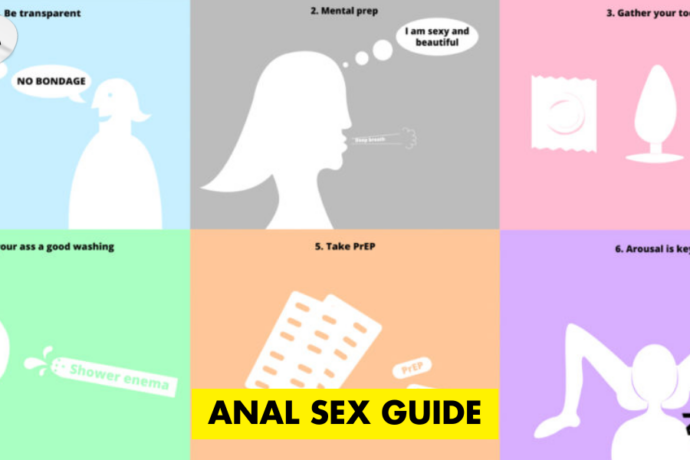
Ensuring safety and hygiene during anal sex involves several key steps. First, communication with your partner is paramount, discussing boundaries, desires, and any concerns openly. Using protection, such as condoms, is crucial for preventing the transmission of STIs and unwanted pregnancies. It's also important to practice good hygiene, washing the area before and after anal sex, and considering the use of enemas or douching for additional cleanliness, although this should be done cautiously and with awareness of the potential risks to the rectal mucosa.
Lubrication is another vital aspect of safe and enjoyable anal sex. Using a generous amount of lubricant can help reduce friction and make the experience more comfortable. It's recommended to use water-based or silicone-based lubricants, as oil-based products can damage condoms and increase the risk of infection. Finally, being aware of your body's limits and boundaries is essential. If you experience pain or discomfort, stop immediately and communicate with your partner about what you're feeling.
Can Anal Sex Be a Part of a Healthy and Fulfilling Sexual Life?
Anal sex can indeed be a part of a healthy and fulfilling sexual life for men who are interested in exploring this aspect of their sexuality. The key to incorporating anal sex into one's sexual repertoire is to do so in a way that is consensual, safe, and enjoyable for all parties involved. This means prioritizing communication, education, and mutual respect in sexual relationships. By embracing anal sex as a potential avenue for pleasure and intimacy, men can expand their sexual horizons, deepen their connections with their partners, and cultivate a more positive and empowered approach to sexuality.
Moreover, exploring anal sex can lead to a greater understanding of one's own body and desires, fostering self-awareness and self-acceptance. This journey of discovery can be incredibly liberating, allowing men to express their sexuality more authentically and to seek out sexual experiences that bring them joy and fulfillment. In the context of a healthy sexual life, anal sex is not about the act itself, but about the connection, trust, and intimacy it can foster between partners.

How Can I Overcome Feelings of Guilt or Shame Associated with Anal Sex?
Overcoming feelings of guilt or shame associated with anal sex requires a journey of self-reflection, education, and self-acceptance. It's essential to understand that these feelings often stem from societal norms, religious beliefs, or past experiences that may have led to negative associations with anal sex. By acknowledging the sources of these emotions, individuals can begin to challenge and redefine their beliefs about sexuality and sexual expression.
Engaging in therapy or counseling with a sex-positive therapist can be incredibly beneficial. A professional can provide a safe and non-judgmental space to explore feelings, beliefs, and desires related to anal sex, offering guidance on how to navigate and overcome guilt and shame. Additionally, connecting with supportive communities or online forums where individuals share their experiences and perspectives on anal sex can help normalize the desire for anal sex and reduce feelings of isolation or abnormality.
As individuals embark on the journey of exploring and understanding their desires related to anal sex, they begin to unravel the complex web of psychological, emotional, and physical factors that influence their sexual experiences. By embracing openness, honesty, and self-acceptance, men can transcend the boundaries of societal norms and personal inhibitions, leading to a more fulfilling and authentic sexual life. The path to mastering this aspect of sexuality is not about the destination, but about the journey itself—a journey of growth, discovery, and intimacy.
Ultimately, the exploration of anal sex as a means of sexual expression and intimacy can lead to profound personal growth and relationship deepening. By navigating the complexities and challenges associated with anal sex with care, respect, and an open mind, individuals can cultivate a richer, more nuanced understanding of their sexuality and desires. This, in turn, can foster a more balanced and fulfilling human experience, marked by self-awareness, confidence, and joy in the expression of one's sexuality.


