Do You Have To Take Electronics Out At Tsa
So, you're heading to the airport and you're wondering what the deal is with TSA and electronics. Do you have to take them out or can you just leave them snug in your bag? It's a question that has puzzled many a traveler, and the answer is actually pretty simple.
The Lowdown on TSA Electronics Rules
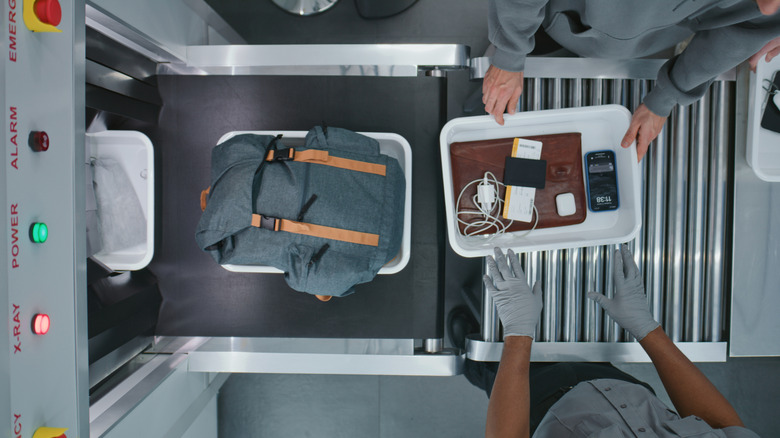
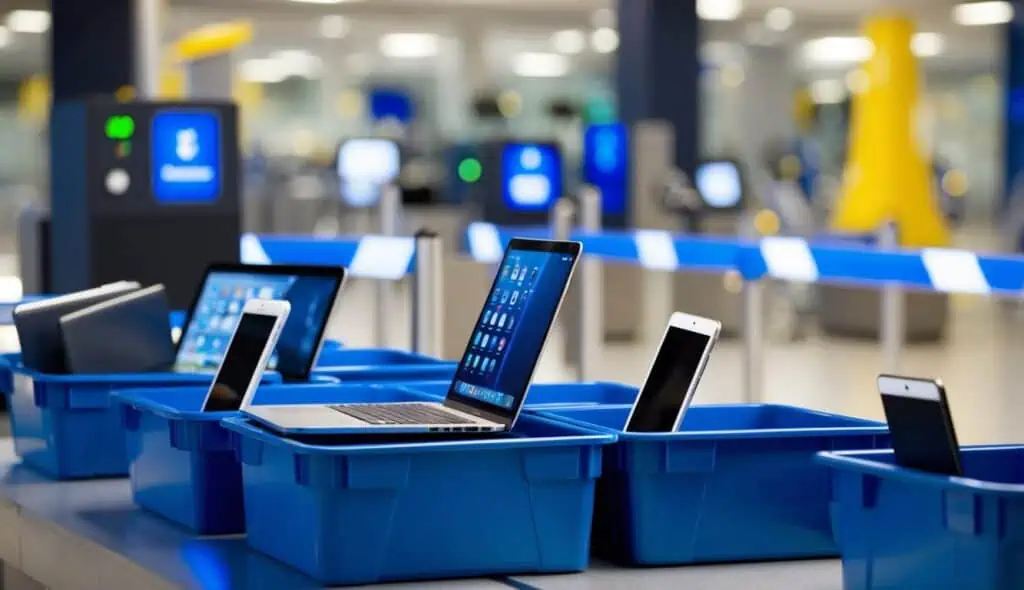
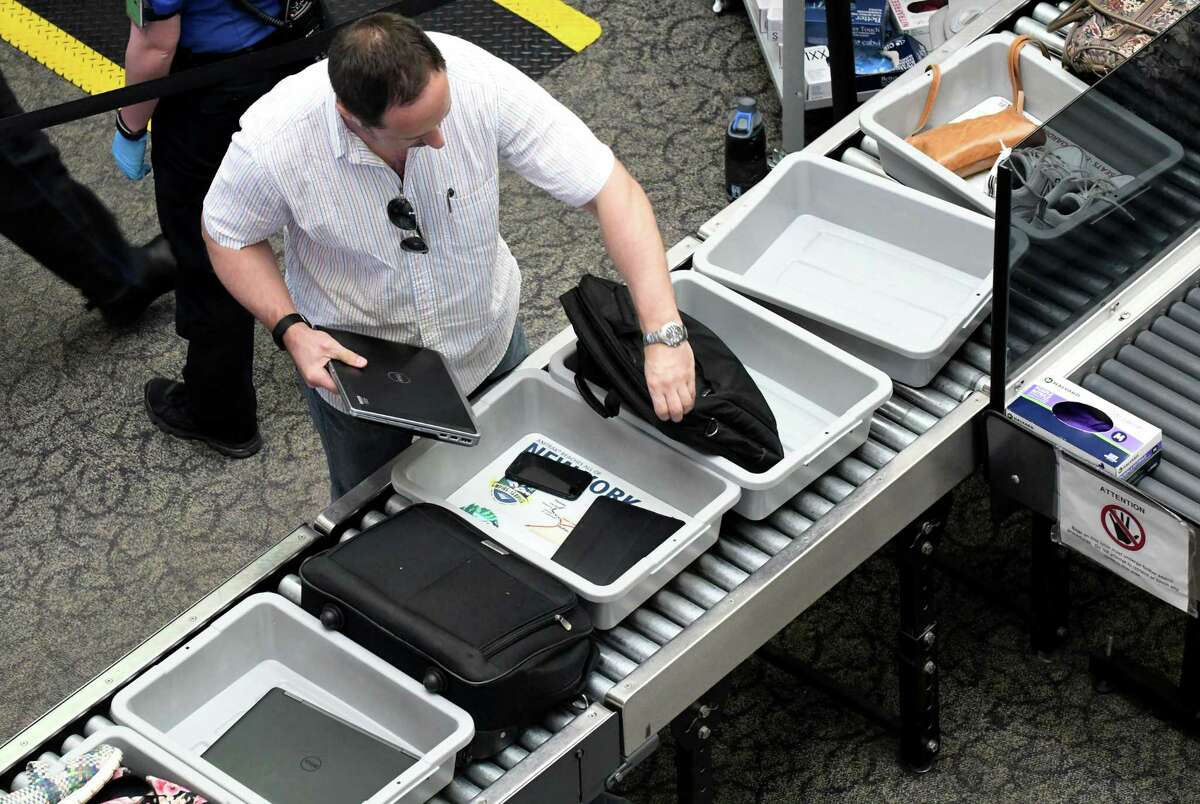
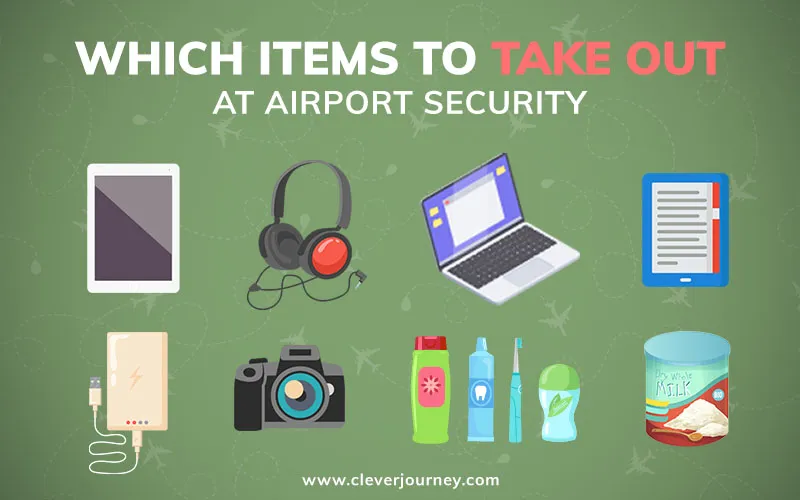
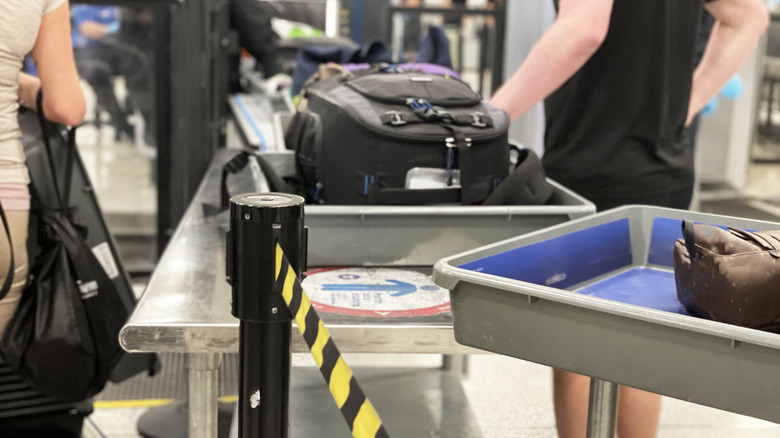
When you're going through security, the TSA agent will ask you to remove any larger electronic devices from your carry-on bag and place them in a separate bin. This includes things like laptops, tablets, and gaming consoles, but not your phone or smaller devices like smartwatches or fitness trackers.The reason for this is that the TSA uses X-ray machines to screen your carry-on bags, and larger electronics can obstruct the view of the X-ray machine, making it harder for the agent to see if there's anything suspicious in your bag. By removing these devices, the agent can get a clearer view of what's inside. It's all about safety and security, folks!
Must Read
Now, you might be thinking, "But what about my phone and other small devices? Do I have to take those out too?" The answer is no, you don't have to remove those from your bag. The TSA is only concerned with larger electronics that could potentially hide something, so your phone, smartwatch, and headphones are all good to stay put.
It's always a good idea to check with the TSA website for the most up-to-date information on what you can and can't bring through security. The rules can change, and you don't want to get caught off guard. But in general, if you're traveling with larger electronics, just be prepared to remove them from your bag and place them in a separate bin.
One thing to keep in mind is that some electronics might be subject to additional screening. If you have a laptop or tablet with a protective case or battery pack, you might be asked to remove it so the agent can take a closer look. Don't worry, this is just a precautionary measure to ensure everyone's safety.
TSA agents are trained to handle all sorts of electronics and gadgets, so don't be afraid to ask if you're unsure about something. They're there to help, and they want to make sure you get to your gate on time. Just remember to be patient and cooperative, and you'll be through security in no time.
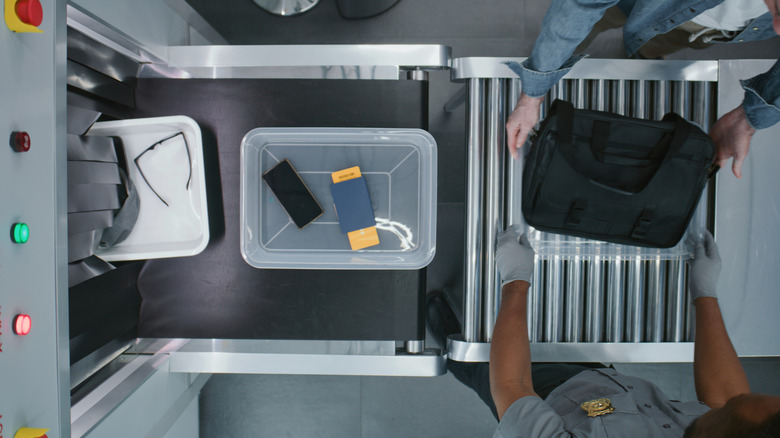
So, to sum it up, when it comes to electronics and the TSA, just be prepared to remove any larger devices from your carry-on bag and place them in a separate bin. It's a simple step that helps keep everyone safe and secure. And if you're ever unsure about what to do, just ask a TSA agent – they're there to help.
In conclusion, navigating TSA rules for electronics is easier than you think. By following these simple guidelines, you can breeze through security and get on with your journey. Whether you're a seasoned traveler or just starting out, it's always a good idea to stay informed and plan ahead.
As you make your way through the airport, you might notice that some airlines and airports have special lanes for pre-checked or TSA Precheck passengers. These lanes are designed to speed up the security process for low-risk travelers, and they can be a huge time-saver. If you're a frequent flyer, it might be worth looking into TSA Precheck or Global Entry to make your travels even smoother.
And there you have it – a quick rundown of TSA rules for electronics. By being prepared and informed, you can avoid any hiccups at security and get on with your journey. Whether you're heading out on a business trip or a family vacation, it's always exciting to explore new destinations and experience new things.
So, the next time you're at the airport, take a moment to appreciate the hard work of TSA agents and the importance of security measures. It's all about keeping us safe and secure, and that's something we can all get behind. Happy travels, everyone!