Do You Have To Pull Out With A Condom
When it comes to sex education, there are a lot of misconceptions and myths floating around. One of the most common questions people have is whether you have to pull out when using a condom. The short answer is no, you don't have to pull out, but let's dive deeper into the conversation.
In the heat of the moment, it can be easy to get caught up in the passion and forget about the protective measures. However, using a condom is one of the most effective ways to prevent STDs and unplanned pregnancies. By choosing to use a condom, you're already taking a huge step in the right direction.
How Condoms Work
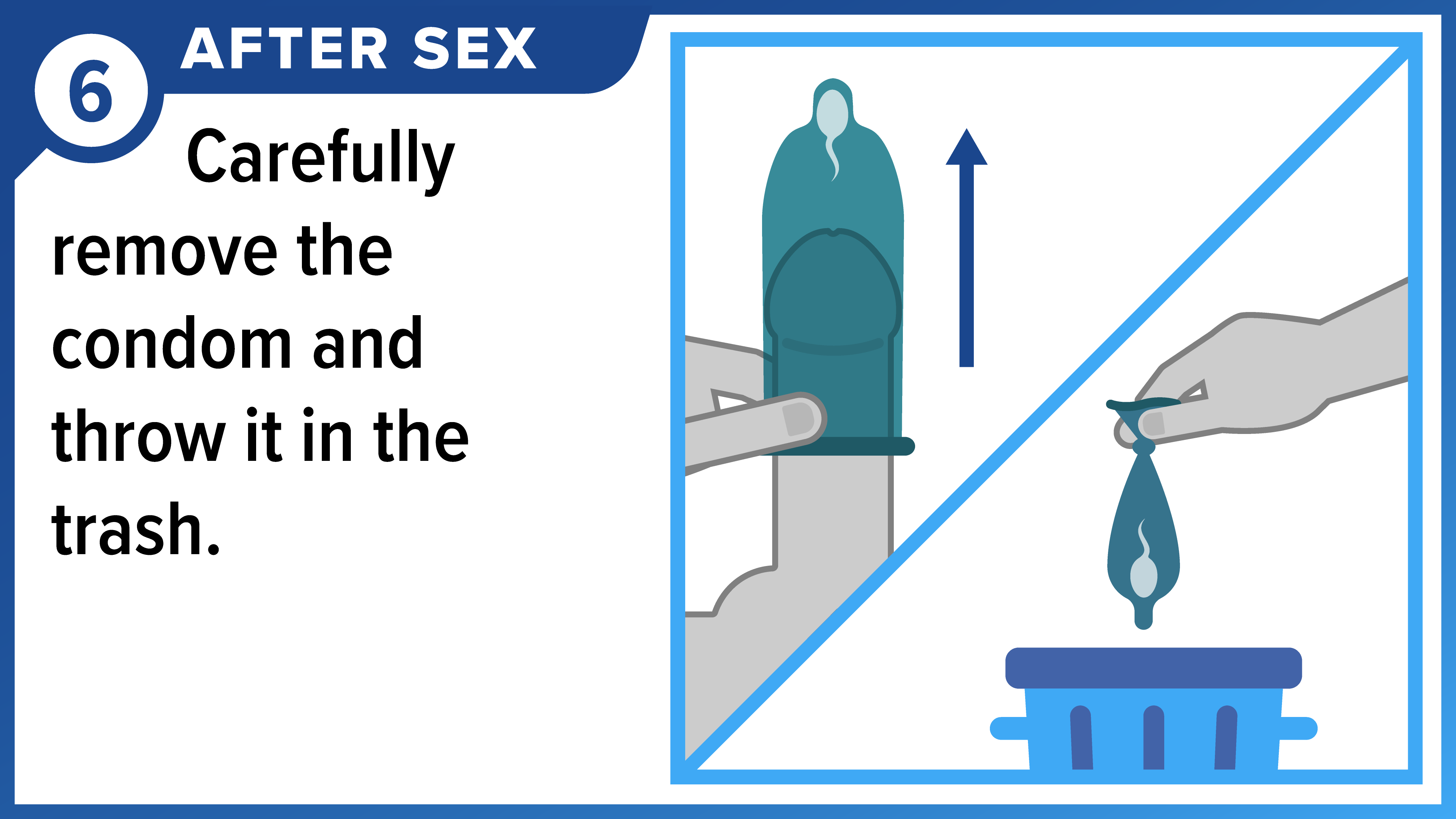
Condoms work by creating a barrier between the penis and the vagina, preventing the exchange of bodily fluids. This means that even if you don't pull out, the condom will still do its job and prevent pregnancy and the transmission of STDs. It's essential to remember that condoms are not foolproof, and there's always a small chance of condom failure.
Must Read
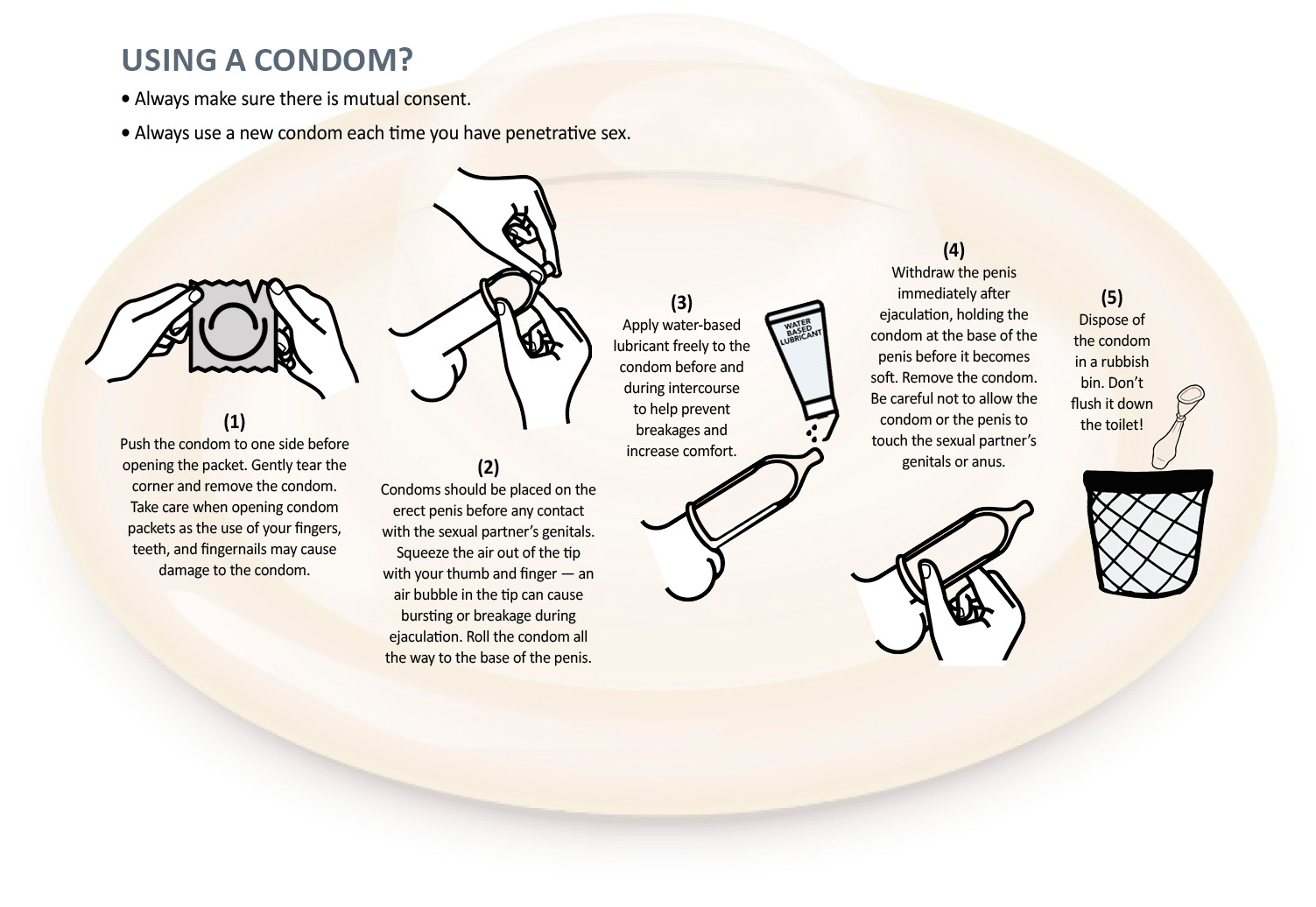
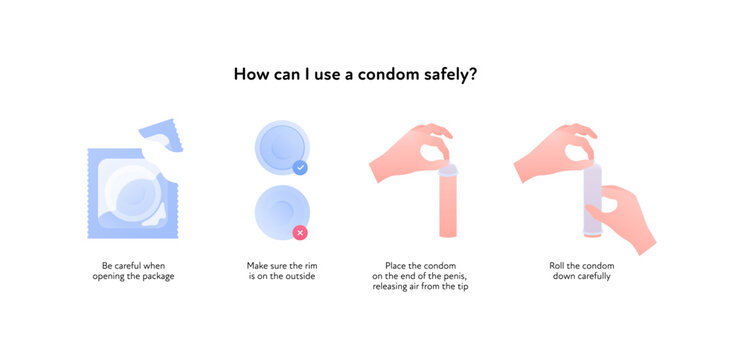
Using a condom correctly is crucial to its effectiveness. This means putting it on correctly, checking for any damage, and avoiding oil-based lubricants. By following these simple steps, you can minimize the risk of condom failure and stay protected.
The Pull-Out Method
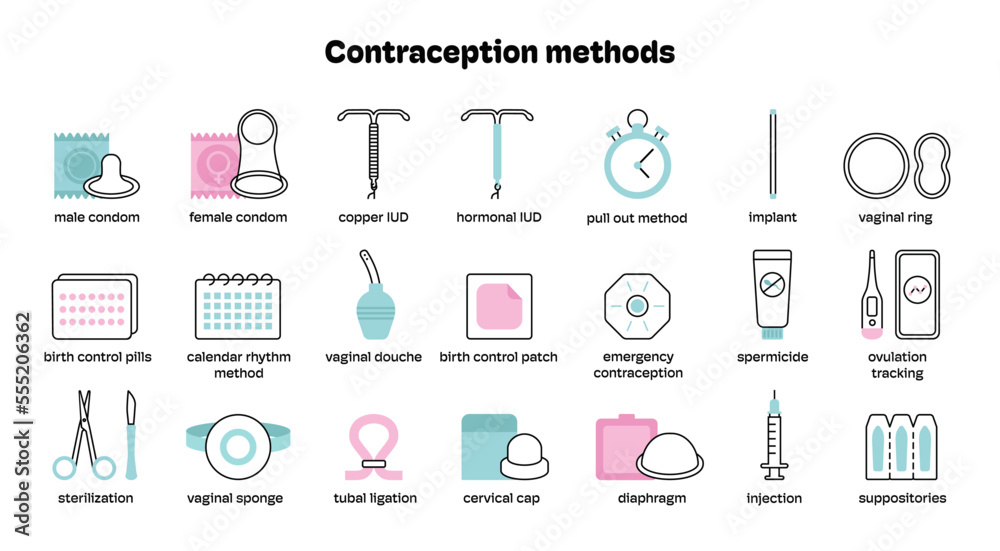
The pull-out method, also known as the withdrawal method, involves pulling the penis out of the vagina before ejaculation. While this method may seem like a viable option, it's not a reliable form of birth control. In fact, studies have shown that the pull-out method can result in a high pregnancy rate, making it a less desirable option.
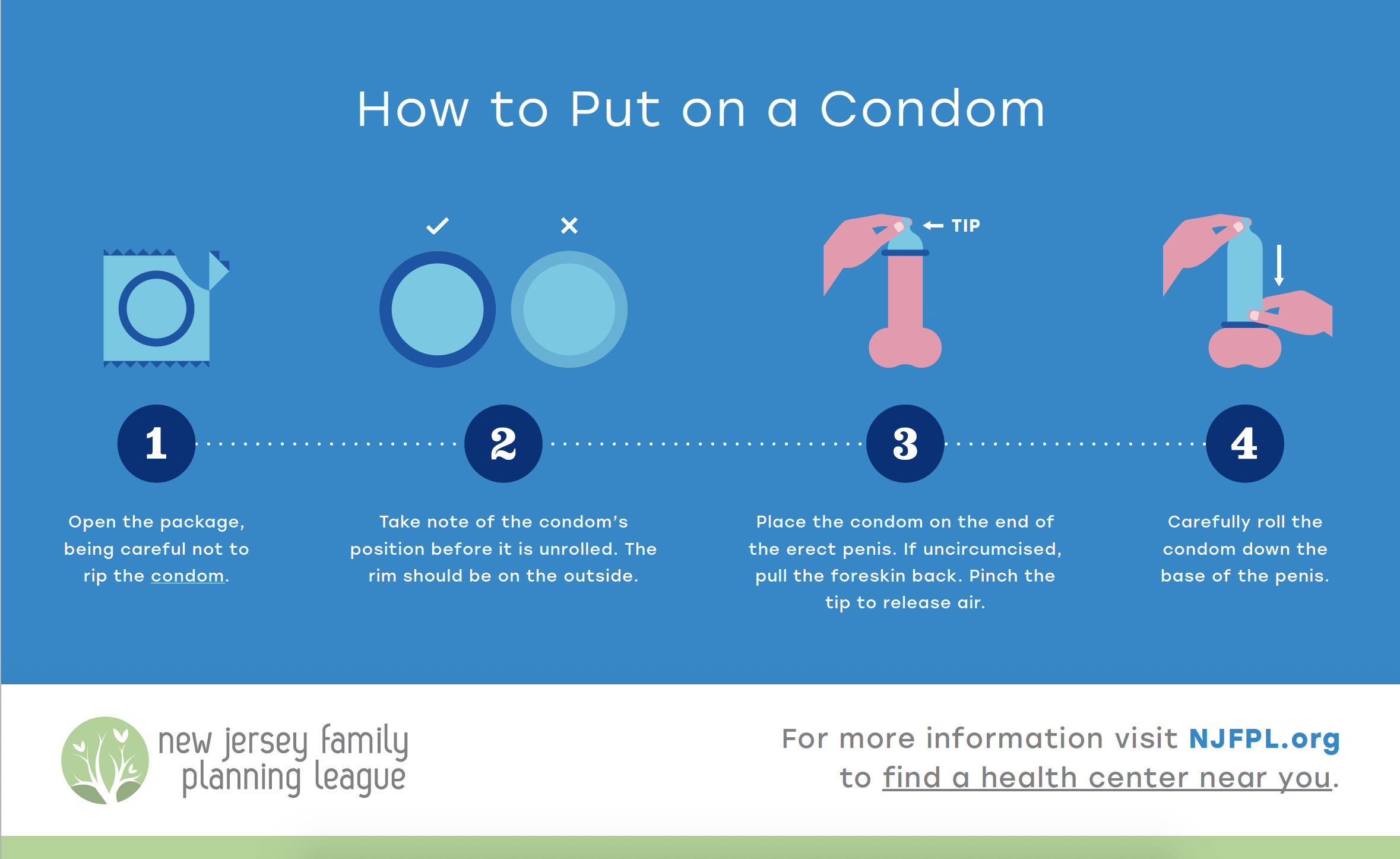
In popular culture, the pull-out method has been referenced in numerous TV shows and movies, often as a humorous or dramatic plot device. However, in real life, it's essential to prioritize safe sex practices and use proven methods of birth control. By doing so, you can enjoy a healthy and fulfilling sex life while minimizing the risks.
Practical Tips
So, what can you do to make condom use more effective and enjoyable? First, communicate with your partner about your desires and boundaries. Second, choose the right condom size to ensure a comfortable and secure fit. Finally, practice makes perfect, so don't be discouraged if it takes some time to get the hang of using condoms.

In addition to these tips, it's essential to stay informed about the latest developments in sex education and birth control. This includes staying up-to-date on STD prevention and understanding the different types of condoms available. By being knowledgeable and prepared, you can take control of your sexual health and make informed decisions.
Cultural References
In the world of music and art, condoms have been referenced in numerous songs and works of art. From rappers like Lil Wayne to artists like Jeff Koons, condoms have been used as a symbol of protection and empowerment. By embracing condoms as a normal part of sex culture, we can work to reduce stigma and promote healthy attitudes towards sex.
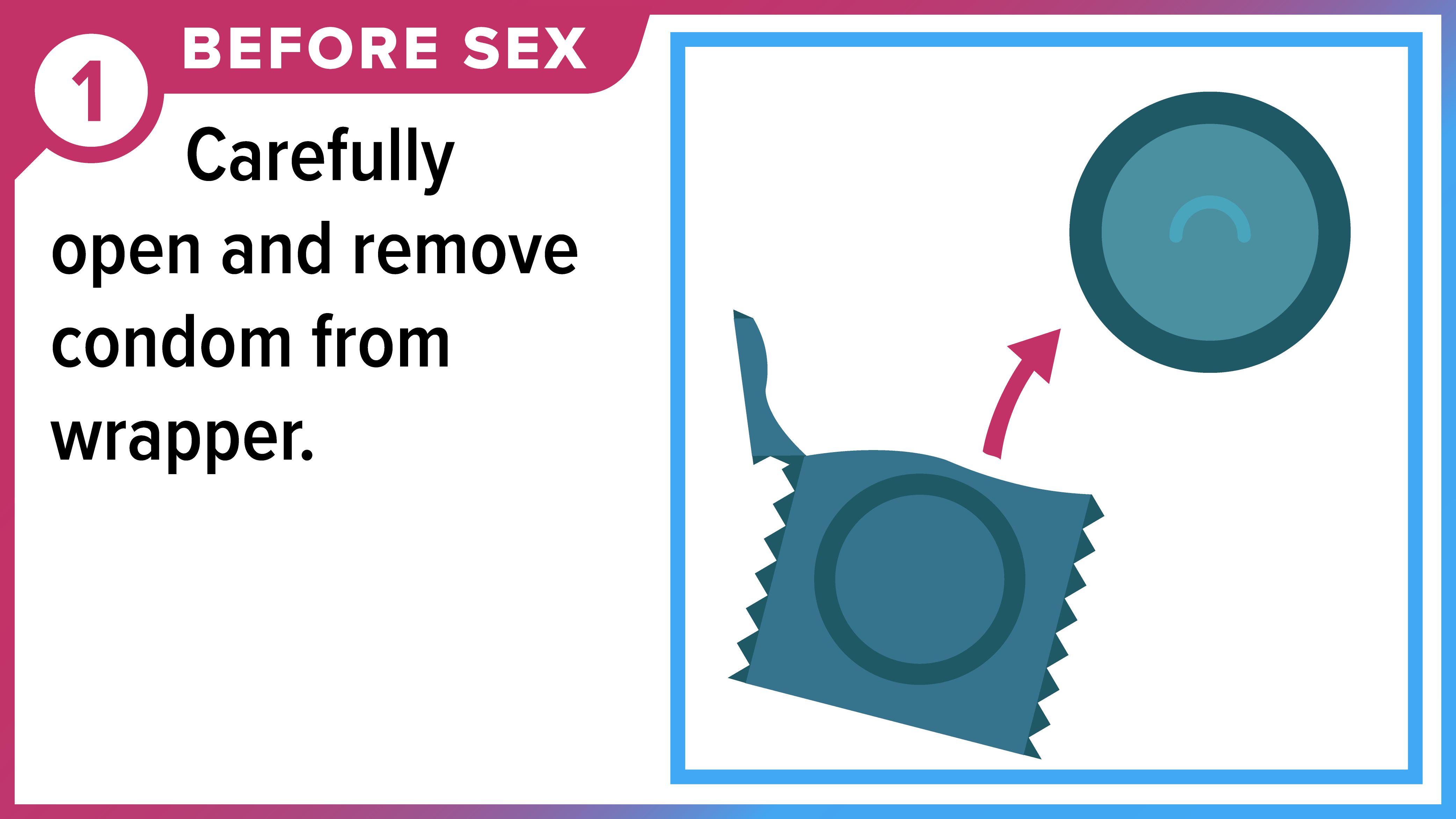
In many cultures, condoms are seen as a taboo topic, and discussing them openly is discouraged. However, by talking openly about condoms and sex education, we can break down these barriers and create a more inclusive and supportive environment. This includes encouraging education and promoting awareness about the importance of safe sex practices.
Fun Facts
Did you know that condoms have been around for thousands of years? The first recorded use of condoms dates back to ancient Egypt and Rome, where they were made from animal intestines and linen. Today, condoms are made from a variety of materials, including latex and polyurethane, and come in a range of sizes and styles.

In addition to their practical uses, condoms have also been used as a symbol of creativity and self-expression. From condom art to condom fashion, people have found innovative ways to use condoms as a medium for artistic expression. By embracing condoms in all their forms, we can work to reduce stigma and promote a more positive attitude towards sex.
Reflection
As we reflect on the importance of condom use and safe sex practices, it's essential to remember that sex is a natural part of life. By prioritizing education and communication, we can create a more inclusive and supportive environment for everyone. Whether you're in a long-term relationship or exploring your options, remember to always prioritize your sexual health and well-being.
In the end, it's all about making informed choices and taking control of your sexual health. By staying informed, communicating with your partner, and using proven methods of birth control, you can enjoy a healthy and fulfilling sex life while minimizing the risks. So, go ahead and take charge of your sexual health – your body (and mind) will thank you!