Do Orgasms Stimulate Your Nervous System
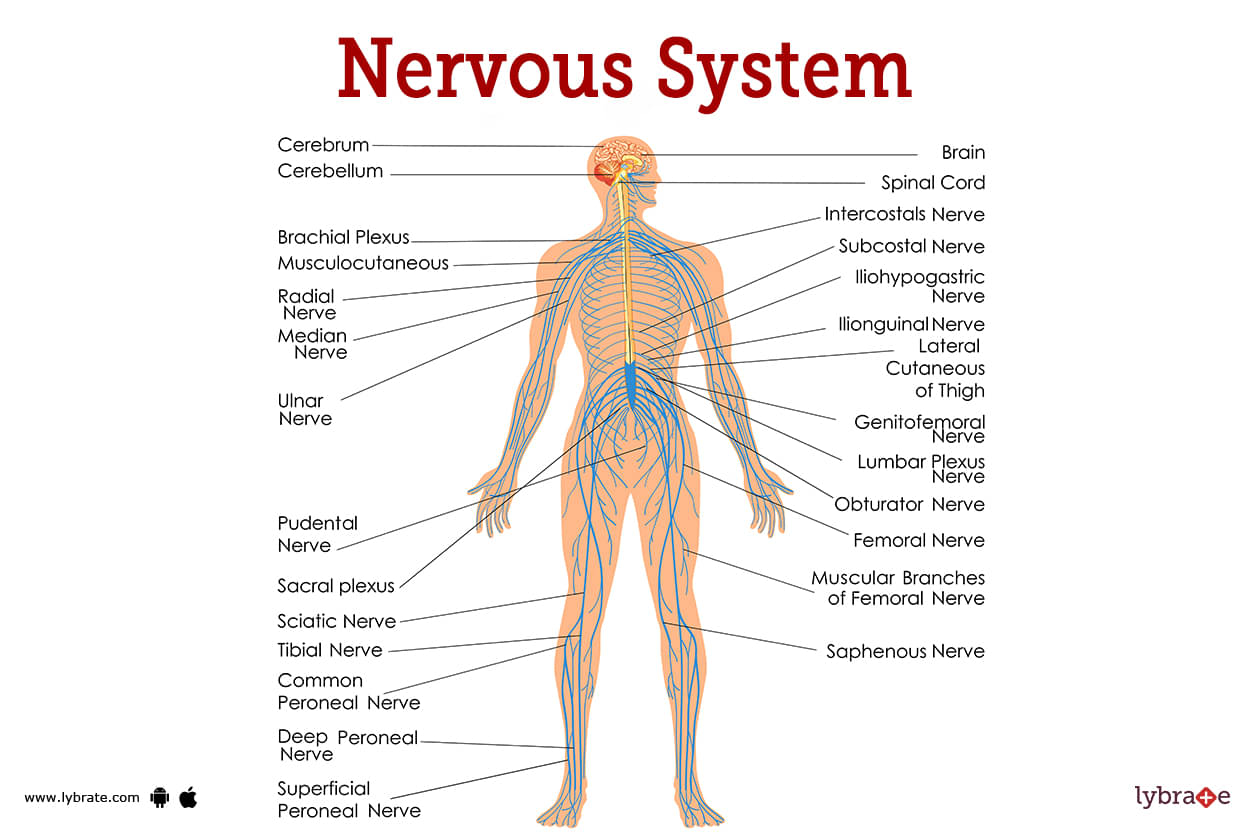
The relationship between orgasms and the nervous system is a complex and intriguing topic that has been explored throughout history. From ancient civilizations to modern times, the concept of orgasm has been shrouded in mystery, with many cultures believing it to possess mystical and spiritual properties. In today's world, we have a deeper understanding of the neurological mechanisms that govern orgasm, and how it affects our nervous system. Orgasms stimulate the nervous system in a multifaceted way, releasing a cocktail of neurotransmitters and hormones that can have a profound impact on our physical and emotional well-being.
The study of orgasms and their effects on the nervous system has a rich history, dating back to the early 20th century. Pioneering researchers such as Sigmund Freud and Wilhelm Reich laid the groundwork for our modern understanding of the topic. Their work, although sometimes controversial, paved the way for a deeper exploration of the complex relationship between the brain, body, and orgasm. Today, we know that orgasms can have a profound impact on our mental and physical health, from reducing stress and anxiety to boosting our immune system and overall sense of well-being.
Unraveling the Mystery
One of the most fascinating aspects of orgasm is its ability to stimulate the brain's reward centers, releasing a rush of dopamine and endorphins that can create feelings of intense pleasure and relaxation. This process is often referred to as the "orgasmic response", and is characterized by a unique pattern of brain activity that can be observed using advanced neuroimaging techniques. During orgasm, the brain's default mode network is activated, allowing us to enter a state of deep relaxation and disconnection from the outside world.
Must Read
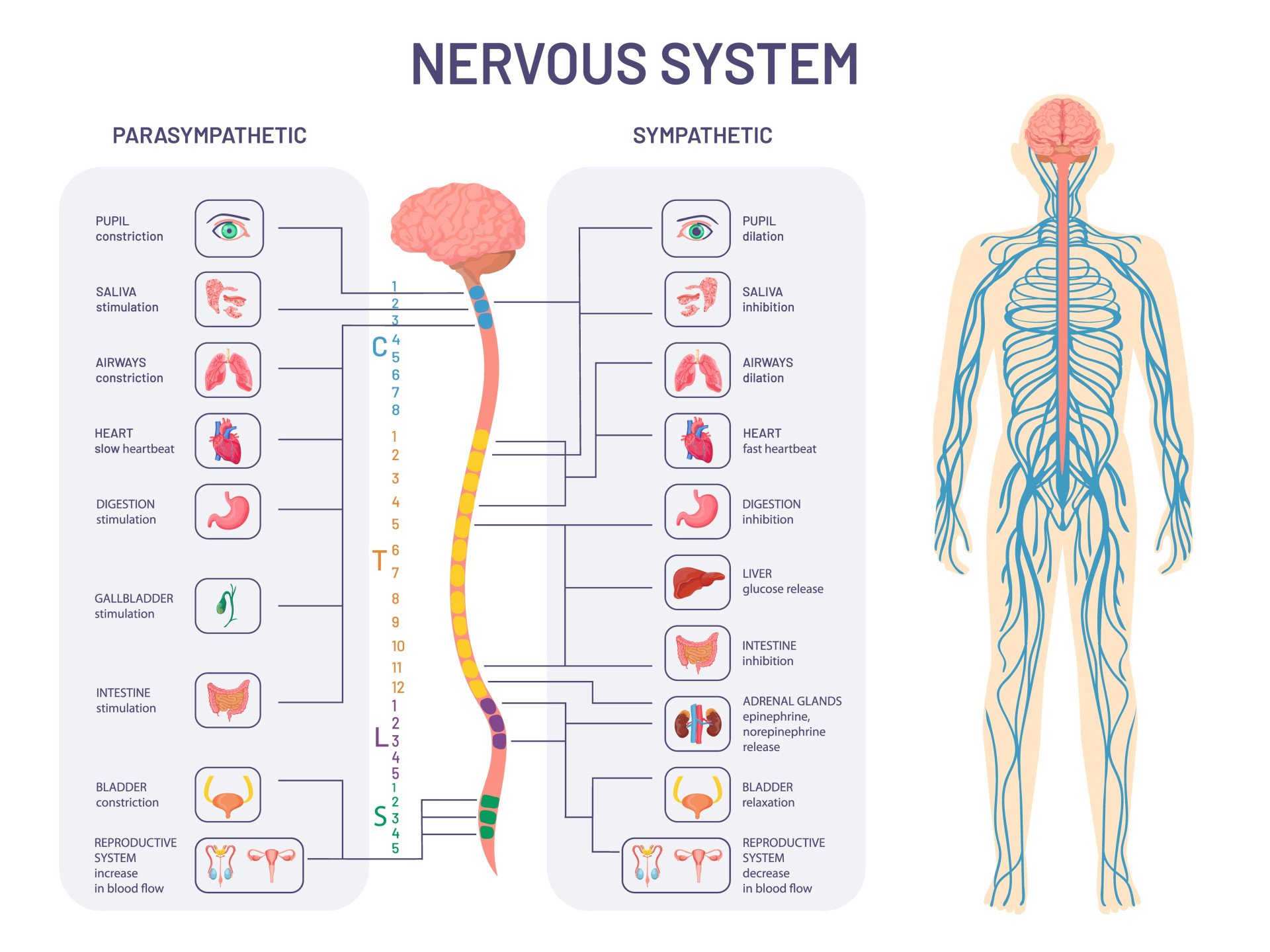
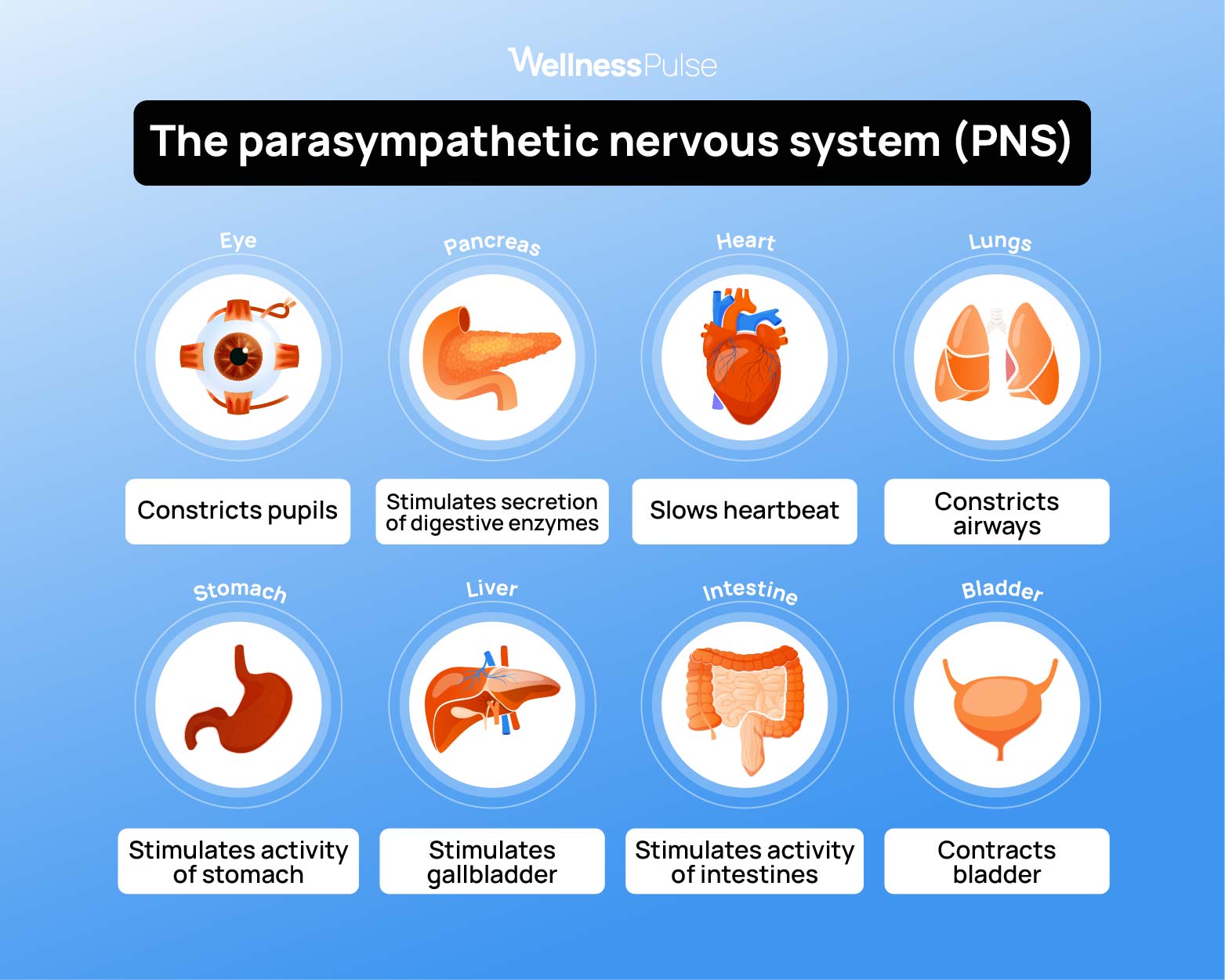
In addition to its effects on the brain, orgasm also has a profound impact on the autonomic nervous system. The autonomic nervous system, which regulates our body's automatic functions such as heart rate and blood pressure, is divided into two branches: the sympathetic and parasympathetic nervous systems. During orgasm, the parasympathetic nervous system is activated, promoting relaxation and reducing stress and anxiety. This can have a range of benefits, from lowering blood pressure to reducing inflammation and improving overall cardiovascular health.
The cultural significance of orgasm is also worth exploring, as it reflects our society's values and attitudes towards sex, relationships, and human intimacy. In many cultures, orgasm is seen as a taboo topic, with discussions around it often being shrouded in secrecy and misinformation. However, by embracing a more open and honest approach to discussing orgasm, we can work towards promoting healthier attitudes towards sex and improving our overall well-being. Whether through tantric practices or sex-positive education, there are many ways to cultivate a deeper understanding and appreciation of the complex and multifaceted nature of human orgasm.
Real-Life Applications
So, how can we apply our understanding of orgasm and the nervous system to our daily lives? One approach is to practice mindful sex, focusing on the present moment and letting go of distractions and anxiety. This can help to enhance the orgasmic experience, promoting deeper relaxation and connection with our partner. Another approach is to incorporate orgasmic meditation into our daily routine, using techniques such as focus on the breath or progressive muscle relaxation to cultivate a deeper sense of calm and well-being.
:max_bytes(150000):strip_icc()/ParasympatheticNervousSystemPSNS-v1-8992348880a4400aa46680b8113b4433.png)
In addition to its benefits for individuals, the study of orgasm and the nervous system also has broader implications for society. By promoting a deeper understanding of human sexuality and intimacy, we can work towards reducing stigma and shame around sex, and promoting healthier attitudes towards relationships and pleasures. Whether through education and outreach programs or community-based initiatives, there are many ways to promote a more positive and supportive environment for exploring and expressing our sexuality.
For individuals struggling with orgasmic dysfunction or sexual anxiety, there are also a range of strategies and techniques that can help. From cognitive-behavioral therapy to sensate focus exercises, there are many approaches that can help to enhance orgasmic function and promote a healthier and more positive relationship with sex. By working with a qualified therapist or healthcare provider, individuals can develop a personalized plan for addressing their unique needs and concerns.
Finally, the study of orgasm and the nervous system also has implications for our understanding of human evolution and biology. By exploring the neurological and physiological mechanisms that underlie orgasm, we can gain a deeper insight into the complex and multifaceted nature of human sexuality, and how it has evolved over time. Whether through comparative studies of animal behavior or investigations of human brain function, there are many ways to explore the fascinating and complex world of human orgasm.
Frequently Asked Questions
What is the relationship between orgasm and stress relief?
The relationship between orgasm and stress relief is complex and multifaceted. On the one hand, orgasm can be a powerful stress-reliever, promoting deep relaxation and reducing anxiety and tension. On the other hand, stress and anxiety can also interfere with orgasmic function, making it more difficult to achieve orgasm or experience pleasure. By practicing relaxation techniques such as deep breathing or progressive muscle relaxation, individuals can help to reduce stress and promote a healthier and more positive relationship with sex.
In addition to its effects on stress relief, orgasm also has a range of other benefits for our physical and emotional well-being. From boosting our immune system to reducing inflammation and improving overall cardiovascular health, the benefits of orgasm are numerous and well-documented. By prioritizing orgasm and sexual pleasure in our lives, we can work towards promoting a deeper sense of well-being and fulfillment, and cultivating a healthier and more positive relationship with our bodies and ourselves.
Can orgasm be a form of meditation?
Yes, orgasm can be a form of meditation, promoting deep relaxation and focus on the present moment. During orgasm, the brain's default mode network is activated, allowing us to enter a state of deep relaxation and disconnection from the outside world. This can be similar to the experience of meditation, where we focus on the breath or a mantra to cultivate a deeper sense of calm and well-being. By practicing mindful sex and focusing on the present moment, individuals can help to enhance the orgasmic experience and promote a deeper sense of relaxation and connection with their partner.
In addition to its benefits for individuals, the concept of orgasm as a form of meditation also has broader implications for our understanding of human consciousness and spirituality. By exploring the neurological and physiological mechanisms that underlie orgasm, we can gain a deeper insight into the complex and multifaceted nature of human experience, and how it relates to our sense of self and connection with the world around us. Whether through tantric practices or sex-positive education, there are many ways to cultivate a deeper understanding and appreciation of the complex and multifaceted nature of human orgasm.
How can I enhance my orgasmic experience?
There are many ways to enhance the orgasmic experience, from practicing mindful sex to incorporating new techniques and positions into our repertoire. One approach is to focus on the breath, using deep breathing exercises to cultivate a deeper sense of relaxation and connection with our partner. Another approach is to experiment with new sensations and textures, using sensate focus exercises or erogenous zone mapping to explore new areas of pleasure and intimacy.

In addition to its benefits for individuals, the study of orgasm and the nervous system also has broader implications for our understanding of human relationships and intimacy. By promoting a deeper understanding of human sexuality and intimacy, we can work towards reducing stigma and shame around sex, and promoting healthier attitudes towards relationships and pleasures. Whether through education and outreach programs or community-based initiatives, there are many ways to promote a more positive and supportive environment for exploring and expressing our sexuality.
Can orgasm be addictive?
Yes, orgasm can be addictive, as it activates the brain's reward centers and releases a rush of dopamine and endorphins. This can create a cycle of craving and dependency, where individuals become increasingly focused on achieving orgasm and experiencing pleasure. However, orgasm addiction is a complex issue, and can have a range of underlying causes and contributing factors. By working with a qualified therapist or healthcare provider, individuals can develop a personalized plan for addressing their unique needs and concerns, and promoting a healthier and more positive relationship with sex.
In addition to its effects on individuals, the concept of orgasm addiction also has broader implications for our understanding of human behavior and psychology. By exploring the neurological and physiological mechanisms that underlie orgasm, we can gain a deeper insight into the complex and multifaceted nature of human experience, and how it relates to our sense of self and connection with the world around us. Whether through cognitive-behavioral therapy or sex-positive education, there are many ways to cultivate a deeper understanding and appreciation of the complex and multifaceted nature of human orgasm.
How can I talk to my partner about orgasm and sexual pleasure?
Talking to our partner about orgasm and sexual pleasure can be a challenging but ultimately rewarding experience. One approach is to start with open and honest communication, using active listening skills and empathy to create a safe and supportive environment for discussion. Another approach is to focus on mutual pleasure and intimacy, using sensate focus exercises or erogenous zone mapping to explore new areas of pleasure and connection.

In addition to its benefits for individuals, the study of orgasm and the nervous system also has broader implications for our understanding of human relationships and intimacy. By promoting a deeper understanding of human sexuality and intimacy, we can work towards reducing stigma and shame around sex, and promoting healthier attitudes towards relationships and pleasures. Whether through education and outreach programs or community-based initiatives, there are many ways to promote a more positive and supportive environment for exploring and expressing our sexuality.
The connection between orgasm and the nervous system is a complex and multifaceted topic that reflects our society's values and attitudes towards sex, relationships, and human intimacy. By embracing a more open and honest approach to discussing orgasm, we can work towards promoting healthier attitudes towards sex and improving our overall well-being. Whether through tantric practices or sex-positive education, there are many ways to cultivate a deeper understanding and appreciation of the complex and multifaceted nature of human orgasm.
In our daily lives, the concept of orgasm and the nervous system can have a range of practical implications, from enhancing our relationships to promoting overall health and well-being. By prioritizing orgasm and sexual pleasure, we can work towards cultivating a deeper sense of connection and intimacy with our partner, and promoting a healthier and more positive relationship with our bodies and ourselves. Whether through mindful sex or orgasmic meditation, there are many ways to apply our understanding of orgasm and the nervous system to our daily lives, and promote a deeper sense of well-being and fulfillment.
Ultimately, the study of orgasm and the nervous system reflects our fundamental human desire for connection, intimacy, and pleasure. By exploring the complex and multifaceted nature of human orgasm, we can gain a deeper insight into the human experience, and cultivate a more positive and supportive environment for exploring and expressing our sexuality. Whether through education and outreach programs or community-based initiatives, there are many ways to promote a more open and honest approach to discussing orgasm, and work towards promoting healthier attitudes towards sex and improving our overall well-being.