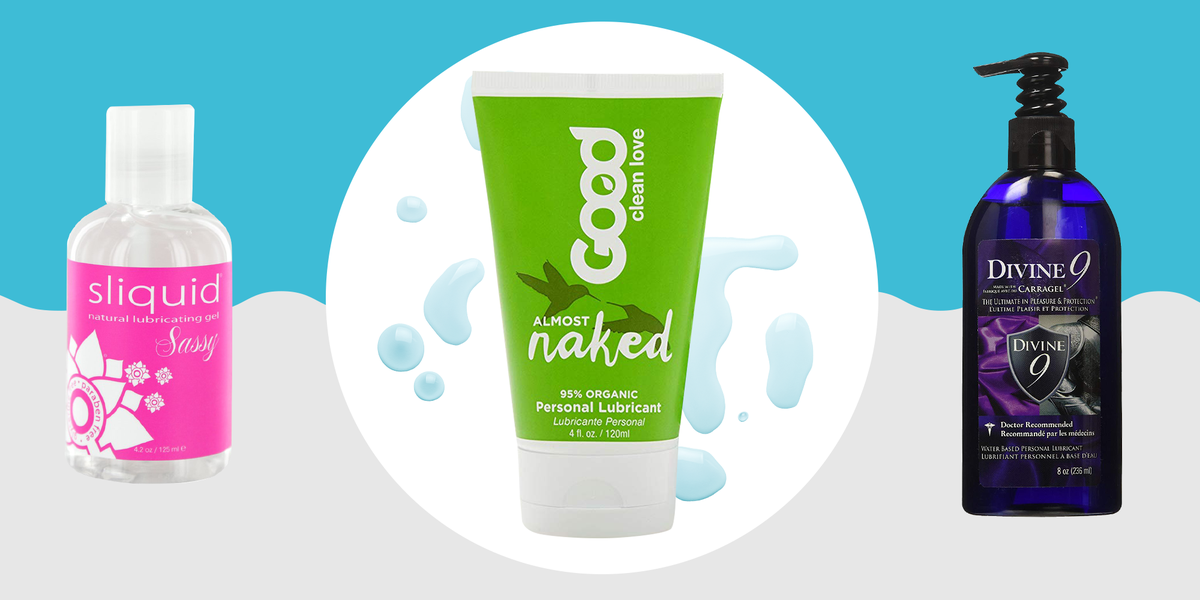
Diy Water Based Personal Lubricant
When it comes to personal lubricants, many of us rely on commercial products without giving much thought to their ingredients or how they might affect our bodies. However, with the rise of DIY culture and a growing interest in natural and sustainable living, making your own water-based personal lubricant at home has become an increasingly popular option. But what exactly is involved in creating such a product, and how can we ensure it is both effective and safe to use? To answer these questions, we first need to understand the core mechanics of water-based lubricants and how they interact with our skin and other tissues.
The basic principle behind water-based lubricants is the use of a combination of water, thickeners (such as carbomer or cellulose derivatives), and sometimes preservatives to create a smooth, slippery texture that can reduce friction and enhance comfort during intimate activities. Unlike oil-based lubricants, which can be comedogenic (pore-clogging) and may not be compatible with certain types of sex toys or condoms, water-based lubricants are generally considered safe for use with a wide range of materials and are less likely to cause skin irritation.
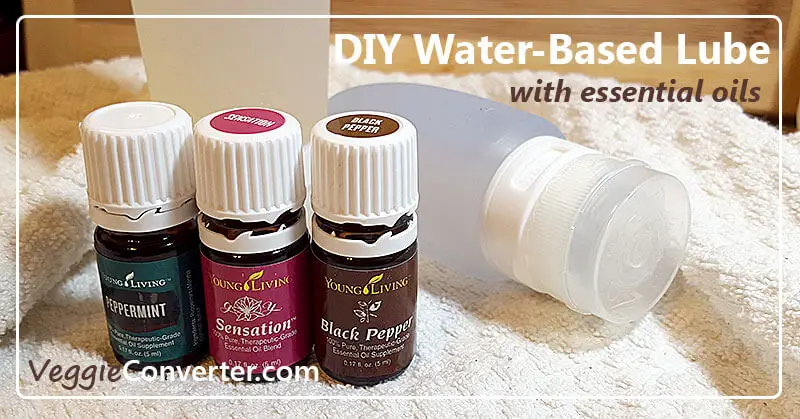
Another key aspect of DIY water-based personal lubricants is the choice of ingredients. While commercial products may contain a variety of additives, including fragrances, colorants, and humectants like glycerin, homemade versions can be tailored to the individual's preferences and needs. For example, some people may prefer to use aloe vera or chamomile for their soothing and anti-inflammatory properties, while others might opt for tea tree oil for its antimicrobial effects. By understanding the functions and potential interactions of these different components, we can begin to craft our own customized lubricant formulas that meet our unique requirements and priorities.
The Science Behind Lubrication
Delving deeper into the biology and chemistry of lubrication, it becomes clear that the effectiveness of a water-based personal lubricant depends on a complex interplay of factors, including the pH level of the skin, the viscosity of the lubricant, and the presence of microorganisms like bacteria and yeast. The skin's natural pH, which tends to be slightly acidic, can affect the stability and performance of the lubricant, while the viscosity determines how easily it spreads and lasts during use. Moreover, the antimicrobial properties of certain ingredients can help prevent the growth of unwanted microorganisms, which can cause infections or other complications.
In terms of the actual biology of lubrication, the process involves the reduction of friction between moving surfaces, in this case, the skin and other tissues. When two surfaces are in contact, they tend to generate heat and cause wear and tear, which can lead to discomfort, injury, or even infection. By introducing a lubricating layer, we can significantly reduce this friction, allowing for smoother movement and minimizing the risk of adverse effects. Furthermore, the use of lubricants can also facilitate the maintenance of healthy mucous membranes, which are essential for protecting against pathogens and supporting the overall well-being of the genital and anal areas.
From a chemical perspective, water-based lubricants typically employ a combination of polymers and surfactants to achieve their desired properties. Polymers, such as polyethylene glycol (PEG) or polypropylene glycol (PPG), provide the lubricant's backbone, determining its viscosity and texture, while surfactants, like sodium lauryl sulfate (SLS), help to reduce surface tension and enhance spreadability. By carefully selecting and balancing these components, we can create a lubricant that is not only effective but also gentle on the skin and compatible with various materials and applications.
Optimizing Your DIY Lubricant
To create an optimal DIY water-based personal lubricant, it is essential to follow a few key principles and guidelines. Firstly, choose your ingredients wisely, taking into account any sensitivities, allergies, or preferences you may have. Secondly, use a balanced formula that combines the right amounts of water, thickeners, and preservatives to achieve the desired consistency and performance. Thirdly, test and adjust your lubricant as needed, making sure it meets your standards for comfort, efficacy, and safety.
One practical strategy for optimizing your DIY lubricant is to start with a simple recipe and gradually modify it based on your experience and feedback. This might involve beginning with a basic mixture of water and a thickener like carbomer, and then adding other ingredients like aloe vera or chamomile to enhance its soothing and anti-inflammatory properties. By taking a systematic and iterative approach, you can refine your formula over time and develop a lubricant that perfectly suits your needs and preferences.
Another key aspect of optimizing your DIY lubricant is paying attention to pH levels. As mentioned earlier, the skin's natural pH can affect the stability and performance of the lubricant, so it is crucial to select ingredients that are compatible with the skin's slightly acidic environment. This might involve using pH buffers like trisodium citrate or citric acid to maintain a stable pH range, or choosing ingredients that are naturally pH-balanced, such as aloe vera or green tea.
In addition to these strategies, it is also important to consider the role of preservatives in your DIY lubricant. While some commercial products may contain a range of preservatives, including parabens and formaldehyde-releasing agents, homemade versions can often get by with more natural alternatives like tea tree oil or grapefruit seed extract. By carefully selecting and using preservatives, you can help extend the shelf life of your lubricant and prevent the growth of unwanted microorganisms.
Frequently Asked Questions
What are the benefits of using a DIY water-based personal lubricant?
The benefits of using a DIY water-based personal lubricant are numerous and significant. By creating your own lubricant at home, you can tailor the formula to your unique needs and preferences, avoiding any ingredients that may cause irritation or allergic reactions. Additionally, DIY lubricants can be more cost-effective than commercial products, especially if you purchase ingredients in bulk or use materials you already have on hand. Perhaps most importantly, making your own lubricant allows you to take control of your sexual health, ensuring that the products you use are safe, effective, and aligned with your values and priorities.

Another advantage of DIY water-based personal lubricants is the ability to avoid potentially harmful ingredients that are often found in commercial products. For example, some lubricants may contain glycerin, which can be comedogenic and cause skin irritation in some individuals. By opting for a DIY approach, you can select ingredients that are gentle and non-irritating, reducing the risk of adverse effects and promoting overall well-being. Furthermore, the process of creating your own lubricant can be empowering and educational, helping you develop a deeper understanding of your body and its needs.
How do I choose the right ingredients for my DIY lubricant?
Choosing the right ingredients for your DIY lubricant involves considering a range of factors, including your skin type, , and preferences. If you have sensitive skin, you may want to opt for hypoallergenic ingredients like aloe vera or chamomile, which are known for their soothing and anti-inflammatory properties. On the other hand, if you are looking for a more intensive lubricant, you might consider using ingredients like silica or quaternium-15, which can provide a higher level of protection and durability.
In addition to these considerations, it is also important to research the safety and efficacy of any ingredients you plan to use. This might involve consulting with a healthcare professional, reading scientific studies, or seeking out reviews and testimonials from other users. By taking a thorough and informed approach, you can ensure that your DIY lubricant is not only effective but also safe and gentle on your skin. Moreover, you can avoid ingredients that may cause interactions with other products or medications, reducing the risk of adverse effects and promoting overall well-being.
Can I use my DIY lubricant with sex toys and condoms?
In general, DIY water-based personal lubricants can be used with a wide range of sex toys and condoms, provided you follow certain guidelines and precautions. Firstly, it is essential to choose a lubricant that is compatible with the materials used in your sex toys and condoms. For example, if you are using a latex condom, you should avoid lubricants that contain oil or petroleum-based ingredients, as these can cause the latex to break down and compromise its effectiveness.
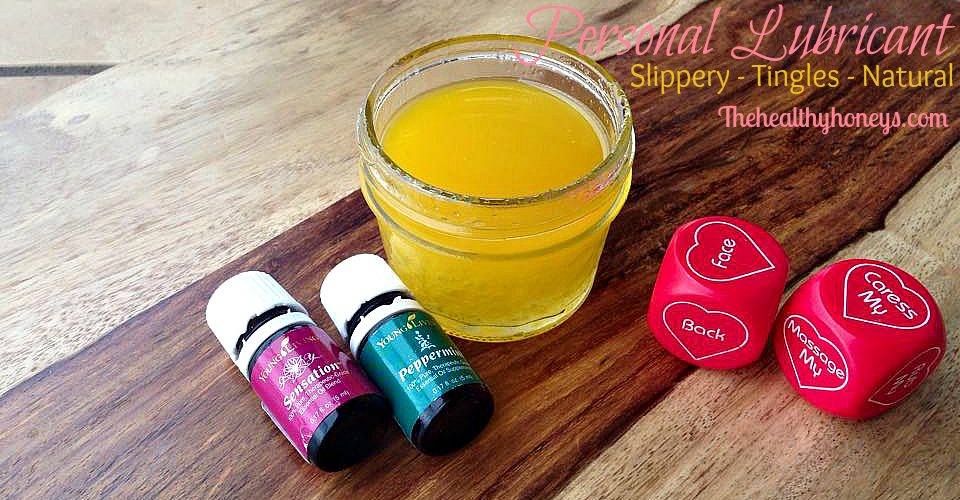
Additionally, you should test your DIY lubricant with your sex toys and condoms before using it in a real-world setting. This might involve applying a small amount of the lubricant to a discrete area of the toy or condom and observing its effects over time. By taking this precautions, you can ensure that your DIY lubricant is safe and effective to use with your sex toys and condoms, and that it does not cause any unwanted interactions or complications.
How long does a DIY lubricant typically last, and how should I store it?
The shelf life of a DIY lubricant can vary depending on the ingredients used, the storage conditions, and the level of preservation. In general, a well-made DIY lubricant can last for several months or even years if stored properly. To extend the shelf life of your DIY lubricant, it is essential to use a clean and sterile environment when preparing the formula, and to store the finished product in a cool, dry place, away from direct sunlight and heat sources.
When it comes to storage, you should use airtight containers that are specifically designed for cosmetics or pharmaceuticals. These containers should be clean and dry before use, and should be labeled and dated to ensure that you can keep track of the lubricant's age and composition. By following these guidelines, you can help preserve the quality and safety of your DIY lubricant, and ensure that it remains effective and enjoyable to use over time.
Can I share my DIY lubricant with my partner or friends?
While it may be tempting to share your DIY lubricant with your partner or friends, it is generally not recommended to do so. Firstly, hygiene and safety are major concerns, as sharing a lubricant can increase the risk of infection or allergic reactions. Secondly, personal preferences and needs can vary widely, and what works for one person may not work for another. By keeping your DIY lubricant to yourself, you can ensure that it remains safe and effective for your own use, and that you are not putting yourself or others at risk of adverse effects.
In addition to these considerations, it is also important to respect the boundaries and autonomy of others. Rather than sharing your DIY lubricant, you might consider sharing your knowledge and expertise with your partner or friends, and encouraging them to create their own customized lubricants that meet their unique needs and preferences. By taking this approach, you can help promote a culture of sexual health and empowerment, and support others in their own journeys of self-discovery and exploration.
How can I troubleshoot issues with my DIY lubricant, such as separation or spoilage?
Troubleshooting issues with your DIY lubricant requires a systematic and thorough approach. If you notice that your lubricant is separating or spoiling, the first step is to check the ingredients and formula for any potential issues or imbalances. This might involve reviewing the recipe and instructions, and making adjustments as needed to ensure that the lubricant is stable and effective.
In addition to these steps, you should also consult with a healthcare professional or expert if you are unsure about how to troubleshoot or resolve issues with your DIY lubricant. They can provide guidance and support to help you identify the root cause of the problem, and develop a plan to address it. By taking a proactive and informed approach, you can resolve issues with your DIY lubricant and ensure that it remains safe and effective for your use.
By respecting the science behind DIY water-based personal lubricants, we can become more empowered and informed individuals, capable of taking control of our own sexual health and well-being. By understanding the complexities of lubrication and the biology of our bodies, we can create customized products that meet our unique needs and preferences, and that promote a culture of safety, efficacy, and pleasure.
In conclusion, the world of DIY water-based personal lubricants is a fascinating and complex one, full of opportunities for exploration, discovery, and growth. By embracing the principles of optimization, biology, and chemistry, we can unlock the full potential of these products, and create a brighter, more fulfilling future for ourselves and others. Whether you are a seasoned enthusiast or just starting out, the journey of creating your own DIY lubricant is a rewarding and educational one, that can help you develop a deeper understanding of your body and its needs.