Difference Between Sadist And Masochism

The world of human psychology is fascinating, and one of the most intriguing aspects is the complex realm of sadism and masochism. These two terms are often used interchangeably, but they have distinct meanings and implications. Understanding the difference between them can provide valuable insights into human behavior and relationships.
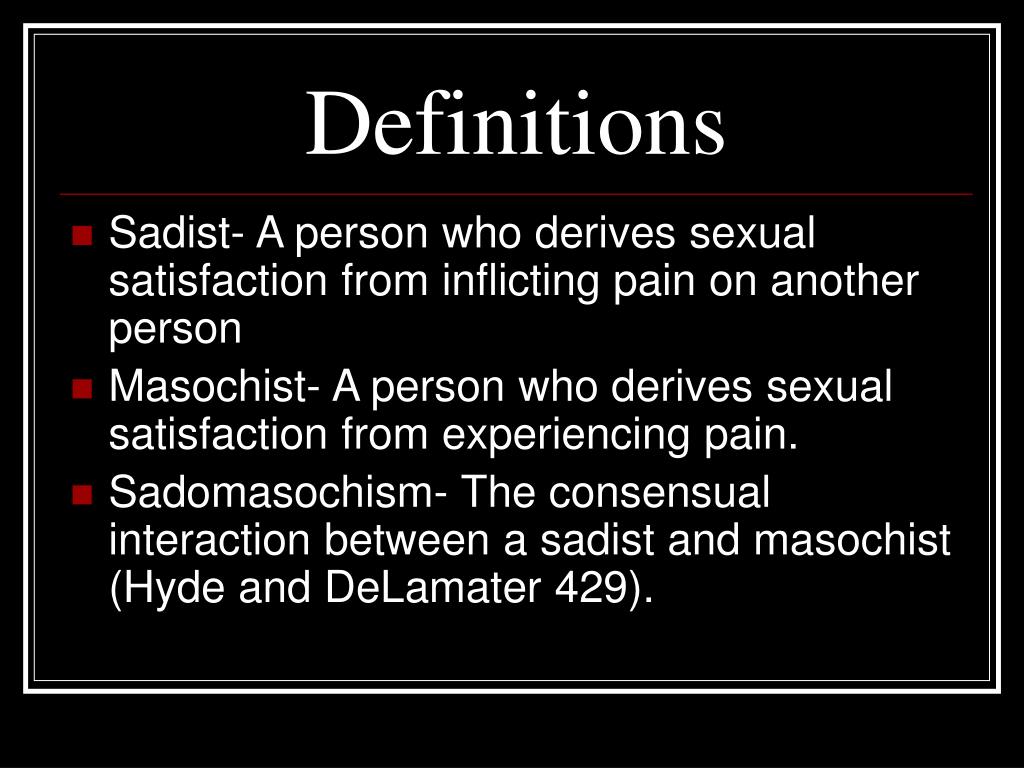
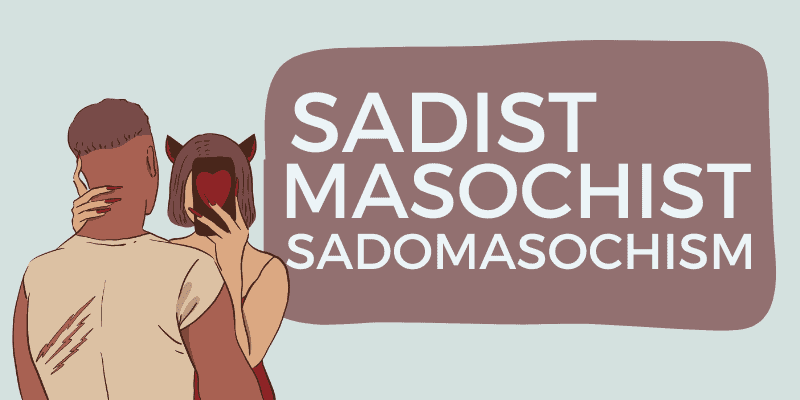
In simple terms, sadism refers to the deriving of pleasure, especially sexual pleasure, from inflicting pain or humiliation on others. On the other hand, masochism is the act of obtaining pleasure, especially sexual pleasure, from one's own pain or humiliation. This fundamental difference highlights the distinct nature of these two concepts.
Origins and Terminology
The terms sadism and masochism originate from the names of two authors: Marquis de Sade and Leopold von Sacher-Masoch. Their writings explored themes of pain, pleasure, and power dynamics, which have since become synonymous with these psychological phenomena. The works of these authors have had a lasting impact on our understanding of human sexuality and behavior.
According to Psychology Today, sadism and masochism are not just limited to sexual contexts, but can also manifest in other areas of life, such as relationships, work, or even hobbies.This broader understanding emphasizes the complexity of human motivations and desires. By recognizing the multifaceted nature of sadism and masochism, we can better appreciate the diversity of human experience.
In the context of BDSM (Bondage, Discipline, Dominance, Submission, Sadism, and Masochism), these terms take on a more specific meaning. BDSM practitioners often engage in consensual activities that involve power exchange, pain, and pleasure. This highlights the importance of communication, consent, and respect in exploring these aspects of human psychology.

Purpose and Benefits
Understanding the difference between sadism and masochism can have several benefits, including improved relationships, enhanced communication, and greater self-awareness. By recognizing the distinct nature of these phenomena, individuals can better navigate their own desires and boundaries, as well as those of their partners. This, in turn, can lead to more fulfilling and healthy relationships.
Sadism and masochism can also serve as a catharsis for some individuals, providing a safe outlet for processing and releasing pent-up emotions. This can be particularly beneficial for those who have experienced trauma or stress, as it allows them to confront and overcome their emotional pain in a controlled environment.

As research continues to shed light on the complexities of human psychology, it is essential to approach these topics with an open mind and a willingness to learn. By doing so, we can work towards creating a more inclusive and accepting society, where individuals feel free to explore their desires and boundaries without fear of judgment or persecution.
The intersection of sadism and masochism with other aspects of human psychology, such as attachment theory and neuroscience, offers a wealth of opportunities for further exploration and discovery.As our understanding of these topics evolves, we may uncover new insights into the human condition, ultimately leading to a more nuanced and compassionate understanding of ourselves and others.
In conclusion, the distinction between sadism and masochism is a vital aspect of human psychology, with implications for our understanding of relationships, behavior, and desires. By embracing this complexity and promoting a culture of acceptance and understanding, we can foster a more inclusive and compassionate society, where individuals can explore their desires and boundaries without fear of judgment or persecution.