Difference Between Kink And Paraphilia

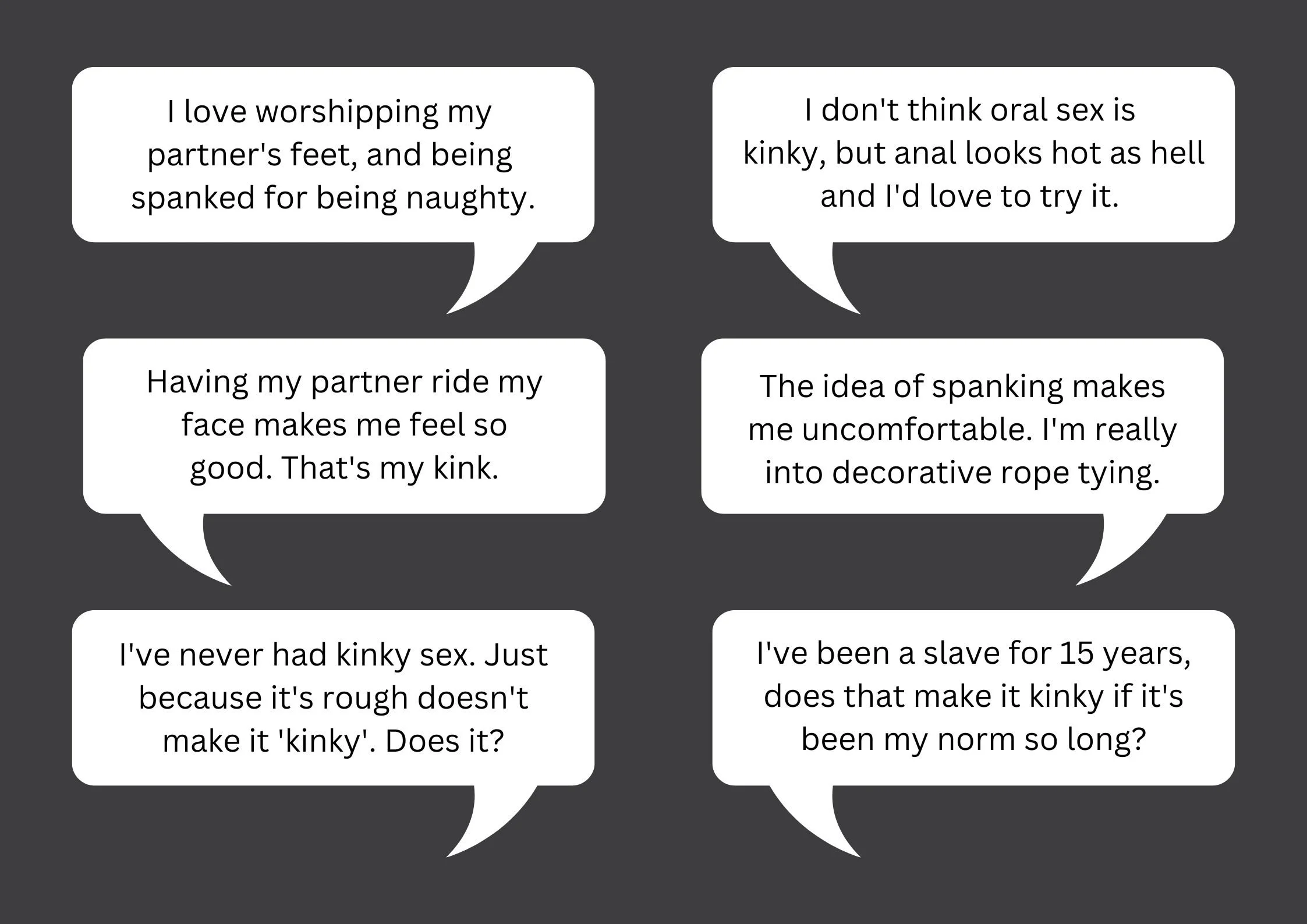
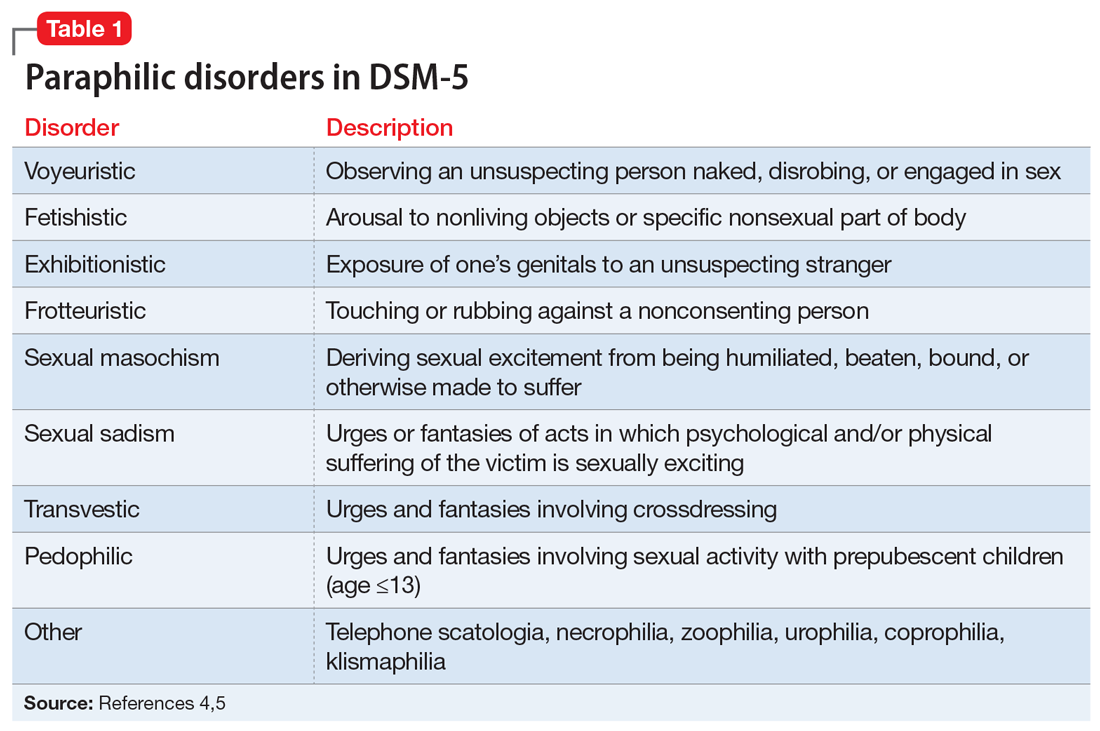
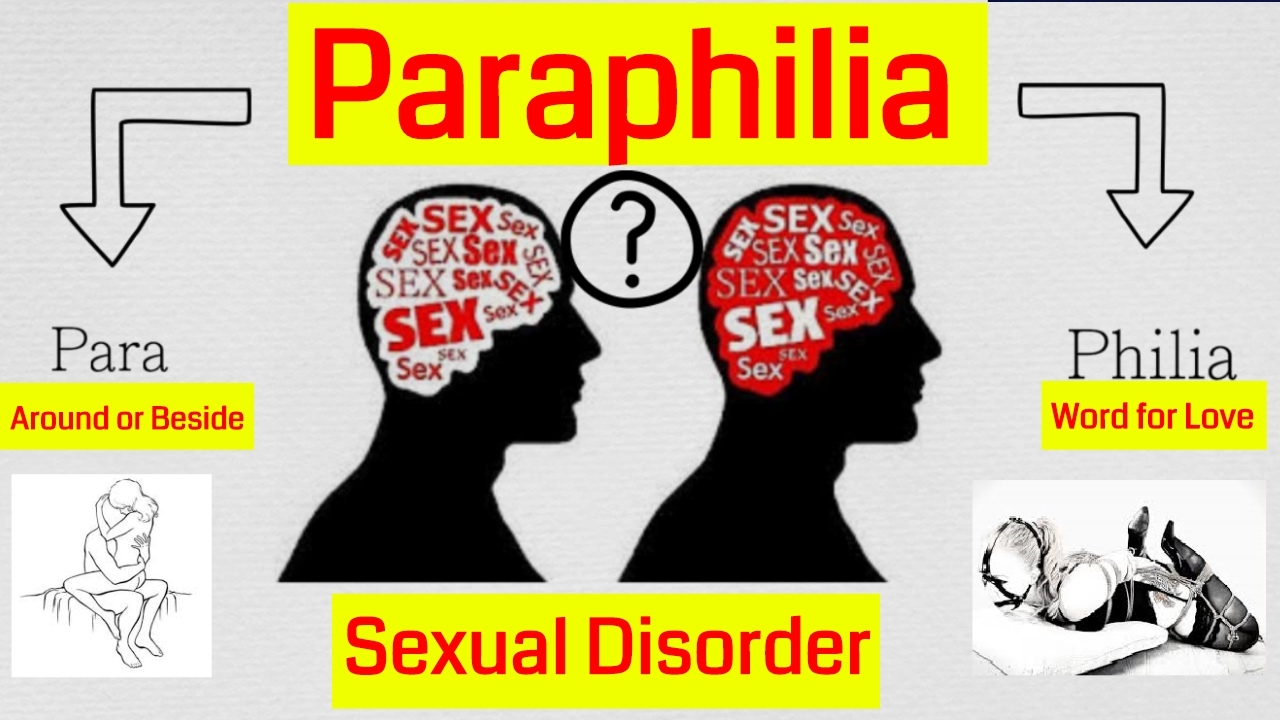
Kink and paraphilia are two terms that are often used interchangeably, but they actually refer to different things. Kink refers to non-traditional sexual behaviors or preferences, such as BDSM or fetishism, that are consensual and harmless. In contrast, paraphilia refers to a type of psychological disorder that involves unusual or atypical sexual desires or behaviors.
In the past, kink was often pathologized and associated with paraphilia, but this is no longer the case. Today, many people proudly identify as kinky and celebrate their non-traditional sexual preferences. As
sex therapist and educator, Dr. Sue Johanson, notes, "Kink is not about being sick or perverted, it's about being different and embracing that difference."
A Brief History
The concept of paraphilia has been around for centuries, with the term being coined in the late 19th century. However, it wasn't until the 20th century that kink began to emerge as a distinct concept. This was largely due to the work of sex researchers like Alfred Kinsey, who challenged the notion that non-traditional sexual behaviors were inherently pathological.
In recent years, there has been a growing recognition of the importance of consent and communication in kink communities. This has led to the development of safety protocols and best practices for engaging in non-traditional sexual behaviors. As
one kink enthusiast notes, "It's not just about having fun, it's about being responsible and respectful of your partner's boundaries."
Despite the growing acceptance of kink, there is still a lot of stigma and misunderstanding surrounding non-traditional sexual behaviors. This can make it difficult for people to come out as kinky or to find supportive communities. However, with the rise of online forums and social media, it's becoming easier for people to connect with like-minded individuals and find resources and information.

One of the most surprising things about kink is its diversity. There are countless different types of kink, from BDSM to fetishism, and each has its own unique subculture and community. As
sex educator, Tristan Taormino, notes, "Kink is not just about sex, it's about identity, community, and self-expression."
Overcoming Stigma
Despite the many benefits of kink, there is still a lot of stigma and shame surrounding non-traditional sexual behaviors. This can make it difficult for people to open up about their kink preferences, even to their partners or healthcare providers. However, by educating ourselves and others about kink, we can work to overcome this stigma and create a more inclusive and accepting society.
In order to overcome stigma, it's essential to promote education and awareness about kink. This can involve sharing personal stories, providing resources, and supporting kink-friendly events. By doing so, we can help to create a more positive and inclusive environment for people of all sexual orientations and preferences.
Furthermore, media representation plays a significant role in shaping our perceptions of kink. By portraying kink in a positive and realistic light, we can help to challenge stereotypes and promote understanding. As
one kink advocate notes, "Representation matters, and it's essential that we see kink represented in a way that is authentic and respectful."

In conclusion, kink and paraphilia are two distinct concepts that should not be confused. By educating ourselves and others about kink, we can work to overcome stigma and promote acceptance. As we continue to explore and celebrate the diversity of human sexuality, we must remember to approach these topics with sensitivity and respect.
Ultimately, kink is about self-expression, community, and identity. By embracing our differences and celebrating our uniqueness, we can create a more inclusive and accepting society. As
Dr. Johanson notes, "Kink is not just about sex, it's about life, and it's essential that we approach it with openness and curiosity."