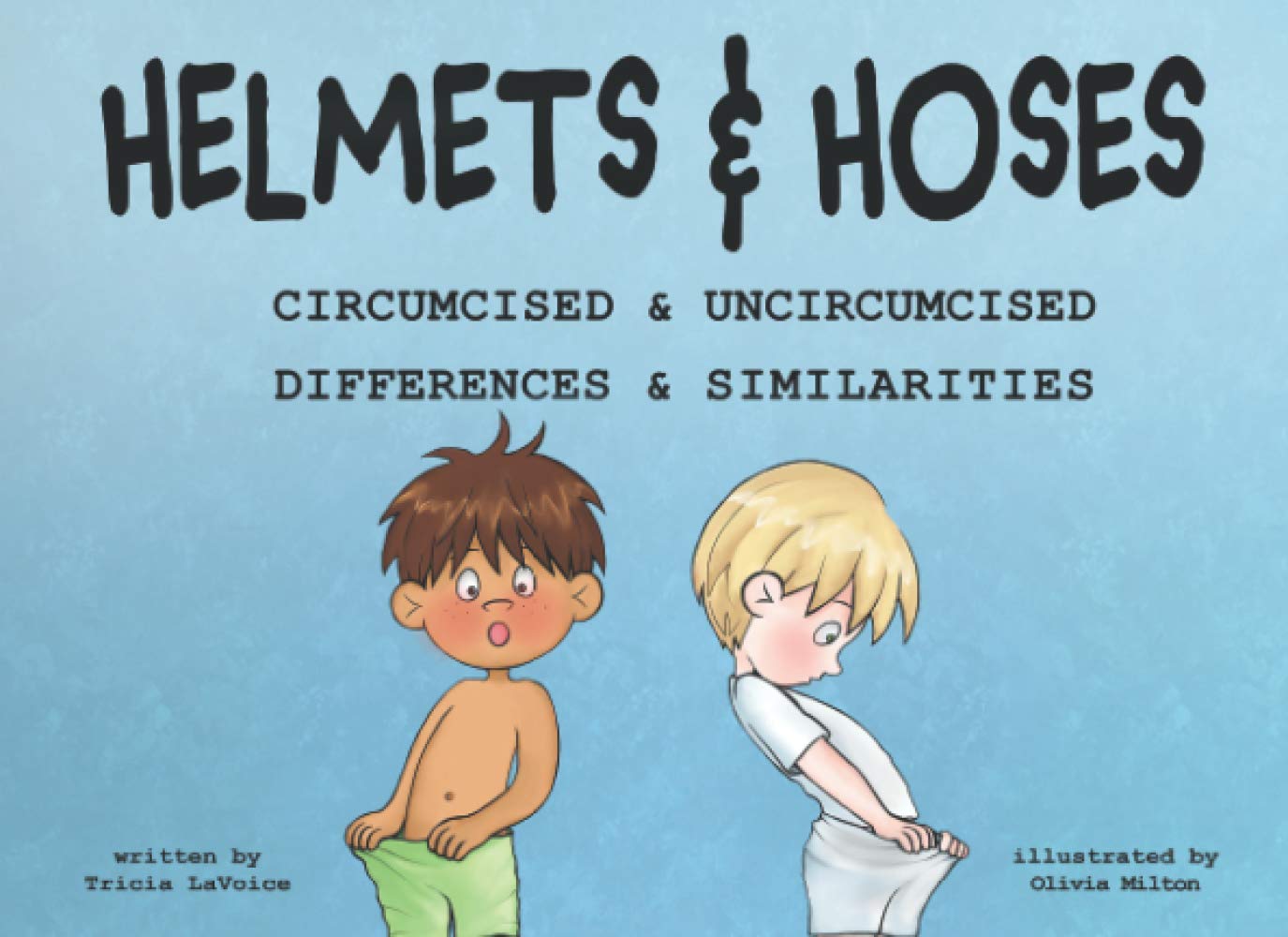
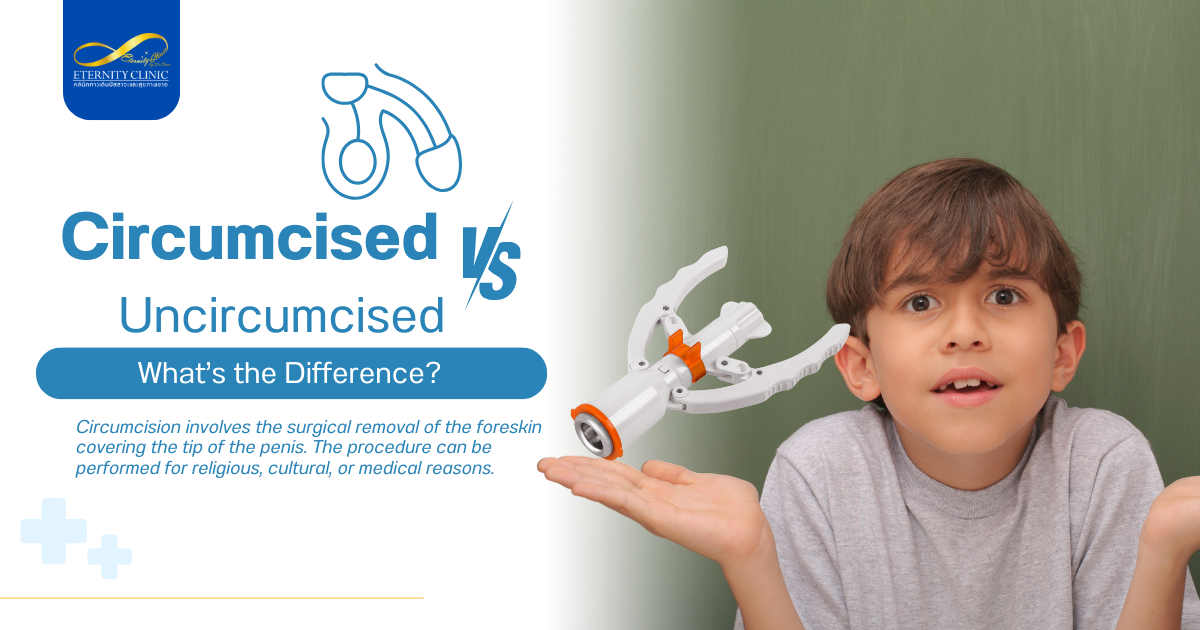
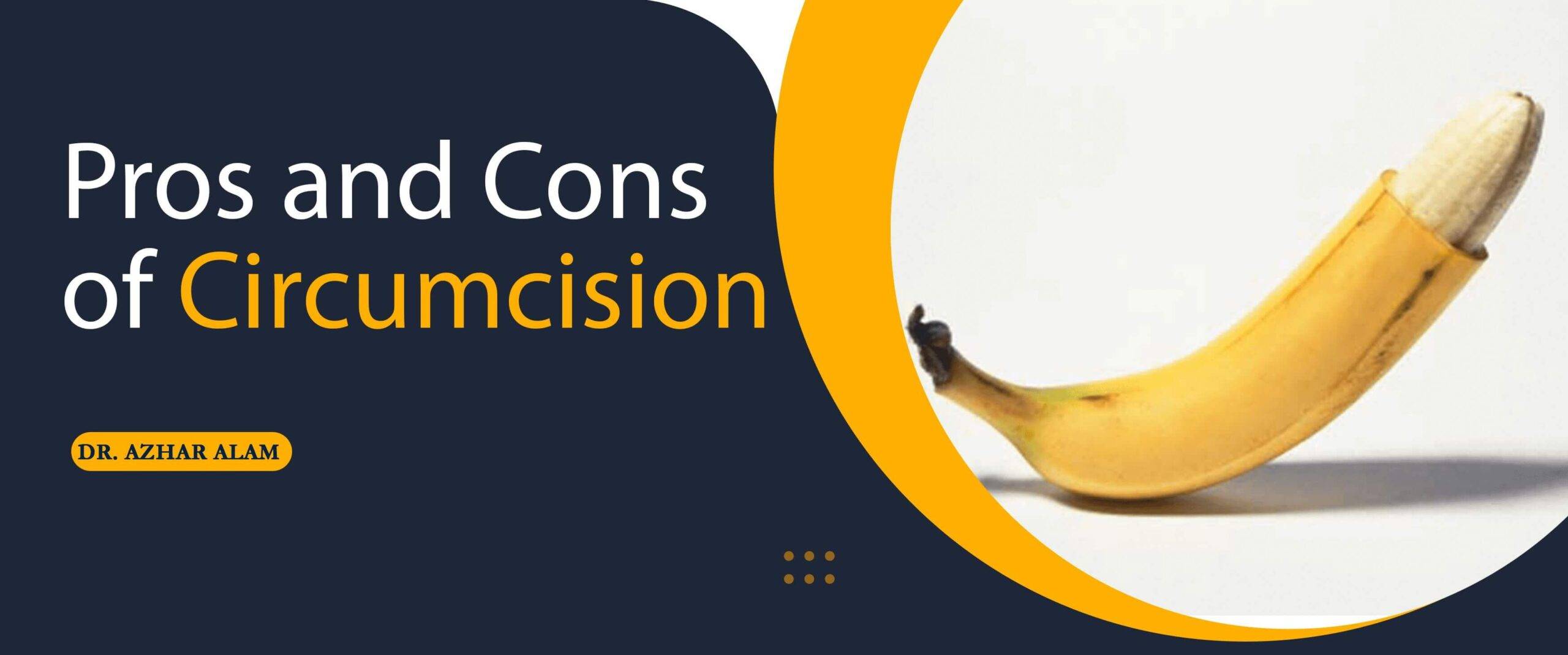
Difference Between Circumcised And Not
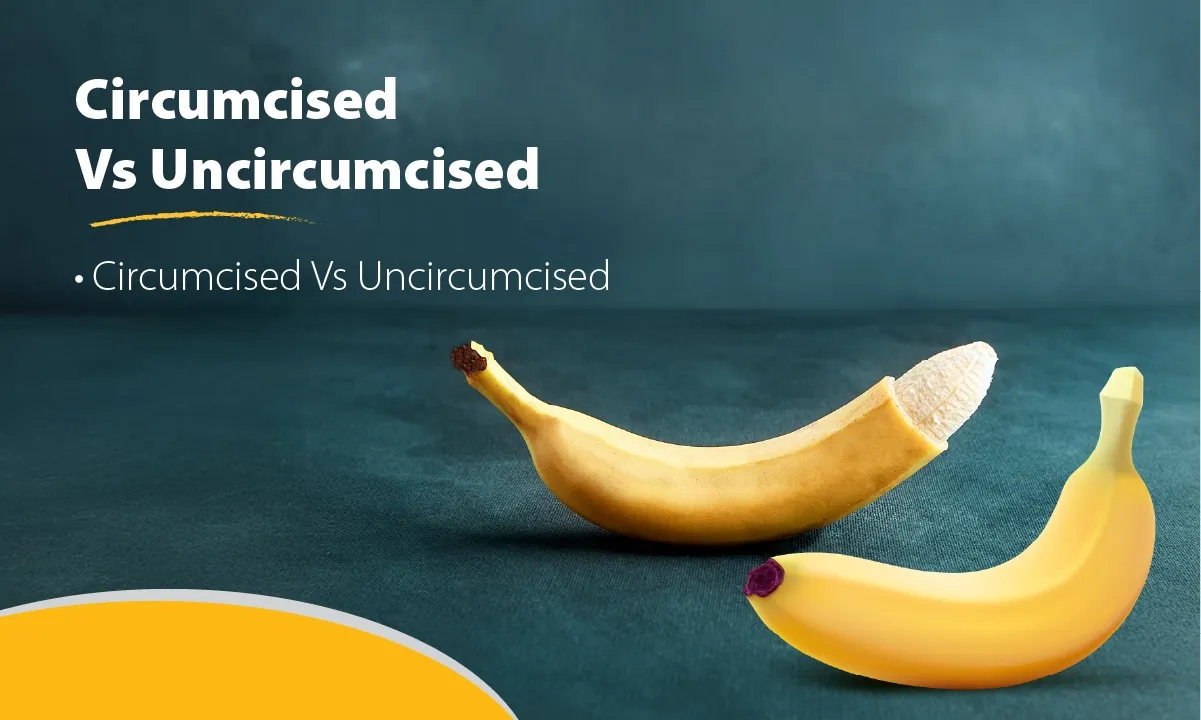
When it comes to the age-old debate about circumcision, there's often more confusion than clarity. Culture and personal preference play a significant role in this decision, but it's essential to understand the differences between being circumcised and not. From hygiene to sensitivity, let's dive into the world of circumcision and explore the facts.
What is Circumcision?
Circumcision is a surgical procedure that involves removing the foreskin from the penis. This practice has been around for thousands of years, with roots in ancient cultures and religious traditions. In some parts of the world, circumcision is a coming-of-age ritual, while in others, it's a medical procedure performed for health reasons.
The Benefits of Circumcision
Proponents of circumcision argue that it reduces the risk of urinary tract infections and sexually transmitted diseases. Some studies also suggest that circumcision can lower the risk of penile cancer and improve hygiene. However, it's essential to note that these benefits are still debated among medical professionals, and more research is needed to fully understand the effects of circumcision.
Must Read
On the other hand, opponents of circumcision argue that it can lead to reduced sensitivity and decreased pleasure during sex. Some men who are circumcised may experience dryness or irritation due to the lack of foreskin, which can act as a natural lubricant. Ultimately, the decision to circumcise or not depends on individual preferences and values.
Cultural Significance
Circumcision has significant cultural and religious implications, particularly in Jewish and Islamic traditions. In these communities, circumcision is seen as a rite of passage and a symbol of faith and identity. However, in other cultures, circumcision is viewed as a medical procedure rather than a cultural practice.
In recent years, there has been a growing trend towards intactivism, a movement that advocates for the rights of individuals to make their own choices about their bodies. Intactivists argue that circumcision is a human rights issue and that individuals should be able to choose whether or not to undergo the procedure. This movement has sparked a lively debate about the ethics of circumcision and the importance of informed consent.
Practical Tips
Whether you're circumcised or not, it's essential to prioritize penile health and hygiene. This includes practicing safe sex, washing regularly, and avoiding harsh soaps that can irritate the skin. Additionally, communication is key in any relationship, so be sure to discuss your preferences and boundaries with your partner.

In the end, the decision to circumcise or not is a personal choice that depends on individual values and circumstances. Rather than juddging others for their choices, we should focus on promoting education and understanding. By doing so, we can create a more inclusive and accepting society that values diversity and individuality.
As we go about our daily lives, it's essential to remember that our bodies are our own, and we should have the autonomy to make choices about them. Whether you're circumcised or not, you deserve to be respected and valued for who you are. So, let's celebrate our differences and promote a culture of acceptance and understanding. By doing so, we can create a more compassionate and inclusive world, one conversation at a time.